

Amsterdam’s historic heart around Dam Square, medieval lanes, and iconic sights.
Tourist attraction · Binnenstad
Begijnhof
Discover a historic courtyard that remains a residential place; respect private gardens and doors.
Opening status unconfirmed
Use the historic centre as a collection of smaller walks. Pair a courtyard or museum with a café stop, then follow the canals into a neighboring area.
Best for Architecture Café culture Museums & culture

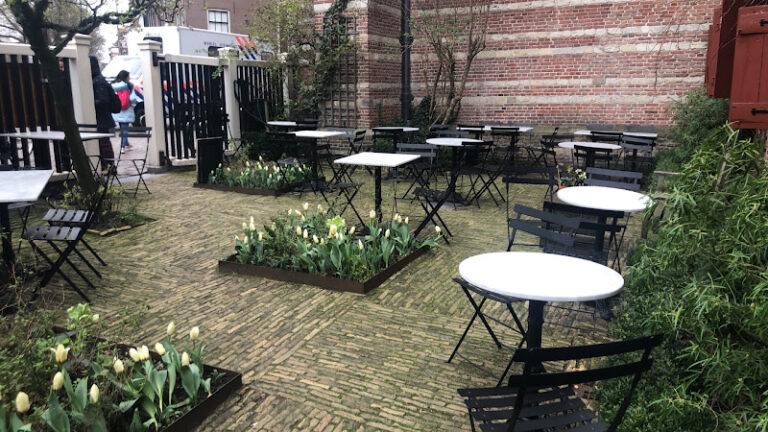
These are separate pauses in the centre: the residential Begijnhof and a café at the Oude Kerk.
Tourist attraction · Binnenstad
Discover a historic courtyard that remains a residential place; respect private gardens and doors.
Opening status unconfirmed
Café · De Wallen
Have coffee and cake in the former sacristy of the Oude Kerk.
Opening status unconfirmed
For visitors, Centrum offers a compact, walkable introduction to Amsterdam’s best sights. Start at Dam Square to see the Royal Palace and Nieuwe Kerk before strolling the UNESCO‑listed Canal Ring and its photogenic bridges. Book timed tickets for the Anne Frank House, Royal Palace or popular museums to avoid queues; canal cruises provide a relaxed overview from the water. Explore micro‑neighbourhoods like the Nine Streets (Negen Straatjes) for boutique shopping and cafés, and wander around Nieuwmarkt for street markets and Chinatown eateries.
De Wallen’s Red Light District is part of the area’s history but is best visited during the day; photography of sex workers is illegal. The district is easily reached by tram or metro, but walking or cycling is the most enjoyable way to experience its narrow streets. Consider visiting early in the morning or during shoulder season (spring/autumn) for a calmer experience.
Accessible by public transport and bicycle. Standard Amsterdam accessibility features with main streets suitable for pedestrians and cyclists.
Amsterdam ranks among the world’s safest capitals (11th on the Safe Cities Index) with a visible police presence throughout the center, but Centrum is the city’s main pickpocketing zone — stay alert in crowds around Centraal Station, Dam Square, the Red Light District, and on trams 2 and 5. Violent crime is rare; the realistic risk is opportunistic theft at busy attractions and markets.
Living in Centrum means waking up to bells of centuries‑old churches, navigating narrow lanes and bridges by bicycle, and having artisanal shops, cafés, markets and cultural venues on your doorstep. Residents enjoy walking‑distance access to markets, indie shops, workplaces and cultural venues, but they also contend with high living costs and crowds drawn by the area’s fame. Many live in restored canal houses or modern apartments tucked into quiet courtyards.
Micro‑neighbourhoods like Jordaan maintain a village‑like feel with weekly markets and lively cafés, while Nieuwmarkt blends Chinatown influences with traditional Dutch bars. Living centrally demands patience during peak tourist seasons, yet rewards those who savour spontaneous canal‑side picnics, morning walks along empty alleys and the convenience of having the city’s best museums, cinemas and theatres minutes away.
Coffee and cake in the former sacristy of the Oude Kerk.
Café · De Wallen
Have coffee and cake in the former sacristy of the Oude Kerk.
Opening status unconfirmed
The Begijnhof is still a place where people live. Keep voices low and respect private doors and gardens.
Tourist attraction · Binnenstad
Discover a historic courtyard that remains a residential place; respect private gardens and doors.
Opening status unconfirmed
Centrum is the storied core of Amsterdam, defined by its 17th‑century Canal Ring and a patchwork of micro‑neighbourhoods like Jordaan, Grachtengordel and De Wallen. Ornate gabled houses, cobbled lanes and bustling squares sit side by side with designer shops, brown cafés and market stalls, giving the district a cosmopolitan yet deeply historic character.
Centrum grew from a dam on the Amstel River in the late 1200s and quickly became the hub of a global trading port. During the Dutch Golden Age, wealth from cloth and spice commerce funded the construction of the concentric canal belt and the grand merchant homes that still define the area. As Amsterdam expanded, its inner city evolved through periods of decline and renewal; citizens have consistently fought to preserve the historic fabric, even stopping a proposed motorway. In 2002 the inner city became Amsterdam’s final self‑governing borough and in 2010 its Seventeenth‑Century Canal Ring was listed as a UNESCO World Heritage site, cementing its status as one of the world’s best‑preserved urban ensembles.
Culture radiates from every corner of Centrum. You can wander from the Royal Palace on Dam Square and the Oude Kerk in De Wallen to cutting‑edge exhibitions at the NEMO Science Museum or small contemporary galleries in the Jordaan. Major museums like the Rijksmuseum, Van Gogh and Stedelijk are clustered just south of the Canal Ring, while heritage houses such as the Anne Frank House and Museum Ons’ Lieve Heer op Solder offer intimate glimpses into Amsterdam’s past. The district pulses with live music, theatre and festivals; weekly markets at Waterlooplein and Nieuwmarkt bring antiques, vintage goods and street food; and cafés and tasting rooms serve jenever and craft brews late into the evening.
91733
8.04
2002
Amsterdam’s historic heart around Dam Square, medieval lanes, and iconic sights.
Browse places, save your favourites, and return to your shortlist when you’re ready to go.