Description
Aluminium Bridge (Aluminiumbrug, Bridge 222) is a compact drawbridge over the Kloveniersburgwal canal, linking Staalstraat with Nieuwe Doelenstraat, right beside the Doelen Hotel. It’s an easy one to walk past—and worth an intentional stop—because it combines a surprisingly “engineered” look with one of those classic Kloveniersburgwal sightlines that makes Amsterdam feel instantly cinematic.
It’s a famous bridge, historically but also in modern times, it’s where Brad Pitt and George Clooney stood on the bridge in Ocean’s Twelve.
Built in 1896, the bridge originally functioned as a working bascule bridge (a lift-style drawbridge). The lifting mechanism hasn’t operated for decades, but the structure still reads like a piece of serious infrastructure rather than decorative canal furniture. The real reason it’s called Aluminiumbrug came later: in the mid-1950s renovation (completed 1956), the bridge received an aluminium deck—a big deal at the time, because aluminium was chosen specifically for durability and low maintenance in a wet, salty, urban environment.
If you like small details, look for the bridge number plate: 222. Amsterdam’s bridge numbering system is one of those quiet, nerdy ways the city reveals itself.
At a glance
- Bridge number: 222
- Type: bascule / drawbridge (no longer opens)
- Year built: 1896
- Name “Aluminiumbrug” since: 1956 renovation
- Crosses: Kloveniersburgwal
- Connects: Staalstraat ↔ Nieuwe Doelenstraat
- Time needed: 5–15 minutes (longer if you’re shooting photos)
Key Features
The aluminium deck (the whole point)
Most central bridges blend into the canal belt palette—brick, stone, iron. Aluminiumbrug doesn’t. The deck upgrade is why this bridge gets singled out in lists of “most interesting bridges” and why it shows up in niche bridge databases. Aluminium is lightweight for its strength, resists corrosion, and is easy to maintain—practical choices that also gave the bridge a subtly different feel underfoot.
A nerdy detail that makes the renovation feel real: contemporary reporting around the 1955–56 works notes the bridge was widened (from roughly 7.4 m to 8.6 m) and that the new deck was only slightly heavier than the original but significantly stronger—exactly the kind of municipal math Amsterdam loves.
A mix of materials you can actually read
Look closely and you’ll see the bridge is a purposeful combination of brick, stone, and steel—not ornamental, not trying to impress. It’s functional design that aged well.
A quietly iconic viewpoint
Even if you don’t care about bridges, the location does the work:
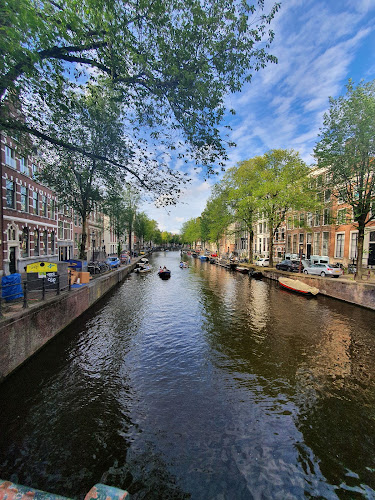
- Up-canal views along Kloveniersburgwal
- The Doelen Hotel edge framing the scene
- Constant motion: bikes, boats, pedestrians, delivery traffic—real city rhythm, not a staged postcard
Photo Tips
- Best angle: stand near the railing and shoot along Kloveniersburgwal rather than straight across it.
- Morning: calmer water = better reflections, fewer people in your frame.
- Blue hour (after sunset): canal lights + deep sky tones make the scene look expensive with minimal effort.
- On busy days: keep your camera close and your stance predictable—this is a heavy bike corridor and cyclists move fast.
Suggested alt text ideas for your images:
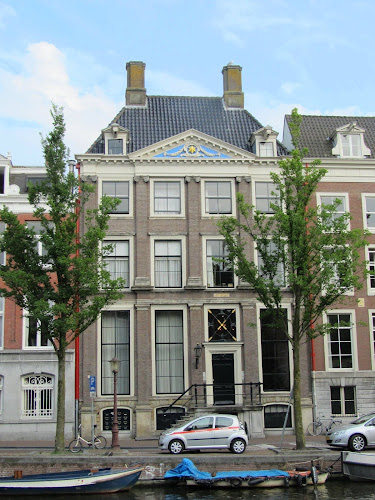
- “Aluminiumbrug (Bridge 222) over the Kloveniersburgwal canal in Amsterdam”
- “View along Kloveniersburgwal from Aluminium Bridge (Aluminiumbrug)”
- “Bridge 222 number plate on Aluminiumbrug in Amsterdam Centrum”
Best Time to Visit
There’s no “wrong” time—this is a public bridge, always accessible—but timing changes the experience.
- Early morning: quiet streets, softer light, and the canal reads as architecture rather than traffic.
- Late afternoon into evening: more energy in the area, great for people-in-place shots.
- King’s Day (27 April): if you enjoy crowds and city-wide street energy, this area becomes a moving festival route. If you don’t, avoid it.
Seasonal note: summer weekends can be crowded around midday. If you want clean photos, aim for weekday mornings or shoulder season (spring/autumn).
How to Get There
Aluminium Bridge sits in Amsterdam Centrum, an easy walk from multiple major points.
Walking
- From Dam Square: walk east toward the old center and continue until you meet the canal belt; you’ll reach the bridge area in roughly 10–15 minutes depending on your route.
- From Rembrandtplein / Muntplein: it’s a short walk—follow the canal lines and you’ll land directly at Kloveniersburgwal.
Public transport (simple + low-maintenance advice)
- Closest tram stops are around Muntplein and Rokin (both a short walk).
- The closest metro stop is Waterlooplein, also walkable.
(Transit line numbers change often; using stop names keeps this page accurate long-term.)
By bike
Cycling across Aluminiumbrug is normal—just keep your line steady, don’t stop mid-bridge, and step aside before taking photos.
By car
Skip it. Central Amsterdam driving is slow, parking is expensive, and the last 1–2 km will still be on foot. If you must drive, use a P+R on the outskirts and continue by transit.
Nearby Local Gems
If you’re building a short walk, Aluminiumbrug slots in perfectly:
- Doelen Hotel area: classic city-center canal atmosphere without being a “big ticket” landmark.
- Rembrandtplein / Muntplein: busy, bright, people-watching energy.
- Waterlooplein: market area and a good “shift” from canals to city life.
- Rembrandt House Museum area: an easy cultural add-on if you’re already walking the center.
Good to Know
- Cost: free (public infrastructure)
- Access: always open; no gates, no tickets
- Safety: it’s a working traffic space—watch for bikes and don’t linger in the cycling line
- Status: listed as a protected monument (Rijksmonument), which helps explain why its “bones” have stayed recognizable through modern Amsterdam.