A 17th-century retreat where crackling fires meet Dutch hospitality
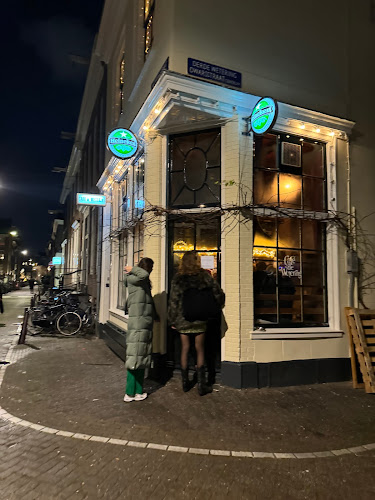
Behind a curtain of cascading ivy on a quiet corner of the Spiegelkwartier sits Café de Wetering, a brown café that embodies everything authentic about Amsterdam’s drinking culture. This 17th-century corner house has served as a sanctuary for locals and curious travelers alike, offering the kind of warmth and gezelligheid—that untranslatable Dutch concept of cozy conviviality—that modern bars struggle to replicate.
The café occupies a prime location just a two-minute walk from the Rijksmuseum, yet its tucked-away position on Weteringstraat keeps the tourist crowds at bay. Here, regulars gather at the tiny bar downstairs while newcomers climb the creaking stairs to settle into leather armchairs beside an honest-to-goodness wood-burning fireplace.
Historic roots in Amsterdam’s antiques district
The Spiegelkwartier traces its origins to the 17th century, when Amsterdam’s city authorities ordered the construction of a canal connecting the Prinsengracht to the former Boerenwetering. The canal took its name from one of the city’s four mayors, Hendrick Dirksz. Spiegel. Following the opening of the Rijksmuseum in 1885, antique dealers began setting up shop along the road leading to the museum, hoping to entice art-loving visitors.
Today, the neighborhood remains the heart of the Dutch art and antiques trade, with more than 70 specialist galleries and dealers occupying the historic houses along Nieuwe Spiegelstraat and Spiegelgracht. Café de Wetering fits perfectly into this cultural landscape—a ramshackle corner establishment with mismatched furniture, buckets of candlelit ambience, and the kind of patinated character that can only develop over centuries.
The café has passed through several owners over the years. Former proprietor Jan de Beer became something of a local legend before his passing. The current owner, Stephan, continues the tradition of personal service that defines Amsterdam’s best brown cafés. You’ll often find him behind the bar, ready with a recommendation or a conversation.
What makes this brown café special
The fireplace experience
The wood-burning hearth upstairs serves as the café’s heart and soul. During Amsterdam’s grey winter months, the crackling fire transforms the upper level into what locals describe as the coziest spot in the city. Rugs cover the wooden floors, and the room fills with the soft glow of candlelight as jazz plays quietly in the background.
Authentic brown café atmosphere
Brown cafés earn their name from dark wood paneling, smoke-stained ceilings (from the days before indoor smoking bans), and worn wooden furnishings. Café de Wetering exemplifies this tradition. The interior feels unchanged from decades past—intimate, unhurried, and designed for lingering rather than quick drinks.
The maximum capacity of around 50 guests ensures conversations remain possible without shouting. Board games like chess and Scrabble line the shelves, inviting visitors to settle in for hours rather than minutes.
The drinks selection
The draft options focus on Dutch classics like Amstel and Heineken, but the real treasure lies in the bottled beer selection. The staff maintain a surprisingly extensive wine cellar, and the knowledgeable bartenders enjoy guiding guests toward new favorites.
For a truly Dutch experience, order a jenever—the juniper-flavored spirit that predates British gin by centuries. Tradition dictates that jenever arrives in a small tulip-shaped glass filled to the brim. Take your first sip by leaning over the bar to avoid spillage—only then can you pick up the glass. Pair it with a beer for a kopstoot, or “headbutt,” the classic Dutch combination.
Simple but satisfying food
The kitchen keeps things traditional with cheese and sausage platters featuring oude kaas (aged cheese) served with mustard. These borrelhapjes—Dutch bar snacks—pair perfectly with beer and create the perfect excuse to extend your stay.
The resident cat
Like many Amsterdam establishments, Café de Wetering has maintained a resident feline. The house cat, named Fidel, became something of a local celebrity, often found lounging on the radiator or greeting guests. Recent reports suggest Fidel has entered retirement, though this tradition of welcoming four-legged residents speaks to the café’s home-away-from-home atmosphere.
Visiting Café de Wetering
Location and hours
- Address: Weteringstraat 37, 1017 SM Amsterdam
- Phone: 020-6229676
- Opening hours: Daily from 4pm (16:00). Closes at 1am on weeknights, with extended hours until 3am on Fridays and Saturdays.
Getting there
The café sits in the southern canal district, perfectly positioned between the museum quarter and the city center.
By tram: Take lines 1, 7, or 19 to Spiegelgracht, then walk two minutes down Nieuwe Spiegelstraat. Lines 2 and 12 also stop nearby.
By metro: The Vijzelgracht station on line 52 (North-South line) sits about a seven-minute walk away.
On foot from the Rijksmuseum: Head north on Museumstraat toward the Spiegelgracht canal. The walk takes approximately five minutes.
By bicycle: Plenty of bike parking can be found on surrounding streets.
Practical tips
Payment policies have evolved at many Amsterdam establishments. While Café de Wetering historically operated as cash-only, the café now accepts debit cards. Bringing some euros remains wise for any visit to Amsterdam’s traditional brown cafés.
Arrive closer to the 4pm opening time if you want a prime spot by the fire—those upstairs armchairs fill quickly on cold evenings. Sunday afternoons carry a particular charm, with a lazy weekend atmosphere that matches the café’s relaxed spirit.
The staff appreciate when visitors respect the intimate atmosphere. This is a place for quiet conversation and contemplation, not boisterous parties. Speaking a few words of Dutch, even just ordering with “een biertje alstublieft” (a beer please), earns goodwill from regulars.
Nearby attractions
The Spiegelkwartier location places you within walking distance of Amsterdam’s most celebrated cultural institutions:
- Rijksmuseum – Two minutes away; home to Rembrandt’s Night Watch and the world’s finest collection of Dutch Golden Age paintings
- Van Gogh Museum – Five minutes away; houses more than 200 Van Gogh paintings
- Stedelijk Museum – Six minutes away; Amsterdam’s premier modern art museum
- Kattenkabinet – A museum dedicated to cats in art, housed in a beautiful canal house featured in Ocean’s Twelve
The surrounding streets offer exceptional browsing among antique shops and galleries specializing in everything from 17th-century Delft pottery to contemporary art.
Why Café de Wetering captures Amsterdam’s soul
Many cities have old pubs; Amsterdam has brown cafés. The distinction matters. These establishments function as living rooms for the neighborhood, places where the goal is not efficiency but connection. No televisions blast from the walls. No promotions push quick turnover.
Café de Wetering represents this tradition at its finest. The building itself carries nearly four centuries of history. The fireplace has warmed countless visitors through countless winters. The bartenders remember faces and preferences. The cat—retired or not—treated the place as home.
For travelers seeking authenticity beyond the tourist-packed squares, this corner café in the Spiegelkwartier offers something increasingly rare: an experience that feels genuinely local. Order a drink, claim a seat by the fire, and let the afternoon stretch into evening. The outside world can wait.
Frequently asked questions
Is Café de Wetering cash only?
The café has recently begun accepting debit cards, though bringing cash remains advisable when visiting Amsterdam’s traditional brown cafés.
What time does Café de Wetering open?
The café opens at 4pm (16:00) daily and closes at 1am on weeknights, with extended hours until 3am on Fridays and Saturdays.
Is Café de Wetering near the Rijksmuseum?
Yes, the café sits approximately two minutes on foot from the Rijksmuseum, making it an ideal spot to unwind after visiting the museum.
Does Café de Wetering have a fireplace?
Yes. The upstairs area features a wood-burning fireplace that becomes the focal point during colder months.
Are dogs or pets allowed in Café de Wetering?
The café maintains a welcoming atmosphere typical of Dutch brown cafés, though you should check current policies when visiting. The establishment has historically been known for its resident cat, Fidel.
What should I order at a Dutch brown café?
Try a local beer like Amstel or Heineken, or embrace tradition with a jenever (Dutch gin). The cheese and sausage platters pair perfectly with drinks.
How do I get to Café de Wetering by public transport?
Take tram lines 1, 7, or 19 to Spiegelgracht, then walk two minutes. Metro line 52 stops at Vijzelgracht, about seven minutes away on foot.
Is Café de Wetering suitable for groups?
The intimate atmosphere works best for small groups. With a capacity of around 50 guests, the café maintains a cozy feel. For larger gatherings, arriving early helps secure enough space.