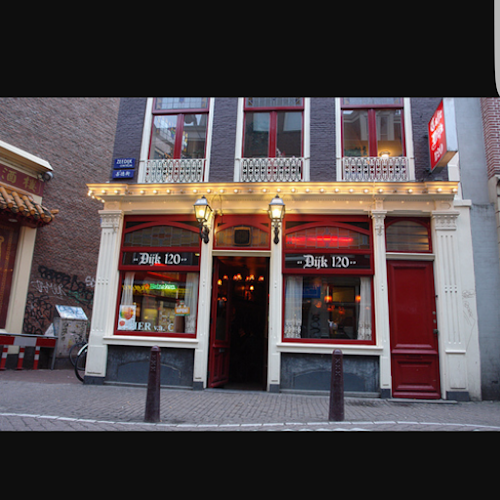
Café Dijk 120 embodies everything that makes the Dutch brown café tradition so enduring. This unassuming neighborhood bar sits at Zeedijk 120, where sailors once sought refuge after long voyages and where locals still gather today for cold Heineken and unhurried conversation. Unlike the polished tourist establishments that dominate much of central Amsterdam, Dijk 120 wears its age honestly — weathered wood, dim lighting, and a cash-only policy that feels like stepping back several decades.
A street built to hold back the sea
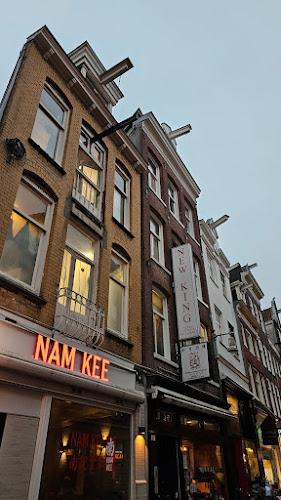
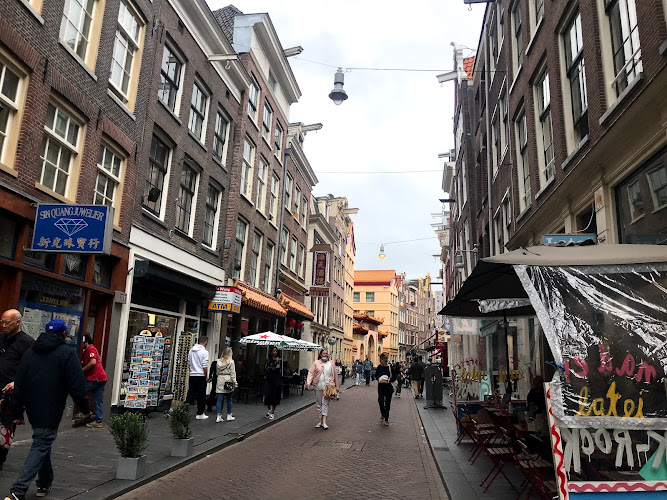
The Zeedijk’s history runs deeper than most Amsterdam streets. The name translates literally to “sea dike” — this curved thoroughfare was constructed as a defensive wall to protect the medieval city from the waters of the IJ, which connected directly to the Zuiderzee until 1872. If you look closely, you’ll notice the street still follows the contours of that original dike, curving gently rather than running straight like newer Amsterdam streets.
In 1544, Zeedijk became the first street in Amsterdam to have permanent street lighting installed. For centuries, wealthy merchants considered addresses along this promenade among the most respectable in the city. That changed in the 17th century when the construction of the grand Herengracht drew the affluent westward. The Zeedijk transformed into a sailors’ district, its boarding houses, taverns, and ship supply shops catering to seafarers arriving at nearby ports. The neighborhood became known as the Nautical Quarter, a character it retained for centuries.
The street’s reputation grew considerably rougher in the 1970s and 1980s. Heroin flooded the area, brought through Hong Kong and Singapore connections. By 1980, over 10,000 Amsterdam residents struggled with addiction, many of them concentrated around Zeedijk and the adjacent Red Light District. The situation grew so severe that postal workers refused to deliver mail. A major cleanup effort in 1985, combined with the city’s pragmatic drug policies, gradually transformed the neighborhood. Today, Zeedijk forms the main artery of Amsterdam’s Chinatown — the oldest Chinese neighborhood in continental Europe, established around 1911 — while still preserving pockets of its maritime drinking culture.
The character of a true bruine kroeg
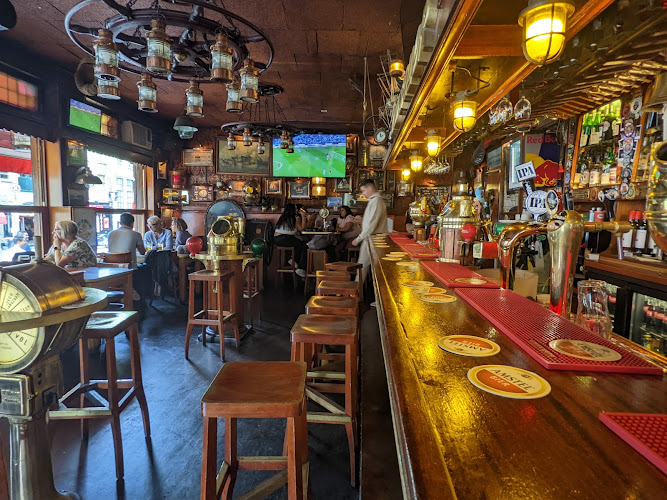
Café de Dijk 120 belongs to a distinctly Dutch institution: the brown café, or bruine kroeg. These establishments earned their name from interiors darkened by decades of tobacco smoke staining wooden ceilings and paneled walls. Even now, years after indoor smoking bans, that patina remains, lending these bars a warm, amber glow that no amount of interior design could replicate.
What the pub is to the Londoner, the brown café is to the Amsterdammer. These are neighborhood gathering spots where the boundary between public house and private living room blurs. The Dutch word gezellig — roughly translating to cozy, convivial, and warmly social — captures what these spaces aim to provide. At Dijk 120, that atmosphere manifests in mismatched furniture, regulars who know each other by name, and bartenders who’ve seen generations of drinkers come through the door.
Reviews consistently describe the interior as “weathered” and “old-school.” The decor carries a retro quality that some compare to stepping into the 1970s. A few beers on tap — Heineken and Amstel feature prominently — and perhaps some jenever (the juniper-flavored Dutch spirit that preceded gin) constitute the menu. There’s nothing elaborate here, and that’s precisely the point. The Dutch tradition of the kopstootje — a small glass of jenever slurped hands-free at the bar followed by a beer chaser — finds a natural home in establishments like this one.
Screen time and neighborhood life
Film location scouts have noticed Dijk 120’s authentic atmosphere. The café appears in the 2021 Netflix film “Ferry,” a prequel to the popular Dutch crime series “Undercover.” In the movie, crime boss Ralph Brink treats his associates to drinks at this very bar during early Amsterdam scenes. The production team chose the location precisely because it feels like a genuine piece of the city rather than a set.
That authenticity extends to the café’s relationship with its surroundings. Positioned at the edge of De Wallen — Amsterdam’s famous Red Light District — Dijk 120 sits amid a constantly flowing mix of tourists and locals. Yet stepping inside often feels like entering a different world. Regulars occupy their usual stools. Conversation flows in Dutch. The pace slows. Several reviews describe finding unexpected peace here, a respite from the sensory intensity of the surrounding streets.
The bar welcomes a cross-section of Amsterdam life. One recent visitor described encountering friendly staff who offered local tips alongside their drinks. Another recalled an evening of spontaneous conversation with neighboring patrons. The general consensus: this is not a place that rushes you out the door.
Practical information for visitors
Café de Dijk 120 operates with hours suited to the neighborhood’s rhythm. The bar opens at 10:00 AM daily, giving early risers a spot for morning coffee or those finishing late nights a place to decompress. Closing times extend to 1:00 AM on weekdays and 3:00 AM on Fridays and Saturdays, making it equally suited for afternoon beers or late-night drinks.
The cash-only policy remains in effect — a detail worth noting before you visit. Card machines have not made their way behind this particular bar, which some visitors appreciate as part of the old-world atmosphere. Expect reasonable prices for Amsterdam’s city center; the lack of tourist-oriented markup reflects the establishment’s local clientele.
Address: Zeedijk 120, 1012 BB Amsterdam
Phone: 020-624 7107
Hours:
- Monday through Thursday: 10:00 AM – 1:00 AM
- Friday and Saturday: 10:00 AM – 3:00 AM
- Sunday: 10:00 AM – 12:00 AM
Getting there
The location offers excellent accessibility by multiple transport options. From Amsterdam Centraal Station, Café de Dijk 120 lies approximately a five-minute walk south. Exit the station, cross Prins Hendrikkade, and you’ll find the Zeedijk stretching ahead. The bar sits about halfway down the street.
Public transport brings you equally close. Tram lines 2, 4, 11, 12, 14, and 24 stop at Centraal Station. Metro lines 51, 52, 53, and 54 serve the same station. Bus lines including 18, 21, and 22 also connect through the central hub. Once at Centraal, follow the walking directions above.
For those arriving by bicycle — the most Amsterdam method of transport — bike parking can be found throughout the neighborhood, though spaces fill quickly in this busy area.
Exploring the neighborhood
After a drink at Dijk 120, the surrounding area offers plenty to explore. Nieuwmarkt square lies just a minute’s walk south, anchored by the magnificent De Waag — a 15th-century building that once served as the city’s weighhouse and now houses a restaurant beneath its medieval towers. On Saturdays, an organic farmers market fills the square with produce, cheese, and flowers.
The Fo Guang Shan He Hua Temple, Europe’s largest Buddhist temple built in traditional Chinese palace style, stands on the Zeedijk itself. The Chinese community funded its construction, and visitors are welcome to experience its peaceful interior. The contrast between this ornate structure and the narrow Dutch buildings surrounding it captures something essential about Amsterdam’s layered history.
Café ‘t Mandje, another historic bar at Zeedijk 63, warrants a visit for those interested in Amsterdam’s LGBTQ+ heritage. Opened in 1927 by Bet van Beeren, it welcomed gay and lesbian patrons during an era when few establishments did. After closing in 1983 following van Beeren’s sister’s retirement, relatives reopened it in 2008.
The Oude Kerk (Old Church), Amsterdam’s oldest building, stands a few minutes’ walk away at Oudekerksplein. Consecrated in 1306, this Gothic church anchors the Red Light District and hosts art exhibitions and concerts throughout the year.
A different pace
Café de Dijk 120 exists for those willing to slow down. It’s not the place for craft cocktails or curated playlists. The Wi-Fi is unreliable, the décor unpolished, the menu minimal. What it offers instead is increasingly rare: a bar that feels like it belongs to its neighborhood rather than to its visitors, where the passage of time has worn grooves into the floorboards and where the next round arrives when the last one empties.
The Dutch have a saying: “In een bruin café vind je jezelf terug” — in a brown café, you find yourself again. At Dijk 120, perched on a street that once held back the North Sea, that discovery might come between sips of Heineken while watching the afternoon light slant through unwashed windows, or in conversation with a local who’s occupied the same barstool for twenty years. Either way, you’ll have experienced something authentic — a small piece of Amsterdam that hasn’t been optimized, renovated, or made instagrammable.
The door opens at ten. Cash only. No reservations needed.
Frequently asked questions
Is Café de Dijk 120 a coffee shop?
No. Café de Dijk 120 is a traditional Dutch brown café (bruine kroeg), which is a pub serving beer, jenever, and other alcoholic beverages. The term “café” in Dutch typically refers to a bar rather than a coffee-focused establishment. While you may be able to order a Senseo coffee here, the primary offerings are draft beer and spirits.
Do they accept credit cards?
No. Café de Dijk 120 operates on a cash-only basis. Make sure to visit an ATM before stopping by, as there’s no card machine on the premises.
Is the bar located in the Jordaan neighborhood?
No. Despite some incorrect information online, Café de Dijk 120 is located on Zeedijk street in the Centrum district, at the edge of the Red Light District and Amsterdam’s Chinatown. The Jordaan neighborhood is a separate area to the west.
What beers do they serve?
The bar offers a limited but well-curated selection of Dutch beers, with Heineken and Amstel featuring prominently on tap. Jenever, the traditional Dutch juniper spirit, is also available.
Is the area around the café safe?
Yes. While Zeedijk sits at the edge of the Red Light District, the area has been extensively revitalized since the 1980s and is now considered safe for visitors. Police presence is regular, and the street’s transformation into Chinatown has brought families, tourists, and longtime residents back to the neighborhood.
Can I bring my dog?
Contact the café directly at 020-624 7107 to confirm current pet policies before visiting with an animal.
Is there outdoor seating?
Limited outdoor seating may be available during good weather, where patrons can enjoy their drinks on benches near the entrance. Indoor seating provides the authentic brown café atmosphere.
What is the best time to visit?
Weekday afternoons offer a quieter experience with more opportunity to engage with local regulars. Weekend evenings bring a livelier crowd. The bar opens at 10:00 AM for those who want to start early or enjoy a quiet morning drink.