A living link to medieval Amsterdam’s brewing tradition
Standing on Kloveniersburgwal, steps from the bustling Nieuwmarkt, De Bekeerde Suster occupies sacred ground. This brewpub and tasting room sits on the former site of the Bethaniënklooster—the Monastery of Saint Mary Magdalene of Bethany—where Augustinian nuns first began brewing beer in 1544.
The name translates to “The Converted Sister,” honoring the women who once lived within these walls. Founded around 1450, this monastery served as a refuge for women seeking to leave lives of hardship behind. These “converted sisters” took in fellow women, cared for them, and eventually built one of Amsterdam’s most celebrated breweries.
The story behind the beers
As the convent grew, so did its responsibilities. The nuns raised cattle renowned throughout North Holland for their quality, catered banquets for the city’s schutterijen (citizen militia companies), and—most memorably—brewed beer that drew characters from across medieval Amsterdam.
Today’s brewery honors these colorful figures through its signature beers. Witte Antonia (5.4%), a Belgian-style witbier with bright citrus and coriander notes, takes its name from one of the monastery’s most well-known sisters. De Manke Monnik (7.2%), a robust tripel with flavors of caramel, raisins, and plums, commemorates the “Crippled Monk” who frequented the abbey’s tavern.
The most storied of all is De Blonde Barbier (6.2%). This blonde ale honors Gerardus Franciscus Bickerszoon, a 16th-century barber whose exploits were chronicled by Cornelis Calcoen. In an era when barbers also performed surgical procedures, De Blonde Barbier became notorious for mishaps with his blade—eventually being restricted to only cutting hair. He spent his later years at the monastery’s tavern, spinning yarns that reportedly always ended with the phrase, “even the worst of stories leave you thirsty.”
What to expect
The modern brewery opened in May 2003, with brewing operations beginning in 2004. Walking in, you’ll notice the gleaming copper kettles positioned at the rear of the pub—functional brewing equipment that produces the house beers you’ll drink.
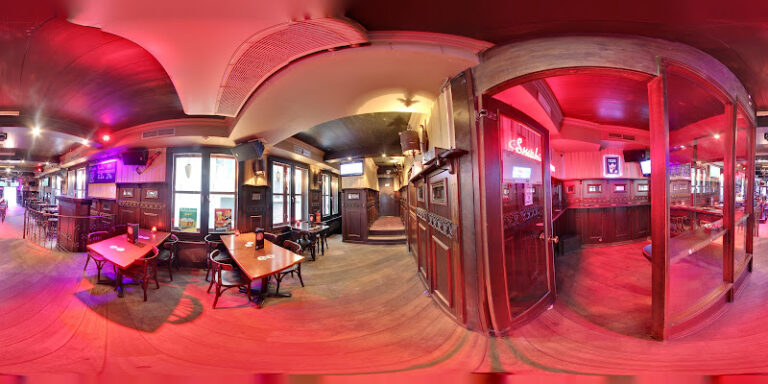
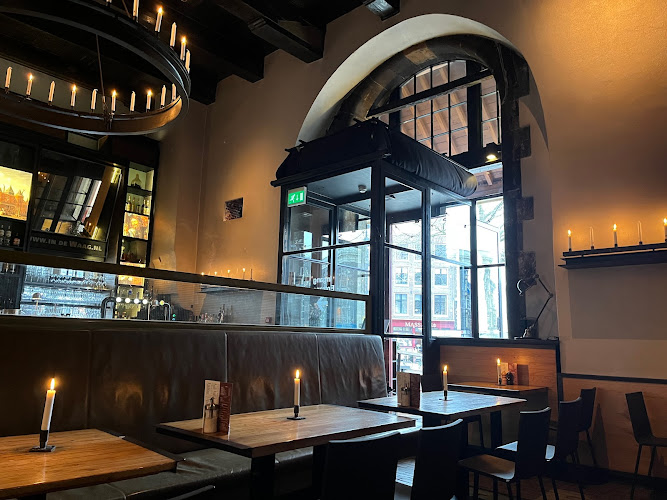
The interior balances historic atmosphere with contemporary comfort. Exposed beams and hardwood create warmth, while staggered seating levels offer views both of the canal outside and the brewing process within. The building incorporates Dutch Baroque-style architecture alongside modern Amsterdam interior design.
Beyond the three flagship beers, the taplist includes seasonal offerings like De Gewaeghde Bock and the winter-exclusive Vintrus, plus guest taps from respected Dutch and Belgian breweries. For those wanting to sample the full range, beer tasting flights of four or five beers are available.
The food menu pairs well with the beer selection. Dutch classics like bitterballen, cheese plates, and stamppot anchor the offerings, alongside burgers and seafood dishes. The house beer bread, made with their own brew, deserves particular attention.
Practical information
Address: Kloveniersburgwal 6-8, 1012 CT Amsterdam
Getting there: The easiest approach is via Nieuwmarkt metro station (lines 51, 53, 54)—just a three-minute walk north along the canal. From Amsterdam Centraal, take the metro one stop or walk approximately 10 minutes through the city center.
Hours:
- Monday: Noon–Midnight
- Tuesday–Thursday: Noon–1:00 AM
- Friday–Saturday: Noon–2:00 AM
- Sunday: Noon–Midnight
Reservations: Recommended for dinner, especially on weekends. Available through TheFork or directly through their website.
Good to know:
- Brewing typically happens on Fridays—time your visit to watch the process
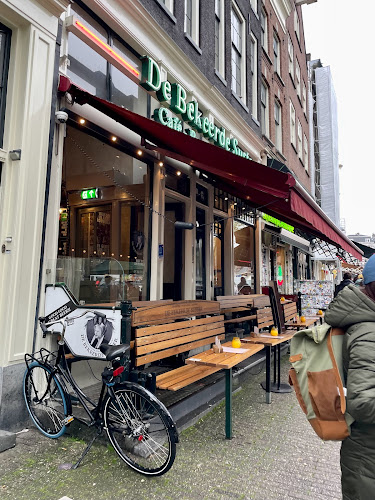
- Outdoor canal-side seating available in warmer months
- Private events and brewery tours can be arranged
- Average meal cost runs approximately €30, beer tastings from €12.90
For craft beer enthusiasts
De Bekeerde Suster stands apart from Amsterdam’s newer craft breweries. While spots like Brouwerij ‘t IJ, Oedipus, and Brouwerij Troost push experimental boundaries, De Bekeerde Suster draws directly from centuries of tradition. The beers favor smoothness and balance over provocation—Belgian-inspired styles executed with practiced precision.
This makes it an ideal complement to, rather than replacement for, Amsterdam’s contemporary craft scene. Start here to taste where Dutch brewing began, then explore the city’s modern interpretations.
The essence of gezelligheid
The monastery’s original buildings are largely gone—only the northern wing in Barndesteeg alley survives as a concert hall. But De Bekeerde Suster keeps the spirit alive. Every glass poured connects to 1544, to the converted sisters, to the crippled monk telling tales, to the infamous barber and his legendary thirst.
Settle into a corner table, order a De Manke Monnik, and raise it to nearly five centuries of Amsterdam brewing heritage.