OVpay is the national contactless payment system for public transport in the Netherlands. You tap in and out of every train, tram, bus, and metro, including all of Amsterdam’s, using a contactless debit card, credit card, phone, or smartwatch. There is no separate OV-chipkaart to buy, no app to download, and no balance to top up.
The short version: tap the yellow reader when you board and tap out with the same card when you leave. In 2026, GVB (Amsterdam’s tram, metro, and bus network) caps your spending at €10.50 per day no matter how far you ride, and a train from Schiphol Airport to Amsterdam Centraal costs €5.50 one way. The mistake that costs people money: forget to tap out on an NS train and you are charged a €33.30 correction fee.
Beyond the city: OVpay covers trams, buses, metro and domestic NS trains as you go. For longer journeys — Rotterdam, Maastricht, or across the border to Brussels and Cologne — booking ahead is usually cheaper than tapping in on the day.
We may earn a commission if you book through this link, at no extra cost to you.
OVpay in 2026, at a Glance
| Journey | What you pay in 2026 | Good to know |
|---|---|---|
| Amsterdam tram, metro or bus (GVB) | Pay as you go, capped at €10.50 per day (GVB Max) | Use the same card all day; the cap applies automatically |
| Schiphol Airport to Amsterdam Centraal (NS train) | About €5 one way, second class | Roughly 15 minutes; tap the yellow readers on the platform |
| Any single NS train fare, second class | €3.00 to €33.30, by distance | No daily cap on trains; long routes hit the €33.30 ceiling |
| Intercity Direct high-speed supplement | €3.20 peak / €1.92 off-peak | Only on the HSL line: Amsterdam, Schiphol, Rotterdam, Breda |
| Forgot to tap out (NS train) | €33.30 correction fee (€20 for a missed check-in) | Refundable through NS if it was an honest mistake |
What Is OVpay and How Does It Work?
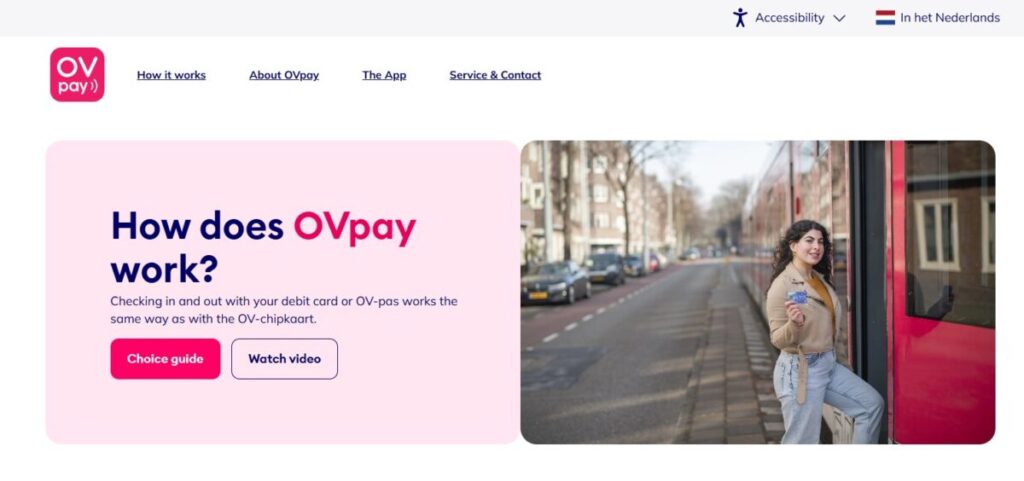
OVpay accepts contactless payments from any compatible bank card or phone and calculates the fare for you. It works on trains, trams, buses, and metros across the country, and it is replacing the old plastic OV-chipkaart, which is being phased out in favor of OVpay and a new personal card called the OV-pas. For a short visit, tapping a bank card is the simplest option.
How the Payment Works
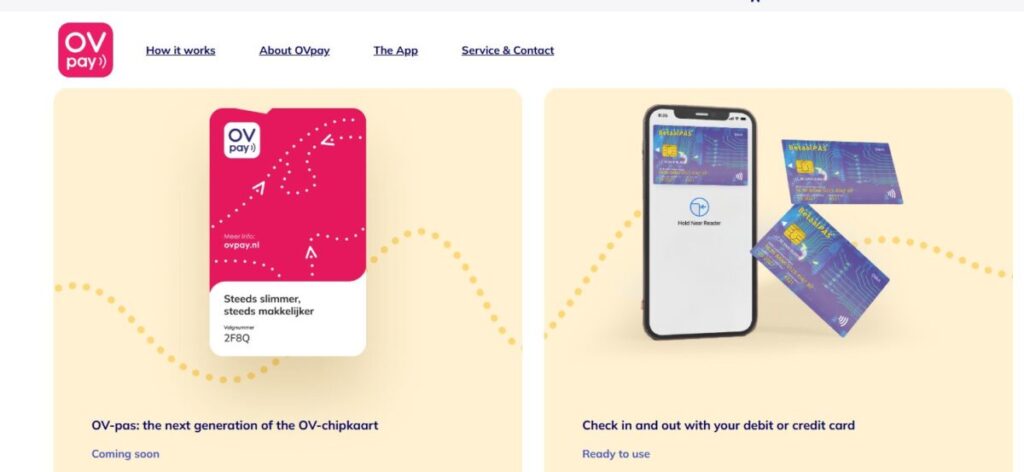
When you tap in, OVpay records your starting point and payment method. Tapping out records where you finished and charges the fare to your account, usually within a day. The system recognizes transfers within 35 minutes as one continuing journey rather than a new fare, so changing between a metro, tram, and train counts as a single trip.
Cards and devices that work with OVpay:
- Contactless debit and credit cards from Maestro, V PAY, Mastercard, and Visa
- Phones set up with Apple Pay or Google Wallet
- Apple Watch and other contactless smartwatches
- The new OV-pas, the personal card replacing the OV-chipkaart
Step-by-Step OVpay Usage
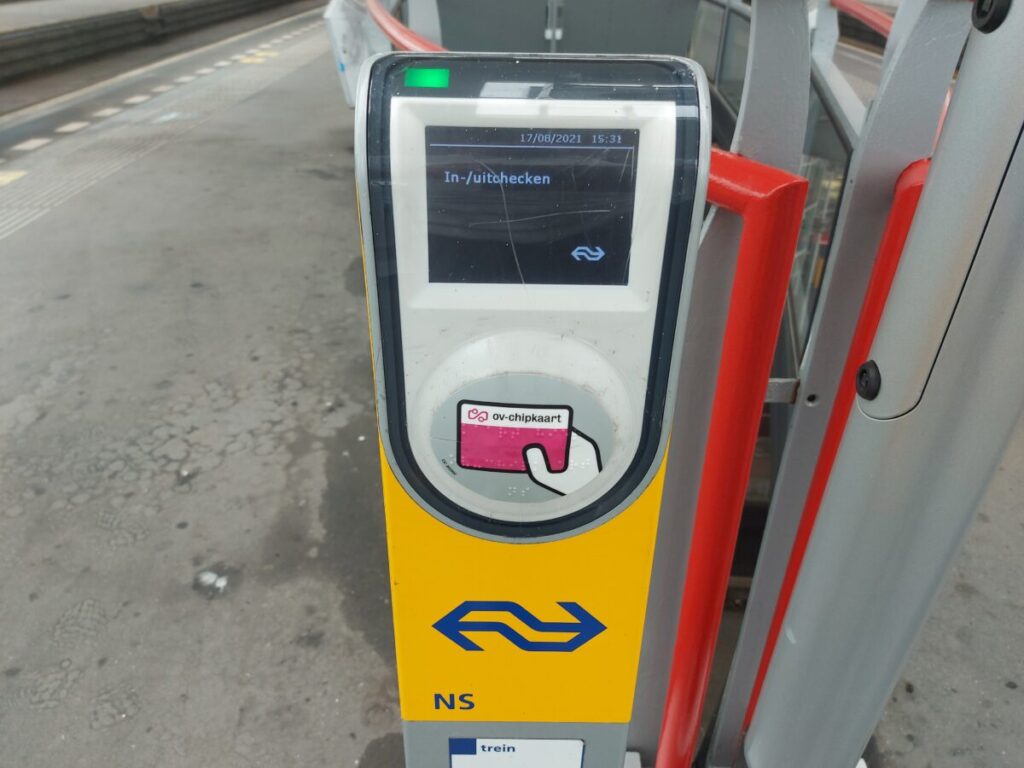
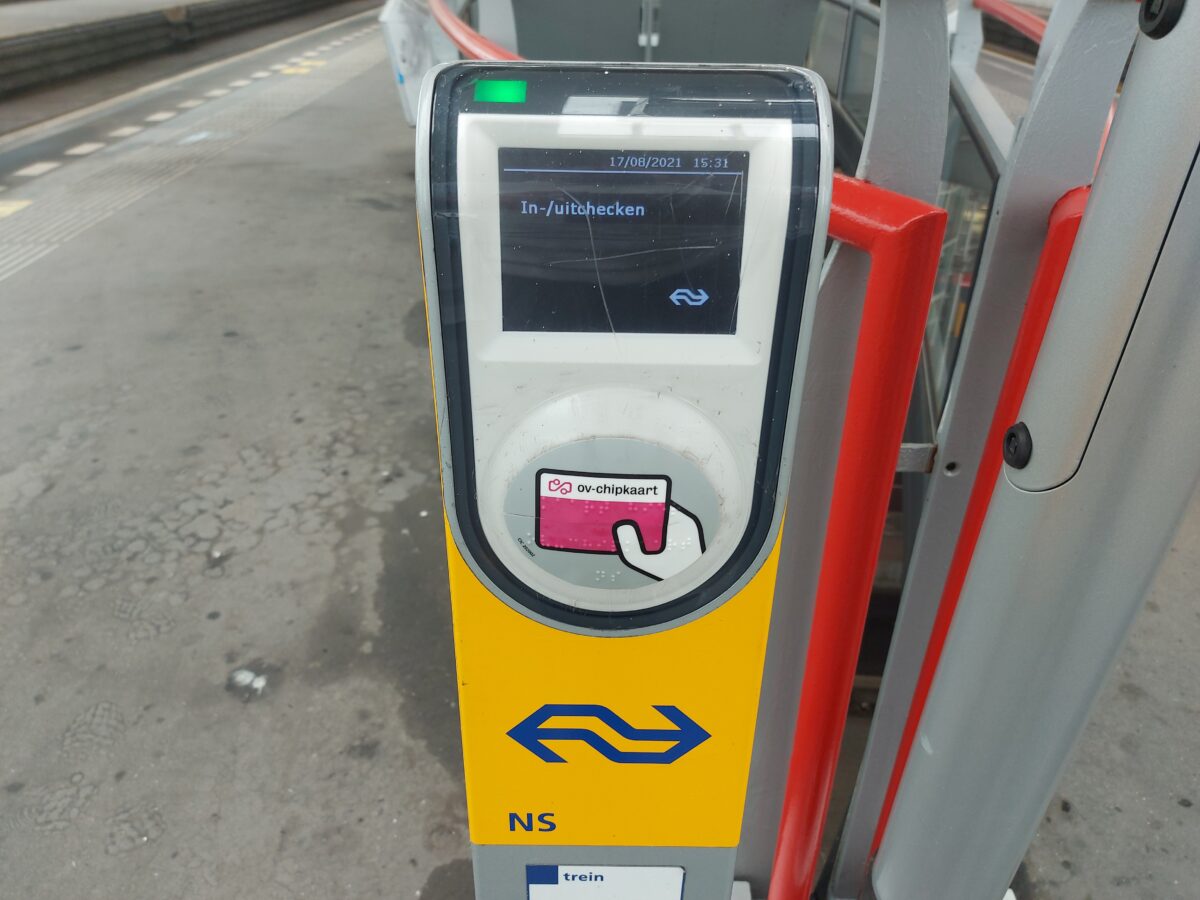
- Find the reader – Look for the yellow OVpay symbols on gates and poles
- Hold your card or phone flat against it – Keep it there for a second or two
- Wait for confirmation – A green light and a beep confirm a successful tap
- Use the same card to tap out – Mixing cards prevents a correct fare
- Always tap out – This is what sets your final fare
Important: use the same payment method for both tap-in and tap-out. If you tap in with a phone and out with a card, the system cannot match the journey and charges a correction fee instead of the real fare.
Understanding Dutch Transport Networks
National Rail Services (NS)
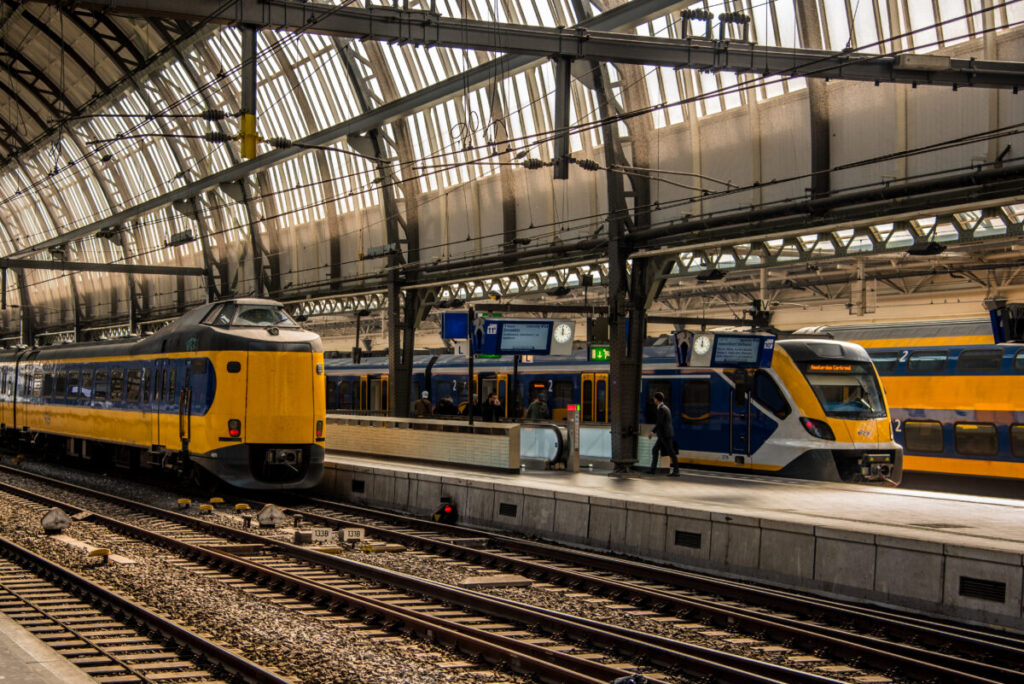
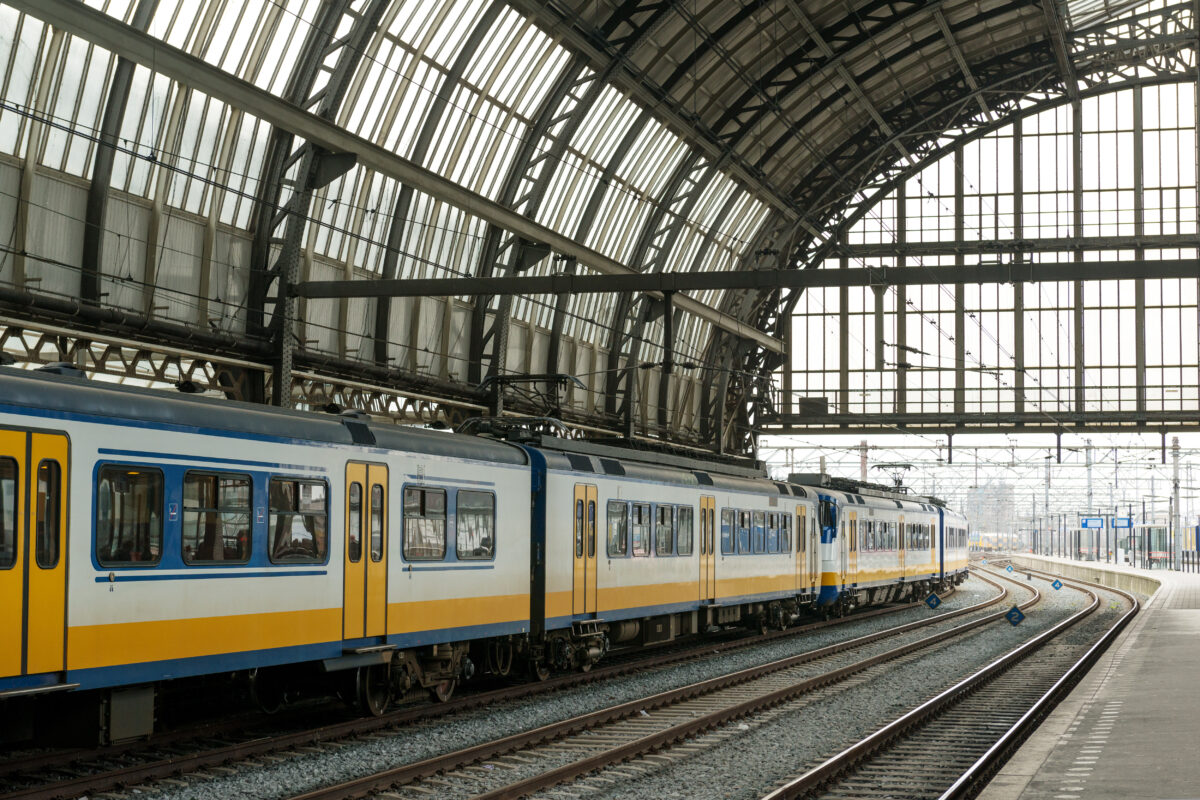
Dutch Railways (NS) runs the intercity and regional trains that connect the major cities and tourist destinations. OVpay works on all NS services. When you pay with a bank card you travel in second class with no discount applied.
NS service types:
- Intercity – Fast connections between major cities
- Intercity Direct – High-speed HSL route with a supplement
- Sprinter – Regional services with frequent stops
- International – Connections to Belgium and Germany (separate tickets)
Regional Transport Companies
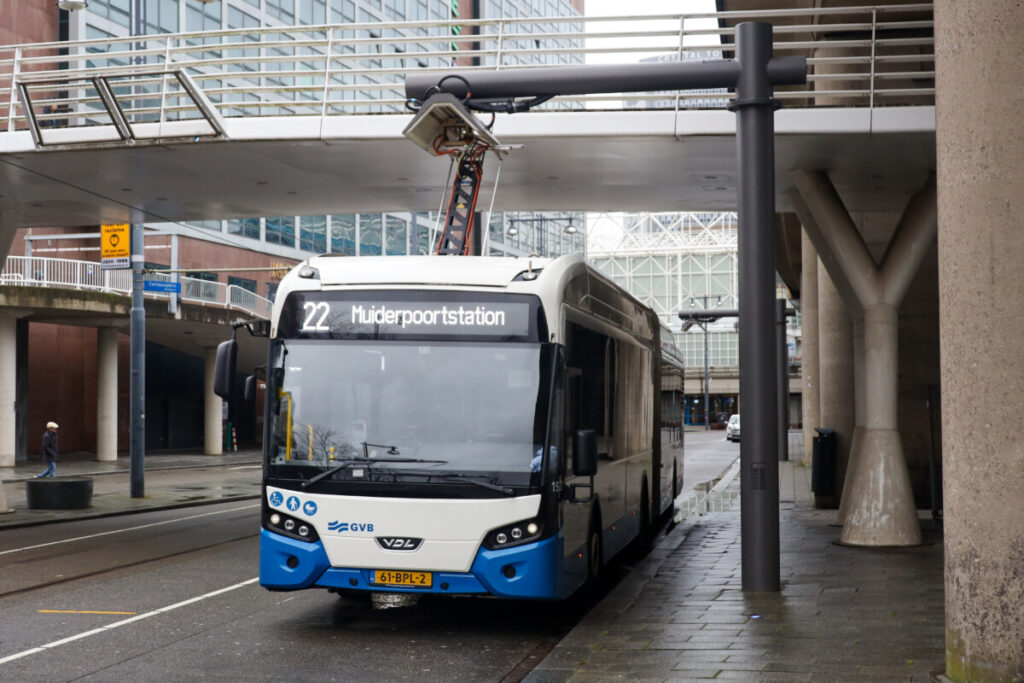
Each region runs its own local bus, tram, and metro services, and OVpay handles the transfers between them without any extra setup.
Major regional operators:
- GVB – Amsterdam metro, tram, and bus
- HTM – The Hague public transport
- RET – Rotterdam metro, tram, and bus
- U-OV – Utrecht regional transport
- Arriva – Northern and eastern Netherlands
See Related: Solo Travel in Amsterdam: A Guide to Exploring the City Alone
What OVpay Costs in 2026
Dutch transport is priced by distance, not by fixed zones, and OVpay works out the cheapest valid fare for you. Two numbers cover most of what a visitor needs to know.
How Fares Are Calculated

On GVB in Amsterdam, OVpay charges a small boarding rate plus a per-kilometer rate, but the figure that matters is the daily cap: you never pay more than €10.50 a day on GVB trams, metros, and buses when you use the same card. After you reach the cap, the rest of the day’s GVB rides cost nothing extra, so a few short trips effectively become a day pass.
NS trains work differently. There is no daily cap, and each journey is priced by distance, from about €3.00 for a short hop up to a €33.30 ceiling for the longest domestic routes. Transfers between operators within 35 minutes count as one journey, and if you forget to tap out on the train, NS applies a €33.30 correction fee (or €20 for a missed check-in), which you can usually claim back if it was a genuine mistake.
Intercity Direct Supplement System
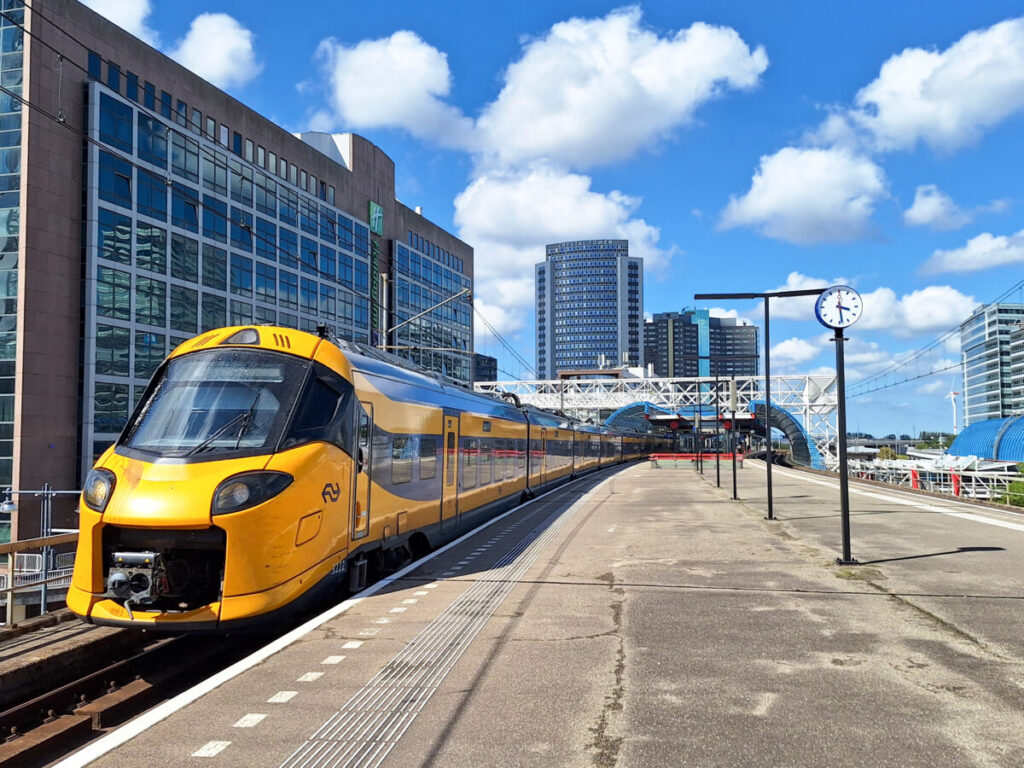
Intercity Direct trains run on the high-speed HSL line between Amsterdam, Schiphol, Rotterdam, and Breda, and they carry a supplement on top of the normal fare. In 2026 that supplement is €3.20 during peak hours and €1.92 off-peak, charged per journey regardless of class. If you pay with OVpay you usually tap a separate red "Toeslag" (supplement) pillar on the platform before you board.
When the Supplement Applies
The supplement only applies to Intercity Direct services on the HSL corridor, where they save real time over the slower routes:
- Amsterdam to Rotterdam – roughly 40 minutes on Intercity Direct
- Schiphol to Rotterdam – about 25 minutes on the fast train
- Rotterdam to Breda – under 30 minutes on the high-speed section
Standard Intercity and Sprinter trains serve most of these cities too, without the supplement, so if you are not in a hurry you can skip the extra cost.
Using OVpay from Schiphol Airport to Amsterdam
You do not need a paper ticket from the machines at the airport. When you reach Schiphol Plaza, walk to the yellow card readers at the train platforms, tap your phone or card to check in, ride the NS train to Amsterdam Centraal (about 15 minutes), and tap the same card on the gates to exit. OVpay calculates the fare automatically, and the trip costs €5.50 one way in second class.
Traveling with Kids and in Groups

On OVpay pay-as-you-go, children aged 4 to 11 are charged a reduced rate and children under 4 travel free. NS also offers Kids Vrij, which lets up to three children aged 4 to 11 travel free on the train, but only when they are with an adult who holds a valid NS season ticket or day ticket. It is not applied automatically when you tap a bank card, so for a casual visit the reduced child rate is what usually applies.
OVpay does not support group payments, so everyone taps individually with their own card or phone. One card cannot cover two people. For four or more travelers making several trips in a day, a GVB group or day ticket can beat separate OVpay taps, though the €10.50 GVB Max cap already limits what each person spends in Amsterdam.
Troubleshooting Common OVpay Issues
Card Reading Problems
Some cards read inconsistently. A worn chip, or holding several contactless cards against the reader at once, can cause a failed or double tap. A few quick fixes usually solve it.
- Take the card out of your wallet – Tap a single card so the reader does not pick the wrong one
- Hold it steady – Keep the card flat against the reader for two to three seconds
- Try your phone wallet – Apple Pay or Google Wallet often works when a card fails
- Use a different card – Test another contactless card if one keeps failing
See Related: Photogenic Spots in Amsterdam: Where to Capture the Perfect Picture
How OVpay Ties Amsterdam Together
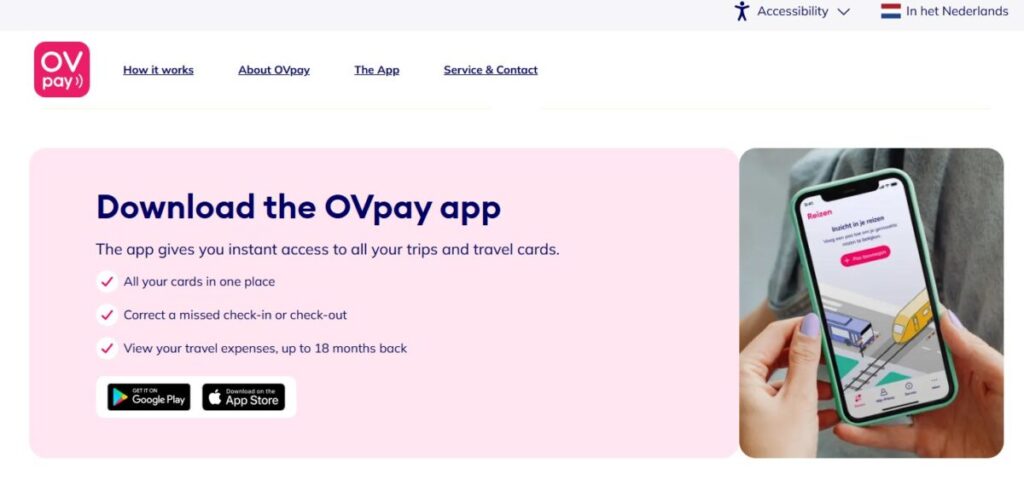
In Amsterdam, GVB metro, tram, and bus lines and the national NS trains all read the same card. A transfer completed within 35 minutes counts as one journey, so a typical airport-to-city trip that mixes a train and a metro is a single OVpay transaction.

- Airport to city – Train plus metro on a single OVpay transaction
- Museum District – Tram connections with automatic transfer pricing
- Across the IJ – The free GVB ferries behind Centraal need no tap at all
- OV-fiets – Rent a bike at major stations with an NS account linked to your card
Your OVpay Checklist Before You Travel
- Test your card at home – Confirm it makes contactless payments
- Pick one card and stick with it – Use the same card to tap in and out
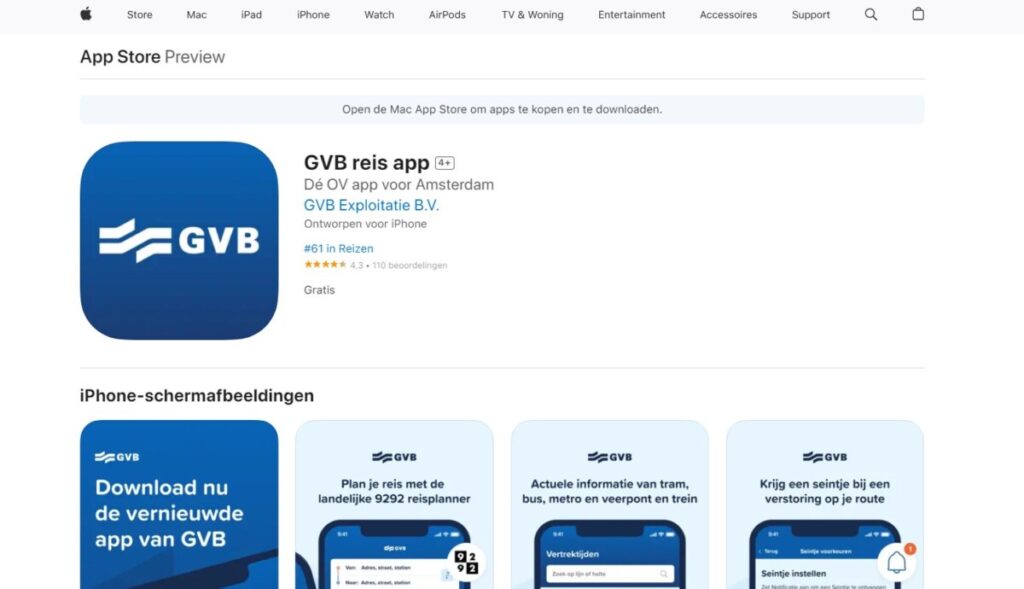
- Download a journey planner – NS, GVB, or 9292
- Remember the one rule – Always tap in and always tap out
- Carry a backup card – Handy if a reader rejects your main one
See Related: Amsterdam’s Hidden Gems: Off-the-Beaten-Path Attractions
Sources and What We Verified (July 2026)

We reviewed this guide in July 2026 against the transport operators themselves. The GVB Max daily cap of €10.50 and the accepted card list were confirmed on I amsterdam and GVB; the €20 missed check-in and €33.30 missed check-out correction fees come from NS; and the Intercity Direct supplement of €3.20 peak and €1.92 off-peak comes from NS ticket information. Fares usually change at the start of a new year, so check the operator’s own page before you travel if you are budgeting to the euro. The old plastic OV-chipkaart is also being retired in favor of OVpay and the new OV-pas, which is one more reason a bank card is the easiest choice for a short trip.
FAQs
Do I need to register or download an app to use OVpay?
No. There is no registration and no app to download. Take a contactless bank card, credit card, or phone, tap the reader when you board, and tap out with the same card when you leave.
Is there a daily price cap with OVpay?
In Amsterdam, yes. GVB caps your tram, metro, and bus spending at 10.50 euro per day (called GVB Max) when you use the same card, so extra rides after that are effectively free. NS trains have no daily cap, but a single second-class fare is capped at 33.30 euro even on the longest routes.
What happens if I forget to tap out?
On an NS train you are charged a correction fee of 33.30 euro for a missed check-out, or 20 euro for a missed check-in. If it was an honest mistake you can usually request a refund through NS or OVpay. GVB charges a smaller fixed amount for a missed check-out, so always tap out.
Can two people travel on one bank card?
No. Every traveler needs their own card or phone. If you are traveling with children who do not have a card, buy a paper or day ticket for them instead.
Which cards and phones work with OVpay?
Contactless debit and credit cards from Maestro, V PAY, Mastercard, and Visa all work, along with phones and smartwatches set up with Apple Pay or Google Wallet. Look for the yellow OVpay symbol on the reader.