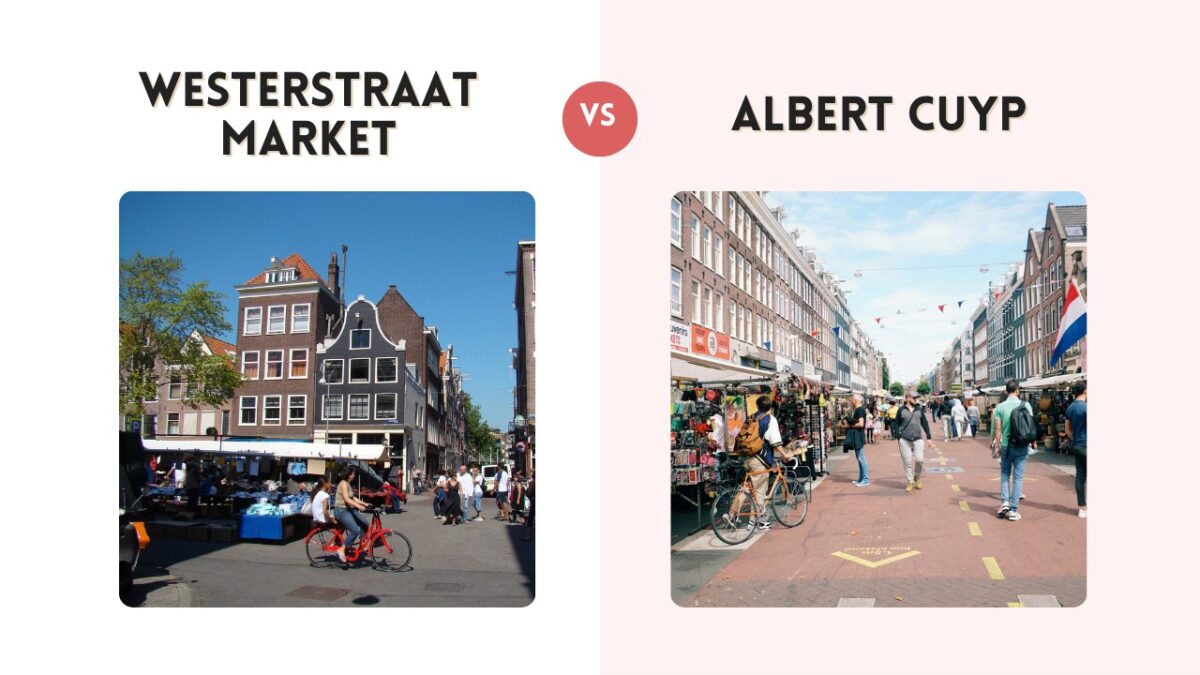
If you’re hunting for vintage clothes in Amsterdam, two markets always come up: Westerstraat’s Monday Lapjesmarkt and the daily Albert Cuyp Market. Both have their charm, but they offer pretty different experiences. If you’re looking for the biggest variety of vintage fabrics and second-hand clothing, Westerstraat is the stronger choice, while Albert Cuyp mixes vintage finds with food and everyday shopping.
At Westerstraat, you’ll spot stalls packed with textiles, old jeans, leather jackets, and the occasional designer piece if you’re lucky. It’s more of a true vintage hunt—you really have to dig for those hidden gems.
Albert Cuyp is a bit of a whirlwind, with vintage bags and second-hand clothes wedged between herring stands and stroopwafel stalls. It’s lively and fun, but not as focused if you’re heading out specifically for clothes.
I’ve lived in Amsterdam for over three years, and honestly, I still swing by both depending on my mood. Westerstraat is perfect when you’re serious about vintage shopping.
Albert Cuyp is more about the mix—vintage plus the city’s best street food all in one place. Either way, you’ll end up with something memorable.
Key Takeaways
- Westerstraat has the most focused vintage clothing and fabric selection
- Albert Cuyp combines vintage finds with food and everyday goods
- Each market gives you a different local shopping experience
Westerstraat Market vs Albert Cuyp Market: Key Differences

If you’re after vintage clothes in Amsterdam, these two markets each bring something unique. One feels more fabric-heavy and focused; the other surrounds you with a lively mix of food, fashion, and street culture. Knowing the differences helps you figure out where to spend your time—and your euros.
Location and Atmosphere

Westerstraat Market sits in the Jordaan, a quieter, residential part of Amsterdam. Locals call it the lapjesmarkt (cloth market) for good reason—it’s all about fabrics, remnants, and sewing supplies. If you like making or tweaking vintage clothes, this place feels like a secret workshop waiting for you.
Albert Cuyp Market, in contrast, stretches along Albert Cuypstraat in De Pijp, one of the city’s liveliest neighborhoods. It’s a buzzing street market where food stalls, souvenirs, and clothing vendors are packed together. You’ll hear music, smell stroopwafels, and bump into tourists and locals nonstop.
Westerstraat feels laid-back and niche. Albert Cuyp? It’s got the full Amsterdam hustle. If you want energy and atmosphere, Albert Cuyp is hard to beat. Prefer a calmer stroll and a vintage focus? Westerstraat’s your spot.
Days and Hours of Operation

Timing is a biggie. Westerstraat Market only happens on Mondays. So if you’re in town midweek or over the weekend, you’ll miss it. But Monday mornings buzz with bargain hunters and fabric fans—it feels like you’re joining an old tradition.
Albert Cuyp Market runs Monday through Saturday. According to The Tourist Checklist, it’s been around since 1905 and goes for about a kilometer. With those steady hours, it’s easy to fit into your plans without rearranging your whole day.
If you’re short on time, Albert Cuyp is more flexible. But if you’re in Amsterdam on a Monday and love fabrics or want a quieter shopping scene, Westerstraat is worth the detour.
Market Size and Layout

Westerstraat Market has about 200 stalls, mostly focused on fabrics, patches, and sewing stuff. It’s compact and easy to get around—not overwhelming if you’re after specific textiles or vintage-style materials. The setup is simple: one long street lined with fabric vendors.
Albert Cuyp Market is actually the biggest street market in the Netherlands. It’s a full kilometer of stalls selling everything from fresh produce and seafood to secondhand clothes and accessories. You’ll spot vintage pieces here, but you’ll have to dig through the mix.
Westerstraat is a focused hunt for fabric. Albert Cuyp is more of a sprawling treasure hunt. If you love browsing endless stalls and don’t mind crowds, Albert Cuyp has more variety. If you want a smaller, fabric-heavy market with a vintage twist, Westerstraat is probably a better fit.
See Related: How to Visit Amsterdam on a Tight Budget: Insider Tips From an American Local to Save Big
Vintage Clothing Selection and Shopping Experience

When you’re looking for vintage clothes in Amsterdam, these two markets stand out for pretty different reasons. One feels like a bustling, everyday shopping spot; the other is more of a neighborhood treasure hunt. Both have their own personality, and knowing what you’re in for helps you make the most of your visit.
Range of Vintage Clothes

At Albert Cuyp Market, vintage is sprinkled in with food stalls, fabric sellers, and daily essentials. You’ll see racks of second-hand jackets, retro jeans, and sometimes a cool leather bag. But vintage isn’t the star—it’s more of a side discovery as you weave through the chaos of spices, cheese, and souvenirs.
Westerstraat Market brings a stronger clothing presence, especially on Mondays when the Lapjesmarkt takes over. The market stretches across Westerstraat and Noordermarkt, with vintage shoes, handbags, dresses, and even fur coats. If you’re serious about finding older garments, you’ll want to spend more time here.
Quick tip: for the widest range of vintage fashion in one go, combine Westerstraat with Noordermarkt nearby. Together, they make a vintage-heavy Monday morning circuit that’s tough to beat.
Quality and Authenticity

Albert Cuyp’s quality is hit or miss. Some stalls have real vintage pieces, but you’ll also find newer clothes made to look old. Always check seams, labels, and fabric before buying. It’s more for casual finds than true treasures.
Westerstraat has a stronger reputation for authenticity. Many sellers here focus on textiles and second-hand fashion, so you’re more likely to find garments with real history—think 70s corduroy, hand-stitched dresses, or sturdy leather boots. You can often chat with sellers who know the backstory of their items.
If you’ve ever been let down by “vintage” shops that just feel like fast fashion in disguise, Westerstraat is a breath of fresh air. You’ll come across fewer mass-produced knockoffs and more genuine, well-kept pieces.
Pricing and Bargains

Prices at Albert Cuyp are usually lower, probably because vintage isn’t the main attraction. You can grab a jacket or jeans for way less than at a boutique. Bargaining is possible, though not always expected, so give it a try if you’re buying a few things.
Westerstraat prices vary. Some stalls have high-quality vintage at fair but slightly higher prices, especially for rare or pristine items. Still, you can snag bargains if you’re willing to dig. Monday mornings are especially good for deals since vendors want to clear stock fast.
If you’re on a budget, Albert Cuyp is great for cheap thrills. But if you’re after authenticity and don’t mind paying a bit extra, Westerstraat—and by extension Lapjesmarkt and Noordermarkt—give you better long-term value. It’s the difference between fast browsing and a proper vintage hunt.
Food, Drinks, and Local Delicacies

When you wander through Amsterdam’s markets, the food is just as tempting as the vintage finds. You’ll spot traditional Dutch bites, international street snacks, and plenty of cozy places to grab coffee or a sweet treat.
Street Food and Snacks
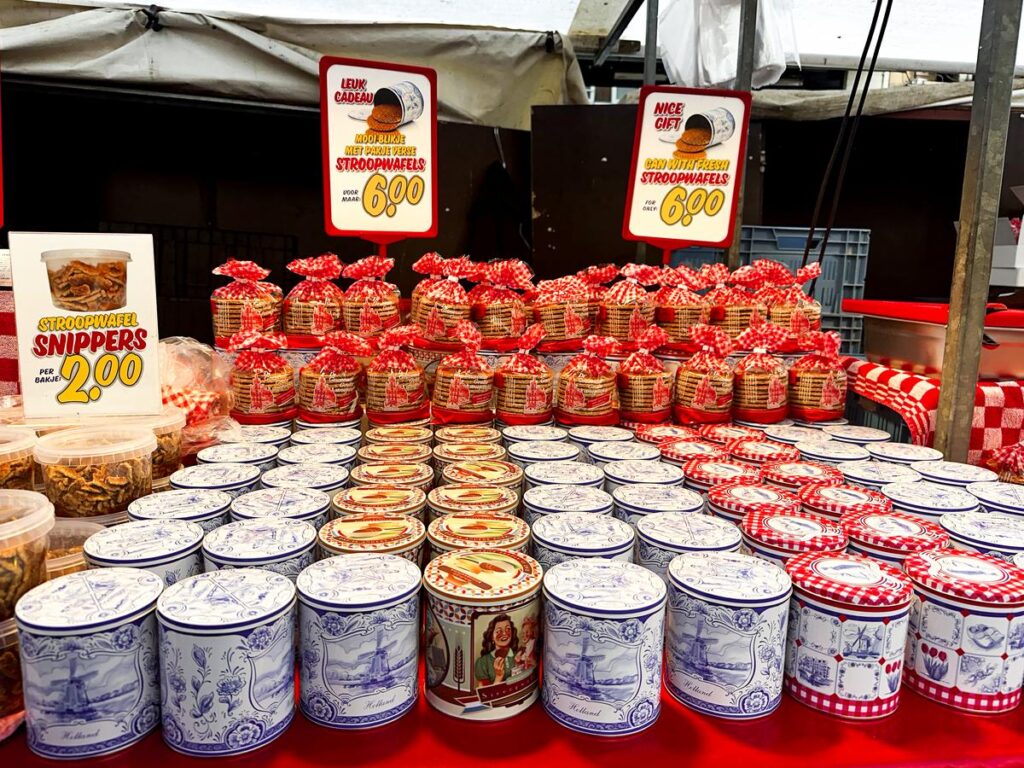
At Albert Cuyp Market, food stalls run the length of the street, and you’ll probably smell the grills before you see them. Vendors serve stroopwafels, fried fish, falafel wraps, and even Surinamese roti. The variety is huge, and it’s easy to grab something quick while you shop.
Westerstraat Market is smaller and focused on textiles, but you’ll still find a few food stalls—maybe poffertjes dusted with powdered sugar or a stand selling fresh bread and cheese to nibble as you browse fabrics.
If you’re hungry and want lots of options, Albert Cuyp wins. But if you’d rather have a quieter snack break, Westerstraat’s simple food offerings feel more relaxed and local.
Dutch Specialties to Try
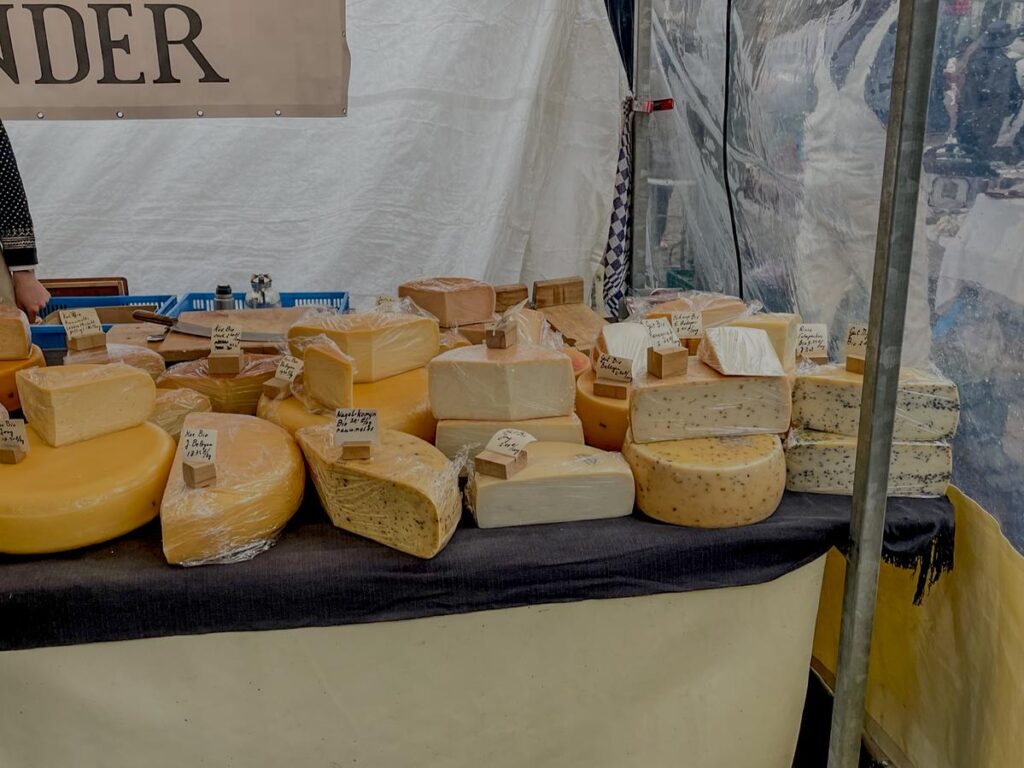
You can’t visit these markets without sampling a few Dutch classics. At Albert Cuyp, the herring stands stand out—locals eat it raw with onions and pickles. It’s not for everyone, but hey, it’s a tradition worth trying.
Cheese is another must. Stalls sell wedges of Gouda, Edam, and even cumin-flavored Leyden. Many sellers let you sample before you buy, which is half the fun.
For sweets, stroopwafels are the star—freshly pressed, warm, and gooey in the middle, nothing like the packaged versions at the airport. Poffertjes—tiny pancakes with butter and sugar—are another treat you’ll often see at Westerstraat on Mondays.
Coffee and Refreshments

After browsing stalls, you’ll probably want a drink and a seat. Around Albert Cuyp, cafés spill onto De Pijp’s sidewalks. You can grab a cappuccino, fresh mint tea, or even a cold beer if you’re done shopping. It’s lively, and there’s always people-watching to do.
Westerstraat’s in the Jordaan, where cafés feel more intimate—think small brown cafés serving strong Dutch coffee or a slice of apple pie with whipped cream. It’s less about rushing, more about lingering.
If you want energy and buzz, Albert Cuyp’s café scene delivers. But if slow sips among locals sound better, Westerstraat’s Jordaan cafés give you that cozy, neighborhood feel.
See Related: Secret Spots in Amsterdam for Breathtaking Photography
Beyond Vintage: Other Finds and Unique Offerings

Both Westerstraat Market and Albert Cuyp have way more than racks of vintage clothes. You’ll stumble across souvenirs, tasty local snacks, and everyday bargains that make each visit feel like a small adventure.
Souvenirs and Gifts

If you’re hunting for something to bring home, Albert Cuyp’s got you covered. Stalls line the street with Dutch classics: Delft-style ceramics, cheese-shaped magnets, and clogs (definitely more for your shelf than your feet). Yes, it’s touristy, but sometimes you just want a no-fuss gift you can toss in your suitcase.
Westerstraat Market feels different—more personal, less mass-produced. You’ll spot handmade jewelry, small-batch bags, and quirky home goods. I once snagged a hand-painted tile here for less than a coffee in the city center. It’s still hanging in my hallway, and honestly, it feels like a one-off find.
Here’s a quick breakdown of what you can expect:
| Market | Souvenir Style | Price Range | Best For |
|---|---|---|---|
| Albert Cuyp | Tourist-friendly trinkets, Dutch icons | Low–mid | Easy gifts, quick buys |
| Westerstraat | Handmade, small-batch crafts | Mid | Unique keepsakes, personal items |
Need something light and practical? Albert Cuyp makes sense. If you want a gift with a backstory, give Westerstraat some time.
Fresh Produce and Local Goods

Albert Cuyp’s food stalls are almost legendary. You can grab fresh herring, warm stroopwafels, or a bag of fruit for a few euros. It’s noisy, a bit chaotic, but that’s half the charm. Locals shop here for groceries, squeezing past tourists and regulars alike.
Westerstraat is much calmer. The produce often comes from smaller farms, and you can taste the difference. Seasonal veggies, fresh flowers, homemade jams—every stall feels a bit more considered. It’s less about quick snacks, more about filling your basket with things you actually want to eat later.
If you’re chasing bargains, Albert Cuyp usually wins on price and variety. But for freshness and a bit of charm, Westerstraat holds its own. There’s just something about chatting with the farmer who grew your apples—it makes dinner feel different, right?
For more on what Albert Cuyp offers besides food, try this guide to Amsterdam markets. And if you like the idea of vintage finds alongside everyday goods, the Amsterdam street markets overview is a solid place to start.
Nearby Markets and Alternative Vintage Hotspots

Amsterdam’s packed with markets for vintage clothes, antiques, and all sorts of oddball treasures. Each area has its own vibe, from historic squares brimming with antiques to lively food markets where you might stumble on secondhand fashion.
Noordermarkt and Boerenmarkt

If you’re after history and a good atmosphere, check out Noordermarkt in the Jordaan. This square’s been a marketplace since the 17th century. These days, it’s a favorite for vintage clothing, antiques, and collectibles. Mondays bring racks of secondhand clothes, old books, and sometimes rare prints.
On Saturdays, the Boerenmarkt (organic farmer’s market) takes over part of the square. You can shop for fresh bread, Dutch cheeses, and seasonal produce, all while browsing vintage stalls nearby.
It feels local. Amsterdammers come for groceries while bargain hunters dig through jackets and jewelry. Go early if you want to avoid the crowds.
Dappermarkt and Ten Katemarkt

Over in the east, Dappermarkt stands out as one of Amsterdam’s most multicultural markets. It’s not strictly vintage, but you’ll find affordable secondhand clothes mixed in with fabrics, shoes, and home goods. Prices here are usually lower than in the city center, so it’s good for budget shoppers.
In Oud-West, Ten Katemarkt is smaller but just as lively. It’s less touristy than Albert Cuyp and has a real neighborhood vibe. There’s fresh produce, plus racks of secondhand fashion and little household finds.
Neither market focuses solely on vintage, but both are worth a wander if you enjoy mixing daily Amsterdam life with the thrill of a surprise clothing find.
Amsterdam Flower Market and Rembrandt Art Market

The Amsterdam Flower Market (Bloemenmarkt) is iconic. Floating on the Singel canal, you’ll mostly see tulips, bulbs, and souvenirs. No vintage fashion here, but it’s such a classic Amsterdam spot that it’s hard not to mention.
Not far away, there’s the Rembrandt Art Market on Sundays at Rembrandtplein. This one’s about creativity—local artists sell paintings, prints, and handmade crafts. If you want something artistic to go with your vintage wardrobe, it’s a fun stop.
It’s quieter than the bigger markets, and you get to meet the artists themselves. That personal touch makes a difference.
Spui Book Market

Every Friday, the Spui Book Market turns a small square into a haven for book lovers. It’s not about clothes, but it’s a great spot for vintage books, maps, and prints—perfect if you’re into history or style.
Dealers come from all over the Netherlands, bringing rare finds, old photos, and antique prints. Sometimes you’ll even spot old-fashioned magazines or design books.
It moves at a slower pace than Albert Cuyp or Westerstraat, but that’s the appeal. You can linger, flip through stacks of books, and enjoy a bit of calm right in the city center.
See Related: Amsterdam Travel Tips: Discover Hidden Gems and Local Secrets
Frequently Asked Questions

Amsterdam’s street markets are lively, but not all of them shine when it comes to vintage clothing. Some lean hard on food and souvenirs, while others give you a real shot at uncovering secondhand gems.
Where can I find the best vintage clothing at Amsterdam markets?
If vintage is your main goal, hit the Westerstraat Market on Monday mornings. Locals know it as the place for secondhand coats, shoes, and those one-off fashion steals.
The Albert Cuyp Market is famous for food, and while you’ll find a few clothing stalls, it’s not really the vintage spot. Most of the clothes are new, mixed in with souvenirs and snacks.
What are the opening times for the Albert Cuyp Market for vintage shopping?
The Albert Cuyp Market runs Monday through Saturday from 9:30 AM to 5:00 PM. That gives you plenty of time to wander, snack, and maybe stumble onto a clothing stall.
If you’re serious about vintage, plan for Westerstraat’s shorter hours—it’s only open Monday mornings until 1:00 PM.
How does the Westerstraat Market compare to Albert Cuyp for vintage finds?
Westerstraat is smaller and more focused. You’ll spot racks of leather jackets, denim, and sometimes designer pieces at fair prices.
Albert Cuyp? It’s more about the atmosphere and food. You’ll probably spend more time with a stroopwafel than digging for vintage treasures.
What are some tips for shopping for vintage clothes at Amsterdam street markets?
Bring cash, even though lots of stalls now take cards. Some of the best deals still happen at stands that only want coins and notes.
Arrive early, especially at Westerstraat. The good stuff disappears fast—sometimes in the first hour. And don’t be shy about haggling (politely, of course). Vendors expect it, and you might save a few euros.
Which Amsterdam market is the largest for vintage clothing options?
The IJ-Hallen Flea Market definitely takes the crown. Held once a month at NDSM Wharf, this place packs in over 700 stalls—yeah, it’s massive. You’ll stumble across racks of vintage clothes, quirky furniture, and honestly, some things you probably didn’t even know you wanted.
Unlike Westerstraat or Albert Cuyp, IJ-Hallen does charge a small entrance fee. Still, with so much vintage to dig through, it’s hard not to think it’s worth it. If you want to plan, check the dates on the IJ-Hallen website.