Trying to pick between Kinderdijk and Zaanse Schans? Yeah, it’s a bit of a challenge—especially if you’re tight on time in the Netherlands. Both spots show off those classic Dutch windmills, but honestly, the vibe at each is pretty different.
If you’re after straight-up history in a natural setting, Kinderdijk is the clear winner. Zaanse Schans, though, is way more tourist-friendly, with extras like museums, cheese-making, and clog workshops.
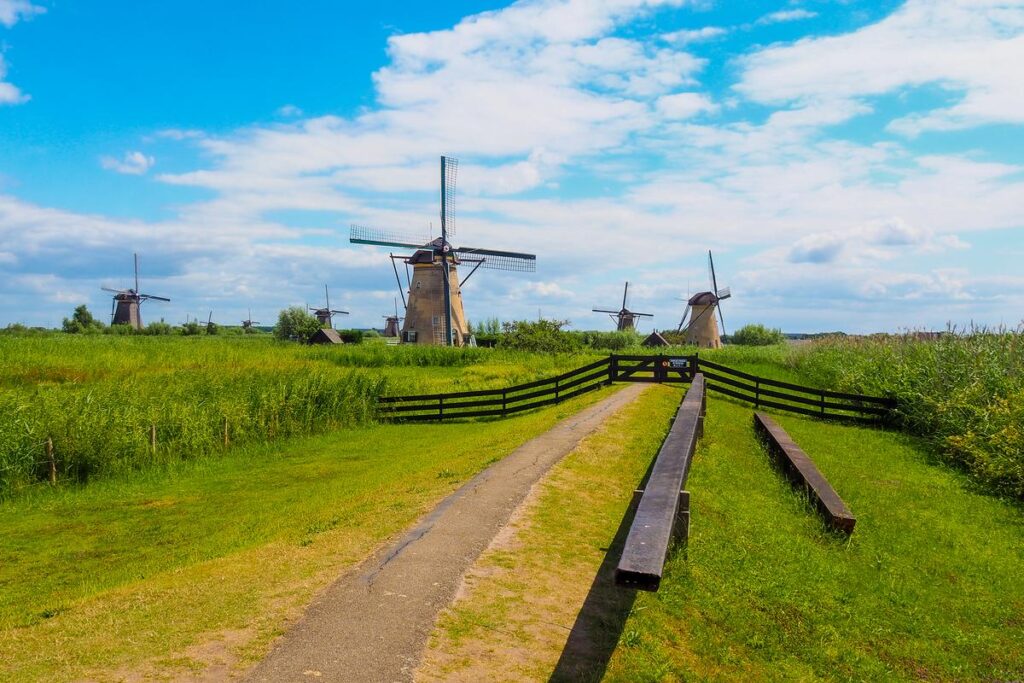
At Kinderdijk, you can walk or cycle past 19 original windmills, all still standing in their historic spots. The place is a UNESCO World Heritage site, and it just feels quieter and more real—less of that commercial buzz.
Zaanse Schans sits right outside Amsterdam, so it’s a breeze to reach by train. Are there windmills there? They were moved to create an open-air museum, so it’s busier, but perfect if you’re based in Amsterdam and want an easy trip.
I’ve lived in Amsterdam for over three years now, and I’ve checked out both spots more than once. If you want a peaceful afternoon, surrounded by Dutch engineering history, Kinderdijk’s your place. But if you’re after a half-day jam-packed with activities, Zaanse Schans is the move.
Key Takeaways
- Kinderdijk nails the authentic, historic windmill vibe.
- Zaanse Schans is easier to get to and has more to do in one spot.
- Your pick depends on whether you’re chasing convenience or authenticity.
Key Differences Between Kinderdijk and Zaanse Schans
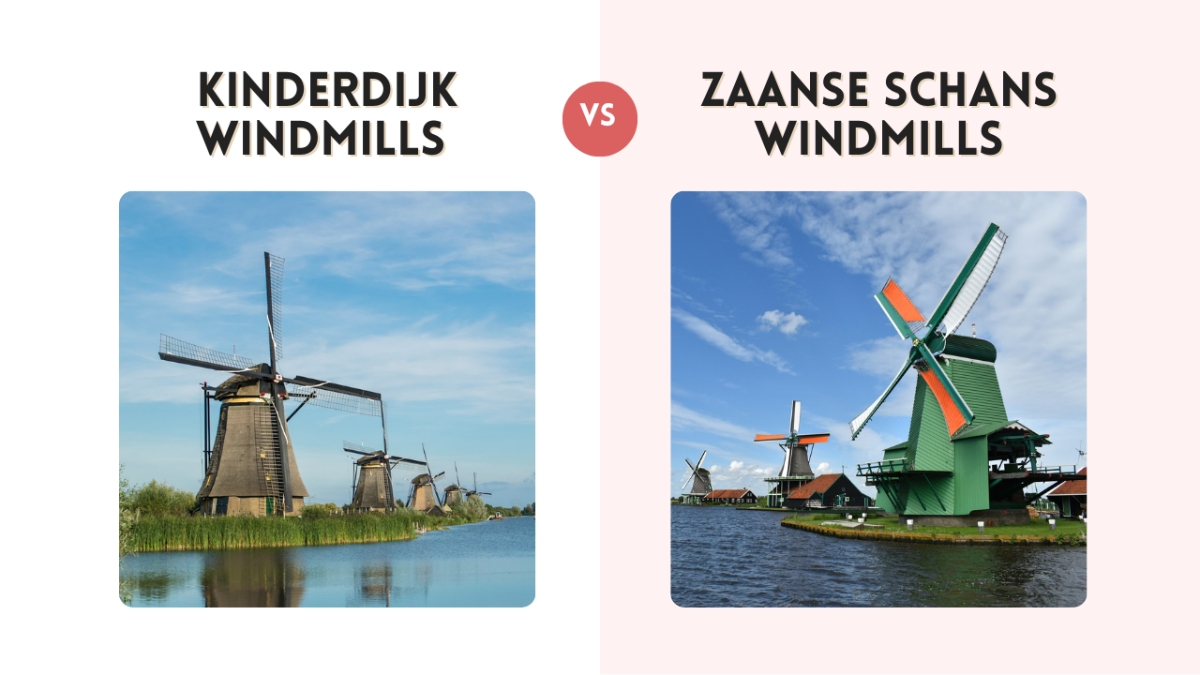
Stacking these two windmill hotspots side by side, you’ll spot some real contrasts. One leans into pure history and open landscapes, while the other mixes heritage with shops, museums, and a bit more bustle.
Number and Types of Windmills
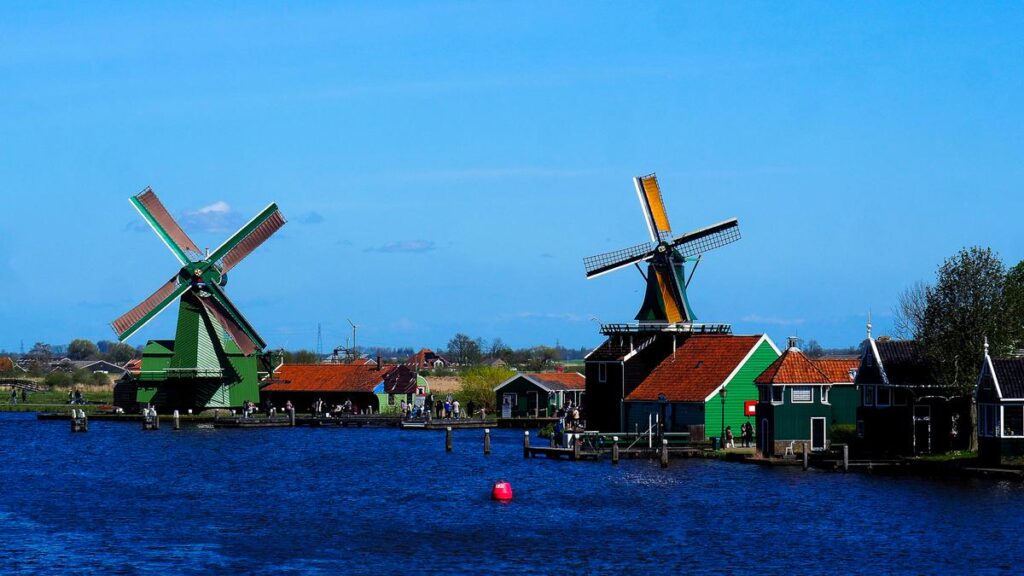
At Kinderdijk, you’ll see 19 windmills, all built in the 1700s. Every single one was used for water management, pumping away excess water from the polders. They line the canals, and honestly, the view is something else.
Zaanse Schans has fewer windmills—about five, you can actually go inside. But here’s where it gets interesting: they’re not just water mills.
You get sawmills, oil mills, spice mills, and grain mills. The mix really shows how wind power powers Dutch industry.
| Site | Number of Windmills | Types of Windmills |
|---|---|---|
| Kinderdijk | 19 | Water management only |
| Zaanse Schans | 5 (visit-ready) | Sawing, grinding, oil, etc. |
Authenticity and Historical Significance
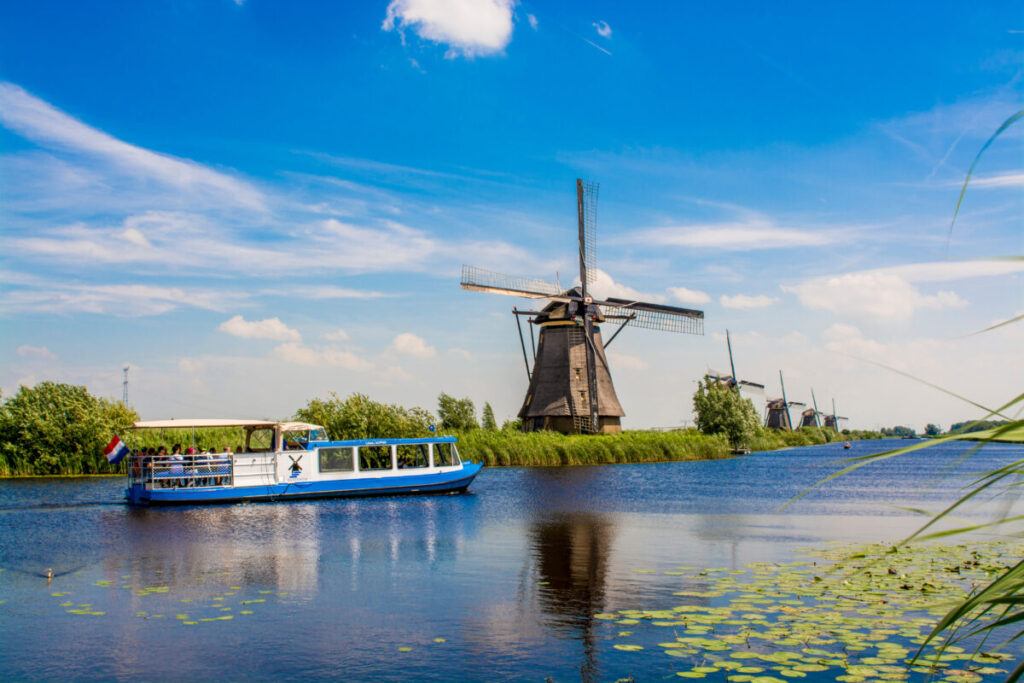
Kinderdijk stands as a UNESCO World Heritage Site, and it feels like you’re stepping right into a history book. The mills haven’t moved an inch since they were built centuries ago. Some even still have families living in them, which just adds to the authenticity.
Zaanse Schans is authentic in its own way, but it’s more of a recreated village. They set it up in the 1960s to save traditional Zaan region buildings and windmills. Some mills came from other places, so it feels a bit curated—almost like a walk-through museum.
Visitor Experience
Your day out will feel totally different at each spot. Kinderdijk is quiet, spread out, and surrounded by green fields and water.
You can walk or bike the dikes, hop on a boat, and just soak in the calm. If you’re into the outdoors and don’t need a bunch of distractions, this is your place.
Zaanse Schans is super accessible, especially if you’re staying in Amsterdam. It’s just a quick train away.
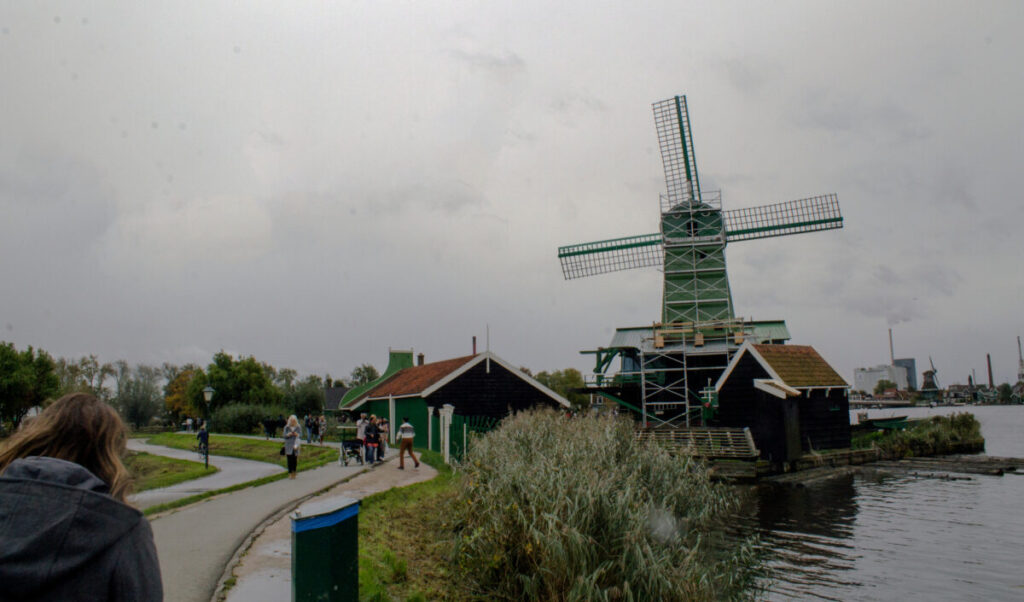
Once you’re there, you’ll find windmills, museums, cheese shops, and even wooden clog workshops. It gets crowded, but it’s also family-friendly with lots of indoor stops.
Kinderdijk gives you space and authenticity. Zaanse Schans is all about convenience and variety.
Both are worth a visit, but your pick really comes down to your travel style. Want more details on accessibility and activities? There’s a handy comparison here: Kinderdijk and Zaanse Schans.
See Related: Insider Secrets for Exploring Amsterdam on a Shoestring: Your Ultimate Budget-Friendly Guide
Kinderdijk Windmills Overview
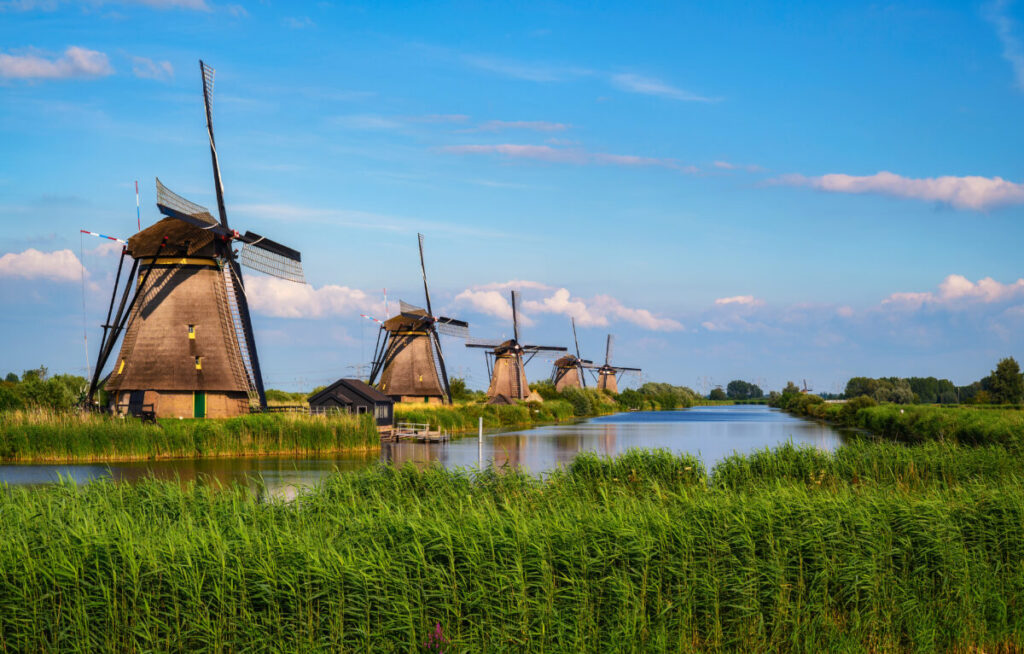
Stepping into Kinderdijk feels like walking into a landscape where engineering and tradition have always gone hand in hand. You’ll spot windmills in their original spots, a web of waterways, and a living slice of Dutch history showing how folks kept their land dry for centuries.
UNESCO World Heritage Status
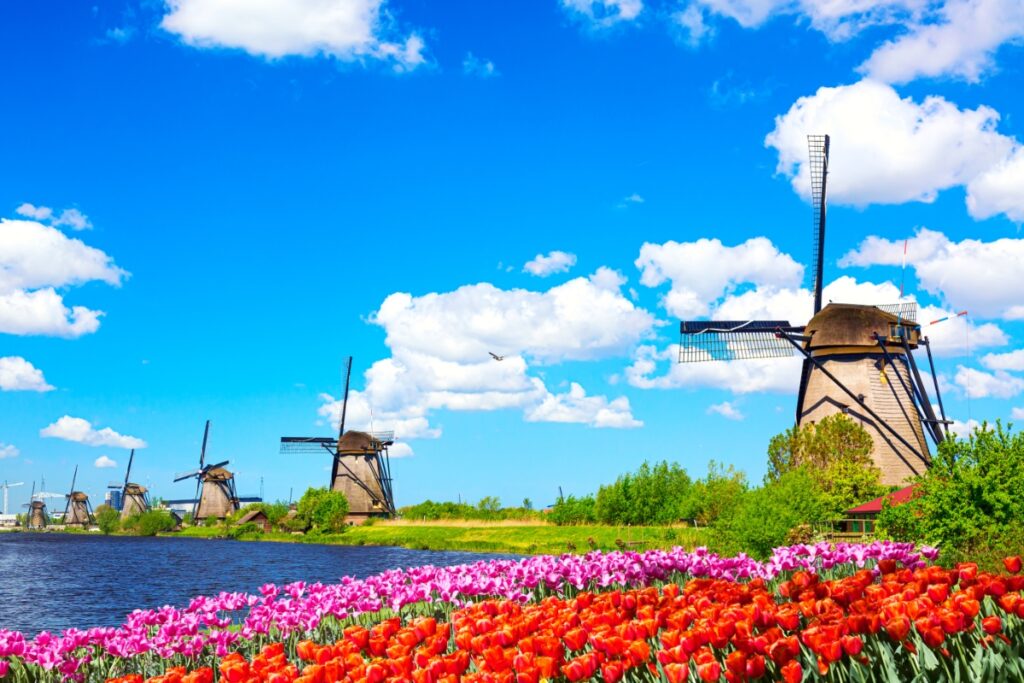
Kinderdijk isn’t just another pretty spot—it’s got UNESCO status for a reason. The site got this recognition in 1997, mainly because it shows off centuries of Dutch water management smarts.
Unlike Zaanse Schans, where they moved a lot of mills, Kinderdijk’s 19 windmills are still exactly where they were built in the 1700s. That’s a big reason UNESCO stepped in to protect it.
There are two main rows: the Nederwaard mills, made of brick, and the Overwaard, built from thatched wood. There’s also the little Blokweer mill from 1630, which adds a whole extra layer of history.
Being a UNESCO site means stricter rules, too. The families living in the mills have to keep them up and running a certain number of days each year. That’s why it feels more like a real community than a museum.
Landscape and Setting
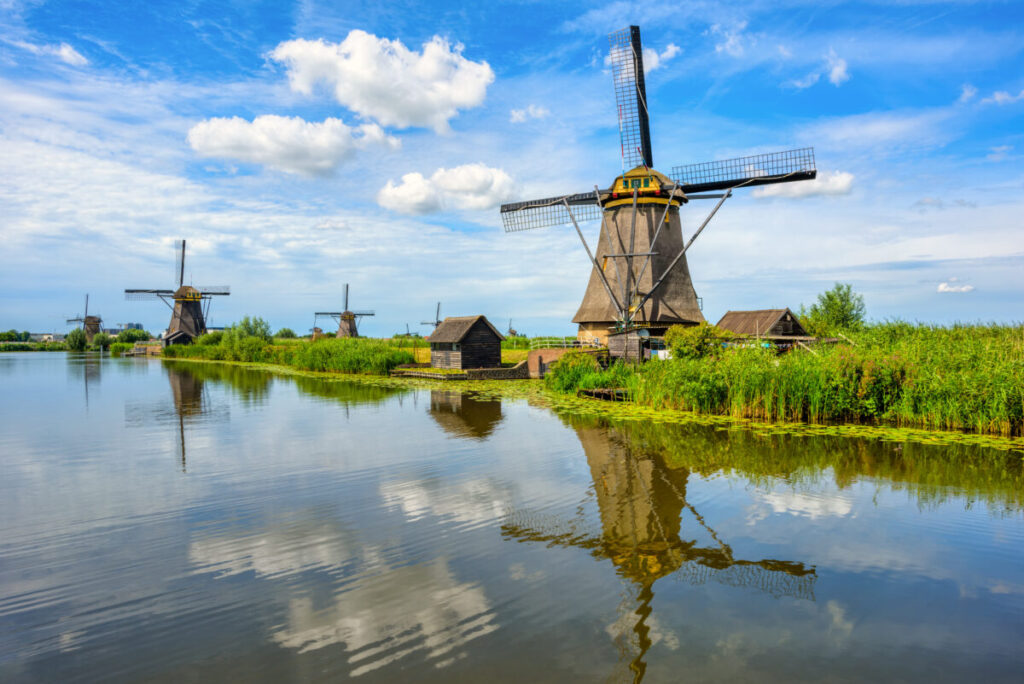
The first thing that hits you? How spread out it all is. The mills line the waterways, with big open fields in between.
There are tons of spaces to walk, cycle, or even take a boat ride. The canal views are honestly stunning.
Kinderdijk sits in the Alblasserwaard polder, land the Dutch clawed back from the sea. The flat, green landscape, sliced by canals, really shows how they reshaped their world.
Compared to Zaanse Schans’ compact setup, Kinderdijk feels more wild and natural. Don’t expect a bunch of souvenir stands—here, it’s long walking paths, quiet corners, and endless photo ops without much modern clutter.
If you’re into biking, this is your playground. Renting a bike lets you see the windmills from all angles. Just a heads up: it can get windy, so bring a jacket!
Windmill Operations and Water Management
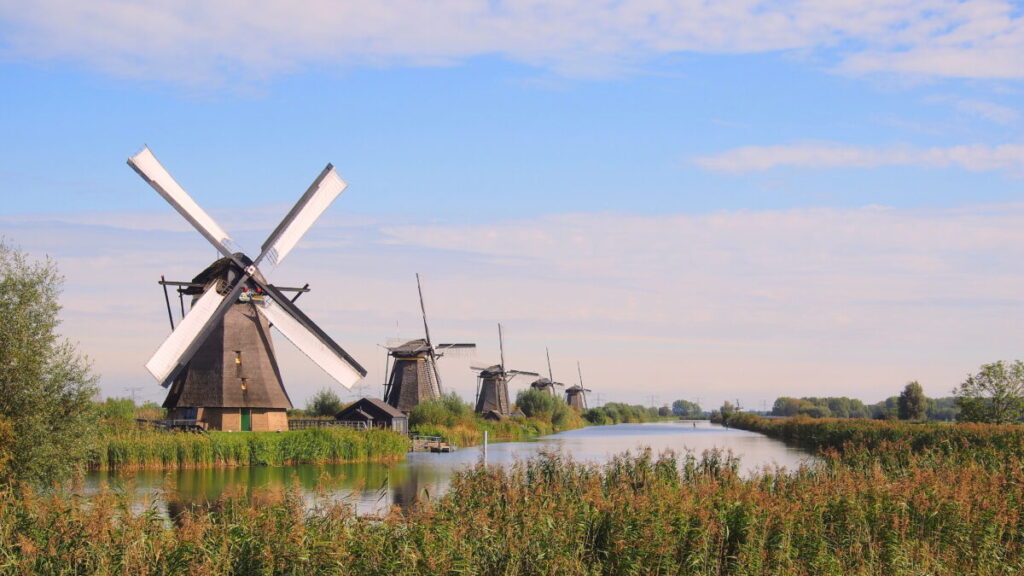
The Kinderdijk windmills weren’t built for grinding grain or spices—they were all about pumping water. Each one lifted water from the low fields up into higher canals, keeping the land dry. Without them, the whole area would’ve been underwater.
Modern pumping stations do most of the work now, but the windmills still work. When the wind picks up, you might catch the sails turning, and on special days, they’ll even help move water.
Step inside a museum mill and you’ll see how miller families lived and worked. One mill shows a cramped home for a family with 13 kids. Another lets you check out the old scoop wheel system in action.
That focus on water management is what really sets Kinderdijk apart from Zaanse Schans, where mills sawed wood or ground mustard. At Kinderdijk, every single windmill is part of the same epic battle—keeping the land dry.
Zaanse Schans Windmills Overview
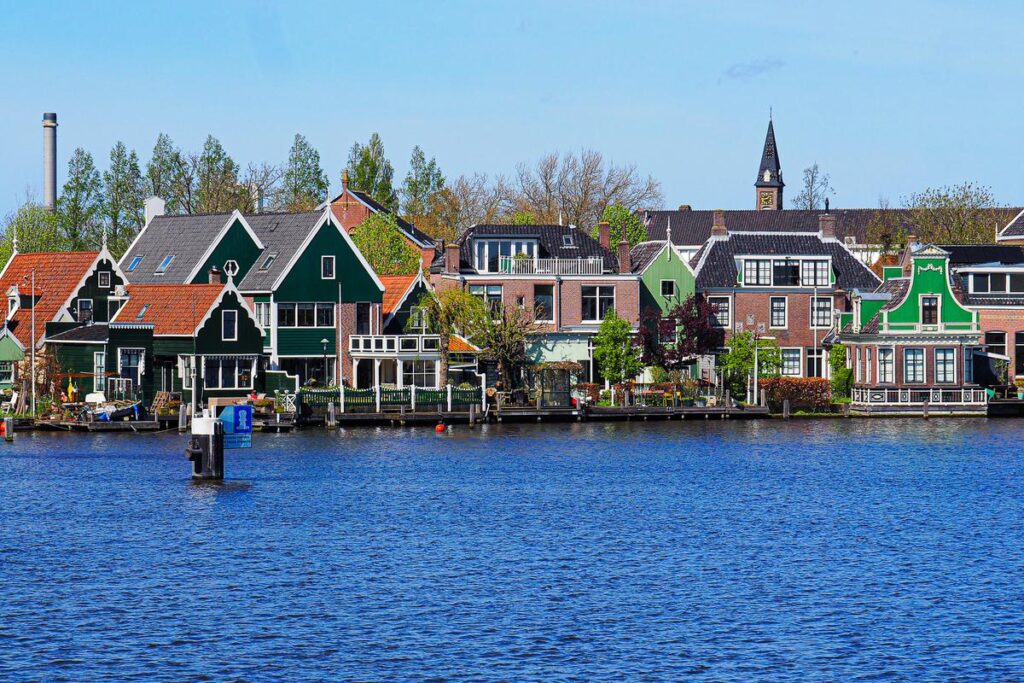
Visiting Zaanse Schans is a whole different thing. It’s a place where history meets hands-on experiences. You’ll get working windmills, traditional crafts, and a village vibe just north of Amsterdam.
Open-Air Museum Atmosphere
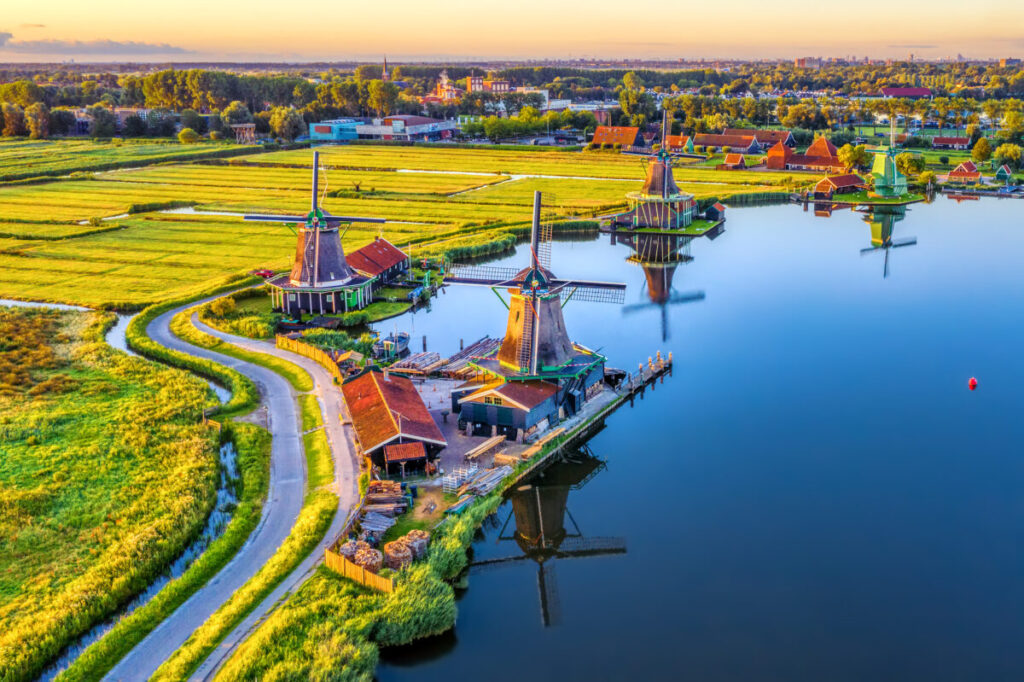
Zaanse Schans isn’t boxed up behind museum walls. It’s an open-air site where you can wander among historic buildings. They created the area in the 1960s, moving wooden houses, barns, and windmills from the Zaan region to save them from being demolished.
Stroll along cobbled paths, cross little bridges, and watch the river Zaan roll by. While Kinderdijk is all about water management, Zaanse Schans leans into daily life and industry.
Entry’s free, and you can easily spend hours poking around. But heads up, it does get crowded—especially when the tour buses roll in. If you want some peace, go early or later in the day.
Working Windmills and Crafts
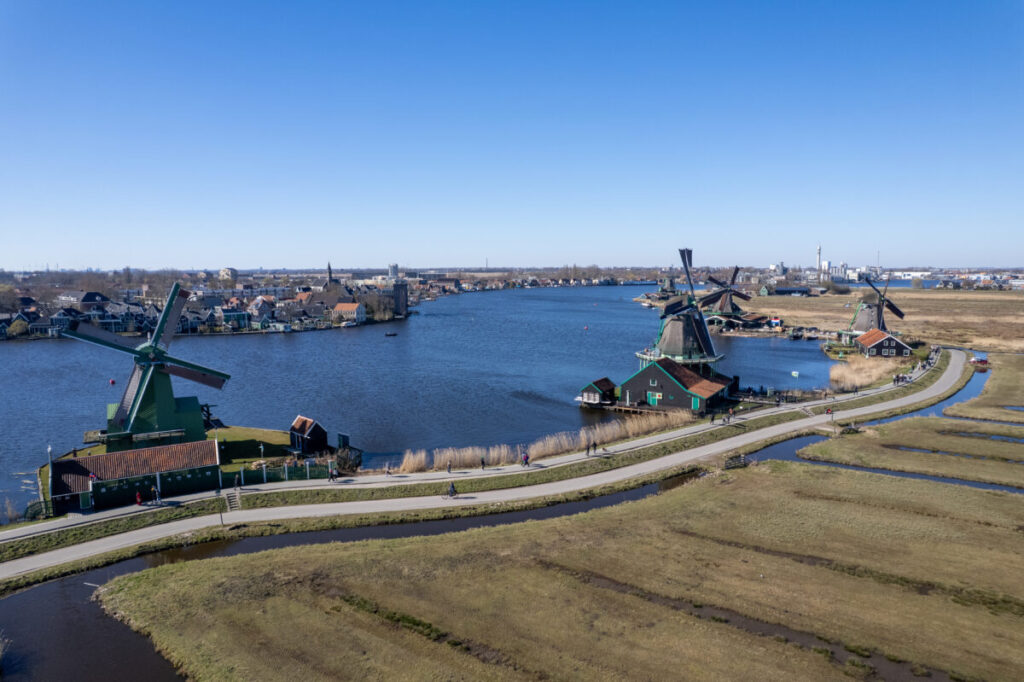
The windmills here aren’t just set pieces. Some still grind spices, press oil, or saw wood—just like they did back in the day. For a small fee, you can step inside and see the machinery clanking away.
One of my favorite moments? Walking into a spice mill and getting hit with the smell of cinnamon and cloves.
It’s the kind of thing you remember. You’ll also spot mills making paint pigments, which once went to artists like Rembrandt.
Beyond the windmills, you can check out clog-making demos or see cheese made the old-school way. Sure, shops sell these things, but you don’t have to buy to enjoy watching. It’s genuinely fun seeing crafts that used to be everyday jobs.
Village Architecture
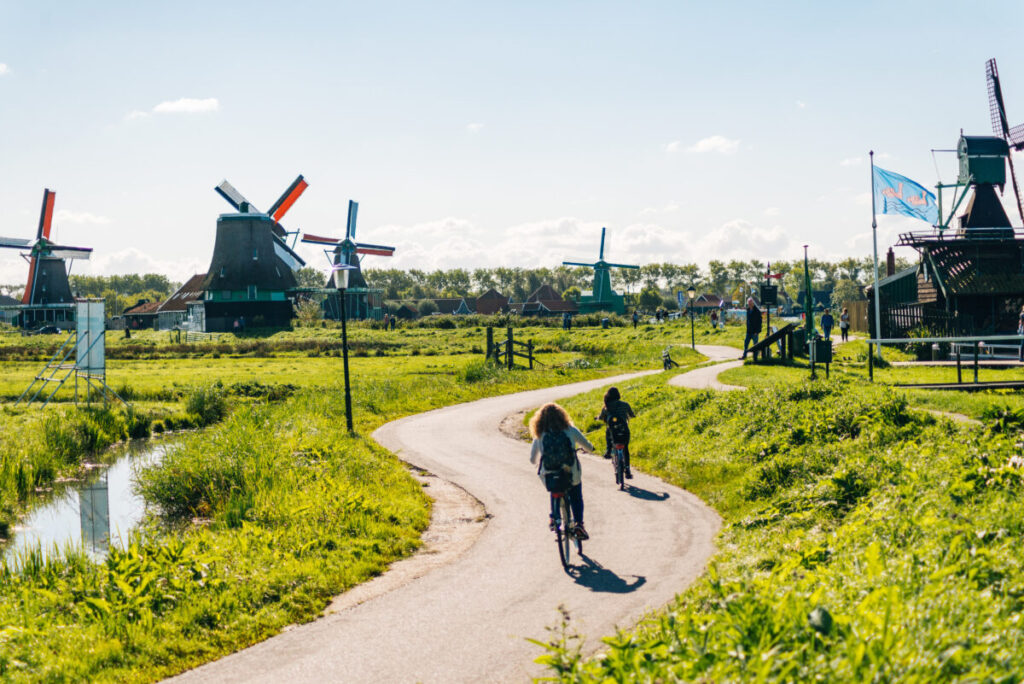
The houses at Zaanse Schans really pop, painted in that classic green-and-white style. They give the village a cozy, storybook feel. Many of these homes date back to the 17th and 18th centuries, before being moved here.
Some buildings have become museums, like the Albert Heijn Museum about the famous supermarket chain. Others are bakeries, workshops, or gift shops. You can peek inside and see how people lived and worked back then.
Walking through the village feels like time travel, but it’s not just a show—locals still live and work here. That mix of history and real life makes Zaanse Schans more than just a tourist stop; it’s a living neighborhood with deep Dutch roots.
Curious about what else you’ll find? The Zaanse Schans windmills get compared with Kinderdijk all the time, but the experiences really are worlds apart.
Accessibility and Location Comparison
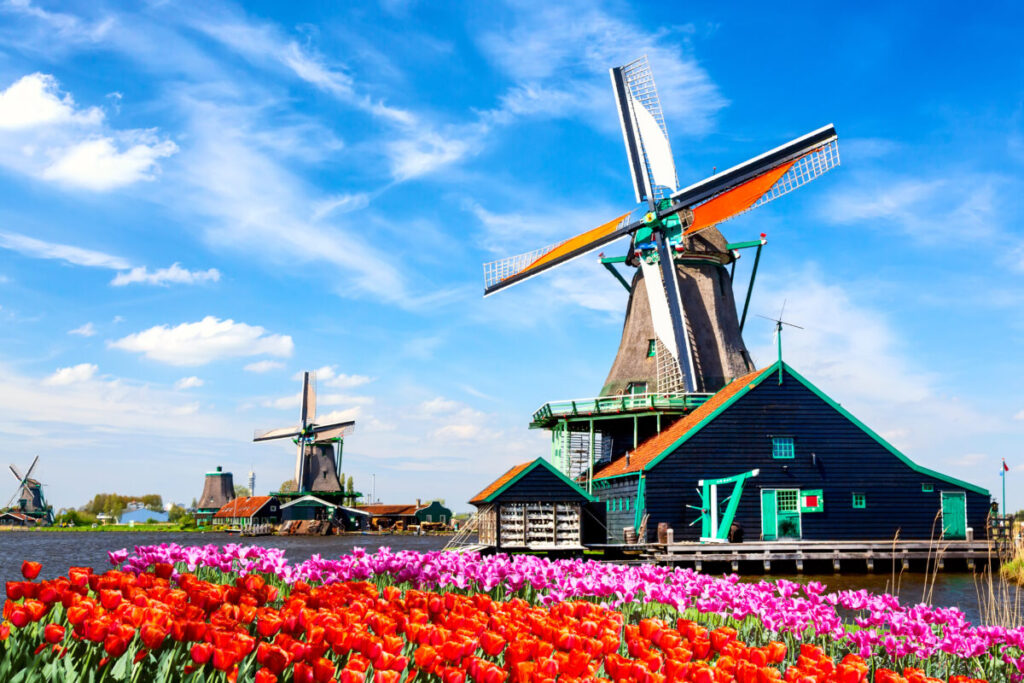
Planning your trip? The biggest thing is usually how far you’ll need to go and how easy it is to get there without losing your mind. Both windmill sites are worth seeing, but convenience can tip the scales.
Proximity to Amsterdam
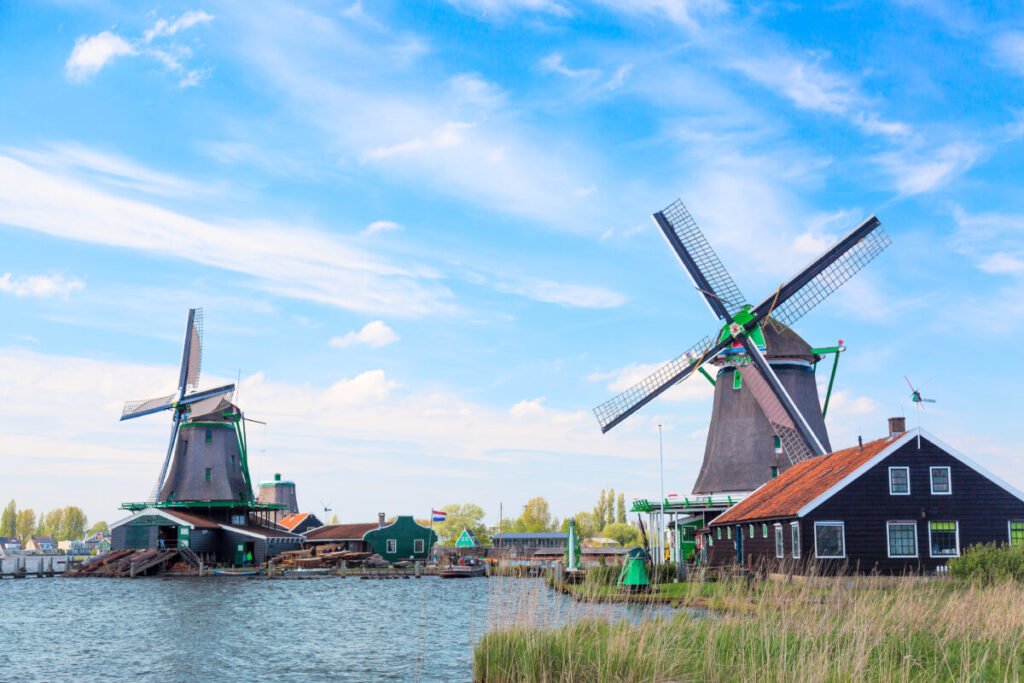
If you’re staying in Amsterdam, Zaanse Schans wins on location. It sits only about 20 kilometers north, so you can get there in roughly 30 minutes by car or train. Honestly, it feels like a quick day trip rather than a full excursion.
Kinderdijk, on the other hand, is much further south. It’s close to Rotterdam, about an hour’s drive away, but from Amsterdam, you’re looking at closer to two hours by car.
That’s fine if you’ve rented a car and want to make a day of it. But it’s not exactly a “pop over after breakfast” type of outing, unless you’re the ambitious sort.
Here’s a quick comparison:
| Site | Distance from Amsterdam | Drive Time | Closest Major City |
|---|---|---|---|
| Zaanse Schans | ~20 km | ~30 min | Amsterdam |
| Kinderdijk | ~100 km | ~2 hrs | Rotterdam |
If time is tight, Zaanse Schans is the easier choice. But if you’re already planning to explore Rotterdam, Kinderdijk fits in nicely.
Public Transport Options
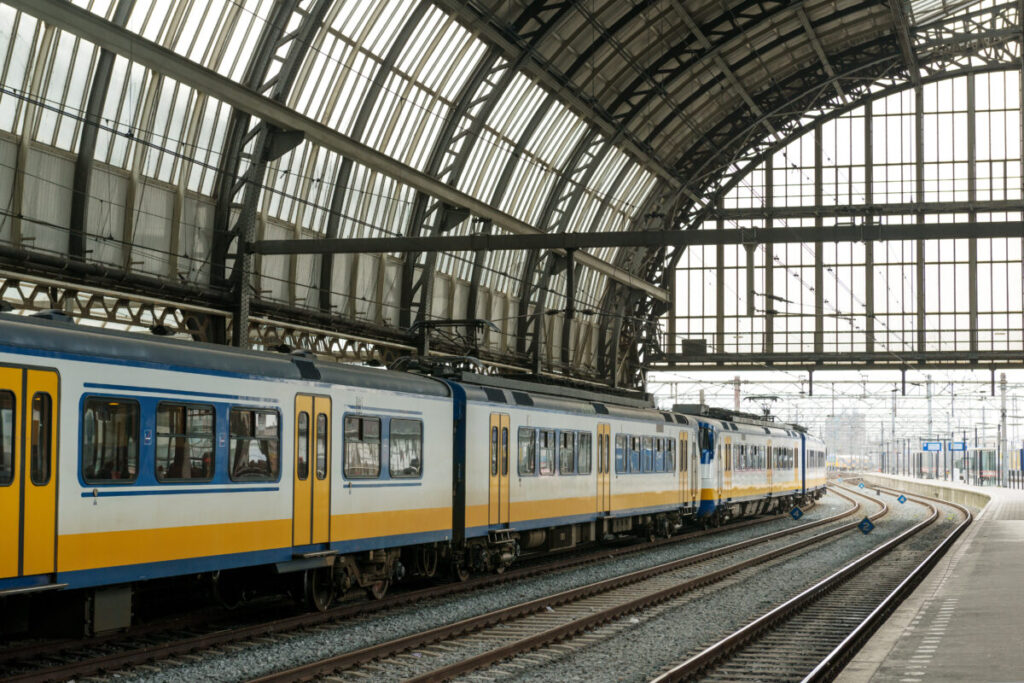
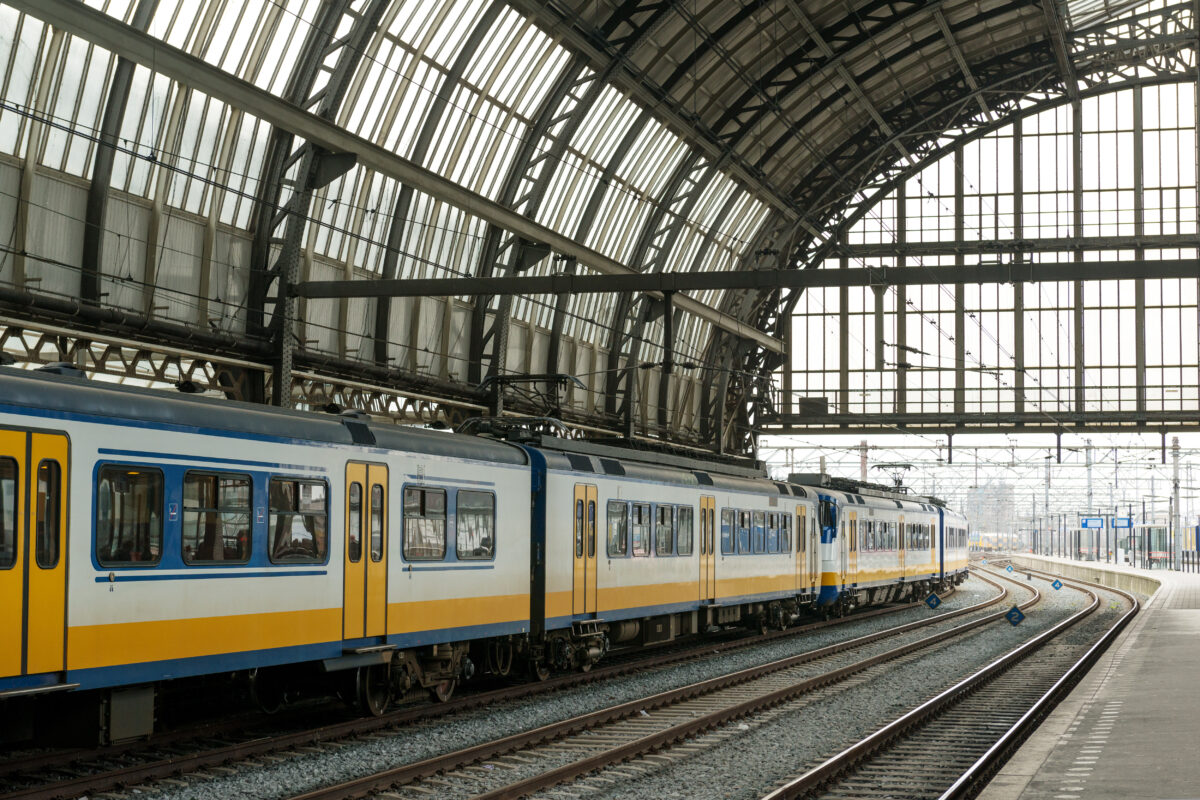
Public transport is where the difference really shows. To reach Zaanse Schans, you can hop on a direct train from Amsterdam Centraal to Zaandijk-Zaanse Schans station.
The ride takes about 17 minutes, and from there it’s a short walk to the windmills. Buses also run regularly, so you’ve got multiple options.
Kinderdijk is more complicated. There’s no direct train from Amsterdam.
You’ll usually need to travel to Rotterdam first, then switch to a metro or bus. In summer, the Waterbus from Erasmusbrug in Rotterdam is a fun option, and you can even combine it with a ferry ride at Ridderkerk, but it does take extra time and planning.
If you’re traveling with kids or don’t want to juggle connections, Zaanse Schans is far more stress-free. But if you enjoy a bit of adventure and don’t mind the longer route, the boat ride to Kinderdijk adds a scenic twist you won’t forget.
For details on routes and connections, check the Kinderdijk travel guide or the Zaanse Schans visitor info.
See Related: Unusual Ways to Explore Amsterdam
Best Activities and Experiences
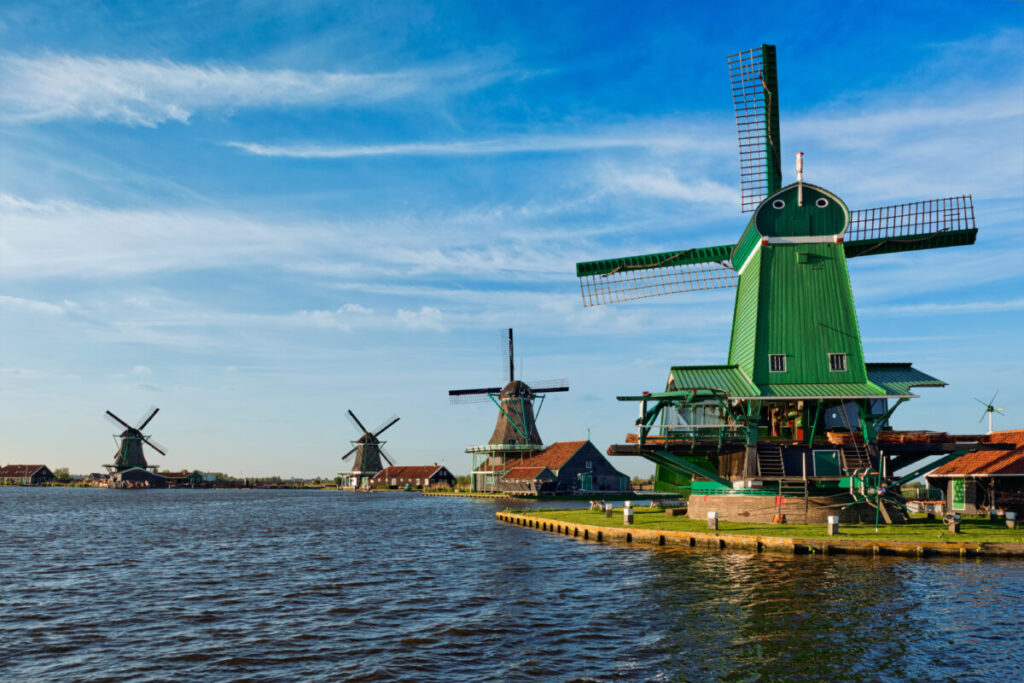
Both Kinderdijk and Zaanse Schans give you more than just pretty windmills to look at. You’ll find guided tours, hands-on workshops, scenic cycling paths, and family-friendly spots that make each place worth a visit in its own way.
Guided Tours and Demonstrations
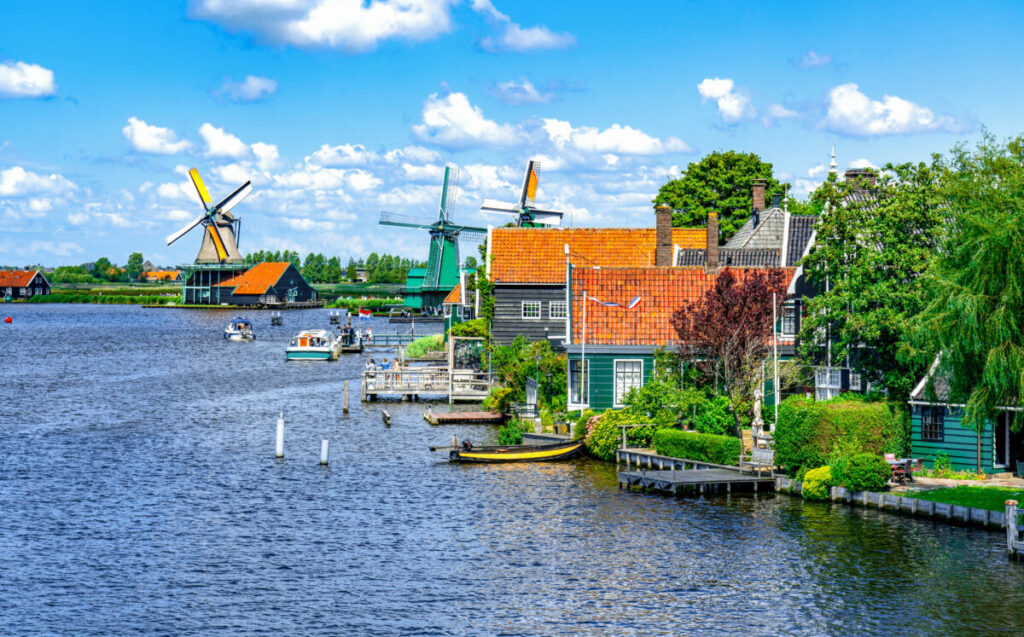
At Kinderdijk, you can join guided tours that explain how the windmills were built to manage water levels. Since it’s a UNESCO World Heritage Site, the focus is on history and engineering.
You’ll see how the Dutch kept their land dry for centuries, and you can even step inside a couple of the windmills still in use. It’s wild to think about how much work went into taming all that water.
Zaanse Schans leans more toward interactive experiences. You can watch clog-making demonstrations, see cheese prepared in traditional ways, and even peek into small museums dedicated to Dutch crafts.
Many of the windmills here are still operational, so you might catch one grinding spices or sawing wood. The whole place smells amazing if you time it right.
Cycling and Walking Routes
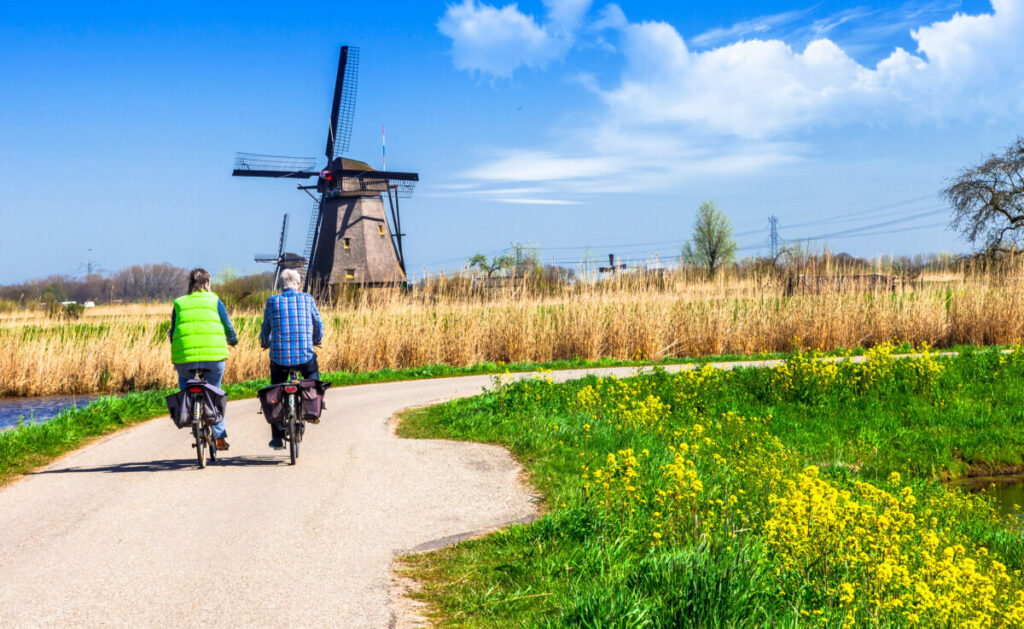
Kinderdijk is perfect if you enjoy long walks or bike rides. The 19 windmills line up along canals, and the paths are flat and open, making it easy to cover distance without much effort.
It feels peaceful, especially in the morning or late afternoon when the crowds thin out. Cycling here is possible, but it can get tricky during peak hours when walkers and bikers share the same paths.
Still, the views are worth it—especially if you stop for photos along the dikes. Zaanse Schans is more compact.
You can walk around the entire area in under an hour, though you’ll likely spend more time popping into shops or museums. Cycling is also an option, and you can even connect your ride to nearby villages for a longer route.
Family-Friendly Attractions
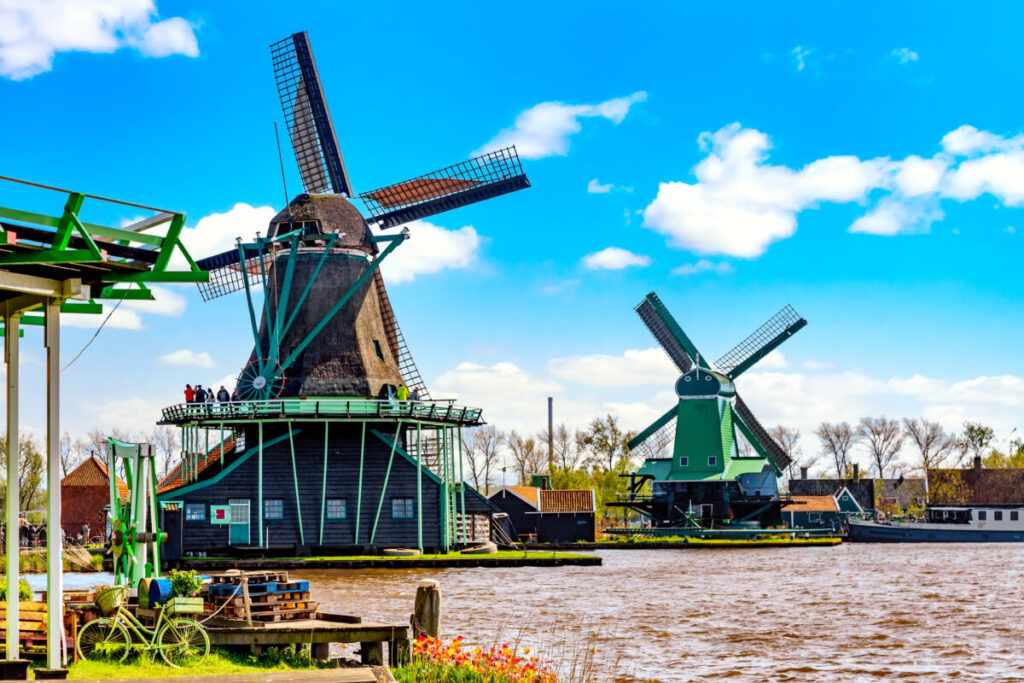
If you’re traveling with kids, Zaanse Schans is usually the better choice. The cheese-making demonstrations, clog workshops, and small museums keep children entertained while also teaching them something new.
Many of the activities are free, so you can explore without spending too much. Kinderdijk is quieter and less commercial, but that also means there’s less structured entertainment for kids.
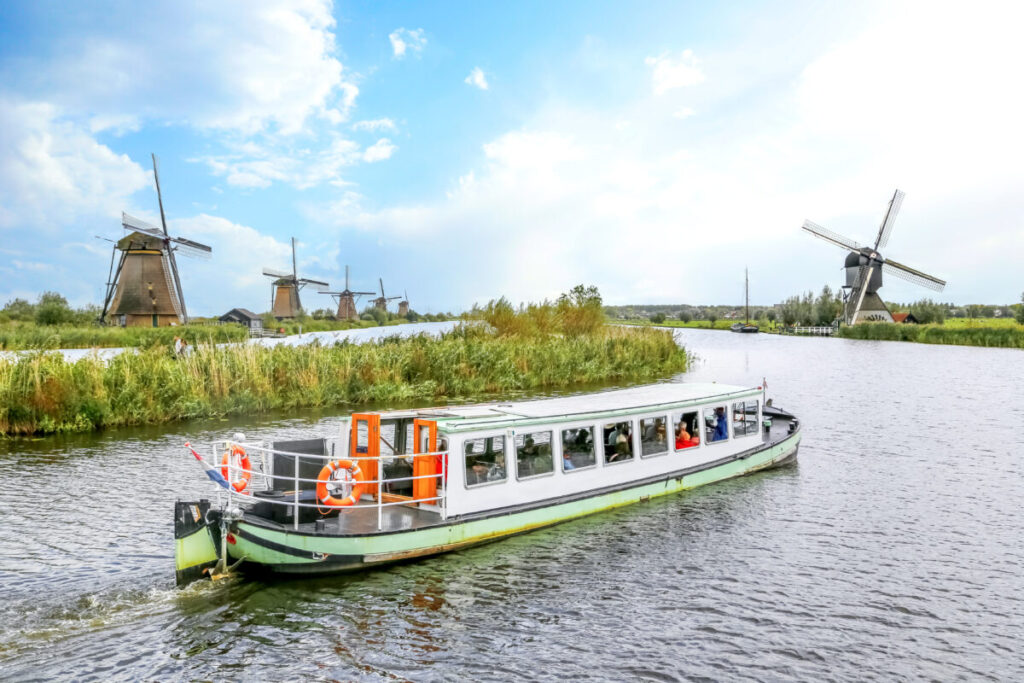
Families often enjoy the boat rides, though, since they provide a fun way to see the windmills up close without much walking. For younger children, Zaanse Schans feels more like an open-air museum with plenty to do. For older kids or teens who can appreciate the history and wide-open spaces, Kinderdijk offers a calmer but still memorable day out.
When to Visit for the Best Experience
The timing of your visit really shapes how you’ll experience both Kinderdijk and Zaanse Schans. Weather, crowds, and local events can either make your day feel calm and authentic or a bit overwhelming. Choosing wisely means you’ll enjoy the windmills in the best light, both literally and figuratively.
Crowds and Seasonality
If you want peace, avoid July and August. These summer months bring busloads of tourists to both sites, especially Zaanse Schans, since it’s only 30 minutes from Amsterdam.
You’ll find the narrow paths crowded, and taking photos without strangers in the frame gets tricky. Spring and early autumn are much friendlier.
April and May give you mild temperatures, blooming tulips nearby, and fewer crowds. September is also a sweet spot—still warm enough for biking or walking but without the summer rush.
Winter has its charm, too. The air is crisp, and if you’re lucky, you might see the canals freeze, though that doesn’t happen often anymore.
The downside is shorter days and less frequent public transport. Still, you’ll get the most authentic atmosphere at Kinderdijk in winter since it feels like you’re walking through history without distractions.
Events and Festivals
Both places sometimes host small events that can add a nice twist to your visit. At Zaanse Schans, you’ll often find demonstrations inside the windmills, like spice grinding or oil pressing.
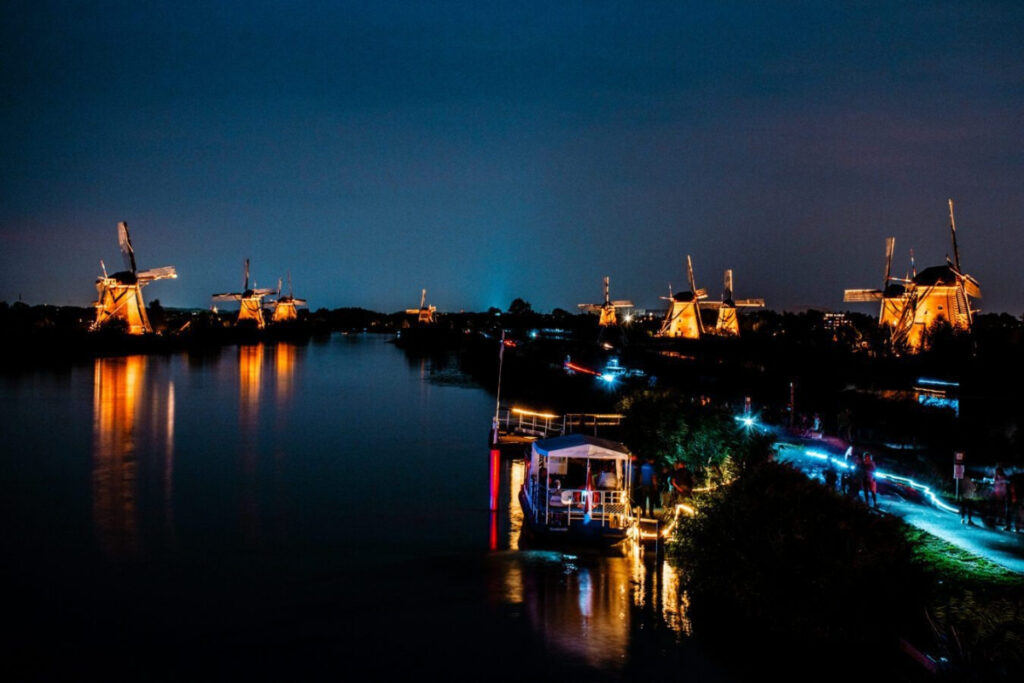
These can be fun, but they also attract bigger crowds on weekends. Kinderdijk has its own highlight: the Kinderdijk Illumination Week in September.
For a few evenings, all 19 windmills light up after sunset. It’s stunning and draws locals as well as visitors.
If you enjoy photography, this is one of the best times to go. You’ll also see Dutch holidays bring more activity.
King’s Day in April, for example, makes Amsterdam too hectic, so slipping away to Kinderdijk or Zaanse Schans can be a calmer choice. Just keep in mind that public transport schedules may change during national celebrations.
See Related: How to Visit Amsterdam on a Tight Budget: 8 Insider Tips From an American Local to Save Big
Frequently Asked Questions
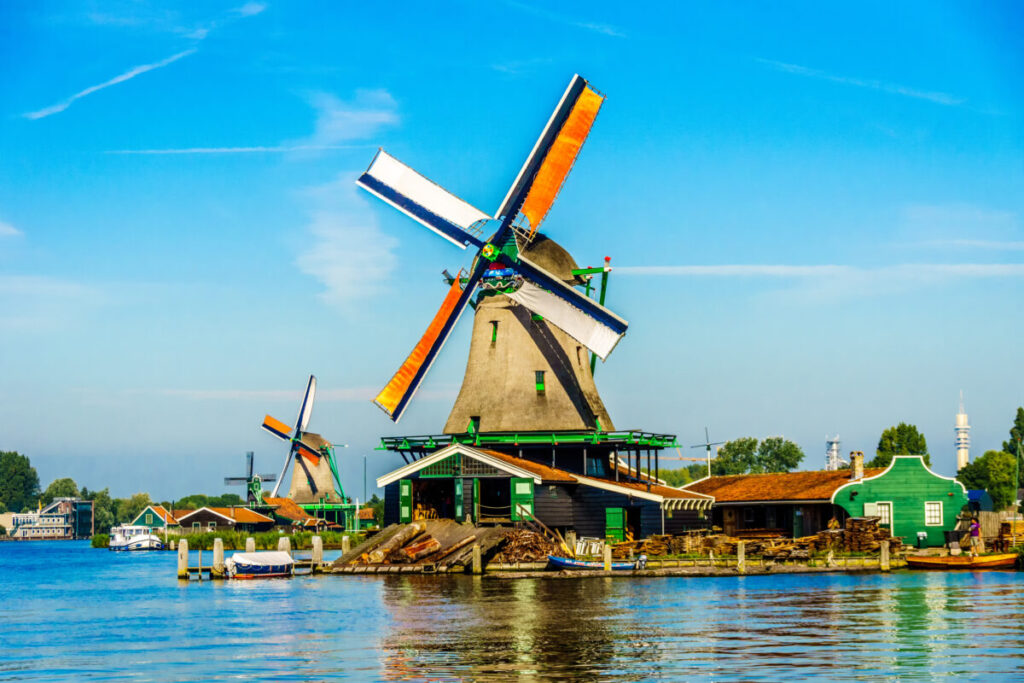
Both Kinderdijk and Zaanse Schans give you a close look at Dutch windmills, but they tell very different stories. One shows centuries-old water management, while the other highlights traditional crafts and industry.
What are the historical differences between Kinderdijk and Zaanse Schans windmills?
At Kinderdijk, the 19 windmills have stood in their original locations since the 18th century. They were built to pump water and protect farmland from flooding, and they’re now part of a UNESCO World Heritage site.
You’ll see how the Dutch literally engineered their land out of water. Zaanse Schans is different.
The windmills there were moved from other parts of the Netherlands in the 20th century to create an open-air museum. Instead of water management, they focus on industry, like a paint mill, mustard mill, and sawmills.
You get more variety, but it’s less about authenticity of place.
Which is more recommended for a true Dutch experience, Kinderdijk or Zaanse Schans, according to local insights?
If you want to understand Dutch history with water, go to Kinderdijk. Locals often say it’s the most “real” because the mills are still in their original setting and still maintained as working monuments.
It feels quieter and more connected to the landscape. But if you’re short on time and staying in Amsterdam, Zaanse Schans is easier to reach.
It’s only about 30 minutes north of the city, while Kinderdijk takes closer to two hours. Many Dutch people will tell you Zaanse Schans is more touristy, but still worth it if you want a quick taste of windmills and old Dutch houses.
Can you list the top activities to do when visiting Zaanse Schans?
Start with the windmills—seriously, you can’t miss them. Step inside a few; they’re all working, each with its own quirky purpose.
The old sawmill still slices wood the traditional way, and it’s way cooler in person than it sounds. You get to feel the history in the air, and maybe a bit of sawdust, too.
Stroll through the tiny museums and workshops scattered around. There’s a clog-making demo that’s oddly satisfying to watch.
You’ll stumble upon a cheese farm and a chocolate shop. Sure, they’re a bit touristy, but honestly, who says no to free samples?
Definitely wander down the riverside path. Those windmills lined up along the water—yeah, that’s the shot everyone wants for their feed.
If you’re after something different, hop on a boat ride along the Zaan River. The windmills look totally different from the water, and you get a nice breeze, too.
Traveling with kids? The pancake restaurant near the entrance is a total win. If you’re a shutterbug, wait until late afternoon—the crowds thin out, and the light gets all golden and dreamy.
Curious about how Zaanse Schans stacks up against Kinderdijk? I found this deep dive: Kinderdijk and Zaanse Schans windmills. Worth a read if you’re deciding where to go.