Description
Park de Meer is a little-known corner of Amsterdam Oost. I came across it by accident on my last trip to the city, and I’m glad I did.
This neighborhood sits on the former grounds of Ajax’s old stadium (yes, that Ajax!). It mixes modern urban planning with plenty of nods to its sporting past. Walking around, you get the sense a football-loving architect had a hand in things, along with someone who cares about green space.
Completed in 2002, Park de Meer has about 900 homes. That might sound like a standard housing development, but the layout feels thoughtfully designed, with space for both everyday life and a bit of character.
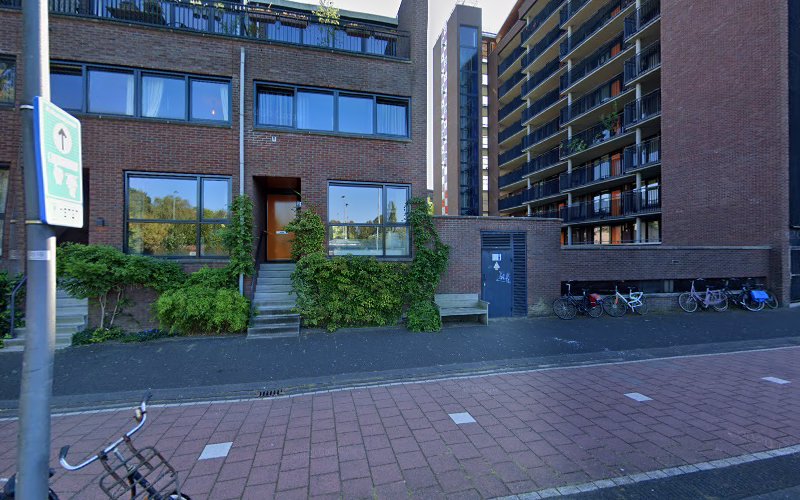
As you wander around, you’ll notice the layout. Esplanade De Meer, a car-free zone at the center, takes its name from the old stadium. Three ten-storey apartment buildings line it, their red and white panels a playful nod to Ajax’s colours.
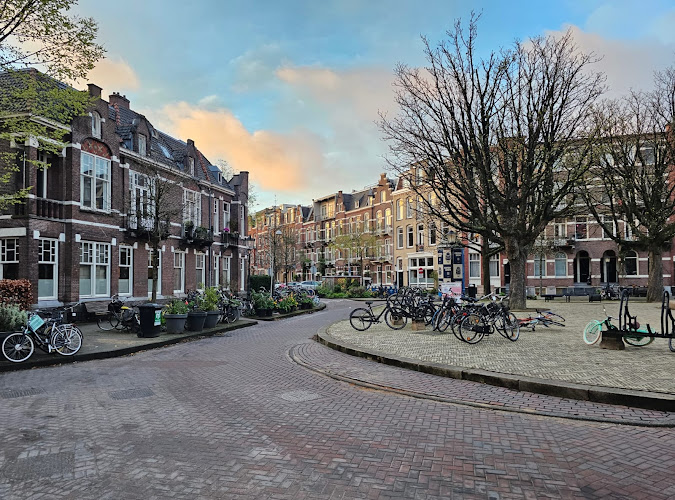
The rest of the homes include family houses and smaller apartment buildings, set apart by green spaces and private gardens. It’s a nice balance between city living and the quieter feel of the suburbs.
I’m a bit of a history buff, so I enjoyed finding out where the street names came from. Six streets take their names from foreign stadiums where Ajax played some memorable matches. It’s a small football history lesson as you walk through the neighborhood.
There’s art here, too: 18 ceramic works are scattered around the neighborhood, each a reminder of Ajax’s glory days. It feels a little like an outdoor museum devoted to football.
Key Features
So, what makes Park de Meer stand out? For me, it starts with the layout. The neighborhood revolves around the car-free Esplanade De Meer, which feels like a shared backyard in the middle of the area. It’s a pleasant spot for a stroll, a picnic, or a bit of people-watching.
The architecture gives the area its own character. Family homes sit alongside apartment buildings, and the three tall blocks with red and white panels are hard to miss. They’ve become landmarks in their own right.
My favorite detail might be the bridges. There are 13 of them, each named after a player from Ajax’s golden age in the early ’70s. It’s a fun bit of local history to come across on a walk.
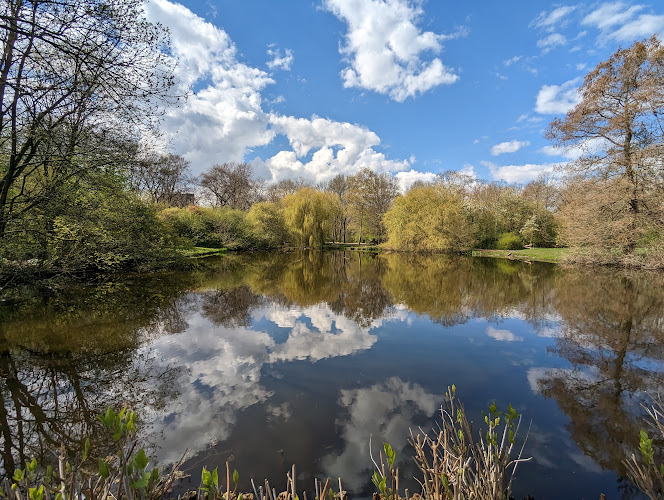
The green spaces are another draw. Some of the old trees from the Ajax days remain, alongside newer plantings, giving the neighborhood a leafy feel. The water features are part of a larger ecological project called the Ecolint Nieuwe Meer – Nieuwe Diep.
Here’s a surprising fact: Park de Meer is Amsterdam’s lowest-lying neighborhood, about 4 meters below sea level. Blue lines on some of the artworks show where sea level would be, which is a little odd to think about as you stroll past.
I’m a bit of an eco-nerd, and I was impressed by the approach to water management. The neighborhood keeps rainwater and sewage separate, and uses features called ‘wadis’: shallow ditches that catch and clean rainwater. It’s a practical system, worked into the landscape.
Best Time to Visit
Amsterdam has something going on in every season, and Park de Meer is no exception. If you’re planning a visit, though, a few seasonal details can help you choose when to come.
Spring (April to May) is when the city starts to wake up. Trees in Park de Meer put out new leaves, and you might catch the first blooms. The weather’s usually mild, which makes it a good time for a long walk. King’s Day on April 27 brings orange-clad celebrations across Amsterdam; Park de Meer isn’t a main party spot, but you’ll still feel the festive mood.
In summer (June to August), the green spaces are in full bloom and locals come out to enjoy the sunshine. Pack a picnic and spend an afternoon on Esplanade De Meer. Just expect more visitors around the city, since summer is peak tourist season.
Fall (September to November) brings a different look to the neighborhood. The changing leaves make a lovely backdrop for the football-themed artworks, and the cooler weather is comfortable for exploring. Bring a jacket, though.
Winter (December to March) can be chilly, but Park de Meer feels peaceful at this time of year. It’s a good place for a quiet walk, and after a snowfall the red and white apartment buildings look especially striking against the snow.
If you can, time your visit with an Ajax home game. The team no longer plays at the old De Meer stadium, but on match days you can still sense the excitement around the neighborhood.
May is a good month for football fans to visit. The Dutch season usually wraps up then, and if Ajax is in the title race, the atmosphere around Park de Meer can feel electric.
How to Get There
Getting to Park de Meer isn’t difficult, though I did get turned around the first time I tried. Here’s how to avoid a bit of aimless wandering.
Park de Meer is in Amsterdam Oost, outside the city center. That’s part of its appeal: you get to see a more residential side of Amsterdam, away from the busiest tourist areas.
Coming from the center? Tram 19 is a straightforward option. Get off at the Middenweg stop on the western edge of Park de Meer, then walk a short distance into the neighborhood. The journey takes about 20-25 minutes from the center.
You could also rent a bike, as many locals do. Ride east along Middenweg and you’ll reach Park de Meer in about 15-20 minutes from the city center. Just watch out: the cycle lanes can get busy.
From Schiphol Airport, take the train to Amsterdam Centraal and transfer to Tram 19. A taxi or Uber is another option, though it’ll cost more. It’s certainly convenient if you’re carrying luggage.
If you’re driving, Park de Meer is easy to reach from the A10 ring road. Parking in Amsterdam can be a headache, though. There are underground garages in the neighborhood, but they can fill up quickly. I’d leave the car behind and take public transport or cycle instead.
Once you arrive, look for the three tall apartment buildings with red and white panels. They’re easy to spot and make useful landmarks if you lose your bearings.
The street names can help with navigation, too. Some are named after foreign stadiums, though a few can be tricky to pronounce (Bernabeuhof, I’m looking at you). It’s fun to guess which stadium each one refers to as you explore.