Quick Guide to the Multatuli Statue
| Location | Torensluis bridge over Singel Canal, central Amsterdam |
|---|---|
| Best Time to Visit | Spring (April-May) or summer evenings (June-August) |
| Nearby Attractions | Amsterdam Museum, Royal Palace, Dam Square |
| Time Needed | 15-30 minutes |
| Photography Tips | Early morning for best lighting and fewer crowds |
| Perfect For | Literary enthusiasts, history buffs, and cultural explorers |
Who Was Multatuli?
Standing proudly on Amsterdam’s widest bridge is a bronze testament to one of the Netherlands’ most influential writers. The Multatuli Statue honors Eduard Douwes Dekker (1820-1887), better known by his pen name “Multatuli” (Latin for “I have suffered much”).
As a civil servant in the Dutch East Indies (present-day Indonesia), Douwes Dekker witnessed firsthand the abuses of Dutch colonial rule. His experiences inspired his most famous novel, “Max Havelaar” (1860), which exposed colonial exploitation and became a pivotal work in Dutch literature.
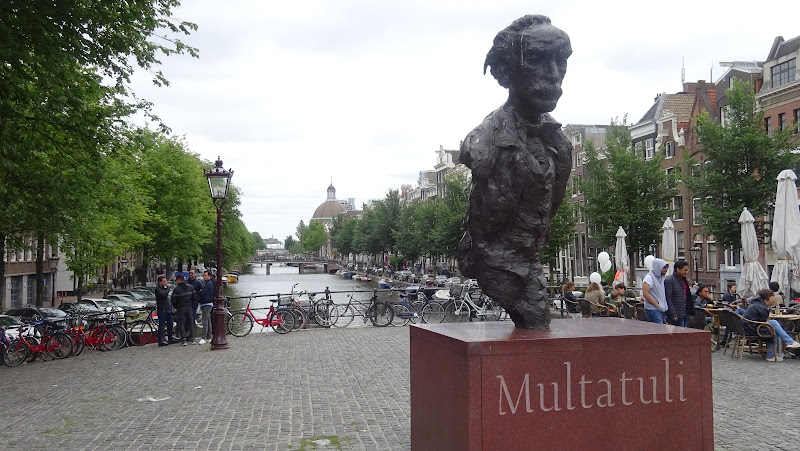
The statue, created by renowned sculptor Hans Bayens, was unveiled in 1987, exactly 100 years after Multatuli’s death. It depicts the writer in a contemplative pose, wearing his signature long coat as he gazes over the Singel canal.
At the base of the statue, you’ll find the inscription “de roeping van de mens is mens te zijn” (“the calling of man is to be human”), reflecting Multatuli’s humanist philosophy and social criticism.
Where to Find the Multatuli Statue
The statue is on the historic Torensluis bridge, at the Singel canal and Torensteeg intersection in central Amsterdam. This location is significant as it’s one of the city’s oldest and widest bridges, dating back to 1648.
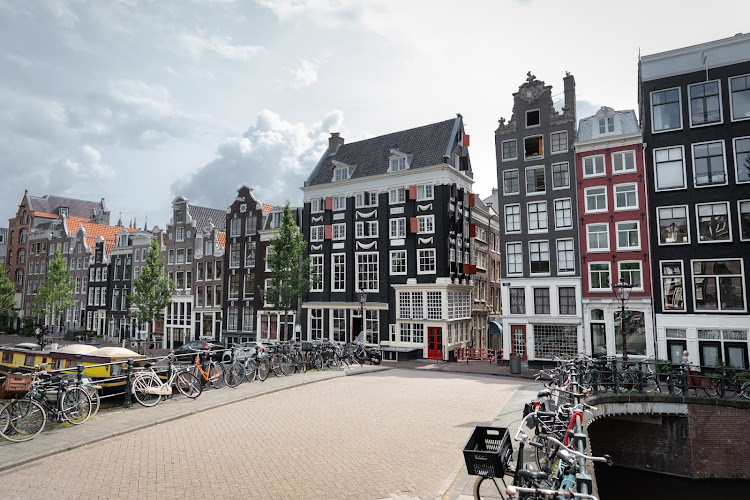
The statue’s position on this bustling bridge makes it a perfect stop while exploring Amsterdam’s canal ring, a UNESCO World Heritage site. From here, you can admire the historic architecture and the picturesque waterways that define the city.
Getting There
- By Foot: Walking along Amsterdam’s scenic canals is the most enjoyable way to reach the statue. From Dam Square, it’s approximately a 10-minute stroll following the Singel canal.
- By Bike: Embrace the local culture and rent a bicycle to reach the statue. Multiple rental shops are available throughout the city, and the flat terrain makes cycling accessible for most visitors.
- By Public Transport: Take tram lines 2, 11, or 12 and exit at the “Koningsplein” stop. From there, it’s a short 3-minute walk to the statue.
- By Canal Boat: For a unique perspective, take a canal tour that passes by the Torensluis bridge. Many tour operators will point out the statue as you cruise by.
Best Time to Visit
The Multatuli Statue can be visited year-round, but certain times offer a more memorable experience:
Spring (April-May): Amsterdam blooms with tulips and the weather is mild, creating a picturesque backdrop for the statue against clear skies and budding trees.
Summer Evenings (June-August): The soft glow of sunset creates a magical atmosphere around the statue. Plus, you can enjoy the extended daylight hours to explore nearby cafés and attractions.
Fall (September-October): The changing leaves frame the statue beautifully, and there are fewer tourists compared to summer months.
King’s Day (April 27th): While crowded, experiencing the statue during Amsterdam’s biggest celebration offers a unique perspective on how historical figures integrate into modern Dutch culture.
Early Mornings: For photography enthusiasts, arriving before 9 AM allows for shots without crowds and with optimal lighting conditions.
What to Expect When Visiting
The Multatuli Statue stands about 2 meters high on its pedestal, making it an impressive but not overwhelming monument. The surrounding area features benches where you can sit and contemplate the canal views, just as Multatuli appears to be doing.
Unlike many tourist attractions, visiting the statue is completely free, and there are no time restrictions. I recommend spending 15-30 minutes here to appreciate the artistry of the sculpture and its scenic location.
The statue area is accessible for visitors with mobility challenges, though Amsterdam’s historic cobblestone streets and narrow sidewalks can be difficult to navigate with wheelchairs.
Nearby Attractions
Make the most of your visit by exploring these nearby points of interest:
- Amsterdam Museum (10-minute walk): Learn about the city’s rich history and cultural heritage.
- Royal Palace (12-minute walk): Visit the official reception palace of the Dutch royal family on Dam Square.
- Nine Streets (Negen Straatjes) (5-minute walk): Discover charming boutique shops and cozy cafés in this trendy shopping district.
- Multatuli Museum (15-minute walk): For literary enthusiasts, visit the small museum dedicated to the writer’s life and work located at Korsjespoortsteeg 20.
- Westerkerk (15-minute walk): See Amsterdam’s largest church and climb its tower for panoramic city views.
Where to Stay Near the Multatuli Statue
Luxury Options
The Hoxton Amsterdam ($250-350/night): Set in five converted canal houses, this stylish hotel offers canal views and is just a 5-minute walk from the statue.
Hotel Pulitzer ($300-450/night): This upscale hotel spans 25 connected canal houses and provides an authentic Amsterdam experience with modern amenities.
Mid-Range Accommodations
Hotel Estherea ($180-250/night): A family-run boutique hotel with richly decorated rooms located directly on the Singel canal.
Hotel Sebastian’s ($150-220/night): Modern rooms in a historic building with excellent canal views and a short walk to the statue.
Budget-Friendly Choices
Hostel Meeting Point ($30-80/night): Basic but clean accommodations ideal for budget travelers, located just minutes from the statue.
CityHub Amsterdam ($90-120/night): Innovative pod-style rooms offering privacy at a lower price point, about 15 minutes by foot from the statue.
Insider Tips
Literary Connection: Read excerpts from “Max Havelaar” before visiting to better appreciate Multatuli’s significance. Many bookshops in Amsterdam offer English translations.
Coffee Break: Enhance your visit by grabbing a coffee at nearby Café ‘t Smalle or Café Papeneiland, both historic brown cafés (traditional Dutch pubs) with canal views.
Photographic Angle: For the best photo of the statue, position yourself on the opposite side of the canal during golden hour when the light creates a warm glow on the bronze.
Seasonal Awareness: During winter months (November-March), the statue area can be quite chilly due to wind coming off the canal. Dress warmly if visiting during this time.
Local Events: Check if there are any literary events or walking tours focused on Amsterdam’s literary history that include the Multatuli Statue.
Common Mistakes to Avoid
Rushing Past: Many tourists walk right by without recognizing the historical significance of the statue. Take time to read the plaque and appreciate its context.
Missing the Inscription: Don’t forget to look for the thought-provoking quote at the base of the statue, which encapsulates Multatuli’s humanist philosophy.
Ignoring the Bridge: The Torensluis bridge itself has a fascinating history, including former prison cells underneath. Look for the small windows below street level.
Poor Timing: The area can get crowded during peak tourist hours (11 AM – 4 PM). Visit early or in the evening for a more contemplative experience.
Skipping the Multatuli Museum: If you’re truly interested in the writer’s impact, don’t miss the small museum dedicated to his life and work, which provides much deeper context.
The Multatuli Statue’s Cultural Significance
The monument represents more than just a tribute to a famous writer—it symbolizes the Netherlands’ complex relationship with its colonial past. Multatuli’s work “Max Havelaar” is often credited with inspiring early anti-colonial movements and raising awareness about exploitation in the Dutch East Indies.
Today, the statue serves as a reminder of literature’s power to drive social change. For Dutch citizens, Multatuli remains a symbol of moral courage and speaking truth to power. For visitors, the statue offers insight into how the Netherlands continues to process its colonial history through cultural monuments.
Is the Multatuli Statue Worth Visiting?
If you’re a literary enthusiast, history buff, or someone who appreciates cultural landmarks with deeper meaning, the Multatuli Statue is definitely worth adding to your Amsterdam itinerary.
While not as famous as attractions like the Anne Frank House or the Rijksmuseum, this monument offers something equally valuable: a quiet moment to reflect on how one person’s words can change the course of history.
The statue’s central location makes it easy to include in any Amsterdam walking tour, and its significance to Dutch literature and colonial history provides a cultural context that enhances your understanding of the Netherlands beyond tulips and windmills.
Have you visited the Multatuli Statue or read any of Eduard Douwes Dekker’s works? Share your experiences in the comments below!