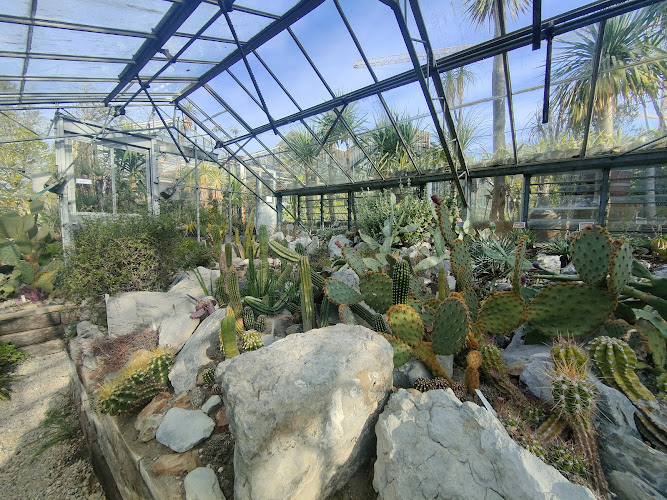
The Hortus Botanicus Amsterdam is one of the oldest botanical gardens in the world. Founded in 1638, it holds more than 4,000 living plants and trees from every corner of the globe — all in a single green oasis in the heart of Amsterdam. Whether you are spending a day in the city or planning a dedicated day trip, it is a beautiful and genuinely worthwhile stop.
What Is the Hortus Botanicus?
A hortus botanicus is a scientific botanic garden — a living collection of plants maintained for research, education, and conservation rather than ornament alone. The term comes from Latin and is still used by several of the oldest botanical gardens in Western Europe. Amsterdam’s Hortus Botanicus is one of the most famous examples, and one of the oldest botanical gardens in the Netherlands alongside the Hortus Botanicus Leiden (founded 1590).
History and Origins
Amsterdam City Council established the garden in 1638 under the name Hortus Medicus — a medicinal herb garden where doctors and apothecaries could grow and study plants used in medicine. The collection was modest at first, largely native European species. That changed as Dutch East Indies trade expanded and VOC (Dutch East India Company) ships began arriving with tropical, exotic, and rare plants from Asia, Africa, and the Americas. What had been a local herb garden became one of the world’s most important living collections.
The garden’s influence on global agriculture is remarkable. A single coffee plant from the Hortus Botanicus collection became the parent of the entire coffee industry in Central and South America. Two small oil palms sourced through Dutch trade networks produced the seeds that founded the palm oil industry across what is now Indonesia. Both are among the most cited examples of how scientific research in botanical gardens shaped the modern world. The garden was renamed Hortus Botanicus as its focus grew beyond medicine into botany, conservation, and study.
Key Features and Points of Interest
The Hortus rewards a slow walk. These are the highlights worth seeking out.
Three-Climate Glasshouse
The main greenhouse — often called the Climate House or glasshouse — is divided into three distinct climate zones: tropical, subtropical, and desert. Moving between them in one walk is one of the most distinctive features of the Hortus. Temperature, humidity, and vegetation shift within a few steps. The palm greenhouse inside this structure holds some of the garden’s oldest exotic plants, including towering specimens that have grown there for generations.
Butterfly House
A dedicated butterfly house inside the tropical section is home to live butterflies from multiple species, including glasswing butterflies with largely transparent wings. It is one of the most popular features for families and is less commonly found in European botanical gardens of this scale.
Victoria Amazonica and the Giant Water Lily
The Victoria amazonica — the giant water lily native to the Amazon — produces pads that can exceed a metre across and blooms at night. It is one of the wonders of the collection and one of the most photographed plants on display. The garden also holds a 300-year-old Eastern Cape cycad (Encephalartos altensteinii), one of the oldest potted plants in the world.
Snippendaal Garden
This formal garden recreates a 17th-century medicinal herb layout. Named after director Johannes Snippendaal (1646), it displays nearly 800 plant species catalogued in his time — many still growing on the same ground today. It is one of the most historically continuous planted spaces in Europe and a highlight for anyone interested in the history of medicine.
Historic Architecture
The garden’s built environment spans several centuries. A hexagonal wooden pavilion dates from the late 17th century; the entrance gate from the early 1700s. The Orangery (1875) functions as both a display space and event venue. The Palm House and Hugo de Vries Laboratory are notable examples of Amsterdam School expressionist architecture. There is also an observatory on the grounds, used historically for scientific study.
Is the Hortus Botanicus Worth Visiting?
Yes — the Hortus Botanicus Amsterdam is genuinely worth a visit for most travellers. It is small enough to enjoy in 2–3 hours, richly layered with history and living plants, and calm compared to Amsterdam’s busier attractions. It is particularly well suited to families with children (the butterfly house and giant water lily are reliable crowd pleasers), nature and plant lovers, and anyone who wants a peaceful break from the centre. The café on-site makes it easy to spend a relaxed morning or afternoon without rushing. As a day trip add-on, it pairs naturally with Artis Zoo and the Dutch Resistance Museum, both a short walk away.
Great for Children
The Hortus Botanicus is an excellent choice for families. The butterfly house allows children to discover live butterflies up close in a tropical environment. The giant water lily, the tall palms of the glasshouse, and the variety of plants and trees across the three climate zones hold children’s attention well. The garden also runs seasonal activities and educational programmes — check the activities page on dehortus.nl for current offerings before you visit.
Guided Tours
The Hortus Botanicus offers guided tours for both individuals and groups. Guided tours provide context for the collection, the garden’s history, and the stories behind individual plants — including the famous coffee and oil palm specimens. Groups visiting for educational purposes, including university and student groups, can book tailored tours. Details and booking are available at dehortus.nl/plan-your-visit.
Entrance Fees and Opening Hours
The Hortus Botanicus is open daily from 10:00 to 17:00. It is closed on 25 December and 1 January. The garden is card payment only — no cash accepted at the entrance.
| Visitor type | Price (2026) |
|---|---|
| Adults | €14.75 |
| Children aged 5–17 | €7.50 |
| Students (valid card required) | €7.50 |
| Children under 5 | Free |
| I Amsterdam City Card holders | Free |
| Museumkaart holders | Free |
Tickets can be purchased at entry or booked in advance at dehortus.nl. Pre-booking is advisable in July and August.
Best Season to Visit
- Spring (April–May): Flowers and early-season bloom outdoors; lighter crowds and excellent photography light.
- Summer (June–August): Peak outdoor bloom; rare flowering events most likely; book ahead in peak weeks.
- Autumn (September–October): Specimen tree colour — particularly Persian ironwood — is outstanding; visitor numbers fall after Dutch school holidays.
- Winter (November–March): The three heated climate zones are a warm contrast to the cold city; the garden is at its least crowded and the café is especially welcoming. Closed 25 Dec and 1 Jan.
Location and How to Get There
The Hortus Botanicus is at Plantage Middenlaan 2A, 1018 DD Amsterdam, Netherlands — in the Plantage neighbourhood east of the city centre.
- Tram: Line 14 to Artis — the most direct route from the centre.
- Metro: Line M52 to Waterlooplein, then a 10-minute walk east along Plantage Middenlaan.
- On foot: Around 20 minutes from Amsterdam Centraal — head east via Nieuwe Hoogstraat.
- By bicycle: The most natural way to arrive; the Plantage is well-signed by cycle from the centre.
- From Schiphol: Direct intercity train to Amsterdam Centraal (15–20 min), then tram 14.
Frequently Asked Questions
Is the Hortus Botanicus Amsterdam worth visiting?
Yes. It is a beautiful, historically rich botanical garden that can be enjoyed in 2–3 hours. The three-climate glasshouse, butterfly house, giant water lily, and on-site café make it one of the most rewarding green spaces in Amsterdam. It is particularly well suited to families, plant lovers, and anyone looking for a calm contrast to the city’s busier attractions.
What is the Hortus Botanicus Amsterdam known for?
The Hortus Botanicus Amsterdam is known for being one of the oldest botanical gardens in the world (founded 1638), its three-climate glasshouse housing tropical, subtropical, and desert zones, its live butterfly house, and its historically significant plant collection — including a coffee plant whose descendants founded South America’s coffee industry and oil palms that seeded Southeast Asia’s palm oil industry.
What is the #1 botanical garden in the world?
There is no single universally agreed ranking, but frequently cited contenders include Kew Gardens (London), the Singapore Botanic Garden (a UNESCO World Heritage Site), and the New York Botanical Garden. The Hortus Botanicus Amsterdam is consistently recognised as one of the oldest and most historically significant botanical gardens in Western Europe.
When was the Hortus Botanicus Amsterdam founded?
The Hortus Botanicus Amsterdam was founded in 1638 as a medicinal herb garden called the Hortus Medicus, making it one of the oldest botanical gardens in the world.
What are the opening hours and entrance fees for the Hortus Botanicus?
The garden is open daily 10:00–17:00, closed 25 December and 1 January. Adult entry costs €14.75. Children aged 5–17 and students pay €7.50. Children under 5 enter free. Museumkaart and I Amsterdam City Card holders receive free entry. Card payment only — no cash.
Does the Museumkaart give free entry to the Hortus Botanicus Amsterdam?
Yes. Museumkaart holders receive free admission. The I Amsterdam City Card also provides free entry.
Can I book a guided tour at the Hortus Botanicus Amsterdam?
Yes. The Hortus Botanicus offers guided tours for individuals, families, and groups including student and university groups. Booking is available through dehortus.nl/en/plan-your-visit.