Historical Significance: From Badge of Shame to Symbol of Pride
The story behind the Homomonument begins with a pivotal moment in Dutch history. In 1970, gay activists attempted to honor homosexual victims of Nazi persecution by laying a lavender wreath at Amsterdam’s National War Memorial on Dam Square. The activists were turned away, their flowers removed, and their gestures deemed inappropriate.
This rejection catalyzed a movement. Dutch poet and LGBTQ+ activist Jef Last had dreamed of a “monument to the unknown gay” as early as 1961, but it was this moment of erasure that galvanized the community. After years of advocacy and fundraising by the Dutch gay and lesbian movement, architect Karin Daan’s design was selected, and the monument was officially unveiled in 1987.
The monument’s pink granite triangles deliberately reclaim and transform a symbol with a dark history. During the Nazi regime, gay men in concentration camps were forced to wear pink triangular badges—markings that often led to particularly brutal treatment. Estimates suggest between 5,000 and 15,000 people wearing these symbols perished in the camps. By crafting the monument from pink granite, the design boldly transforms this emblem of oppression into one of empowerment and remembrance.
Three Triangles, Three Meanings: A Monument in Conversation with History
What makes the Homomonument truly remarkable is how each triangle speaks to a different dimension of the LGBTQ+ experience while simultaneously connecting to important landmarks across Amsterdam:
The Past Triangle lies flush with Westermarkt’s cobblestones, with its apex pointing directly toward the Anne Frank House. Around its perimeter runs a poignant line from Dutch Jewish poet Jacob Israël de Haan: “Such a boundless desire for friendship” (Dutch: Naar Vriendschap Zulk een Mateloos Verlangen). This triangle honors all who suffered persecution, connecting their stories to broader narratives of injustice during World War II.
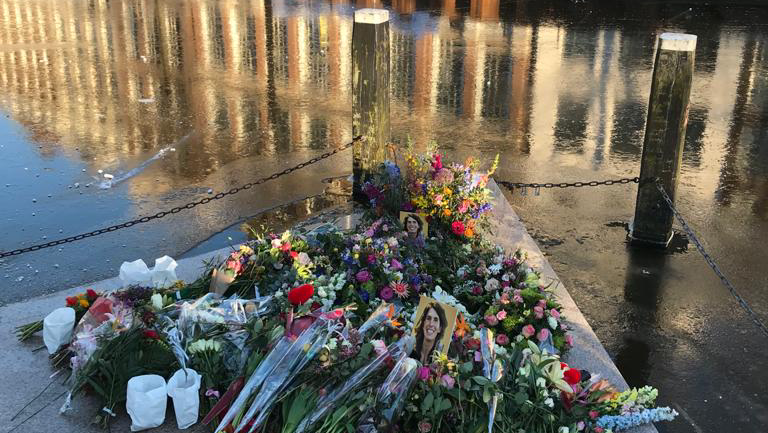
The Present Triangle extends over the Keizersgracht canal, with steps descending to the water’s surface. Its apex points toward Amsterdam’s Dam Square and the National War Memorial—where activists were once turned away. This triangle has become a living memorial where visitors often leave flowers and candles as acts of remembrance and respect.
The Future Triangle rises 60 centimeters above the square, forming a podium pointing toward COC Nederland’s headquarters—the world’s oldest continuously operating LGBTQ+ organization. This elevated platform frequently hosts performances, speeches, and celebrations, embodying hope and ongoing activism for LGBTQ+ rights worldwide.
Together, these three pink granite triangles form a larger equilateral triangle measuring 36 meters on each side. They are interconnected by subtle, thin lines of the same pink granite, visually linking them and emphasizing their unity within the larger triangular form.
Key Events and Commemorations at the Homomonument
Throughout the year, the Homomonument transforms to serve different purposes:
- May 4th (National Remembrance Day): The monument becomes a solemn space where hundreds gather to honor victims of persecution with flowers, candles, and two minutes of silence. The ceremony includes speeches, the laying of wreaths, the lowering of the Dutch flag, and the playing of the national anthem.
- May 5th (Liberation Day): The somber atmosphere gives way to vibrant celebration with music, dancing, and performances that affirm life and freedom.
- April 27th (King’s Day): The area around the monument turns into one big street party with Pink Triangle festivals featuring live concerts and performances, including those by drag artists.
- Amsterdam Pride (late July to early August): The monument is the starting point for the Pride Walk and hosts numerous community events, from family-friendly gatherings to powerful demonstrations of solidarity.
The Homomonument has become a central gathering place for the Dutch LGBTQ+ community, frequently hosting rallies, photo exhibitions, flash mobs, open lectures, weddings, celebrations, and community gatherings throughout the year.
Why Visit the Homomonument: Experience a Living Memorial
Visiting the Homomonument offers more than a glimpse at an architectural landmark—it provides an opportunity to engage with living history. Unlike many memorials that freeze the past in stone, this monument actively connects historical persecution to present-day resilience and future aspirations.
As you move between the three triangles, notice how they form a dialogue with their surroundings. Observe the ever-changing collection of flowers on the canal triangle, perhaps adding your tribute. Stand on the elevated podium and feel the powerful symbolism of taking up space. Run your fingers along the engraved poem and contemplate its meaning.
Don’t miss Pink Point, the official LGBTQ+ information kiosk adjacent to the monument. Staffed by knowledgeable volunteers, it offers multilingual pamphlets about the monument’s history, information about Amsterdam’s LGBTQ+ venues, and unique souvenirs you won’t find elsewhere.
Nearby Attractions: The Perfect Starting Point for Amsterdam Exploration
The Homomonument’s central location makes it an ideal launching pad for exploring Amsterdam’s most cherished landmarks:
- Anne Frank House (0.06 miles away): This profoundly moving museum offers a complementary experience to the themes of persecution and resilience found at the Homomonument. Both sites help visitors understand the impact of the Nazi regime on different marginalized groups. Book tickets online in advance to avoid long lines.
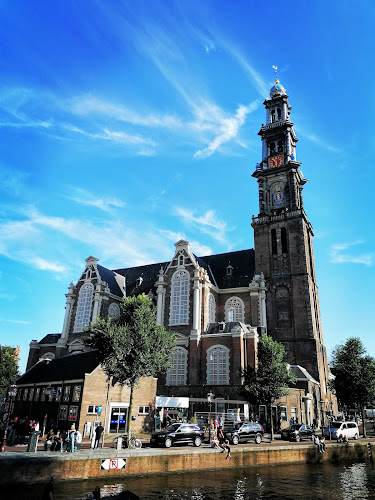
- Westerkerk (0.04 miles away): This historic Protestant church stands tall beside the monument, its magnificent tower visible throughout the city center. It’s where Rembrandt van Rijn was laid to rest and was mentioned in Anne Frank’s diary as a source of comfort during her hiding.
- Jordaan District (short walk): Once a working-class neighborhood, it’s now beloved for its narrow streets, hidden courtyards, and authentic “brown cafés” (traditional Dutch pubs). The area offers a pleasant contrast to the monument’s solemnity.
- Amsterdam Cheese Museum and Amsterdam Tulip Museum (within 0.15 miles): These small, focused museums provide insight into two iconic elements of Dutch culture.
- The Nine Streets (De Negen Straatjes) (short walk): This charming shopping area features unique boutiques, vintage shops, and cozy cafés.
- Dam Square and Royal Palace (short tram ride): These are home to the National War Memorial, which holds a symbolic connection to the Homomonument’s “present” triangle.
Visitor Information and Etiquette
Location: Westermarkt, Prinsengracht/Westerkerk, 1016 GW Amsterdam
Hours: Accessible 24/7
Admission: Free
Public Transport: Tram lines 13 and 17, stop “Westermarkt”
When visiting the Homomonument, please remember:
- Respect the Space: This is both a memorial and a community gathering place
- Consider Leaving a Flower: A single flower on the canal triangle is a locally embraced gesture of remembrance
- Maintain a Quiet Demeanor: Particularly if others are there to reflect or pay tribute
- Photography is Welcome: But be mindful of capturing others who may be there for personal remembrance
- Visit at Different Times: The monument takes on different atmospheres throughout the day and during various events
Guided Tours and Learning Opportunities
Several guided tours specifically focus on the Homomonument or include it as a significant point of interest:
- The “Amsterdam: Queer City Walking Tour With Local Guide” starts at the Homomonument
- The “LGBTQI+ History Tour of Amsterdam” typically meets near the pink triangle by the Keizersgracht
- “Humans of Amsterdam – Small Group Cultural Walking Tour” includes the monument with explanations of its historical significance
For those seeking immediate information at the site, the Pink Point information kiosk provides flyers, brochures, maps, and insider tips on LGBTQ+ venues and events in Amsterdam.
The Homomonument: A Landmark of Past, Present, and Future
The Homomonument is a powerful testament to remembrance, resilience, and the ongoing pursuit of equality. As the world’s first major monument dedicated to the persecution of LGBTQ+ individuals, its historical significance extends far beyond Amsterdam.
The three pink granite triangles—representing past suffering, present activism, and future hope—create a physical space where history, memory, and aspiration converge. Whether you come to pay respects to those persecuted throughout history, celebrate hard-won freedoms, or contemplate the ongoing struggle for LGBTQ+ rights worldwide, the Homomonument welcomes you.
In a city known for its progressive values and inclusive spirit, this remarkable memorial embodies Amsterdam’s commitment to remembering the past while actively working toward a more equitable future.
Frequently Asked Questions
When was the Homomonument built?
The Homomonument was officially unveiled on September 5, 1987, though planning began in 1979.
Who designed the Homomonument?
Dutch architect Karin Daan designed the monument.
What do the three triangles represent?
The three triangles represent the past (persecution), present (ongoing struggles), and future (hope) of the LGBTQ+ community.
Why is the Homomonument made of pink triangles?
Nazis used the pink triangle to identify gay prisoners in concentration camps. The monument reclaims this symbol of oppression and transforms it into one of remembrance and pride.
Can I visit the Homomonument at any time?
Yes, the monument is accessible 24 hours a day, 7 days a week, and there is no entrance fee.
What is Pink Point?
Pink Point is Amsterdam’s official LGBTQ+ information kiosk next to the Homomonument. It provides information, maps, and LGBTQ+-themed souvenirs.
What special events take place at the Homomonument?
Major events include commemorations on May 4th (National Remembrance Day), celebrations on May 5th (Liberation Day) and April 27th (King’s Day), and various Pride events in late July/early August.
How can I get to the Homomonument?
The monument is centrally located at Westermarkt. Take tram lines 13 or 17 to the “Westermarkt” stop, or it’s an easy walk from Dam Square and other central locations.