Why visit Hogesluis
Experience Hogesluis, Amsterdam’s most spectacular bascule bridge spanning the Amstel River since 1883. This 220-meter engineering marvel combines Parisian-style architecture with functional Dutch design, creating an iconic Amsterdam landmark that opens dramatically for passing boats while offering stunning city views.
Willem Springer designed this magnificent structure to replace the original 17th-century bridge, creating a double bascule bridge with ten elegant arches. Watch the massive iron mechanisms lift the bridge sections skyward as boats queue below – a daily spectacle that draws crowds of fascinated onlookers.
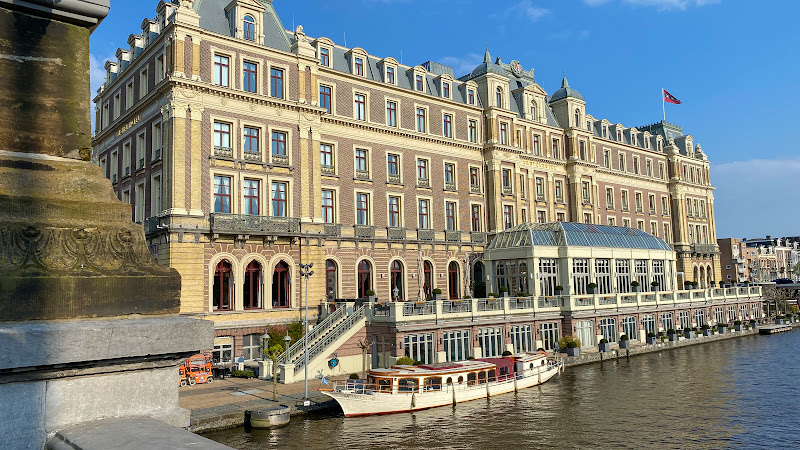
Hogesluis serves as Amsterdam’s grand southern entrance, perfectly positioned between the luxurious Amstel Hotel and iconic Royal Theatre Carré. The bridge accommodates cars, trams, cyclists, and pedestrians comfortably, making it a vital transportation hub with postcard-perfect views.
Architectural features and engineering marvel
The bridge’s impressive width distinguishes it from Amsterdam’s typically narrow canal crossings. This spacious design accommodates multiple transportation modes without the cramped conditions common on other city bridges, especially appreciated during rush hour cycling commutes.
Ornate decorative elements showcase 19th-century craftsmanship throughout the structure. Cast-iron ornaments bear Amsterdam’s coat of arms, while elegant stone vases line the balustrade alongside obelisks topped with ornate lanterns. These details transform functional infrastructure into artistic beauty.
The bascule mechanism demonstrates remarkable engineering precision. Bridge sections pivot upward on massive counterweights, creating an impressive 30-meter opening for boat passage. The synchronized movement occurs several times daily, briefly pausing the city’s rhythm as mechanics perform their century-old dance.
Hogesluis functions as an unofficial town square where Amsterdammers naturally gather. The wide sidewalks and sturdy railings create perfect viewing platforms for watching boats, meeting friends, or simply observing daily city life unfold along the Amstel River.
Film crews and photographers frequently choose Hogesluis for its cinematic appeal. The classic architecture and picturesque river backdrop have appeared in countless productions, making the bridge instantly recognizable to visitors who may have seen it in movies before arriving in Amsterdam.
Optimal visiting times
Sunrise visits offer the most serene Hogesluis experience. Early morning light creates stunning reflections on the Amstel while the city awakens around you. Arrive before 7 AM for peaceful photography and quiet contemplation without crowds.
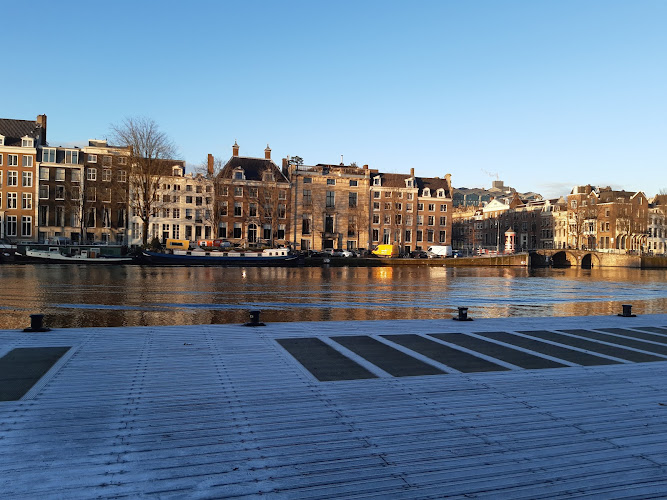
Late afternoon through early evening provides vibrant energy and optimal lighting. The golden hour illuminates the bridge’s ironwork beautifully while locals cycle home from work, friends gather for pre-dinner drinks, and boats create gentle waves below.
Summer evenings transform Hogesluis into a romantic destination. Bridge lanterns cast warm glows over the water as couples take leisurely strolls and nearby restaurants buzz with outdoor dining activity.
Winter brings different but equally compelling beauty to Hogesluis. Snow-dusted architecture creates magical scenes, while the bridge participates in Amsterdam Light Festival with stunning illuminated installations transforming the structure into artistic displays.
Bridge opening times vary by season and boat traffic patterns. Warmer months bring more frequent openings as boat traffic increases. While schedules aren’t fixed, visiting during daylight hours maximizes your chances of witnessing this impressive mechanical performance.
Transportation and access
From Central Station, take tram line 14 directly to Hogesluis stop – a convenient 15-minute journey. Alternatively, tram lines 1, 7, or 19 cross the bridge itself; disembark at Weesperplein stop for a short walk to optimal viewing positions.
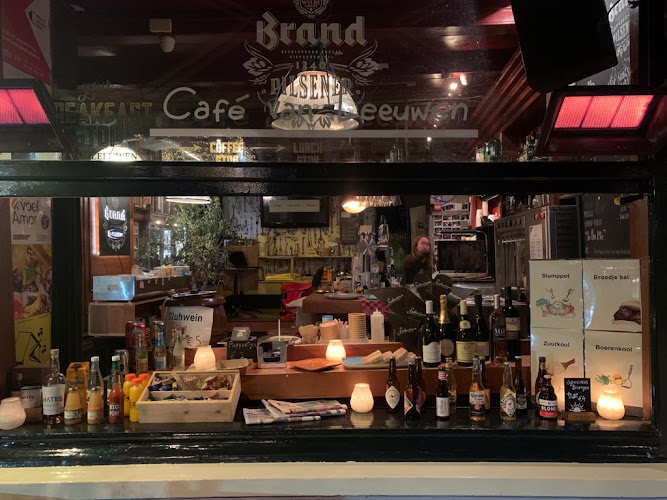
Cycling to Hogesluis offers the most authentic Amsterdam experience. Follow the Amstel River south from the city center for a scenic route past beautiful canal houses and local cafes. The bridge’s bicycle-friendly design connects to major cycling routes throughout the city.
Walking from nearby neighborhoods like De Pijp or the Eastern Canal Ring takes approximately 20 minutes. The route from Rembrandtplein showcases beautiful architecture and bustling local life, making the journey part of the destination experience.
Metro lines 51, 53, and 54 serve Weesperplein station, providing easy access from outer Amsterdam districts. From the metro station, a pleasant 5-minute walk leads directly to the bridge.
Ride-sharing services and taxis recognize “Hogesluis” or “Sarphatistraat Bridge” as destinations. However, Amsterdam’s compact size makes alternative transportation methods more enjoyable and environmentally friendly.
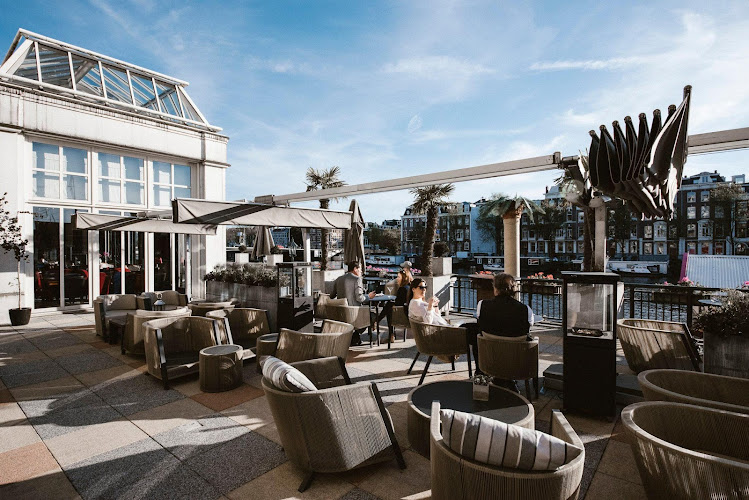
Explore the surrounding area after visiting Hogesluis. The prestigious Amstel Hotel welcomes non-guests to admire its elegant lobby, while the Amstel River path offers beautiful walks toward either the city center or peaceful countryside.
Hogesluis represents more than transportation infrastructure – it embodies Amsterdam’s historical engineering prowess and artistic sensibility. Whether admiring architectural details, watching boats pass beneath, or using it as a scenic meeting point, this bridge delivers quintessential Amsterdam experiences in one magnificent structure.