Quick Reference Guide
| Local Name | Gouden Bocht |
|---|---|
| Location | Herengracht between Leidsestraat and Vijzelstraat |
| Best Time to Visit | Spring (April-May) or Fall (September-October) |
| Ideal For | Architecture enthusiasts, history lovers, photography |
| Don’t Miss | Double-wide mansions, Kattenkabinet Museum, Museum Van Loon |
| Insider Tip | Visit during June’s Open Garden Days to see hidden gardens |
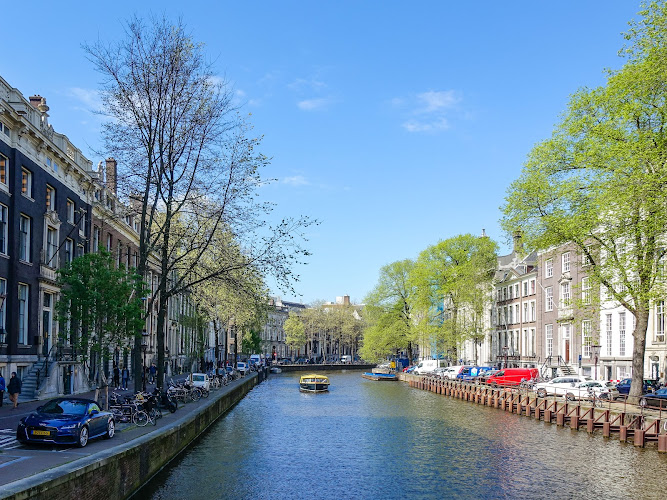
Picture yourself strolling along Amsterdam’s picturesque canals when suddenly, you turn a corner and gasp – before you unfolds a majestic curve where the grandest mansions in the city line the waterway like silent testimonies to a golden age of prosperity. This is the Golden Bend (Gouden Bocht), the most prestigious section of the Herengracht canal and arguably the most coveted address in 17th-century Amsterdam.
Unlike anything else in the city’s famous canal ring, the Golden Bend offers a fascinating glimpse into how Dutch merchants flaunted their immense wealth during the height of Amsterdam’s commercial power. When I first visited, I was struck by how this single stretch of canal tells the story of an entire golden era. Today, it stands as one of the most photographed spots in the Netherlands and an essential stop for anyone wanting to understand the historical evolution of this remarkable city.
The Rich History of the Golden Bend
Birth of a Prestigious Address
In the late 16th and early 17th centuries, Amsterdam experienced unprecedented population growth as trade flourished, and the Dutch East India Company (VOC) brought immense wealth to the city. To address the resulting housing shortage, city planners embarked on an ambitious canal belt project (grachtengordel), creating Herengracht, Keizersgracht, and Prinsengracht in concentric rings around the old city center.
What made the Golden Bend special was how the city’s wealthiest residents cleverly interpreted the building regulations to their advantage. While most canal plots were restricted to 9 meters (30 feet) wide, the shrewd merchants of the Golden Bend purchased adjacent plots to create double-wide mansions with imposing facades that would showcase their immense prosperity. They were essentially the luxury penthouses of their day – a 17th-century status symbol that screamed “I’ve arrived!”
Dutch Golden Age Innovation
“The Golden Bend represents the pinnacle of Dutch Golden Age architecture and urban planning,” local historian Marieke de Vries explains. “Here you can see how Amsterdam’s merchant elite adapted Italian Renaissance design principles to create something uniquely Dutch.”
The distinctive bend in the canal wasn’t merely an accident of urban planning—it became the perfect showcase for these magnificent homes. The curve allows visitors to appreciate multiple facades simultaneously, creating a theatrical display of wealth and taste that continues to impress visitors today.
Architectural Marvels of the Gouden Bocht
Distinctive Features of Golden Bend Canal Houses
The canal houses along the Golden Bend display several distinctive architectural features that set them apart from typical Amsterdam buildings:
- Double-wide facades: Unlike standard canal houses, many Golden Bend mansions were built across two adjacent plots, creating imposing double-width facades that immediately signaled the owner’s wealth.
- Classicist design elements: Inspired by ancient Greece and Rome, these homes feature elegant pediments, columns, and pilasters – architectural status symbols imported from Italian Renaissance design.
- Double staircases: Elegant twin staircases lead to the main entrance, with smaller doors underneath for servants – a physical reminder of the social hierarchy of the time.
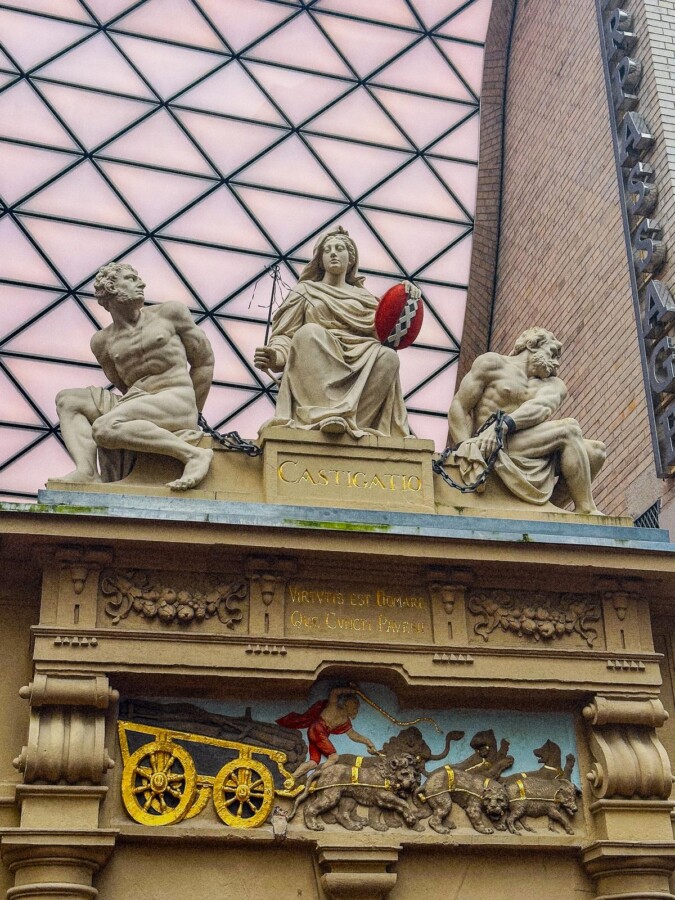
- Decorative elements: Many facades are adorned with ornate carvings, marble scrolls, allegorical figures, and busts, which often tell stories about the owner’s trade or values.
- Hidden gardens: Behind the impressive facades lie meticulously designed gardens stretching up to 25 meters deep, though most remain private today except during special events.
Highlight Buildings Worth Noticing
When visiting the Golden Bend, be sure to pay special attention to:
- Herengracht 475: This double-fronted mansion features extravagant decoration with allegorical figures and a slender balustrade.
- Herengracht 476: Considered one of the block’s prettiest facades.
- Herengracht 493: Notice the lavishly carved pediment and classic double staircase.
- Herengracht 466: Designed by famous architect Philip Vingboons, representing the height of Dutch Classicism.
Museums Along the Golden Bend
Three magnificent canal houses along the Golden Bend have been transformed into museums, offering you the rare opportunity to step inside these historic buildings and experience the lavish interiors that match their impressive facades:
Kattenkabinet (Cat Cabinet)
Located at Herengracht 497, this delightfully quirky museum is dedicated entirely to the role of cats in art and culture. Housed in a stunning canal mansion, the Kattenkabinet features paintings, drawings, sculptures, and other works depicting felines through the centuries.
Along the canal bend, the historic KattenKabinet museum showcases feline-themed fine art within an opulent 17th-century patrician canal house. Even if you’re not a cat enthusiast, the perfectly preserved 17th-century interior, ornate ceilings, and period furnishings make this museum worth a visit. It’s a perfect example of how these historic buildings continue surprising and delighting visitors today.
Museum Van Loon
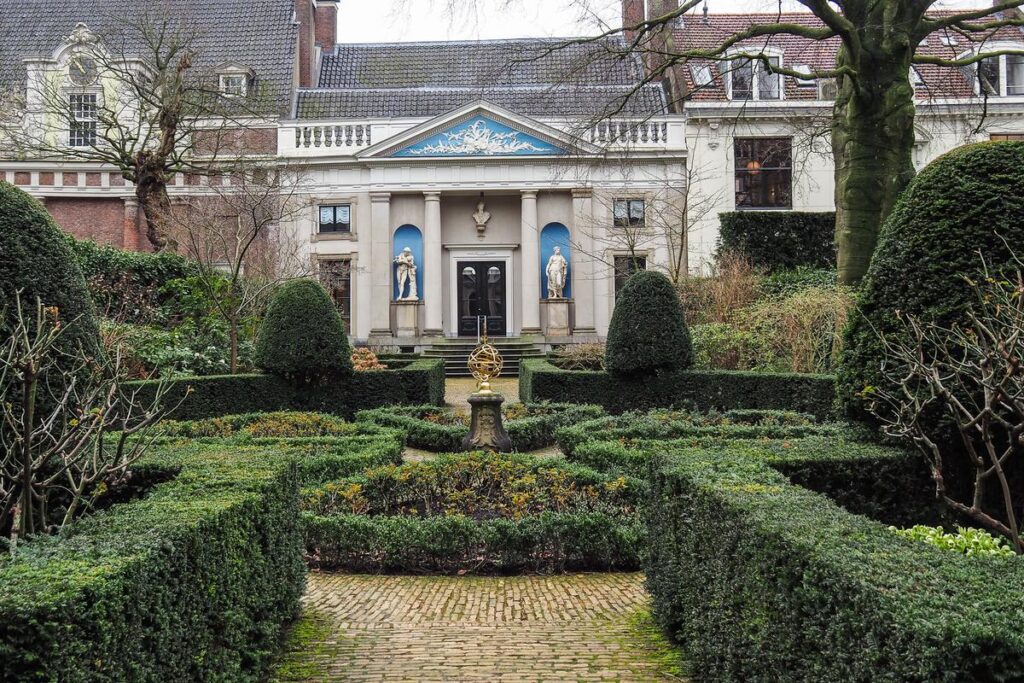
This perfectly preserved canal house at Herengracht 605 offers a glimpse into the life of Amsterdam’s elite. Originally built in 1672, the mansion was once home to the wealthy Van Loon family. Today, visitors can explore its period rooms filled with original furnishings, paintings, and decorative arts, along with the formal garden and coach house.
Museum Willet-Holthuysen
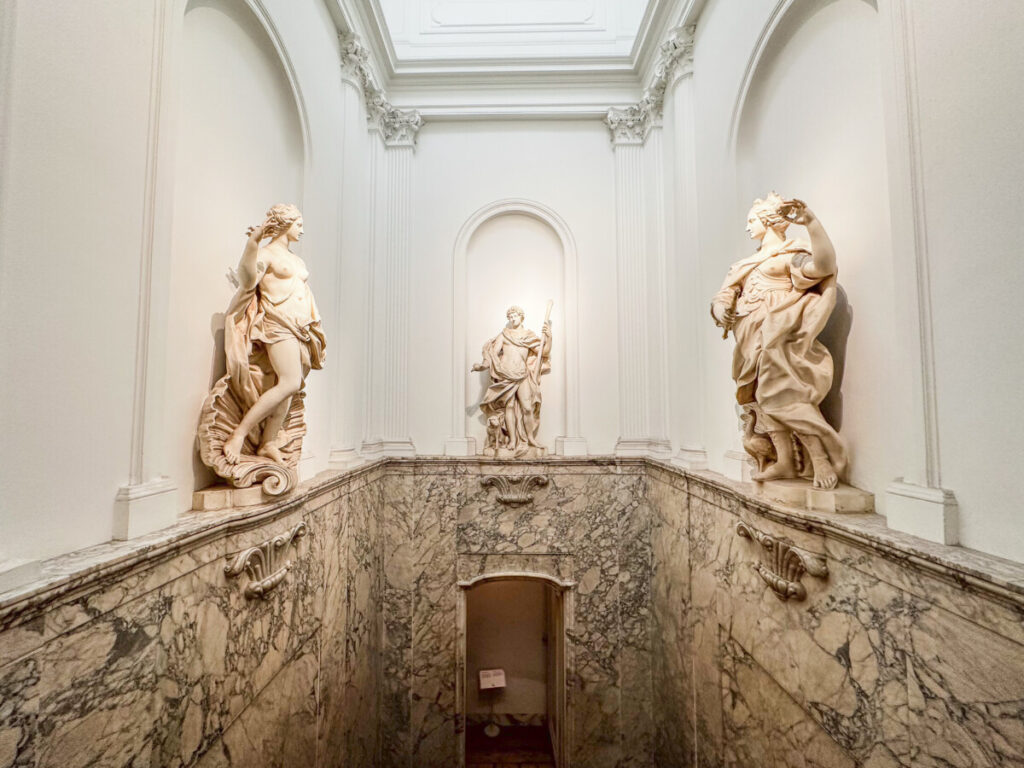
At Herengracht 605, this canal house museum showcases the lavish lifestyle of a wealthy 19th-century couple. The period rooms, impressive art collection, and formal garden provide insight into how Amsterdam’s upper class lived during this era.
Best Time to Visit the Golden Bend
Seasonal Highlights
The Golden Bend transforms with each season, offering unique experiences throughout the year:
- Spring (April-May): Trees along the canal burst into fresh green bloom, and you might glimpse colorful tulips in the hidden gardens. The mild weather makes for pleasant walks, and the spring light creates beautiful reflections on the canal water. Pro tip: Mid-April to early May often captures the best of Amsterdam’s famous blooms.
- Summer (June-August): Long daylight hours (sometimes until 10 PM!) give you plenty of time to explore and photograph the architecture in different lighting conditions. While this is peak tourist season with larger crowds, the energy is vibrant. Don’t miss the annual Open Garden Days (usually the third weekend in June), when several private gardens behind these magnificent mansions open to the public – it’s the only time you’ll see these hidden green spaces!
- Fall (September-October): My personal favorite time to visit. The crowds thin out, golden autumn colors reflect in the canal waters, and a cozy atmosphere makes photography particularly rewarding. The angle of the autumn sun illuminates the facades with a warm glow that perfectly complements their 17th-century grandeur.
- Winter (November-March): When dusted with snow, the Golden Bend takes on a magical, almost fairytale quality. If your visit coincides with the Amsterdam Light Festival (December-January), you’ll see the canal illuminated with artistic light installations that transform the historic setting into a contemporary wonderland. Bundle hot chocolate from a nearby café and enjoy the peaceful winter ambiance.
Photography Tips
“For the best photographs of the Golden Bend, visit during the ‘golden hour’ just after sunrise or before sunset,” advises Amsterdam-based photographer Jan Bakker. “The low-angled light highlights the architectural details and creates beautiful reflections in the canal.”
I’ve found that early morning (around 7-8 AM) offers the most magical shots – the light is perfect, and you’ll have the area almost to yourself without the tourist crowds that gather later in the day. For the ultimate photograph:
- Position yourself on the opposite side of the canal for the widest view of the bend
- Include some water in the foreground to capture those signature reflections
- Try both horizontal and vertical compositions to showcase the tall, narrow houses
- Look for moments when a small boat passes by to add life to your composition
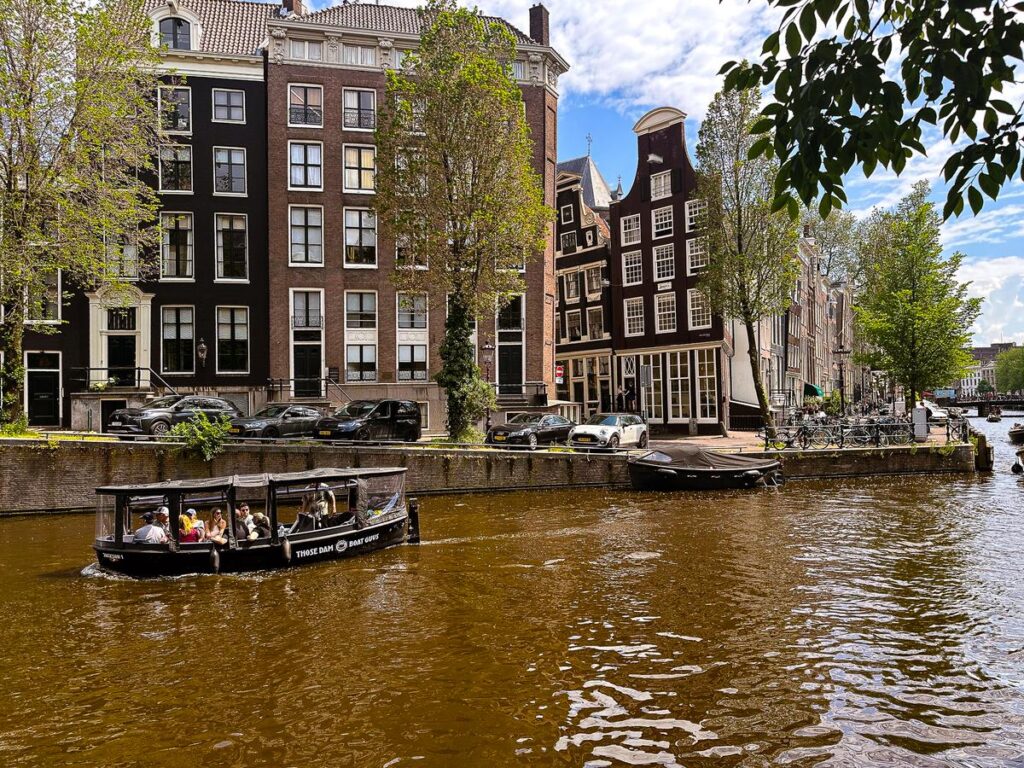
For a unique perspective, consider booking a canal tour that passes through the Golden Bend. This allows you to appreciate the magnificent facades from the water – the viewpoint that the original architects actually designed them to be seen from. The boat captains often slow down in this section, giving you ample time for photos.
Getting to the Golden Bend
The Golden Bend is conveniently located in central Amsterdam and easy to reach by various modes of transportation:
On Foot
Walking is the most enjoyable way to reach the Golden Bend if you’re staying in central Amsterdam. From Dam Square, it’s approximately a 15-minute stroll south along Rokin, then west onto Herengracht. Simply follow the canal until you reach the distinctive curve between Leidsestraat and Vijzelstraat.
By Bike
Embrace the Dutch way and rent a bicycle from one of the many rental shops throughout the city. The Golden Bend is easily accessible via Amsterdam’s excellent bike lane network, though be careful along the canals, which can get crowded with pedestrians.
By Public Transport
Several public transport options bring you close to the Golden Bend:
- Tram: Lines 2, 11, or 12 to Koningsplein stop
- Bus: Lines 170 or 172 to Muntplein stop
- Metro: Line 52 to Rokin station
By Canal Boat
Perhaps the most fitting way to experience the Golden Bend is from the water itself. Numerous canal tour companies operate boats that pass through this stretch of Herengracht, offering a unique perspective on the grand mansions.
Insider Tips for Visiting
Make the most of your visit to the Golden Bend with these local insights:
Hidden Gems Nearby
While the Golden Bend itself is the main attraction, several lesser-known spots nearby are worth exploring:
- The Bridge of 15 Bridges: At the intersection of Reguliersgracht and Herengracht, you can see fifteen bridges from one spot—a favorite among photographers.
- Tassenmuseum Hendrikje: This museum, just a short walk away, houses an impressive collection of historic purses and bags.
- Cafe t’ Smalle: Located on nearby Egelantiersgracht, this traditional Dutch brown cafe dates back to 1786 and makes a perfect stop for a local beer.
Visitor Etiquette
Keep these tips in mind for a respectful visit:
- Respect privacy: While admiring the buildings, remember that some are still private homes or offices. Avoid peering in windows or blocking entrances.
- Mind the bike lanes: Stay on the pedestrian sidewalks and be aware of bicycle traffic, which can be quite heavy and fast-moving.
- Photography courtesy: If photographing people along with the architecture, ask permission first—especially if focusing on individuals rather than crowds.
- Sustainable tourism: Help preserve this historic area by not leaving litter and respecting the physical structures.
Common Mistakes to Avoid
- Rushing through: Many tourists quickly snap a photo and move on. Take your time to notice the architectural details and subtle differences between buildings.
- Missing the museums: Don’t just admire from outside—the canal house museums offer the rare chance to see the interiors.
- Overlooking the details: Look up at the gables and basement entrances, and notice the hooks at the top of buildings (once used for hoisting goods).
- Visiting at midday: The harsh midday light isn’t ideal for photography. Early morning or late afternoon offers much better conditions.
The Golden Bend Today
While the Golden Bend’s mansions were originally built as prestigious private homes, most serve different purposes today. Many buildings now house financial institutions, law firms, and corporate offices. The architecture remains largely unchanged; however, it is preserved as part of Amsterdam’s UNESCO World Heritage canal ring, which received its official designation in 2010.
The Golden Bend is particularly special because it seamlessly connects Amsterdam’s mercantile past with its present. The same canal that once transported spices, textiles, and other exotic goods for the Dutch East India Company now carries tourist boats and pleasure craft. At the same time, the mansions built by merchant traders now house modern businesses—a living testament to Amsterdam’s enduring commercial spirit.
“The Golden Bend isn’t just a historic relic—it’s a vibrant part of modern Amsterdam,” urban historian Thomas de Groot notes. “These buildings have been continuously used and adapted for over 350 years, showing how great architecture can remain relevant across centuries.”
During a recent renovation of one Golden Bend property, workers discovered original 17th-century painted ceiling beams hidden above a dropped ceiling installed in the 1960s. These discoveries happen regularly, reminding us that the Golden Bend still reveals its secrets to those who look closely.
Practical Information for Visitors
Nearby Accommodations
While staying directly on the Golden Bend is generally not possible (as most buildings are not hotels), several excellent accommodations are within walking distance that offer the authentic canal house experience:
- Waldorf Astoria Amsterdam (€€€€): Pure luxury housed in six connected 17th-century canal palaces on Herengracht. Their stunning garden is one of the largest hidden gardens in the canal belt. From €700/night.
- The Hoxton, Amsterdam (€€€): A stylish hotel with five connected canal houses on Herengracht, offering canal views and a buzzing atmosphere with its popular restaurant and bar. The interior design beautifully blends historical elements with contemporary style. From €250/night.
- Hotel Estheréa (€€): Family-owned boutique hotel in a series of 17th-century buildings along the Singel canal. Each room is uniquely decorated with rich fabrics and antiques, creating a cozy, authentic Amsterdam experience. From €200/night.
- Canal House Suites at Sofitel Legend The Grand Amsterdam (€€€): Luxurious suites in a historic canal house offering privacy with hotel amenities. From €350/night.
Dining Options
Several excellent dining options near the Golden Bend allow you to combine sightseeing with authentic Dutch and international culinary experiences:
- Café de Jaren (€€): Spacious café with a stunning canal-side terrace offering great views and a varied menu of Dutch and international dishes. The floor-to-ceiling windows make it a perfect spot for people-watching even in poor weather. Their apple pie is some of the best in Amsterdam!
- Restaurant Jansz (€€€): Elegant yet unpretentious dining in a historic setting on Reestraat, housed in a former apothecary. Their modern Dutch cuisine focuses on fresh, seasonal ingredients. The perfect dinner spot after a day of canal exploration.
- Koffie ende Koeck (€): Cozy vegan café perfect for a coffee break while exploring the canals. Their homemade cakes and light lunches are delicious regardless of your dietary preferences.
- Café ‘t Smalle (€€): This historic brown café (traditional Dutch pub) dates back to 1786 and is located on a picturesque spot where the Herengracht meets the Brouwersgracht. Enjoy traditional Dutch bar snacks like bitterballen with a local beer while watching the boats pass.
Combining With Other Attractions
The Golden Bend’s central location makes it easy to combine with other Amsterdam highlights:
- Anne Frank House: A 15-minute walk northwest
- Rijksmuseum: A 15-minute walk south
- Bloemenmarkt (Flower Market): Just 5 minutes away
- Nine Streets Shopping Area: Adjacent to the western end of the Golden Bend
Experience the Legacy of Dutch Prosperity
The Golden Bend is Amsterdam’s most elegant architectural showcase—a perfect curve of history, wealth, and Dutch design genius. While modern Amsterdam has expanded far beyond its 17th-century boundaries, this pristine stretch of the Herengracht canal remains a window into the Golden Age that shaped not just a city but a nation.
As you walk along this distinguished canal bend, take a moment to slow down and imagine the scene 350 years ago: merchant ships unloading exotic goods from Asia, wealthy traders in fine clothing discussing business deals, servants scurrying in and out of service entrances, and the constant hum of commerce that made Amsterdam the financial center of the world. The Golden Bend is more than just a photo opportunity—it’s the embodiment of Amsterdam’s remarkable journey from a fishing village to a global trading power.
I’ve visited Amsterdam dozens of times over the years, and the Golden Bend never fails to impress me. There’s something magical about this particular canal curve that captures the essence of what makes Amsterdam special—the perfect blend of practical waterways, stunning architecture, and a commercial spirit that continues to this day.
Whether you’re captivated by architectural history, seeking the perfect canal photograph, or simply wanting to experience the most prestigious address in historic Amsterdam, the Golden Bend offers a fascinating glimpse into the Dutch Golden Age that continues to influence Dutch culture. Don’t rush past it—this place rewards those who linger, look up at the gables, and imagine the stories behind these magnificent facades.