Description
Ah, Fountain Place in Amsterdam. What a quirky little spot! I came across it on a recent trip around the city, and it’s quite a sight. This unusual plaza is dotted with fountains that might make you pause and wonder, “What in the world were they thinking? ”
Don’t get me wrong, though: I’m not knocking it. I kind of dig the oddness of it all. The centerpiece is a funky fountain with two giant heads facing in opposite directions, as if they’re having an argument and can’t bear to look at each other. I had to laugh when I first saw it. It’s a good spot for a quick photo or a breather from the traffic and footfall of the city.
There’s more to the area than that one fountain. The Sarphati Monument, for instance, honours Samuel Sarphati, a physician and politician who helped set up Amsterdam’s first garbage collection service and a bread factory. Quite a range of achievements, really.
Then there’s the fountain at Krugerplein, which has stirred up a bit of debate. Some people see it as a waste of water, especially during dry spells. Others are happy to call it art. Fair enough, I suppose.
This isn’t just a tourist stop, either. You’ll see locals taking lunch breaks or catching a bit of sun when Amsterdam’s weather allows it. It has a neighbourhood feel that makes it easy to linger for a while.
If you’re after something a little different from the Rijksmuseum or the Anne Frank House, give Fountain Place a look. It has its own quirky charm, and you might leave with a few questions about Dutch public art.
Key Features
So, what makes Fountain Place tick? There’s more to this spot than you might expect.
1. The Two-Headed Wonder: Let’s start with the star of the show, that bizarre fountain with two heads. It looks like something straight out of a Salvador Dalí painting, I swear. The heads face in opposite directions, which I reckon is a metaphor for… something. Life? Love? The eternal struggle between stroopwafel and bitterballen? Who knows. It’s certainly a conversation starter.
2. Sarphati Monument: This one’s for the history buffs. The monument honours Samuel Sarphati, a local figure who did a lot for Amsterdam in his day. It’s a reminder of the city’s history, set among more modern bits and pieces.
3. Krugerplein Fountain: This one’s a little controversial. Some people love it; others think it wastes water. But isn’t that part of what art does, stirring up a reaction? Love it or hate it, it adds a certain je ne sais quoi to the place.
4. People-Watching Paradise: One of my favourite things here is sitting back and watching the world go by. Tourists snap photos, locals head to work, and kids splash in the fountains when it’s warm enough. It’s a little slice of Amsterdam life in one spot.
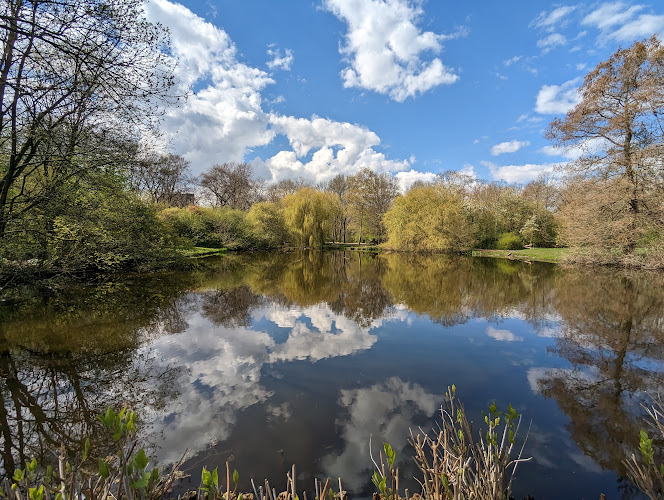
5. Green Spaces: Don’t overlook the small patches of green nearby. They’re handy for a quick picnic or a sit-down on a sunny day. And when the sun comes out in Amsterdam, you’ll want to make the most of it.
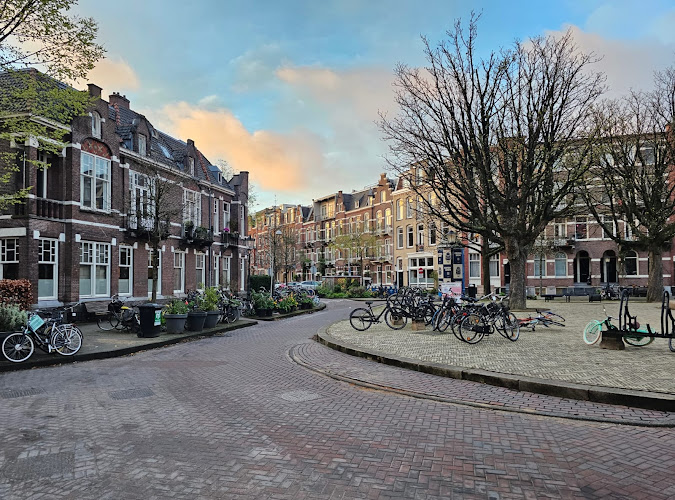
6. Architectural Mish-Mash: The surrounding buildings bring together a mix of styles, from traditional Dutch architecture to more modern designs. It’s a small-scale architectural tour of Amsterdam, all in one place.
7. Nearby Cafes and Shops: The surrounding area has plenty of little cafes and quirky shops. They’re useful for a quick bite or picking up a souvenir or two.
Best Time to Visit
When’s the best time to visit Fountain Place? There’s no single right answer; it depends on what you’re after. Here’s a quick look at what to expect through the year.
Spring (March to May): This is my favourite time to visit. The weather starts to warm up, and the crowds haven’t peaked yet. You might even catch some Dutch tulips blooming nearby. Just bring a rain jacket; it is Amsterdam, after all.
Summer (June to August): This is peak tourist season. The weather’s about as good as it gets in the Netherlands, and the fountains are in full swing. Locals and visitors alike come out to enjoy the sun, so expect company. Hotel prices tend to climb, too.
Autumn (September to November): If crowds aren’t your thing, this could be your sweet spot. The summer rush has eased, and the weather’s often still decent enough to enjoy the outdoors. Amsterdam’s autumn colours are lovely, though you’ll want a jacket as it gets chilly.
Winter (December to February): I won’t sugarcoat it: Amsterdam winters can get pretty cold. The fountains may be switched off to stop them freezing, but if you catch the area during a light snowfall, it can look like something from a fairy tale. You might also find winter events or markets nearby.
Time of Day: For the best light in your photos, go early in the morning or late in the afternoon. The golden-hour glow can make even the quirkiest fountain look magical, and it’s usually quieter then.
Weekday vs. Weekend: For a quieter visit, try a weekday. Weekends tend to bring out more tourists and locals.
Events: Check for events in or around Fountain Place. Art installations and performances sometimes add a little extra to the space.
How to Get There
So, how do you get to Fountain Place? It’s fairly accessible, and in Amsterdam, the journey can be half the fun. The city’s worth taking in along the way.
By Foot: If you’re already in central Amsterdam, walking may be your best bet. It’s a lovely way to take in the city, and you never know what you’ll spot on the way. It’s easy on your budget, too. Just wear comfortable shoes; those cobblestones can catch you out if you’re not careful.
By Bike: If you want to get around like a local, rent a bike. Amsterdam has dedicated bike lanes across much of the city. Cycling in busy traffic can feel overwhelming at first, though, so take it slowly. And please, lock your bike when you arrive!
By Public Transport: Amsterdam has trams, buses, and metros to choose from. The closest stops depend on which fountain you’re heading to, but you’ll generally want to look for stops in the city centre. Pick up an OV-chipkaart, the local public transport card, and you’re set.
By Taxi or Uber: If you’re tired from sightseeing or just want a more convenient ride, take a taxi or an Uber. It’ll cost more, but it can be worth it if you’re coming from further away or the weather’s turned sour.
From Schiphol Airport: Take the train to Amsterdam Centraal Station, then switch to a tram or bus. If you’re feeling adventurous and your luggage isn’t too heavy, you could walk from the station; it’s about 20-30 minutes on foot.
Pro tip: Download a map app like Google Maps or Citymapper before you set off. They’re handy for navigating Amsterdam’s winding streets and checking public transport routes.
One more thing: watch for cyclists and trams when crossing the street. They usually have the right of way, and they won’t hesitate to use it!
Getting lost in Amsterdam isn’t necessarily a bad thing. Some of my favourite city memories came from taking a wrong turn and finding a lovely little cafe or shop. So don’t stress if you lose your way to Fountain Place; you might stumble across a new favourite spot.