Oost

Pair Oosterpark with a museum visit, or head farther into Oost for the gardens of Park Frankendael. Pick one part of this broad area and give it time.

Best for Museums & culture Parks & water

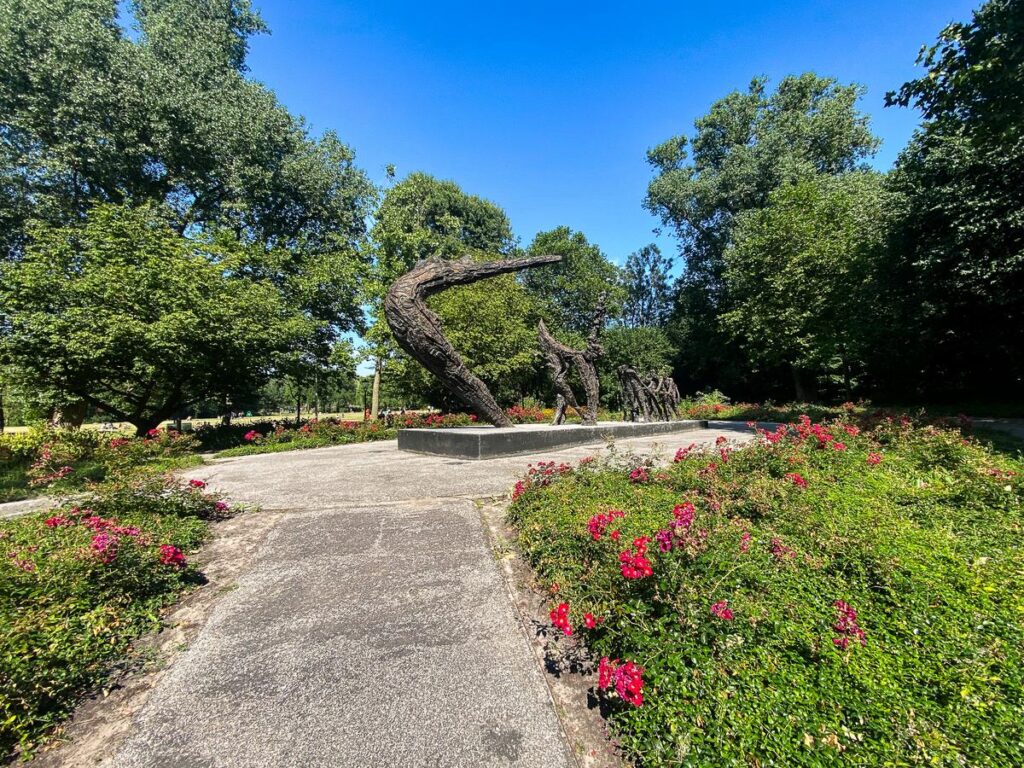
National Slavery Monument in Oosterpark, Amsterdam - evocative sculpture surrounded by lush greenery and colorful blooms

Places in this area

Start around Oosterpark and Wereldmuseum, or choose Park Frankendael in Watergraafsmeer for a different part of Oost.

Park · Oost

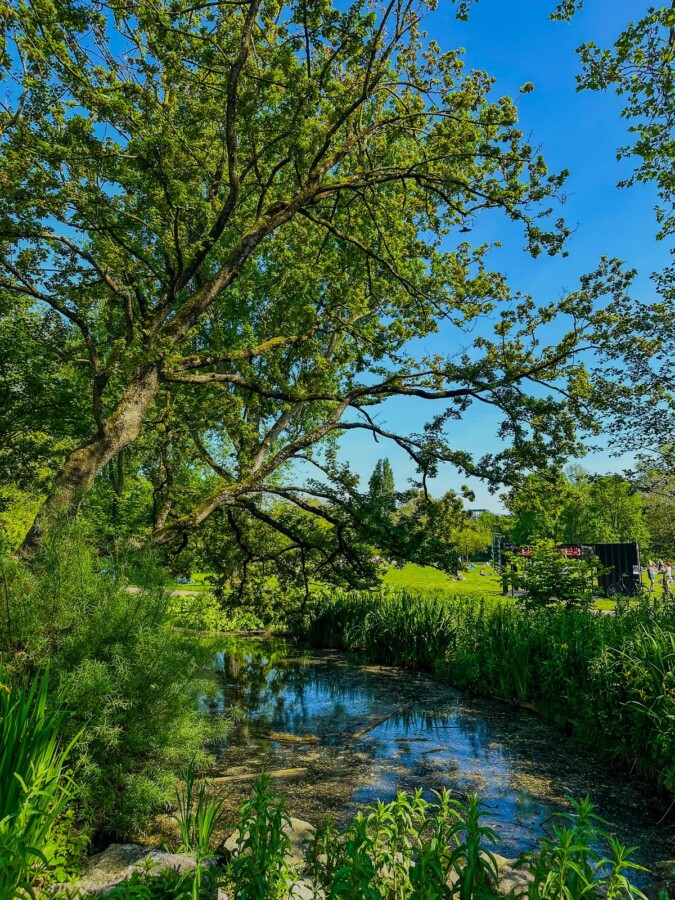
Oosterpark

Take a park pause on broad walking paths or beside the pond in Amsterdam Oost.

Opening status unconfirmed

Museum · Watergraafsmeer

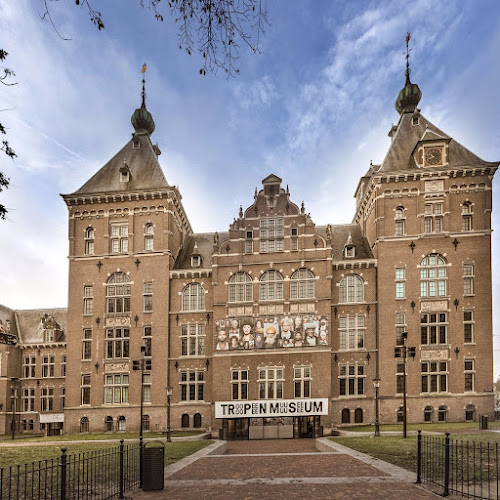
Wereldmuseum Amsterdam

Explore cultural histories and the lasting effects of colonialism at the museum beside Oosterpark.

Opening status unconfirmed

Park · Oost

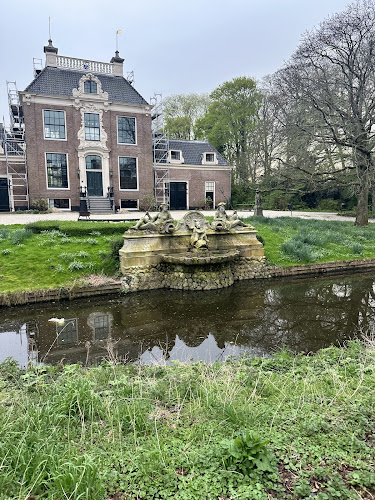
Park Frankendael

Walk through gardens on a former country estate in Watergraafsmeer.

Opening status unconfirmed

Plan your visit

Visiting the area

For visitors, Oost works best as a base for longer stays or as a second-day neighbourhood once you’ve seen the historic centre.

From here you can still reach Centraal Station, the canal belt and Museum Quarter in 10–20 minutes by tram, metro or bike, but your “home” area feels much more local. Expect supermarkets on every corner, bakeries with long morning queues, kids cycling to school and neighbours chatting on balconies – plus a serious concentration of good food at fair prices.

Short-stay guests often choose:

  • Hotels and co-living spaces around Wibautstraat / Amstel (strong transport links, walkable into the centre).
  • Apartment stays near Oosterpark, Weesperzijde or Watergraafsmeer (greener, more residential).
  • Waterfront options in the Eastern Docklands or IJburg for modern design and big views.

Oost is generally safe by big-city standards, including at night. As anywhere in Amsterdam, keep an eye on your bike, avoid leaving bags unattended on terraces and be cautious with phones and wallets on packed trams or markets. The area has been through waves of renewal and gentrification; you may still notice rough edges around certain streets, but violent crime is rare and streets remain busy with locals, not just tourists.

If your idea of Amsterdam is only the Red Light District and canal-belt pubs, Oost will feel like a different city entirely – in a good way. Think daily life, parks, markets, modern architecture and stories of migration rather than a nightlife theme park.

Access details

Well-connected by public transport with multiple metro, tram, and bus lines. Bicycle-friendly with extensive cycling infrastructure. Most areas are accessible for wheelchair users, particularly in the newer developments of Eastern Docklands and IJburg.

Practical advice

Generally a safe neighborhood with active community presence. Some areas may be quieter at night, but regular police patrols and good lighting are found in main areas. The diverse community nature of the district means there is often activity on the streets.

Local tips

  • Plan around markets. Dappermarkt is best on weekday mornings; Saturdays are packed and many stalls start closing by late afternoon.
  • Use Muiderpoort as your anchor. From Amsterdam Muiderpoort station you can walk to Dappermarkt, Oosterpark, Indische Buurt and Oostpoort in minutes.
  • Bring layers for the water. The Eastern Docklands and IJburg can feel noticeably windier and cooler than the inner canal belt, even on sunny days.
  • Combine food with parks. Book lunch or an early dinner at De Kas and wander Park Frankendael before or after; or pair Poesiat & Kater with a stroll through Flevopark.
  • Swim smart. At Flevoparkbad and IJburg’s city beach, check local signage for water quality and follow lifeguard instructions; not every canal or inlet is safe or allowed for swimming.
  • Cycle defensively. Car traffic is lighter than in some parts of the city, but tram tracks and busy crossings on Wibautstraat and around the ring road still demand attention.
  • Respect residential streets. Many of Oost’s prettiest corners are lived-in rather than curated for visitors. Keep noise low at night, especially in inner courtyards and along smaller canals.
  • Learn from the food. Trying Surinamese, Indonesian or Turkish food here isn’t just tasty – it’s a shortcut into understanding the district’s migration history and community ties.

Food & drink

Daily life & dining

Life in Oost is shaped by three things: green space, water and diversity.

On a normal day you’ll see people running or dog-walking in Oosterpark before work, parents pushing bakfietsen to school in Watergraafsmeer, students cycling to lectures along Wibautstraat, and friends meeting at neighbourhood cafés or playgrounds after school pick-up. Weekends tend to orbit around markets like Dappermarkt, brunch spots, football pitches and long walks through Flevopark or along the IJ.

Housing ranges from compact apartments in pre-war blocks to newer build complexes and family houses with gardens. Many residents choose Oost precisely for the balance of city life and space: tram and metro connections into the centre, but quieter streets at night and easy access to parks, outdoor swimming spots and waterfront terraces.

Digital nomads and students slot into this rhythm via co-living hotels and co-working spaces along Wibautstraat, while long-established communities maintain strong local networks, shops and religious institutions. The mix can feel busy and energetic during the day, but most streets are calm by late evening, with nightlife focused around select bar clusters instead of entire party districts.

Sights & hidden spots

Two park choices and one museum; pick a cluster rather than treating all three as one compact stop.

Park · Oost

Oosterpark

Take a park pause on broad walking paths or beside the pond in Amsterdam Oost.

Opening status unconfirmed

Museum · Watergraafsmeer

Wereldmuseum Amsterdam

Explore cultural histories and the lasting effects of colonialism at the museum beside Oosterpark.

Opening status unconfirmed

Park · Oost

Park Frankendael

Walk through gardens on a former country estate in Watergraafsmeer.

Opening status unconfirmed

History & local life

The feel of the area

Oost is where everyday Amsterdam life plays out on a bigger canvas. You get grand 19th-century avenues around Oosterpark, down-to-earth streets in Dapperbuurt, stately homes and sports fields in Watergraafsmeer, and experimental architecture along the Eastern Docklands and IJburg.

It’s one of the city’s most culturally diverse districts, with Surinamese, Turkish, Moroccan, Indonesian and Caribbean influences showing up in food, shops and street life. Students, young professionals and long-time residents share the same pavements; kids cycle to school past canal-side houseboats and new apartment blocks.

Compared with the canal belt, Oost feels more spacious and residential: wide streets, big parks, proper playgrounds and fewer souvenir shops. It’s a place where you hear Dutch, Arabic and Sranan Tongo on the same tram, grab a broodje at the market and end the day with a locally brewed beer on a neighbourhood terrace.

Heritage & origins

For centuries, the area now known as Amsterdam Oost sat just beyond the old city walls as a patchwork of polders, country estates and industrial zones linked to the port. Wealthy Amsterdammers built summer houses in Watergraafsmeer, including Frankendael, the city’s last surviving 17th-century country estate, while workers lived close to the docks and rail lines.

In the late 19th century, rapid urban growth pushed eastwards. New neighbourhoods around Oosterpark and along today’s Linnaeusstraat and Middenweg were laid out with wide streets, red-brick housing blocks and tram lines into the centre. The construction of docks and railway infrastructure brought workers’ districts such as Indische Buurt and Dapperbuurt, long associated with harbour labour and migration.

Post-war decades saw large-scale social housing, infrastructure and, later, urban renewal. From the 1980s the disused harbour basins of the Eastern Docklands were redeveloped into showcase residential areas with striking bridges and apartment blocks. In the 2000s, the new islands of IJburg were created on reclaimed land, connected to Oost by bridges and tram.

In 2010 the former boroughs of Zeeburg and Oost-Watergraafsmeer were merged into the single borough of Amsterdam-Oost. Today the area neatly compresses Amsterdam’s story: country estates and 19th-century expansion, port history, migration waves, social housing and ambitious waterfront redevelopment all sitting side-by-side.

Culture & community

Oost punches far above its weight culturally. At Wereldmuseum Amsterdam (Tropenmuseum) you get in-depth exhibitions on global cultures, colonial history and contemporary issues, housed in a monumental early-20th-century building next to Oosterpark. Along the canal at Oranje-Vrijstaatkade, Framer Framed hosts critical contemporary art exhibitions and talks that often focus on decolonial perspectives, migration and community voices.

Parks double as open-air cultural stages: Oosterpark hosts festivals, demonstrations and Keti Koti (commemorating the abolition of slavery), while Park Frankendael regularly features art installations and food events around Huize Frankendael and its restaurants. Smaller venues, churches and community centres across Indische Buurt and Watergraafsmeer run language classes, music nights and neighbourhood festivals that reflect the area’s mix of backgrounds.

Food and drink are a big part of cultural life here. You can eat your way through Surinamese, Indonesian and Middle Eastern dishes on Javastraat, try modern Dutch menus at places like Wilde Zwijnen, sit in a greenhouse restaurant at De Kas, or sample historic beer styles at Poesiat & Kater and Brouwerij ’t IJ. The result is a district where everyday errands – a trip to the market, a quick drink by the water – often double as small cultural encounters.

Population

123000

Area (km²)

31

Established

2010

Local context

Amsterdam Oost (East) stretches from the Amstel River out towards the IJ and new islands of IJburg. It ties together 19th-century streets around Oosterpark, multicultural food streets in Indische Buurt and Dapperbuurt, modern architecture in the Eastern Docklands, and leafy Watergraafsmeer with its family houses and hidden estates. It’s everyday Amsterdam: kids on cargo bikes, students biking to class, aunties shopping at the market, friends heading to canal-side terraces after work.

If you want to trade the crowded canal belt for parks, markets, and real local life – without being far from the centre – Oost belongs near the top of your shortlist.

Why Visit Oost

  • Oosterpark & Park Frankendael – classic 19th-century park plus Amsterdam’s last remaining country estate, complete with a greenhouse restaurant and cultural events.
  • Markets with serious food – Dappermarkt for fresh produce and street food, plus smaller neighborhood markets and specialty shops on Javastraat.
  • Multicultural eating – Surinamese, Indonesian, Middle Eastern, North African and modern Dutch kitchens all packed into a few square kilometres.
  • Water and modern architecture – the Eastern Docklands, Zeeburg and IJburg show a completely different side of Amsterdam with wide views, bridges and bold housing projects.
  • Craft beer & creative culture – breweries like Brouwerij ’t IJ and Poesiat & Kater, plus galleries and event spaces in former factories.
  • More space, fewer stag parties – still close to everything, but with a calmer, lived-in feel.

Getting to Oost

Metro

  • M51 / M53 / M54 – run between Centraal Station and Amstelstation, stopping at Weesperplein and Wibautstraat on the western edge of Oost. Handy for The Social Hub, Wibautstraat hotels and connections into the city centre.

Tram

  • Tram 3 – cuts through Oost (e.g. Weesperplein – Oosterpark – Dappermarkt – Indische Buurt).
  • Tram 7 & 19 – connect Oost with Leidseplein, Sloterdijk and Diemen, with stops near Dappermarkt, Muiderpoort, Oostpoort and Indische Buurt.
  • Tram 14 – useful if you’re coming from Dam Square / Nieuwmarkt area towards the east.

Train

  • Amsterdam Muiderpoort – closest station for Dappermarkt, Indische Buurt and Oosterpark.
  • Amsterdam Science Park – for Flevopark and the eastern side of Oost.
  • Amstelstation – for the southern edge (Rivierenbuurt / Weesperzijde / Wibautstraat).

By Bike or On Foot

From Nieuwmarkt / Plantage, you’re 10–15 minutes by bike to Oosterpark and Indische Buurt. Follow Weesperstraat → Wibautstraat or wind along the Amstel via Weesperzijde for a more scenic route. Bike lanes are excellent but crossings around large junctions (like Wibautstraat) can feel busy at rush hour.

Best For

  • Travelers who prefer local neighbourhoods over museum queues.
  • Food-motivated visitors who want to try Surinamese, Indonesian, Middle Eastern and new-Dutch cuisine.
  • Families & longer stays who value parks, playgrounds, swimming spots and bigger apartments.
  • Remote workers and students staying at co-living hotels or The Social Hub along Wibautstraat.
  • Architecture and photography fans interested in post-industrial docklands, bridges and modern housing.

Must-See Spots in Oost

  • Oosterpark & Wereldmuseum Amsterdam (Tropenmuseum) – combine a stroll past ponds and sculptures with one of the city’s most interesting museums on global cultures, colonial history and contemporary art.
  • Dappermarkt & Dapperbuurt – over a century old, this market is still a daily go-to for locals. Expect fresh fish, fruit, textiles, snacks and affordable lunches.
  • Indische Buurt & Javastraat – a dense grid of streets with Turkish bakeries, Surinamese takeaways, Indonesian warungs, hip wine bars and modern Dutch spots around Javaplein.
  • Park Frankendael & De Kas – a romantic park built around a historic country house, plus a greenhouse restaurant where much of the produce comes from the on-site gardens.
  • Flevopark & Flevoparkbad – big green park on the water with an outdoor swimming pool, meadows and a distillery-café hidden among the trees.
  • Eastern Docklands & IJburg – head to the KNSM and Java islands for striking waterfront architecture, wide views and café terraces, or continue to IJburg’s city beach for a swim on warm days.
  • Brouwerij ’t IJ – windmill brewery at Funenkade, technically on the edge of Oost but very much part of the east-side experience.

Hidden Gems

  • Distilleerderij ’t Nieuwe Diep in Flevopark – former pump house turned tiny bar and distillery looking over the water; perfect for a slow drink at sunset.
  • Framer Framed – critical contemporary art and cultural programming in a former gasworks building, often tackling decolonial and community themes.
  • Park Frankendael’s side paths – small bridges, marshy corners and two historic gardens give proper country-estate energy inside the city.
  • Oostpoort – redeveloped former gasworks now housing indie shops, cafés and a compact shopping centre frequented by locals rather than tour groups.
  • Smaller neighbourhood playgrounds – Watergraafsmeer and Indische Buurt are full of well-kept playgrounds and football courts if you’re visiting with kids.

Food & Drink in Oost

Modern Dutch & Special Occasion

  • Wilde Zwijnen (Javaplein) – seasonal modern Dutch menu with a strong focus on local produce; the area around Javaplein is excellent for a dinner + drinks combo.
  • De Kas (Park Frankendael) – greenhouse restaurant in the park, famous for “picked in the morning, served in the afternoon” menus centred on vegetables and herbs.

Casual Local Favourites

  • Poesiat & Kater (Polderweg) – spacious brewpub in a historic building with a big terrace; ideal for groups, Sunday roasts and relaxed beer tastings.
  • Javastraat & Molukkenstraat – think Surinamese roti, Turkish pide, Indonesian rijsttafels, Middle Eastern grills and newer wine bars all on the same axis.
  • Around Beukenplein & Linnaeusstraat – clusters of cafés and bars with outdoor seating that feel very neighbourhood-y, especially after work.

Coffee, Brunch & Work-Friendly Spots

  • Independent cafés around Linnaeusstraat, Beukenplein and Oosterpark double as laptop-friendly daytime bases, especially popular with students and freelancers.
  • The Social Hub (Wibautstraat) – co-working desks, a café and a steady stream of events if you want a semi-structured workday during your stay.

Bars & Breweries

  • Brouwerij ’t IJ – windmill tap room with organic beers and a big terrace.
  • Poesiat & Kater – for historic Dutch styles alongside modern craft beers.
  • Smaller bars on Javaplein, Javastraat and around Dappermarkt are where you’ll actually hear Dutch being spoken after work.

Shopping

  • Dappermarkt – budget-friendly shopping for snacks, spices, fabrics, household items and quick lunches.
  • Oostpoort – useful for everyday shopping (groceries, chemists, fashion chains) plus a few independents.
  • Javastraat & side streets – bakeries, specialty food shops, wine stores and small boutiques ideal for edible souvenirs.

Where to Stay

  • The Social Hub Amsterdam City (Wibautstraat) – hybrid hotel / student housing / co-working hub right by the metro, a strong base if you’re combining sightseeing with remote work.
  • Canal-side apartments around Weesperzijde & Amstel – quieter than the inner canal belt but still walking distance to the centre.
  • Family apartments in Watergraafsmeer or Indische Buurt – more space, playgrounds and local parks, with tram and train links into town.

Insider Tips

  • Visit Dappermarkt on weekday mornings for the best produce and fewer crowds.
  • Combine Oosterpark + Wereldmuseum or Frankendael + De Kas into half-day circuits instead of trying to criss-cross the whole district.
  • In summer, bring swimwear – between Flevoparkbad, Flevopark’s lake edges and IJburg’s beach, Oost has some of the city’s easiest outdoor swimming options.
  • For a low-effort mini bar-hop, start around Javaplein and wander Javastraat in either direction.
  • Nightlife here is more low-key: think conversations on terraces and occasional club nights in former industrial spaces rather than Red Light District chaos.

Things to Be Aware Of

  • Oost is generally safe, including at night, but it’s still a big urban area. Normal city awareness applies: keep bikes locked properly, avoid leaving valuables on café terraces and take lit routes home.
  • Around some big junctions and tram tracks, traffic can feel intense. If you’re new to cycling in Amsterdam, stick to daylight hours until you’re comfortable.
  • Local housing pressure is high – be mindful when photographing residential streets and avoid peeking into people’s windows or balconies.
  • Markets and parks are shared spaces; ask before photographing stallholders, kids or community events.

Build Your Own Amsterdam Shortlist

Browse places, save your favourites, and return to your shortlist when you’re ready to go.

— INSIDER DISPATCH

Good Amsterdam finds, in your inbox.

Get neighborhood ideas, new places, and useful updates.


We store your email to send Amsterdam Local Gems updates. Privacy policy