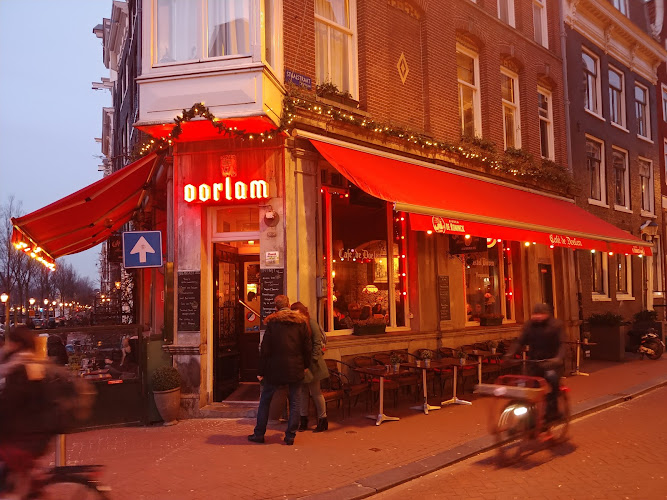
Basjoe is a coffeeshop located in Amsterdam, Netherlands, known for its unique atmosphere and top-notch offerings, including outstanding coffee and a wide selection of…
Cafe de Doelen is a charming cafe in Amsterdam's Centrum district, near the Royal Concertgebouw, serving traditional Dutch cuisine and international dishes with a…
Black Gold Amsterdam is an independent coffee shop and record store in Amsterdam that sells specialty coffee, curated vinyl records, and hosts art exhibits…
Key sites: De Waag (medieval weighhouse), Chinatown walking route (Zeedijk, Fo Guang Shan Temple), Saturday organic market 9AM-5PM. Access: 5-min walk from Centraal Station, Metro Nieuwmarkt station direct. Chinatown highlights: Asian supermarkets, dim sum restaurants, Fo Guang Shan He Hua Temple (largest in Europe). Buddha Day celebration: third Saturday in May. Combine Nieuwmarkt with Red Light District walking tour or canal cruise departure points. Best timing: Saturday morning market atmosphere, weekday evenings for authentic Chinatown dining. Budget 1-2 hours for square + Chinatown exploration.
Access details
Central location with strong public transport connections. While some historic streets are narrow, the main square and thoroughfares are wheelchair accessible.
Practical advice
Generally safe area with high foot traffic and good lighting. Active day and night with regular police presence. The busy nature of the neighborhood means there is usually plenty of activity at most hours.
Local tips
Best dim sum: Nam Kee (locals’ choice), avoid tourist-trap Chinese on Zeedijk main strip. Saturday Nieuwmarkt organic market: arrive 9-10AM for fresh selection before crowds. De Waag café: overpriced for locals, better brown cafés one block away. Fo Guang Shan Temple: free entry, respectful visitors welcome, remove shoes before entering main hall. Zeedijk transformation: northern end (toward Centraal) safer and livelier than southern sections. Grocery bargains: Asian supermarkets offer specialty ingredients 30-40% cheaper than Albert Heijn. Evening activity: Square fills with terraces after 6PM—ideal for people-watching over beer, less expensive than Leidseplein tourist spots.
Food & drink
Daily life & dining
Vibrant urban living with a strong community feel. Popular with young professionals and cultural enthusiasts who appreciate the area’s diversity and central location.
History & local life
The feel of the area
Nieuwmarkt merges medieval heritage with Amsterdam's Chinatown, creating a vibrant crossroads where 17th-century architecture meets Asian markets. The iconic Waag—former city gate turned weighing house—anchors the cobblestone square surrounded by cafés and restaurants. The neighborhood balances tourist activity around Nieuwmarkt Square with residential authenticity along Zeedijk, where Chinese businesses established roots since 1911. Character emerges from contrasts: Saturday organic markets beside daily Asian grocers, historic canal houses adjacent to modern street art, and quiet morning squares transforming into lively evening gathering spots.
Heritage & origins
Created in 1694 by filling in several canals, Nieuwmarkt quickly became a vital market square. The neighborhood has evolved through centuries of urban developments to become a multicultural hub.
Culture & community
This neighborhood reflects a fascinating fusion of Dutch and Asian cultures, particularly Chinese. The blend is evident in architecture, cuisine, and community life.
Population
5500
Area (km²)
0.4
Established
1694
Local context
Nieuwmarkt is a historic, lively neighborhood centered around its namesake square, blending Dutch history and Asian influence as the home of Amsterdam’s Chinatown. Built in 1694 after filling in several canals, the area combines historic architecture, bustling markets, and diverse cultural experiences.
Build Your Own Amsterdam Shortlist
Browse places, save your favourites, and return to your shortlist when you’re ready to go.