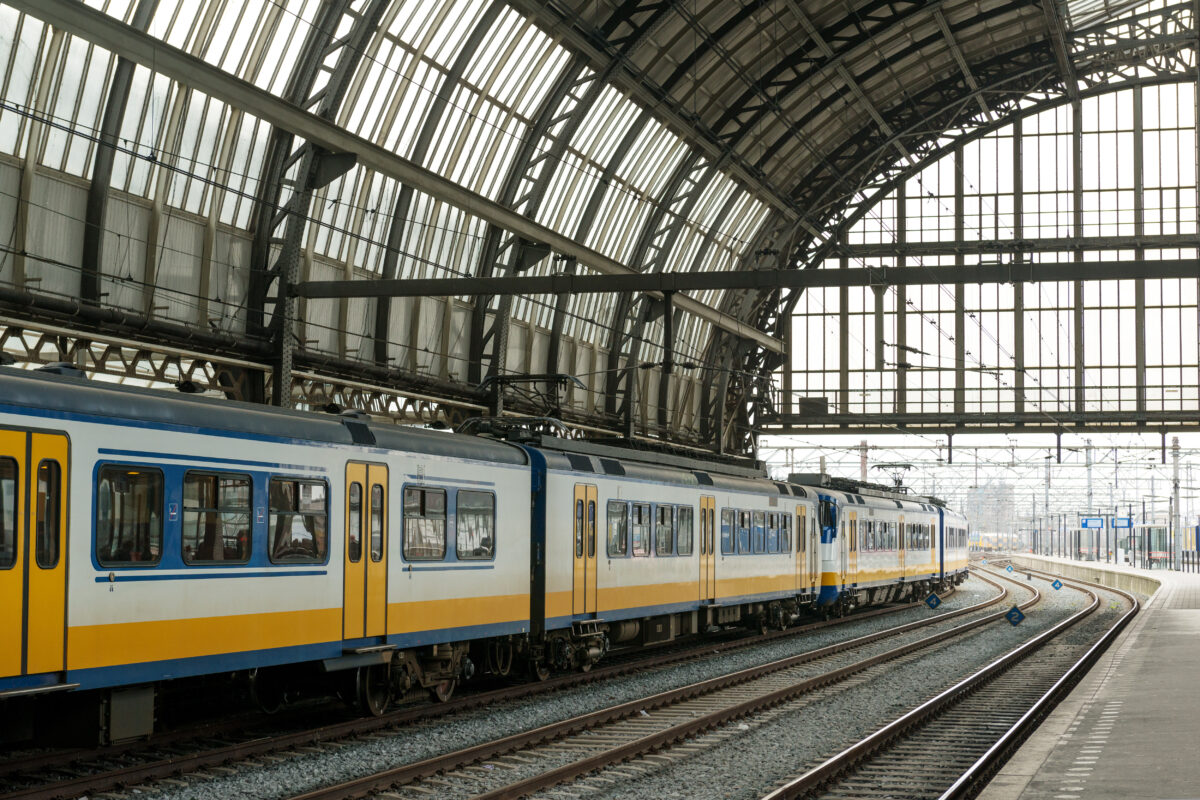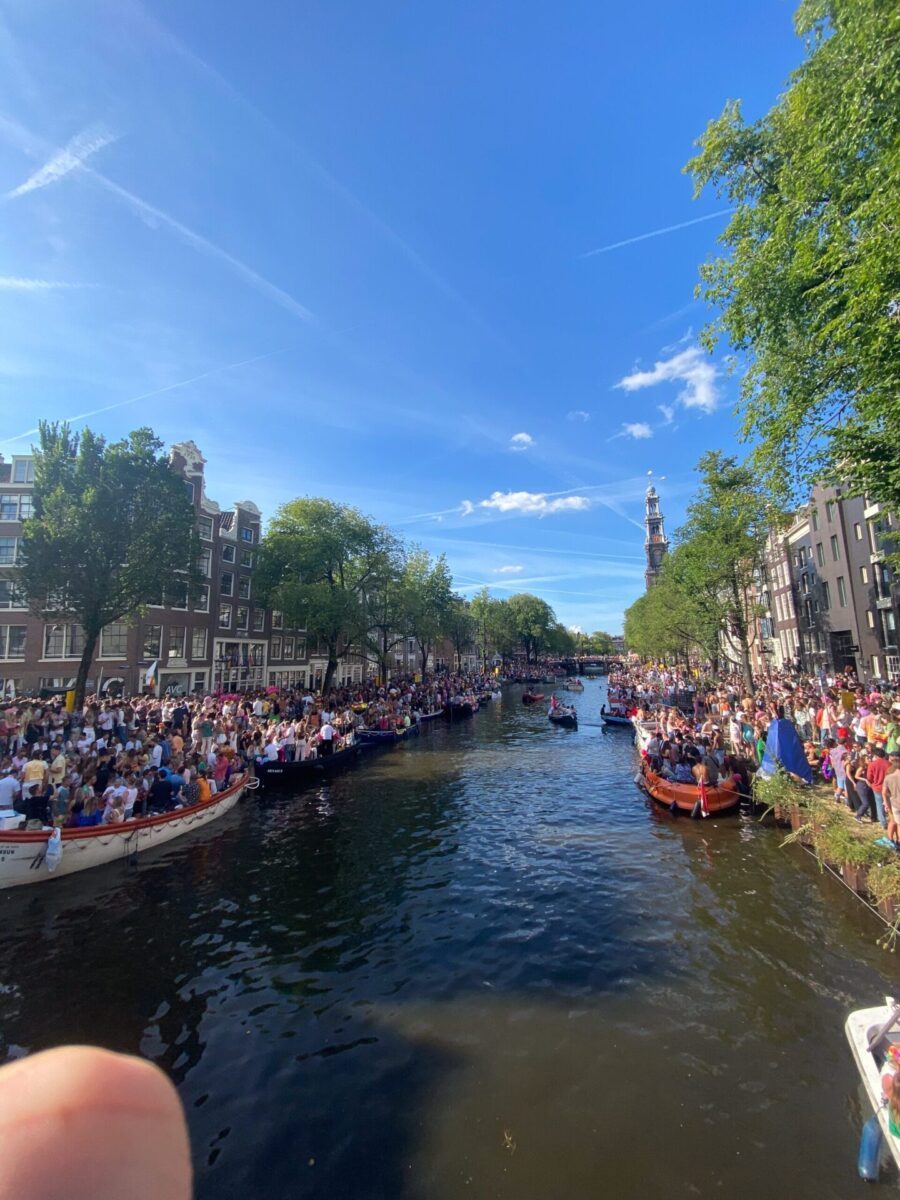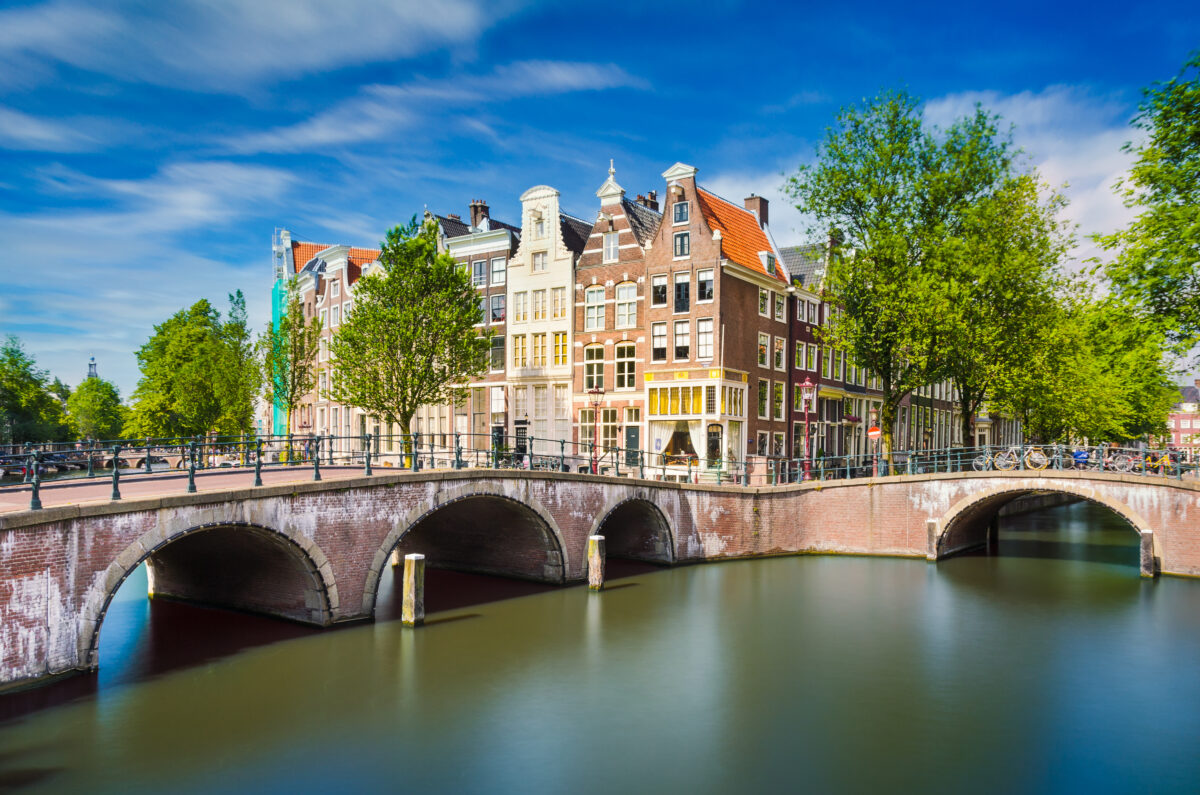
How to visit Amsterdam on a tight budget: keep accommodation flexible, walk most central routes, use public transport only on transit-heavy days, and pay for one or two priority attractions instead of buying every pass. A sensible planning target is about €30–€60 per person for a mostly free day, excluding accommodation. Add roughly €16.50–€25 for one major museum.
I moved to Amsterdam from the United States and spent more than two years learning which “budget” choices actually save money. The main lesson is simple: the cheapest-looking option can cost more after tourist tax, transport, booking fees, and lost time.
Prices and rules were last checked on June 25, 2026. Accommodation rates, event schedules, and ticket availability change frequently, so confirm the final price before booking.
Key takeaways
- Amsterdam charges tourist tax at 12.5% of the overnight price excluding VAT, so compare the final accommodation total rather than the advertised room rate.
- OVpay caps travel on GVB buses, trams, and metro services at €10.50 per day when you check in and out correctly with the same card or device.
- The ferries across the IJ behind Amsterdam Centraal are free for pedestrians and cyclists.
- Separate tickets usually cost less than a museum pass if you plan to visit only one or two paid museums.
- The I amsterdam City Card does not include the Van Gogh Museum, and it gives no discount at the Anne Frank House.
How much should you budget per day in Amsterdam?
Accommodation is the largest and least predictable expense. For day-to-day spending, use the table below as a planning range rather than a price guarantee.
| Expense | Lean approach | Careful but comfortable | What changes the cost |
|---|---|---|---|
| Accommodation | Compare live rates, then add the 12.5% tourist tax if it is not already included | Dates, room type, cancellation terms, location, and events | |
| Food | €25–€30 | €35–€45 | Groceries and bakery meals versus table-service restaurants |
| Local transport | €0–€5 | Up to €10.50 on GVB with OVpay | How much you walk and whether your accommodation is central |
| Paid attractions | €0 | €16.50–€25 for one major museum | Your chosen museum, discounts, and pass value |
| Total excluding accommodation | About €25–€40 | About €50–€80 | Alcohol, nightlife, shopping, and tours can raise this quickly |
1. Book accommodation by total cost, not room rate
A room outside the canal ring can be better value, but only when the transport and time costs still work. Start with well-connected areas such as Amsterdam Noord near a ferry or metro stop, Oost near a tram or metro line, Sloterdijk, or the area around Amsterdam Amstel station. Compare the door-to-door journey, not just the distance on a map.
Amsterdam currently charges tourist tax of 12.5% of the overnight price excluding VAT. Check whether the booking total already includes it. A room advertised at a lower base rate can lose its advantage once tax, breakfast, luggage storage, and transport are added.
- Book a cancellable rate early, then recheck: Amsterdam prices are highly date-sensitive, especially around major events and weekends.
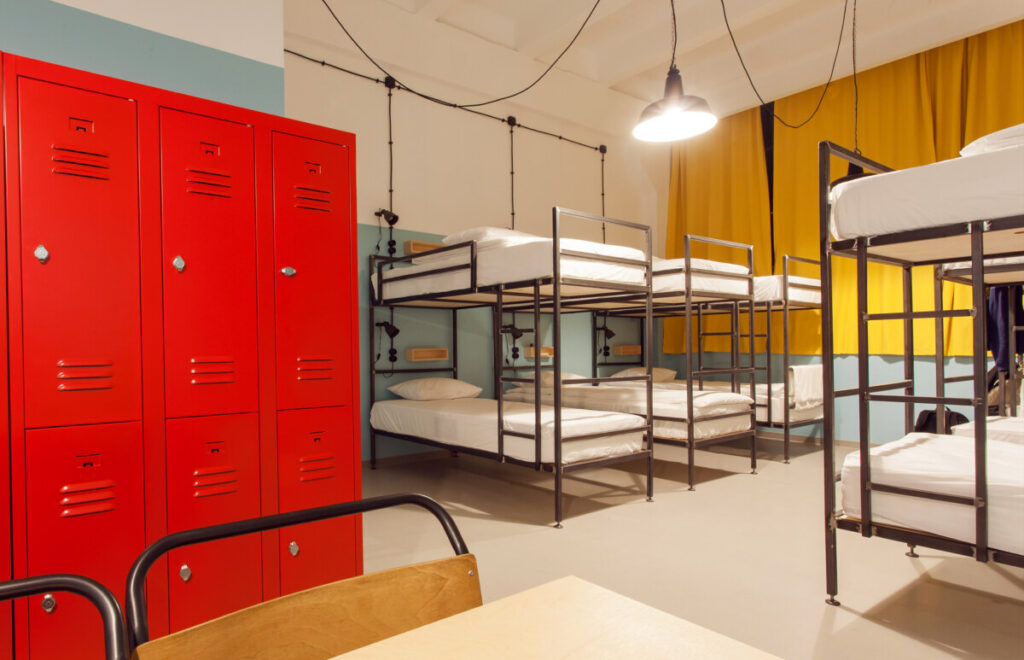
- Compare private hostel rooms with hotels: a guest kitchen, lockers, and included breakfast can matter more than a star rating.
- Stay near useful transport: saving €20 on a room is less attractive if two people each spend time and money commuting twice a day.
- Check short-term rentals carefully: legal Amsterdam holiday rentals require a registration number and permit. The city limits most homes to 30 rental nights per year, with a 15-night limit in parts of Centrum and De Pijp.
Solo visitors should also compare dorm beds, women-only dorms, compact private rooms, and pod-style accommodation. The best option depends on sleep quality and luggage security, not only the nightly price. See our solo travel guide to Amsterdam for more practical tradeoffs.
2. Get from Schiphol without starting with a €50 taxi
The cheapest sensible airport transfer depends on where you are staying. The official Amsterdam visitor guide lists the train from Schiphol to Amsterdam Centraal at €4.90 one way, with a journey of about 17 minutes. The Amsterdam Airport Express bus 397 costs €6.50 one way and serves Museumplein, Rijksmuseum, and Leidseplein.
- Choose the train for Amsterdam Centraal, Sloterdijk, Zuid, or an easy onward rail or metro connection.
- Choose bus 397 when your accommodation is near Museumplein or Leidseplein and the direct stop avoids a transfer.
- Use a taxi only when the group math works: official guidance places a standard city-centre fare around €35–€55, depending on traffic and destination.
Use the official taxi rank or the designated pickup point for an app-based ride. Do not accept a ride from someone soliciting passengers inside the terminal. Also note that airport transport is not included in the I amsterdam City Card. Check the current Schiphol transfer options before departure.
3. Walk first, then use OVpay when transit saves real time
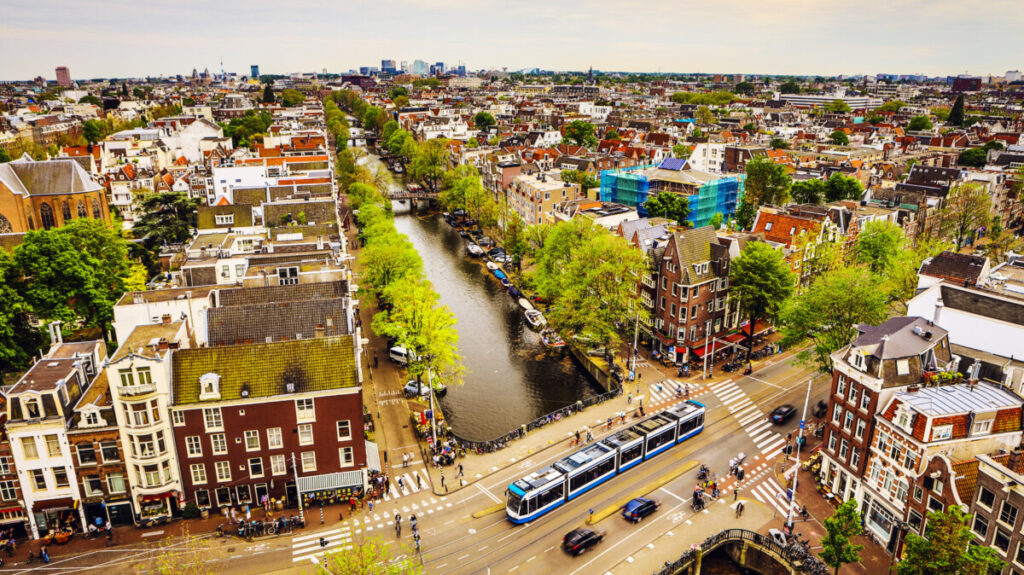
Central Amsterdam is compact enough for many sightseeing days on foot. Walk between nearby sights, then use trams or metro services when they prevent a long backtrack or connect you to Noord, Oost, Zuidoost, or an outer neighborhood.
With OVpay on GVB services, you check in and out using the same contactless bank card, credit card, phone, or watch. GVB trips are capped at €10.50 per day. Each traveler needs a separate card or device, and you must check out when leaving or changing vehicles.
The IJ ferries behind Amsterdam Centraal are even cheaper: they are free. The short crossing to Buiksloterweg works well for the Eye Filmmuseum area, while the NDSM ferry gives you a longer ride and an industrial waterfront to explore. Check the current Amsterdam ferry guidance before setting out.
Cycling is economical only if you are comfortable in fast, rule-driven bike traffic and plan to ride enough to justify the rental. First-time visitors who mainly want the canal ring may save more by walking. If you do rent, read our Amsterdam bike rental tips before joining rush-hour traffic.
For route planning and common ticket mistakes, use our guides to getting around Amsterdam and the public transport mistakes tourists make.
4. Build each day around free sights
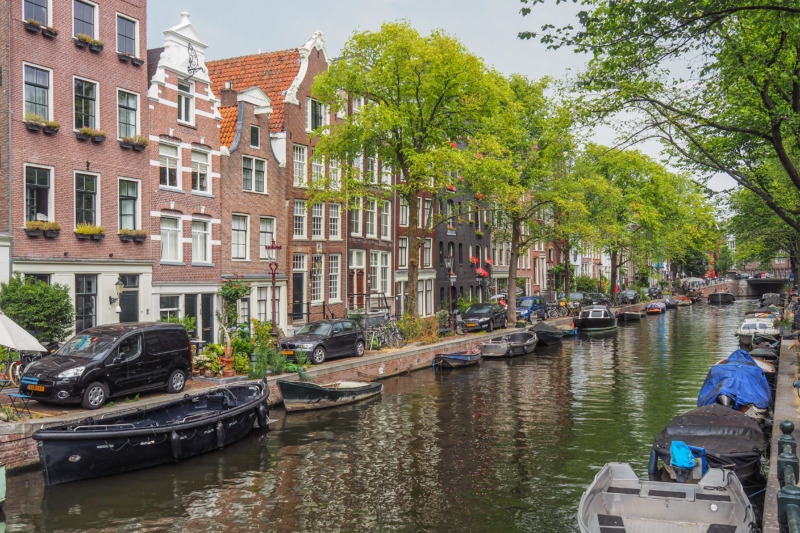
A strong budget day needs a route, not a list of disconnected free attractions. One practical plan is to walk from Amsterdam Centraal through the Jordaan, continue along the canal ring and Nine Streets, then finish around Museumplein or Vondelpark. Reverse the route if your accommodation is south of the centre.
- Walk the Herengracht, Keizersgracht, and Prinsengracht without trying to cover every bridge.
- Explore the Jordaan neighborhood and browse Noordermarkt when it is operating.
- Cross the IJ on a free ferry and explore Buiksloterweg or NDSM.
- Picnic in Vondelpark or Oosterpark rather than paying canal-side restaurant prices.
- Visit the Rijksmuseum gardens, which can be entered without a museum ticket.
A “free walking tour” is normally tip-based rather than free. Decide your tip budget before joining, and book through a reputable operator. Our Amsterdam walking-tour guide explains what to expect.
For more no-cost ideas, use our guide to free things to do in Amsterdam. Pair one paid highlight with several free stops instead of treating every hour as a ticketed activity.
5. Do the museum-pass math before buying

Passes save money only when their included attractions match your actual schedule. A crowded itinerary designed to “get value” from a pass can leave you spending more and enjoying less.
| Option | Current price | What it covers | Best for | Important catch |
|---|---|---|---|---|
| Pay separately | Rijksmuseum €25; Van Gogh Museum €25; Anne Frank House €16.50 | Only the attractions you select | One or two priority museums | Popular museums still require a timed reservation |
| Museumkaart | €75 for adults | More than 500 participating museums in the Netherlands | Several eligible museums in Amsterdam and elsewhere in the country | A temporary visitor pass is limited to five visits within 31 days; transport is not included |
| I amsterdam City Card | €67 for 24 hours; €94 for 48 hours; €115 for 72 hours | More than 70 participating museums and attractions, GVB transport, a canal cruise, and a day of bike rental | A compressed itinerary using several included attractions and transport | Van Gogh Museum is not included; Anne Frank House gives no discount |
When separate tickets are cheaper
If your plan is the Rijksmuseum and Van Gogh Museum, separate adult tickets total €50. The €75 Museumkaart has not paid for itself yet, and a 24-hour City Card does not include Van Gogh. Pay-as-you-go is usually the clearer choice for a relaxed trip with one or two major museums.
When the Museumkaart can work
The Museumkaart costs €75 for adults and covers more than 500 museums. Visitors can buy a temporary card at selected museums for up to five visits within 31 days. Non-EU residents cannot use the digital pass, and a permanent physical card can only be mailed to an address within the EU.
When the I amsterdam City Card can work
The I amsterdam City Card can make sense when you plan several included attractions, a canal cruise, and frequent GVB travel within the same 24-, 48-, or 72-hour window. Do not buy it solely for the two most searched art museums: the Rijksmuseum is included, but the Van Gogh Museum is not.
Reserve popular museums even when admission is covered. The Rijksmuseum requires a start time. The Van Gogh Museum sells timed tickets online only and warns visitors to use its own ticket site or approved resellers. The Anne Frank House releases tickets six weeks ahead each Tuesday at 10:00 CEST and does not sell tickets at the door.
6. Use a three-meal strategy instead of chasing “cheap restaurants”
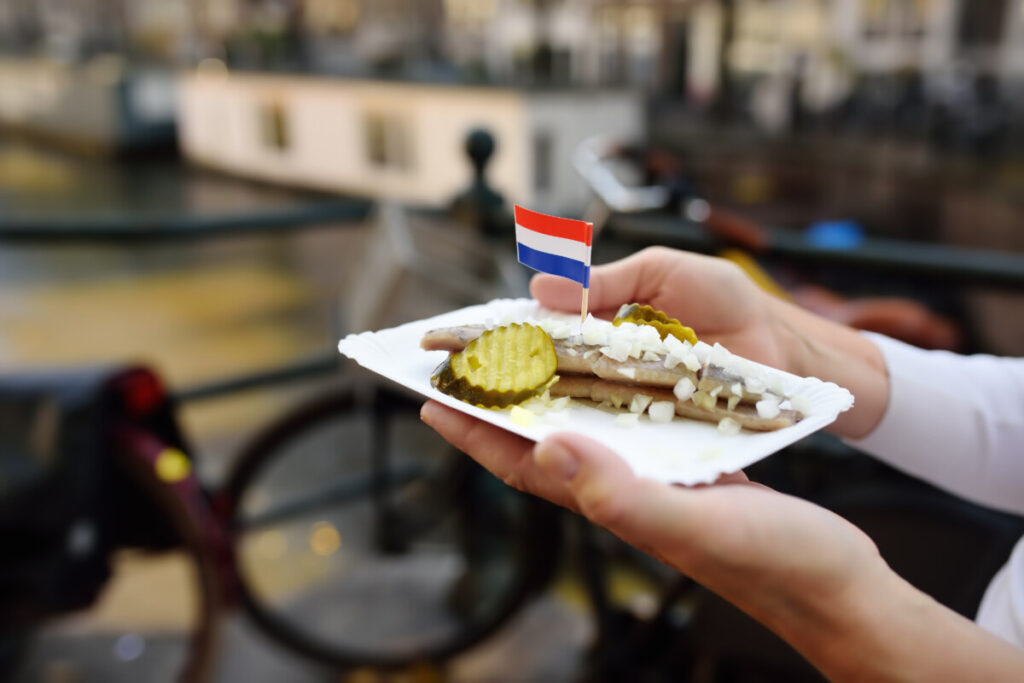
The reliable way to reduce food spending is to control the structure of the day: one grocery or bakery breakfast, one market or takeaway lunch, and one sit-down meal. Trying to make every meal a memorable restaurant experience is where a tight budget usually breaks.
- Breakfast: buy yoghurt, fruit, bread, pastries, or a prepared sandwich from a supermarket or bakery.
- Lunch: compare prices at Albert Cuyp Market, Dappermarkt, bakeries, broodjes shops, and Turkish or Surinamese takeaways.
- Dinner: look away from Dam Square and Damrak for an eetcafé, neighborhood restaurant, or filling takeaway.
- Drinks: carry a refillable bottle and check menu prices before sitting on a prime canal-side terrace.
Our Amsterdam street-food guide and guide to Dutch foods to try can help you choose deliberately rather than buying the first oversized stroopwafel or snack beside a major attraction.
One language detail prevents an expensive misunderstanding: a café is where you go for coffee, lunch, or drinks; a coffeeshop is a licensed cannabis retailer. Check the menu and minimum-order policy before taking a seat in either.
7. Pay for one signature experience each day
A tight budget does not require a joyless trip. It requires choosing what deserves money. Pick one anchor experience—a major museum, a canal cruise, a concert, or a guided tour—then surround it with walks, parks, markets, and neighborhood time.
This approach is usually better than buying a pass and racing between attractions. It also leaves room for weather, queues, a longer lunch, or a place you discover by accident. Before committing, ask three questions:
- Would I pay for this experience if it were not included in a pass?
- Does the reservation time fit naturally into my route?
- What free activity can I pair with it nearby?
Examples: pair the Rijksmuseum with its free gardens and Vondelpark; pair the Anne Frank House with the Jordaan and Westerkerk area; pair a canal cruise with a free ferry or a long canal walk rather than another paid viewpoint.
8. Avoid false economies and hidden costs
The fastest way to overspend is to buy something cheap twice or pay to fix a preventable mistake. These are the budget traps that matter most:
- An illegal or poorly reviewed rental: confirm the registration number, cancellation terms, and final tax-inclusive price.
- An unofficial museum ticket: buy from the museum or an approved reseller, especially for the Van Gogh Museum and Anne Frank House.
- A pass without an itinerary: calculate the attractions you will realistically enter, not the maximum theoretical value.
- A forgotten check-out: use the same payment card or device for OVpay and check out after every journey or operator change.
- A bike you are not ready to ride: Amsterdam traffic is efficient but demanding; walking is cheaper than a rental you barely use.
- A “free” activity with an expected tip: include walking-tour tips in the daily budget.
Read our guide to Amsterdam tourist traps to avoid before paying for a last-minute attraction or restaurant beside a major square.
A realistic three-day Amsterdam budget plan

| Day | Plan | Estimated city spend |
|---|---|---|
| Day 1: free central Amsterdam | Amsterdam Centraal, Jordaan, canal ring, free ferry to Buiksloterweg, grocery or bakery meals | About €25–€40 |
| Day 2: one major museum | Rijksmuseum, free gardens, Museumplein, Vondelpark, GVB only if useful | About €50–€76 |
| Day 3: Jordaan and history | Jordaan, Noordermarkt when operating, canal walk, Anne Frank House if booked, simple dinner | About €42–€67 |
| Three-day total | Excludes accommodation, airport transfer, alcohol, shopping, and nightlife | About €117–€183 |
Use our guide to the best time to visit Amsterdam when comparing dates. A cheaper room can save more than trimming a few euros from meals, so run the accommodation search before polishing the itinerary.
Frequently asked questions
Is Amsterdam possible on a tight budget?
Yes, but accommodation needs early attention. Once the room is covered, walking, free ferries, parks, canal routes, markets, and one carefully chosen paid attraction can keep daily spending controlled.
How much money do I need per day in Amsterdam?
Plan roughly €30–€60 per adult for food, light transport, and free activities, excluding accommodation. A day with one major museum is more realistically €50–€80. Alcohol, nightlife, shopping, and tours are additional.
What is the cheapest way to get from Schiphol to Amsterdam?
For most solo travelers, the train is the best-value option to Amsterdam Centraal. The official visitor guide lists a €4.90 one-way fare and a journey of about 17 minutes. Bus 397 can be more convenient for Museumplein and Leidseplein at €6.50 one way.
Is the I amsterdam City Card worth it?
It can be worth it for a tightly planned day using several included museums or attractions, GVB transport, a canal cruise, and bike rental. It is usually poor value for a relaxed trip with one museum, and it does not include the Van Gogh Museum or an Anne Frank House discount.
Can tourists buy the Museumkaart?
Yes. Visitors can buy a temporary Museumkaart at selected museums. It permits up to five museum visits within 31 days. A permanent card can be mailed only to an address within the European Union, and the digital pass is not available to residents outside the EU.
Are Amsterdam’s ferries free?
The GVB ferries across the IJ behind Amsterdam Centraal are free for pedestrians, cyclists, and mopeds. The Buiksloterweg and NDSM routes are the most useful for visitors.
Is renting a bike the cheapest way to get around?
Not automatically. A bike can be economical for confident riders covering several neighborhoods, but walking is cheaper for a canal-ring itinerary. Add the value of a proper lock, parking time, weather, and your comfort in busy cycling traffic.
The budget decision that matters most
Choose the accommodation and one priority experience first. Then fill the gaps with free routes, parks, markets, and ferries. That order protects the trip from both overspending and the opposite problem: saving so aggressively that you miss the experience you came for.