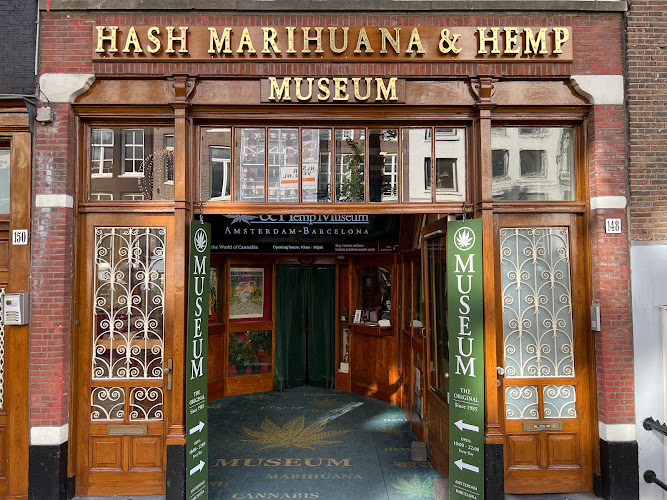
Hash Marihuana & Hemp Museum in Amsterdam
Oudezijds Achterburgwal 148, 1012 DV Amsterdam
{“Monday”: “12-8pm”, “Tuesday”: “12-8pm”, “Wednesday”: “12-8pm”, “Thursday”: “12-8pm”, “Friday”: “10am-10pm”, “Saturday”: “10am-10pm”, “Sunday”: “10am-10pm”}
— LOCAL GEMS

The Walloon Church emerged as a refuge for French-speaking Protestants fleeing persecution. It was crucial in shaping religious and cultural landscapes across Europe, particularly in the Netherlands and its colonies. The Walloon Church took root in the Southern Netherlands during the 16th century. It grew out of the Protestant Reformation, attracting French-speaking believers from the region. These early members, known as Walloons, sought a place to practice their Calvinist faith freely. The church provided a spiritual home for those who faced religious oppression in their native lands. As tensions rose, many Walloons left their homes in search of safety. They found refuge in the more tolerant northern provinces of the Netherlands. Here, they established their first churches, preserving their language and customs.
Location
Walenpleintje 159, 1012 JZ Amsterdam
Listed as open 24 hours every day. Please verify with the venue before visiting.
View 1 locations on the map
Move from this place into the strongest neighborhood and amenity guide paths.

Oudezijds Achterburgwal 148, 1012 DV Amsterdam
{“Monday”: “12-8pm”, “Tuesday”: “12-8pm”, “Wednesday”: “12-8pm”, “Thursday”: “12-8pm”, “Friday”: “10am-10pm”, “Saturday”: “10am-10pm”, “Sunday”: “10am-10pm”}

Plantage Middenlaan 27, 1018 DB Amsterdam
{“Monday”: “10am-5pm”, “Tuesday”: “10am-5pm”, “Wednesday”: “10am-5pm”, “Thursday”: “10am-5pm”, “Friday”: “10am-5pm”, “Saturday”: “10am-5pm”, “Sunday”: “10am-5pm”}

Javastraat 88-90, 1094 HM Amsterdam
Monday:12-2pm, 5:30-9pm|Tuesday:12-2pm, 5:30-9pm|Wednesday:12-2pm, 5:30-9pm|Thursday:12-2pm, 5:30-9pm|Friday:12-2pm, 5:30-9pm|Saturday:12-2pm, 5:30-9pm|Sunday:12-2pm, 5:30-9pm
Official links, contact routes, and social profiles for last-minute checks before you go.
Check reservations, menus, ticketing, and the latest visitor updates.
Open Official websiteUse the direct line for reservations or day-of-visit questions.
Open Call venueCheck current atmosphere, specials, and recent photo updates.
Open InstagramUseful for event updates, opening changes, and announcements.
Open FacebookLocal context
Crowd insights
These crowd patterns are directional, not real-time. Use them to avoid the busiest windows when you are planning your day.
[{“day”: 7, “popular_times”: [{“hour”: 4, “percentage”: 9, “title”: “Usually not busy”, “time”: “3a”}, {“hour”: 5, “percentage”: 13, “title”: “Usually not busy”, “time”: “3a”}, {“hour”: 6, “percentage”: 10, “title”: “Usually not busy”, “time”: “6a”}, {“hour”: 7, “percentage”: 6, “title”: “Usually not busy”, “time”: “6a”}, {“hour”: 8, “percentage”: 5, “title”: “Usually not busy”, “time”: “6a”}, {“hour”: 9, “percentage”: 9, “title”: “Usually not busy”, “time”: “9a”}, {“hour”: 10, “percentage”: 6, “title”: “Usually not busy”, “time”: “9a”}, {“hour”: 11, “percentage”: 9, “title”: “Usually not busy”, “time”: “9a”}, {“hour”: 12, “percentage”: 17, “title”: “Usually not busy”, “time”: “12p”}, {“hour”: 13, “percentage”: 32, “title”: “Usually not too busy”, “time”: “12p”}, {“hour”: 14, “percentage”: 56, “title”: “Usually a little busy”, “time”: “12p”}, {“hour”: 15, “percentage”: 71, “title”: “Usually a little busy”, “time”: “3p”}, {“hour”: 16, “percentage”: 71, “title”: “Usually a little busy”, “time”: “3p”}, {“hour”: 17, “percentage”: 67, “title”: “Usually a little busy”, “time”: “3p”}, {“hour”: 18, “percentage”: 63, “title”: “Usually a little busy”, “time”: “6p”}, {“hour”: 19, “percentage”: 65, “title”: “Usually a little busy”, “time”: “6p”}, {“hour”: 20, “percentage”: 57, “title”: “Usually a little busy”, “time”: “6p”}, {“hour”: 21, “percentage”: 41, “title”: “Usually not too busy”, “time”: “9p”}, {“hour”: 22, “percentage”: 22, “title”: “Usually not too busy”, “time”: “9p”}, {“hour”: 23, “percentage”: 21, “title”: “Usually not too busy”, “time”: “9p”}, {“hour”: 0, “percentage”: 14, “title”: “Usually not busy”, “time”: “12a”}, {“hour”: 1, “percentage”: 17, “title”: “Usually not busy”, “time”: “12a”}, {“hour”: 2, “percentage”: 14, “title”: “Usually not busy”, “time”: “12a”}, {“hour”: 3, “percentage”: 9, “title”: “Usually not busy”, “time”: “3a”}]}, {“day”: 1, “popular_times”: [{“hour”: 4, “percentage”: 14, “title”: “Usually not busy”, “time”: “3a”}, {“hour”: 5, “percentage”: 10, “title”: “Usually not busy”, “time”: “3a”}, {“hour”: 6, “percentage”: 11, “title”: “Usually not busy”, “time”: “6a”}, {“hour”: 7, “percentage”: 4, “title”: “Usually not busy”, “time”: “6a”}, {“hour”: 8, “percentage”: 3, “title”: “Usually not busy”, “time”: “6a”}, {“hour”: 9, “percentage”: 8, “title”: “Usually not busy”, “time”: “9a”}, {“hour”: 10, “percentage”: 12, “title”: “Usually not busy”, “time”: “9a”}, {“hour”: 11, “percentage”: 24, “title”: “Usually not too busy”, “time”: “9a”}, {“hour”: 12, “percentage”: 28, “title”: “Usually not too busy”, “time”: “12p”}, {“hour”: 13, “percentage”: 28, “title”: “Usually not too busy”, “time”: “12p”}, {“hour”: 14, “percentage”: 21, “title”: “Usually not too busy”, “time”: “12p”}, {“hour”: 15, “percentage”: 16, “title”: “Usually not busy”, “time”: “3p”}, {“hour”: 16, “percentage”: 9, “title”: “Usually not busy”, “time”: “3p”}, {“hour”: 17, “percentage”: 16, “title”: “Usually not busy”, “time”: “3p”}, {“hour”: 18, “percentage”: 20, “title”: “Usually not too busy”, “time”: “6p”}, {“hour”: 19, “percentage”: 27, “title”: “Usually not too busy”, “time”: “6p”}, {“hour”: 20, “percentage”: 18, “title”: “Usually not busy”, “time”: “6p”}, {“hour”: 21, “percentage”: 18, “title”: “Usually not busy”, “time”: “9p”}, {“hour”: 22, “percentage”: 10, “title”: “Usually not busy”, “time”: “9p”}, {“hour”: 23, “percentage”: 9, “title”: “Usually not busy”, “time”: “9p”}, {“hour”: 0, “percentage”: 2, “title”: “Usually not busy”, “time”: “12a”}, {“hour”: 1, “percentage”: 1, “title”: “Usually not busy”, “time”: “12a”}, {“hour”: 2, “percentage”: 3, “title”: “Usually not busy”, “time”: “12a”}, {“hour”: 3, “percentage”: 6, “title”: “Usually not busy”, “time”: “3a”}]}, {“day”: 2, “popular_times”: [{“hour”: 4, “percentage”: 4, “title”: “Usually not busy”, “time”: “3a”}, {“hour”: 5, “percentage”: 10, “title”: “Usually not busy”, “time”: “3a”}, {“hour”: 6, “percentage”: 6, “title”: “Usually not busy”, “time”: “6a”}, {“hour”: 7, “percentage”: 6, “title”: “Usually not busy”, “time”: “6a”}, {“hour”: 8, “percentage”: 10, “title”: “Usually not busy”, “time”: “6a”}, {“hour”: 9, “percentage”: 8, “title”: “Usually not busy”, “time”: “9a”}, {“hour”: 10, “percentage”: 14, “title”: “Usually not busy”, “time”: “9a”}, {“hour”: 11, “percentage”: 27, “title”: “Usually not too busy”, “time”: “9a”}, {“hour”: 12, “percentage”: 33, “title”: “Usually not too busy”, “time”: “12p”}, {“hour”: 13, “percentage”: 20, “title”: “Usually not too busy”, “time”: “12p”}, {“hour”: 14, “percentage”: 17, “title”: “Usually not busy”, “time”: “12p”}, {“hour”: 15, “percentage”: 13, “title”: “Usually not busy”, “time”: “3p”}, {“hour”: 16, “percentage”: 10, “title”: “Usually not busy”, “time”: “3p”}, {“hour”: 17, “percentage”: 5, “title”: “Usually not busy”, “time”: “3p”}, {“hour”: 18, “percentage”: 4, “title”: “Usually not busy”, “time”: “6p”}, {“hour”: 19, “percentage”: 11, “title”: “Usually not busy”, “time”: “6p”}, {“hour”: 20, “percentage”: 13, “title”: “Usually not busy”, “time”: “6p”}, {“hour”: 21, “percentage”: 16, “title”: “Usually not busy”, “time”: “9p”}, {“hour”: 22, “percentage”: 10, “title”: “Usually not busy”, “time”: “9p”}, {“hour”: 23, “percentage”: 11, “title”: “Usually not busy”, “time”: “9p”}, {“hour”: 0, “percentage”: 6, “title”: “Usually not busy”, “time”: “12a”}, {“hour”: 1, “percentage”: 6, “title”: “Usually not busy”, “time”: “12a”}, {“hour”: 2, “percentage”: 4, “title”: “Usually not busy”, “time”: “12a”}, {“hour”: 3, “percentage”: 3, “title”: “Usually not busy”, “time”: “3a”}]}, {“day”: 3, “popular_times”: [{“hour”: 4, “percentage”: 0, “title”: “”, “time”: “3a”}, {“hour”: 5, “percentage”: 5, “title”: “Usually not busy”, “time”: “3a”}, {“hour”: 6, “percentage”: 13, “title”: “Usually not busy”, “time”: “6a”}, {“hour”: 7, “percentage”: 26, “title”: “Usually not too busy”, “time”: “6a”}, {“hour”: 8, “percentage”: 16, “title”: “Usually not busy”, “time”: “6a”}, {“hour”: 9, “percentage”: 14, “title”: “Usually not busy”, “time”: “9a”}, {“hour”: 10, “percentage”: 20, “title”: “Usually not too busy”, “time”: “9a”}, {“hour”: 11, “percentage”: 17, “title”: “Usually not busy”, “time”: “9a”}, {“hour”: 12, “percentage”: 20, “title”: “Usually not too busy”, “time”: “12p”}, {“hour”: 13, “percentage”: 13, “title”: “Usually not busy”, “time”: “12p”}, {“hour”: 14, “percentage”: 20, “title”: “Usually not too busy”, “time”: “12p”}, {“hour”: 15, “percentage”: 21, “title”: “Usually not too busy”, “time”: “3p”}, {“hour”: 16, “percentage”: 13, “title”: “Usually not busy”, “time”: “3p”}, {“hour”: 17, “percentage”: 6, “title”: “Usually not busy”, “time”: “3p”}, {“hour”: 18, “percentage”: 5, “title”: “Usually not busy”, “time”: “6p”}, {“hour”: 19, “percentage”: 10, “title”: “Usually not busy”, “time”: “6p”}, {“hour”: 20, “percentage”: 22, “title”: “Usually not too busy”, “time”: “6p”}, {“hour”: 21, “percentage”: 20, “title”: “Usually not too busy”, “time”: “9p”}, {“hour”: 22, “percentage”: 20, “title”: “Usually not too busy”, “time”: “9p”}, {“hour”: 23, “percentage”: 17, “title”: “Usually not busy”, “time”: “9p”}, {“hour”: 0, “percentage”: 13, “title”: “Usually not busy”, “time”: “12a”}, {“hour”: 1, “percentage”: 5, “title”: “Usually not busy”, “time”: “12a”}, {“hour”: 2, “percentage”: 1, “title”: “Usually not busy”, “time”: “12a”}, {“hour”: 3, “percentage”: 0, “title”: “”, “time”: “3a”}]}, {“day”: 4, “popular_times”: [{“hour”: 4, “percentage”: 6, “title”: “Usually not busy”, “time”: “3a”}, {“hour”: 5, “percentage”: 9, “title”: “Usually not busy”, “time”: “3a”}, {“hour”: 6, “percentage”: 4, “title”: “Usually not busy”, “time”: “6a”}, {“hour”: 7, “percentage”: 4, “title”: “Usually not busy”, “time”: “6a”}, {“hour”: 8, “percentage”: 9, “title”: “Usually not busy”, “time”: “6a”}, {“hour”: 9, “percentage”: 19, “title”: “Usually not busy”, “time”: “9a”}, {“hour”: 10, “percentage”: 27, “title”: “Usually not too busy”, “time”: “9a”}, {“hour”: 11, “percentage”: 17, “title”: “Usually not busy”, “time”: “9a”}, {“hour”: 12, “percentage”: 17, “title”: “Usually not busy”, “time”: “12p”}, {“hour”: 13, “percentage”: 18, “title”: “Usually not busy”, “time”: “12p”}, {“hour”: 14, “percentage”: 27, “title”: “Usually not too busy”, “time”: “12p”}, {“hour”: 15, “percentage”: 27, “title”: “Usually not too busy”, “time”: “3p”}, {“hour”: 16, “percentage”: 20, “title”: “Usually not too busy”, “time”: “3p”}, {“hour”: 17, “percentage”: 9, “title”: “Usually not busy”, “time”: “3p”}, {“hour”: 18, “percentage”: 14, “title”: “Usually not busy”, “time”: “6p”}, {“hour”: 19, “percentage”: 29, “title”: “Usually not too busy”, “time”: “6p”}, {“hour”: 20, “percentage”: 51, “title”: “Usually a little busy”, “time”: “6p”}, {“hour”: 21, “percentage”: 43, “title”: “Usually not too busy”, “time”: “9p”}, {“hour”: 22, “percentage”: 29, “title”: “Usually not too busy”, “time”: “9p”}, {“hour”: 23, “percentage”: 11, “title”: “Usually not busy”, “time”: “9p”}, {“hour”: 0, “percentage”: 6, “title”: “Usually not busy”, “time”: “12a”}, {“hour”: 1, “percentage”: 11, “title”: “Usually not busy”, “time”: “12a”}, {“hour”: 2, “percentage”: 12, “title”: “Usually not busy”, “time”: “12a”}, {“hour”: 3, “percentage”: 9, “title”: “Usually not busy”, “time”: “3a”}]}, {“day”: 5, “popular_times”: [{“hour”: 4, “percentage”: 0, “title”: “”, “time”: “3a”}, {“hour”: 5, “percentage”: 0, “title”: “”, “time”: “3a”}, {“hour”: 6, “percentage”: 5, “title”: “Usually not busy”, “time”: “6a”}, {“hour”: 7, “percentage”: 16, “title”: “Usually not busy”, “time”: “6a”}, {“hour”: 8, “percentage”: 27, “title”: “Usually not too busy”, “time”: “6a”}, {“hour”: 9, “percentage”: 26, “title”: “Usually not too busy”, “time”: “9a”}, {“hour”: 10, “percentage”: 16, “title”: “Usually not busy”, “time”: “9a”}, {“hour”: 11, “percentage”: 10, “title”: “Usually not busy”, “time”: “9a”}, {“hour”: 12, “percentage”: 17, “title”: “Usually not busy”, “time”: “12p”}, {“hour”: 13, “percentage”: 14, “title”: “Usually not busy”, “time”: “12p”}, {“hour”: 14, “percentage”: 20, “title”: “Usually not too busy”, “time”: “12p”}, {“hour”: 15, “percentage”: 20, “title”: “Usually not too busy”, “time”: “3p”}, {“hour”: 16, “percentage”: 19, “title”: “Usually not busy”, “time”: “3p”}, {“hour”: 17, “percentage”: 35, “title”: “Usually not too busy”, “time”: “3p”}, {“hour”: 18, “percentage”: 43, “title”: “Usually not too busy”, “time”: “6p”}, {“hour”: 19, “percentage”: 64, “title”: “Usually a little busy”, “time”: “6p”}, {“hour”: 20, “percentage”: 73, “title”: “Usually a little busy”, “time”: “6p”}, {“hour”: 21, “percentage”: 64, “title”: “Usually a little busy”, “time”: “9p”}, {“hour”: 22, “percentage”: 50, “title”: “Usually a little busy”, “time”: “9p”}, {“hour”: 23, “percentage”: 24, “title”: “Usually not too busy”, “time”: “9p”}, {“hour”: 0, “percentage”: 11, “title”: “Usually not busy”, “time”: “12a”}, {“hour”: 1, “percentage”: 2, “title”: “Usually not busy”, “time”: “12a”}, {“hour”: 2, “percentage”: 0, “title”: “”, “time”: “12a”}, {“hour”: 3, “percentage”: 0, “title”: “”, “time”: “3a”}]}, {“day”: 6, “popular_times”: [{“hour”: 4, “percentage”: 4, “title”: “Usually not busy”, “time”: “3a”}, {“hour”: 5, “percentage”: 10, “title”: “Usually not busy”, “time”: “3a”}, {“hour”: 6, “percentage”: 11, “title”: “Usually not busy”, “time”: “6a”}, {“hour”: 7, “percentage”: 4, “title”: “Usually not busy”, “time”: “6a”}, {“hour”: 8, “percentage”: 5, “title”: “Usually not busy”, “time”: “6a”}, {“hour”: 9, “percentage”: 9, “title”: “Usually not busy”, “time”: “9a”}, {“hour”: 10, “percentage”: 18, “title”: “Usually not busy”, “time”: “9a”}, {“hour”: 11, “percentage”: 10, “title”: “Usually not busy”, “time”: “9a”}, {“hour”: 12, “percentage”: 9, “title”: “Usually not busy”, “time”: “12p”}, {“hour”: 13, “percentage”: 9, “title”: “Usually not busy”, “time”: “12p”}, {“hour”: 14, “percentage”: 14, “title”: “Usually not busy”, “time”: “12p”}, {“hour”: 15, “percentage”: 17, “title”: “Usually not busy”, “time”: “3p”}, {“hour”: 16, “percentage”: 34, “title”: “Usually not too busy”, “time”: “3p”}, {“hour”: 17, “percentage”: 51, “title”: “Usually a little busy”, “time”: “3p”}, {“hour”: 18, “percentage”: 72, “title”: “Usually a little busy”, “time”: “6p”}, {“hour”: 19, “percentage”: 88, “title”: “Usually as busy as it gets”, “time”: “6p”}, {“hour”: 20, “percentage”: 100, “title”: “Usually as busy as it gets”, “time”: “6p”}, {“hour”: 21, “percentage”: 87, “title”: “Usually as busy as it gets”, “time”: “9p”}, {“hour”: 22, “percentage”: 66, “title”: “Usually a little busy”, “time”: “9p”}, {“hour”: 23, “percentage”: 36, “title”: “Usually not too busy”, “time”: “9p”}, {“hour”: 0, “percentage”: 25, “title”: “Usually not too busy”, “time”: “12a”}, {“hour”: 1, “percentage”: 14, “title”: “Usually not busy”, “time”: “12a”}, {“hour”: 2, “percentage”: 5, “title”: “Usually not busy”, “time”: “12a”}, {“hour”: 3, “percentage”: 2, “title”: “Usually not busy”, “time”: “3a”}]}, {“day”: “live”, “percentage”: 42, “title”: “Not too busy”, “time”: 10}]
The Walloon Church shared close ties with the Huguenots, French Protestants who also faced persecution. Both groups adhered to Calvinist teachings and used the French language in their services. This connection grew stronger as more Huguenots fled France in the late 17th century.
Upon arrival in the Netherlands, many Huguenots joined existing Walloon congregations. This influx brought new energy and resources to the Walloon Church. The combined community fostered a rich cultural exchange, blending Walloon and Huguenot traditions.
As religious conflicts intensified across Europe, Walloon churches became havens for Protestant refugees. They spread beyond the Netherlands, reaching England and other parts of Europe. In these new locations, Walloon congregations served as cultural bridges.
The Dutch Republic welcomed many of these exiles. At its peak, 43 Walloon Churches dotted the Dutch landscape. These churches preserved the French language and Calvinist practices of their founders and contributed to the economic and cultural growth of their host communities.
Over time, some Walloon churches found their way to Dutch colonies. A notable example stands in New Paltz, New York, a reminder of the faith’s far-reaching influence.
The Walloon Church has a rich history in the Netherlands. It served as a spiritual home for French-speaking Protestants. These churches became important centers for refugees fleeing religious persecution, offering spiritual guidance and community support.
The Walloon Church in Amsterdam, known as the Waalse Kerk, opened its doors in 1586. It found its home in a 15th-century building along the Oudezijds Achterburgwal canal. This church quickly became a beacon for French-speaking Protestants seeking refuge.
Many of these newcomers were Huguenots escaping persecution in France. They brought with them their faith, culture, and skills. The church provided a place to worship in their native language and maintain their traditions.
Services at the Waalse Kerk continue to be held in French. This practice helps preserve the church’s unique heritage and attracts French speakers from various backgrounds.
Walloon churches played a key part in shaping Dutch society. They helped integrate refugees into their new home while allowing them to keep their cultural identity. These churches became hubs of intellectual and cultural exchange.
Many Walloon church members were skilled craftsmen, artists, and thinkers. They contributed greatly to the Dutch Golden Age, bringing new ideas and techniques to the Netherlands. Their influence can be seen in art, science, and trade.
The churches also served as support networks. They helped newcomers find housing, work, and community. This role was crucial in a time when moving to a new country was full of challenges.
Walloon churches spread beyond Amsterdam to other Dutch provinces. They formed a network that stretched across the country. This network helped maintain connections between different French-speaking communities.
In The Hague, the Waalse Kerk became part of the Protestant Church Netherlands. It continues to offer French-language services and serves as a meeting place for people from diverse backgrounds. This shows how Walloon churches adapted to changing times while keeping their core mission.
The impact of these churches went beyond religious life. They helped shape the multicultural character of Dutch cities. Their presence contributed to the Netherlands’ reputation as a haven for religious freedom in Europe.
The Walloon Church in Amsterdam boasts remarkable architectural features that reflect its rich history. Its design combines Gothic and Renaissance elements, creating a unique aesthetic appeal.
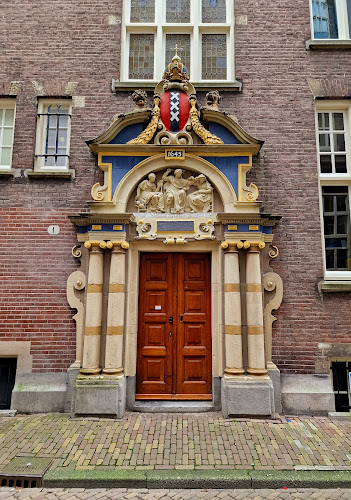
Hendrick de Keyser, a prominent Dutch architect, played a key role in shaping the church’s design. He worked on the building in the early 17th century, adding Renaissance touches to the Gothic structure. De Keyser’s contributions included the elegant entrance portal and the distinctive tower.
The church’s facade showcases his skillful blend of styles. It features pointed Gothic windows alongside classical Renaissance elements like pilasters and ornate decorations. This mix of old and new created a harmonious look that set the Walloon Church apart from other religious buildings in Amsterdam at the time.
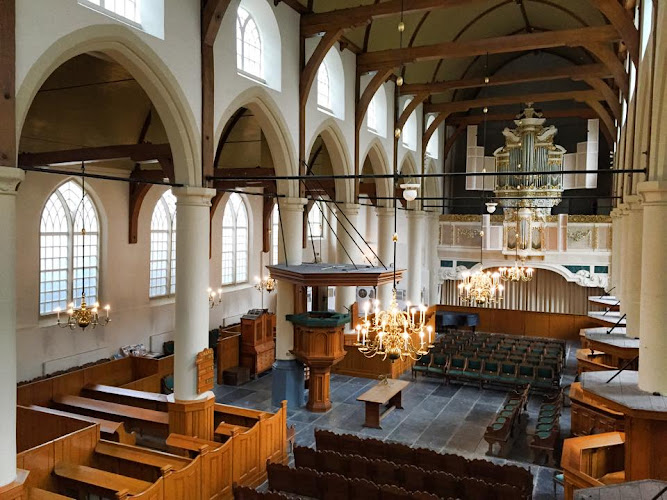
The Walloon Church has several standout architectural features. Its tall, slender tower is a local landmark, visible from many parts of the old city center. Inside, the church boasts a beautiful vaulted ceiling and large windows that flood the space with natural light.
Over the centuries, the building underwent various renovations. In the 18th century, a new organ was installed, adding both musical and visual appeal to the interior. The church also houses notable artworks, including painted glass windows and ornate woodcarvings.
Recent restoration efforts have focused on preserving the church’s historical elements while adapting it for modern use. These updates ensure that the Walloon Church remains a living piece of Amsterdam’s architectural heritage.
The Walloon Church blends Protestant traditions with unique cultural elements. Its practices reflect a rich faith, music, and community service heritage.
Walloon Church services follow Protestant traditions. They focus on Bible readings, sermons, and congregational singing. The church uses French in worship, keeping alive its linguistic roots.
Services are simple but meaningful. They often include:
Some churches have revived old customs. For example, saint processions now happen in some places. But these are more about culture than faith. In one odd twist, a fake priest hands out cucumber slices instead of communion wafers.
Music plays a big role in Walloon Church life. Many churches have impressive pipe organs, which are central to worship and concerts.
The organ at the Walloon Church in Haarlem is famous. Christian Müller built it in 1733. It’s known for its beautiful sound and design.
Church music includes:
Organ concerts are popular events. They bring in both church members and music lovers from the community.
The Walloon Church does more than just hold services. It helps people in need. This work is a key part of putting faith into action.
Church activities often include:
The church sees this work as living out God’s love. It brings people together and builds community. This service draws on the church’s long history of helping others.
The Walloon Church maintained strong connections with French-speaking communities across Europe and beyond. These ties helped preserve the church’s unique identity and cultural heritage.
Walloon churches in the Netherlands kept close links with similar congregations in other countries. They often exchanged ministers and shared resources. For example, the Rotterdam Walloon Church worked with city officials to help Walloon refugees. This shows how the church was tied to local government and international Walloon groups.
The church also had ties to Walloon settlements in North America. Places like Charlevoix, Boyne City, and East Jordan in Michigan became home to Walloon immigrants. These communities kept some Walloon traditions alive, though they didn’t always have their own separate churches.
Walloon churches served as a hub for French-speaking Protestants from different backgrounds. They welcomed Huguenots from France as well as Walloons from Belgium. This mix created a diverse community united by language and faith.
In England, Walloon churches often joined French Huguenot congregations. They shared buildings and ministers in cities like London, helping both groups keep their culture and religion alive in a new country.
The Walloon Church also helped preserve the French language in non-French areas by holding services in French, which helped keep the language alive among its members.
Walloon churches continue to play a significant role in preserving cultural heritage and fostering community engagement. These historic institutions serve as living reminders of past migrations while adapting to meet contemporary needs.
Many Walloon churches have undergone careful restoration to maintain their architectural integrity. Dedicated teams work to conserve original features like stained glass windows and wooden pews. Some churches have been transformed into museums, showcasing artifacts that tell the story of Walloon immigrants.
Digital archives now house important historical documents and records. This allows researchers and descendants to access information about their Walloon ancestors. Local historical societies often partner with churches to organize exhibitions and educational programs about Walloon history and culture.
Walloon churches today serve diverse functions beyond religious services. They act as cultural centers, hosting language classes, music concerts, and art exhibitions. This helps keep Walloon traditions alive for new generations.
Some churches offer guided tours, attracting tourists interested in religious history. Visitors can explore the unique architecture and learn about Walloon’s contributions to their adopted countries.
Community outreach programs run by these churches provide support to residents. Food banks, counseling services, and youth activities foster a sense of belonging. By adapting to modern needs, Walloon churches remain relevant and valued institutions in their communities.
WorldPride Amsterdam 2026 runs July 25–August 8. A local guide to the...
Local Events
June 22, 2026

Skip the museum queue. Amsterdam has 1,000+ free public artworks, from Rokin’s...
Travel Tips
June 22, 2026

Kinderdijk or Zaanse Schans? Both deliver classic Dutch windmills, but the vibe...
Travel Tips
June 16, 2026

Hunting for vintage clothes in Amsterdam? Westerstraat’s Monday Lapjesmarkt and the daily...
Travel Tips
May 26, 2026

Schiphol’s single-terminal layout looks simple but can eat 30 minutes between gates....
Travel Tips
May 26, 2026

Forget fumbling with unfamiliar ticket machines. OVpay lets you tap into Dutch...
Travel Tips
December 29, 2025

Late October turns Amsterdam into one giant electronic-music gathering. These 7 local...
Travel Tips
October 19, 2025

When Amsterdam turns copper and gold, locals know exactly where to stand....
Travel Tips
October 19, 2025

With 1,000+ ADE events spread across hundreds of venues, where you stay...
Travel Tips
September 30, 2025

Behind the Jordaan’s plain doors hide hofjes: serene 17th-century courtyards once built...
Travel Tips
September 30, 2025