Description
Picture this: you’re in Amsterdam, surrounded by iconic canals and handsome old buildings. But instead of just sightseeing, you’re about to try something new: a proper journey into movement and self-discovery. That’s what The Movement Camps in Amsterdam offer curious travelers like you and me.
I’ll admit, I was skeptical when I first heard about these camps. Who wants to “exercise” on vacation, right? Turns out, I had it wrong. These aren’t your average fitness classes. They offer a whole new way to travel and connect with your body.
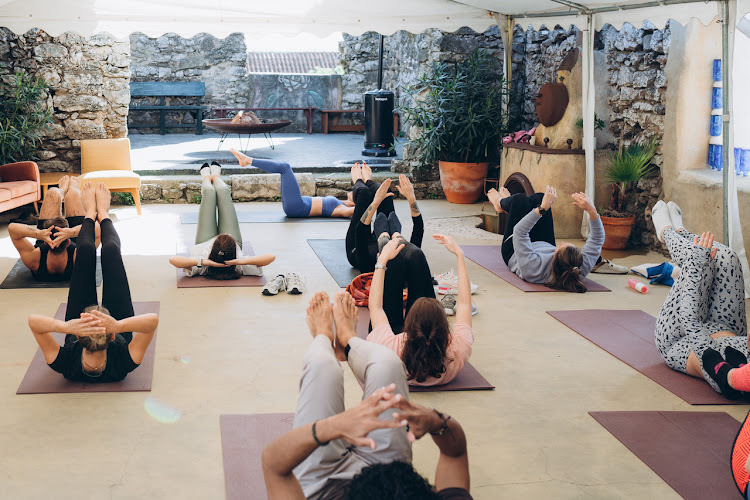
The Movement Camps feel like a playground for adults who haven’t quite grown up, in the best way. They mix yoga, dance, martial arts and even animal-inspired movement into one unusual, addictive experience. Try it once and, well, you might get hooked.
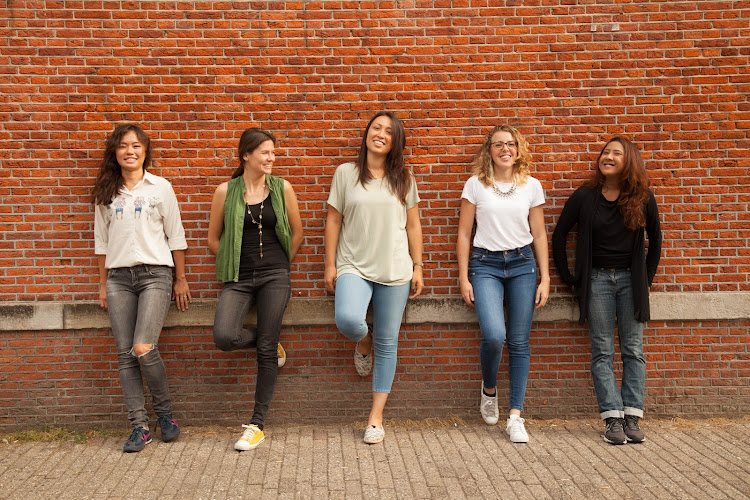
What I like most is how the camps bring together people from all sorts of backgrounds. You’ll meet locals, expats and fellow travelers, all there for movement and exploration. It’s a mini United Nations, just with more handstands and fewer stuffy meetings.
And the instructors? Quite a colorful bunch. There’s Lola Straton, the founder with an ADHD soul (relatable, much?), and Wolf Bogaert, a yoga and meditation teacher. Each brings their own style, so you can sample a bit of everything.
Key Features
So, what makes The Movement Camps in Amsterdam so special? Here’s what you can expect:
1. Diverse Movement Styles: You won’t get bored here. One day you might flow through a vinyasa sequence; the next, you could be learning to move like a wolf (yes, really!). The variety keeps things fresh.
2. Expert Instructors: The camp brings in experienced teachers from around the world. André Dias is basically a human pretzel, while Stas Wojciechowski can probably walk on his hands better than I can on my feet.
3. Community Vibes: This isn’t a silent retreat. The camps build a real sense of community, and you might leave feeling like you’ve joined a big, sweaty family. Don’t be surprised if you come home with new Facebook friends and WhatsApp groups.
4. Holistic Approach: It’s not all about physical movement. The camps also include mindfulness, nutrition and even energy healing. Think of it as a tune-up for body, mind and soul.
5. Amsterdam as Your Backdrop: Let’s face it, Amsterdam makes a pretty good setting. The city adds a little extra magic, and you can reward yourself with a stroopwafel after a day of moving around. Balance, right?
6. Adaptable for All Levels: Whether you’re as flexible as a rubber band or stiff as a board, there’s something for you. The instructors know how to adapt exercises for different abilities.
7. Cultural Exchange: Participants come from all over the world, so you’ll get a taste of different cultures without leaving Amsterdam. Not a bad way to travel the globe in one camp.
8. Personal Growth: Many participants say they experience physical and mental breakthroughs during the camps. You might even discover a hidden talent for acro-yoga.
Best Time to Visit
So, when should you pack your bags and head to Amsterdam for a movement camp?
I’m partial to spring or early fall. Amsterdam in April and May is lovely, with tulips in bloom and the city waking up after winter. The weather’s usually mild enough for outdoor activities, which some camp sessions include.
September and October are good choices too. The summer crowds have eased, but it’s still warm enough to enjoy the city. There’s something special about moving outdoors as the leaves begin to change color in Vondelpark.
The Movement Camps run year-round, though, and every season has its appeal. Summer camps draw plenty of people and often include outdoor sessions, with a festival-like feel. Winter camps are cozier and more introspective, which can feel wonderfully nurturing.
If you love a festival, you could time your visit with one of Amsterdam’s events. Pairing a movement camp with King’s Day in April sounds like a party for body and soul.
Just remember that Amsterdam gets crowded during peak tourist season in July and August. If you’re planning a summer camp, book your accommodation well ahead.
One local tip: pack layers, whatever time of year you visit. Amsterdam weather can be as unpredictable as a cat on catnip. One minute you’re sweating; the next, you’re reaching for a jacket. It’s part of the adventure.
How to Get There
First, let’s get you to Amsterdam. It’s easier than trying to pronounce “Rijksmuseum” after a few Dutch beers.
You’ll probably fly into Amsterdam Airport Schiphol, a major international hub with connections from much of the world. Once you land, you’ve got a few ways to reach the city:
1. Train: This is my favorite. It’s quick, affordable and eco-friendly. The station sits right under the airport, and trains to Amsterdam Central Station run every 10-15 minutes. The journey takes about 15-20 minutes. Easy peasy!
2. Bus: If you’re watching your budget, take the bus. It’s a little slower, at 30-40 minutes, but cheaper than the train. Look for the 397 Airport Express bus.
3. Taxi: You’ll find taxis outside the airport for a door-to-door ride. They cost more, but they’re handy if you’ve got a lot of gear, or you’re just feeling fancy.
4. Uber: Yes, Uber operates in Amsterdam. It’s often cheaper than a traditional taxi and can be a good option if you arrive late at night.
Once you’re in town, getting around is easy. Amsterdam is very walkable, and if your legs get tired from camp, hop on a tram or rent a bike. Just don’t wander into the bike lane while daydreaming about your next handstand. Dutch cyclists don’t mess around!
The exact camp location depends on which one you’ve signed up for, but most are easy to reach by public transport. The organizers usually send detailed directions after you register.
And here’s a little tip: if you get lost, ask a local. Amsterdammers are generally friendly and speak excellent English. It’s also a nice chance to practise your social skills before meeting your fellow movement enthusiasts.