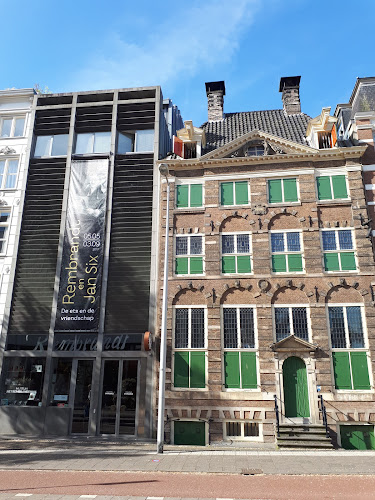
Step directly into the Dutch Golden Age at Amsterdam’s Rembrandt House Museum, where the celebrated artist Rembrandt van Rijn actually lived and created his masterpieces from 1639-1658. Unlike standard art museums, this meticulously restored 17th-century home offers an immersive journey into the daily life and creative process of one of history’s greatest painters.
Quick Reference Guide
Address: Jodenbreestraat 4, 1011 NK Amsterdam, Netherlands
2025 Admission: €21.50 adults, €15.00 youth (up to 25), €8.00 children (6-17), Free for children under 6
Opening Hours: Daily 10:00 AM – 6:00 PM (Closed January 1, April 26, December 25)
Time Needed: 1.5-2 hours
Best Time to Visit: Weekday mornings or late afternoons
Top Tip: Book online to skip the queues and catch the daily etching demonstrations
Why Visit Rembrandt’s House?

While Amsterdam’s Rijksmuseum displays Rembrandt’s paintings, only the Rembrandt House Museum lets you walk through the actual 17th-century home where the artist created them. This isn’t a recreation—it’s the authentic residence where Rembrandt lived and worked for 19 years (1639-1658).
This isn’t just any historical home – it’s where the Dutch master created some of his most significant works, taught his pupils, and built his extensive art collection. The museum brings Rembrandt’s daily life into vivid focus through meticulous restoration based on the inventory of his possessions compiled during his 1656 bankruptcy proceedings.
What makes this experience special is its immersive nature. As you move through these historic spaces, you’re not merely observing Rembrandt’s world – you’re standing in it, experiencing the same natural light that illuminated his studio, seeing the same views from his windows, and gaining incredible insight into the environment that shaped his artistic vision.
The Artist’s Studio: Where Magic Happened
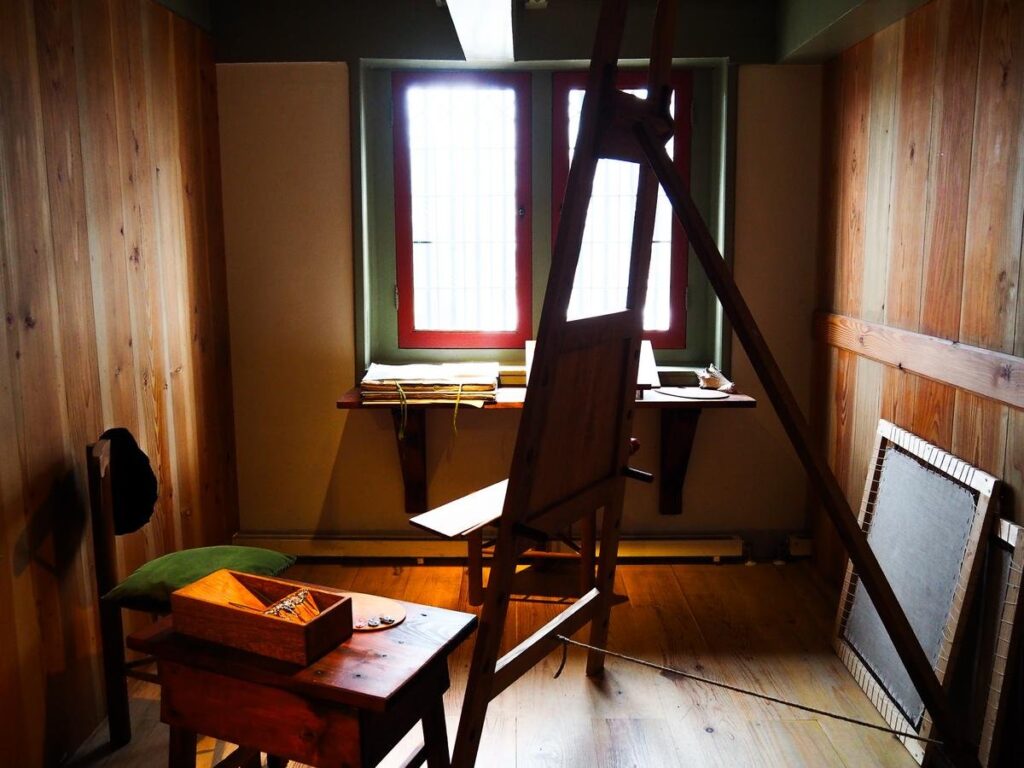
Rembrandt’s studio on the first floor is the undisputed highlight of any visit. With its large north-facing windows providing the consistent, diffused light that painters prize, you can easily imagine the Dutch master at work here. Every detail has been carefully recreated, from the easels and painting tools to the pigments Rembrandt would have ground himself.
I find the daily painting demonstrations held in this space particularly fascinating. Expert instructors demonstrate the techniques Rembrandt and his contemporaries would have used, bringing the creative process to life before your eyes. It’s a tangible connection to artistic methods largely unchanged for centuries.
Beyond the Studio: Exploring the House

While the studio might be the star attraction, the entire house offers fascinating insights into Rembrandt’s life:
- The Entrance Hall: Where Rembrandt would have greeted prestigious clients
- The Living Quarters: Including his modestly furnished bedroom
- The Kitchen: With period-appropriate cooking implements
- The Art Room: Housing Rembrandt’s extraordinary collection of objects that inspired his work
- The Etching Room: Where you can witness demonstrations of the printmaking techniques that brought Rembrandt international fame during his lifetime
Each room has been meticulously restored based on historical records, creating an authentic glimpse into 17th-century Dutch life. The attention to detail extends to the furnishings, decorative elements, and household objects that would have been part of daily life in Amsterdam’s Golden Age.
The Collection: Rembrandt’s Artistic Legacy
While the house is a historical treasure, the museum also houses an impressive collection of Rembrandt’s works, particularly his etchings. The museum possesses nearly the complete collection of Rembrandt’s graphic work – approximately 260 of the 290 etchings he created throughout his career.
These smaller, intricate works showcase Rembrandt’s mastery of light and shadow and his incredible attention to detail. Often overlooked in favor of his paintings, these etchings were actually more widely circulated during his lifetime and are crucial to understanding his artistic impact and commercial success.
The modern wing of the museum hosts rotating exhibitions that provide additional context to Rembrandt’s work, featuring pieces by his teachers, pupils, and contemporaries. This broader view helps visitors understand Rembrandt’s place within the artistic community of 17th-century Amsterdam.
Best Time to Visit the Rembrandt House Museum
Visiting at the right time means more intimate access to Rembrandt’s world with fewer crowds to navigate. While never as packed as the Rijksmuseum, strategic timing will maximize your connection to this historic space and ensure you don’t miss the fascinating live demonstrations.
For the most peaceful experience, aim to arrive right at opening time (10:00 AM) or later in the afternoon (after 3:00 PM). Weekdays are typically quieter than weekends, with Saturday being particularly busy. The museum often sees a lull during typical lunch hours (around 1:00 PM), making this another potential sweet spot.
Seasonally, the shoulder months of April-May and September-October offer the best balance of reasonable weather and manageable crowds. Summer brings more tourists to Amsterdam, while winter visits have their charm – there’s something magical about seeing the historic house on a snowy day.
Getting to the Rembrandt House Museum
The museum enjoys a central location that’s easily accessible by various means:
- Walking: From Dam Square, it’s approximately a 15-minute walk through charming canal streets
- Public Transport: The nearest metro station is Waterlooplein (lines 51, 53, 54), just 3 minutes away on foot
- Tram: Lines 14 and 24 stop at Waterlooplein
- Cycling: Multiple bike rental shops are available nearby, with the museum about 10 minutes from Centraal Station
I strongly recommend against driving, as parking in central Amsterdam is challenging and expensive. If you must come by car, use one of the P+R facilities on the city’s outskirts and continue by public transport.
Practical Tips for Your Visit
After multiple visits to the Rembrandt House Museum, I’ve compiled these insider tips to enhance your experience:
- Pre-book tickets online to avoid queues, especially during peak season
- Download the multimedia tour app (available in 10 languages) before arriving to avoid connection issues and enjoy 45 minutes of expert narration that brings Rembrandt’s world to life
- Check the daily demonstration schedule – the etching demonstrations (10:15 AM-1:15 PM and 1:45 PM-4:45 PM) and painting demonstrations (10:15 AM-5:10 PM) are fascinating and included in your ticket
- Be aware of accessibility limitations – visitors with mobility challenges can fully access the modern wing via elevator (including entrance, museum shop, and temporary exhibitions) but cannot access the historic house’s upper floors due to narrow, steep 17th-century staircases
- Visit the gift shop for unique souvenirs, including high-quality prints of Rembrandt’s works
- Combine your visit with the nearby Waterlooplein market for a full morning or afternoon of Amsterdam exploration
- Consider the I Amsterdam City Card which includes free entry to the museum along with public transport
What Sets the Rembrandt House Museum Apart
The Rembrandt House Museum rewards visitors of all kinds:
- Art enthusiasts: Gain deeper context for appreciating Rembrandt’s creative process and techniques
- History buffs: Experience authentic 17th-century Dutch interiors and daily life
- Casual visitors: Enjoy an accessible, engaging introduction to Dutch Golden Age art and culture
- Photography lovers: Capture unique perspectives in Rembrandt’s actual studio with its famous north-facing light
The museum strikes a perfect balance between historical accuracy and engaging storytelling. Through thoughtful restoration and knowledgeable guides, it vividly brings the past to life without resorting to gimmicky modernization.
From Bankruptcy to Cultural Treasure: The Museum’s Fascinating History
The building’s transformation into a museum rivals Rembrandt’s fascinating life story. After Rembrandt was forced to auction the house in 1658 due to financial difficulties, the building passed through various owners and was divided into two separate homes at one point.
By the early 20th century, the once-grand residence had fallen into disrepair. Recognizing its cultural significance, a group of artists led by Jozef Israëls and Jan Veth campaigned to save it. The city of Amsterdam purchased the dilapidated building in 1907, and after careful restoration, it opened to the public as a museum in 1911.
A more extensive restoration occurred in the 1990s, culminating in 1999, with interiors recreated based on the detailed bankruptcy inventory from 1656. This meticulous attention to historical accuracy makes the Rembrandt House Museum one of Amsterdam’s most authentic historical experiences.
FAQs
Are original Rembrandt paintings displayed here?
While the museum primarily focuses on Rembrandt’s etchings and drawings, you won’t find his major paintings like “The Night Watch” here. For those, you’ll need to visit the Rijksmuseum. However, the painting demonstrations and the unique experience of his actual home more than compensate for this.
Can I take photos inside the museum?
Yes, photography for personal use is permitted throughout the museum, though flash photography is prohibited to protect the artwork and historical items.
Is the museum family-friendly?
Absolutely! Children often find the demonstrations particularly engaging, and the museum offers family-oriented activities during school holidays. The multimedia guide includes content specifically designed for younger visitors.
What makes this museum different from the Rijksmuseum?
While the Rijksmuseum houses many of Rembrandt’s famous paintings in a traditional gallery setting, the Rembrandt House Museum offers a more intimate, contextual experience in the artist’s home and workspace. Ideally, both visits should be visited to completely understand Rembrandt’s life and work.
How accessible is the museum for visitors with mobility restrictions?
The modern wing (including the entrance, museum shop, and temporary exhibition spaces) is wheelchair accessible via elevator. However, the historic house features steep, narrow staircases typical of 17th-century Amsterdam architecture and lacks elevator access.
Why the Rembrandt House Deserves Your Time
In a city filled with world-class museums, the Rembrandt House offers something truly special.
Here, you connect intimately to one of history’s greatest artists in the spaces where he lived and worked. Rembrandt transforms from a mere name in an art history book into a real person who faced triumphs and struggles in these rooms.
As you stand in Rembrandt’s studio, watching the light filter through the north-facing windows just as it did nearly 400 years ago, you’ll gain insights no traditional art museum can provide. In our increasingly digital world, these tangible connections to artistic genius become all the more precious.
Add the Rembrandt House Museum to your Amsterdam itinerary—not just to see where Rembrandt created his masterpieces but also to experience the authentic sights, spaces, and workshop techniques that defined the Dutch Golden Age. It’s an immersive journey through time that will transform how you view every Rembrandt painting you encounter thereafter.
Have you visited the Rembrandt House Museum? Share your experience in the comments below! If you’re planning a trip to Amsterdam and have questions, I’d be happy to help.