Description
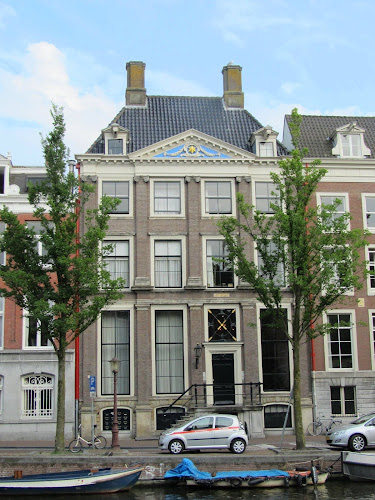
On Kloveniersburgwal, De Star (or De Ster) is one of those canal houses that makes you slow down and take a closer look. Also known as Huis Bambeeck, this 17th-century mansion is a striking example of Dutch Golden Age architecture, and it’s easy to see why it catches people’s eye.
Architect Philips Vingboons designed the building for Nicolaas van Bambeeck, a wealthy merchant. Walking past it feels like getting a glimpse of Amsterdam’s past, right in the middle of the city we know today.
The facade is a real showstopper, with the balanced, symmetrical lines typical of the Dutch Classicist style. Look closer and you’ll spot elegant pilasters, decorative cornices and a triangular pediment. There’s plenty of detail here for architecture fans, but you don’t need to be an expert to appreciate it.
I’m no historian, but the name “De Star” (The Star) may refer to the star-shaped decorations on the building. See if you can spot them as you pass by.
Key Features
Key features and highlights include:
- Facade Design: The facade is a fine example of Dutch Classicism, with a symmetrical layout and a central entrance flanked by large windows. The pilasters give the frontage a sense of grandeur, even if you’re just pausing for a quick look.
- Gable: De Star’s stepped gable crowns the building, with intricate stone carvings that are easy to miss from street level. Bring binoculars if you want a closer look.
- Ornate Details: Keep an eye out for the decorative elements across the facade, from sculpted figures to delicate stonework. There’s a lot to take in, so it’s worth looking twice.
- Historical Significance: Built in the mid-17th century, De Star reflects the wealth and taste of Amsterdam’s merchant class during the Dutch Golden Age. It’s more than a handsome facade; it’s part of the city’s history.
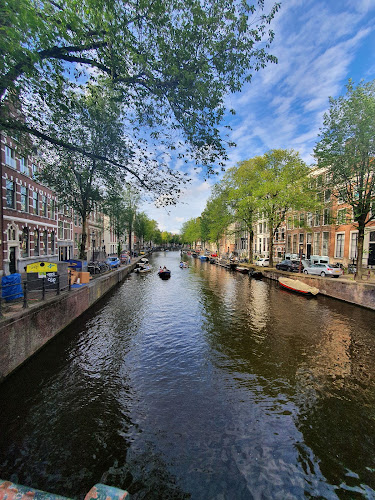
- Canal-Side Location: De Star stands right on Kloveniersburgwal, with the canal and its historic houses all around. It’s a lovely spot for a photo, especially in the soft light of early morning.
- Architectural Influence: Philips Vingboons was one of the most influential architects of his time. De Star shows the Dutch Baroque style at its best, and is a good example of how much character Amsterdam’s canal houses can have.
Best Time to Visit
When should you visit De Star? Since it’s an exterior attraction, you can admire it any time of year. Still, the light and atmosphere change with the seasons, so here are a few things to keep in mind.
Spring (March to May): Spring is my favorite time to see De Star. The weather starts to warm up, the trees along the canal come into bloom, and the soft light brings out the details in the facade. You’ll also miss some of the summer crowds.
Summer (June to August): Summer brings more visitors, but the long daylight hours give you plenty of time to stop by in the evening. On a sunny day, the facade looks especially lovely in the golden-hour light.
Fall (September to November): Autumn leaves make a lovely frame for De Star, and the crowds tend to thin out. On a misty morning, the canal has a quieter, more atmospheric feel.
Winter (December to February): It can get chilly, but De Star looks striking beneath a clear winter sky. You might even catch it dusted with snow, though that’s not something to count on. Wrap up warm either way.
Try visiting at different times of day if you can. Early morning is often quiet, while sunset brings lovely light for photos.
If you’re into photography, the “blue hour”, just after sunset, is worth a try. The warm lights on the building stand out against the deep blue sky, a lovely contrast.
Keep an eye out for local events and festivals, too. Some occasions bring special lighting to the canal houses, giving De Star a different look for the evening.
How to Get There
De Star is in central Amsterdam and easy to reach. Here are a few ways to get there:
By Foot: If you’re already in central Amsterdam, walking is a good option. It’s about a 10-minute walk from Dam Square. Head east along Damstraat, which becomes Oude Doelenstraat, then turn left onto Kloveniersburgwal. De Star will be on your right.
By Bike: Renting a bike is a handy way to get around, and cycling along the canals is part of everyday life here. Just keep your eyes on the road; it’s easy to get distracted by the buildings.
By Public Transport: The nearest metro station is Nieuwmarkt, served by lines 51, 53 and 54. From there, it’s a short walk to De Star. Tram lines 4, 14 and 24 stop at Muntplein, also within walking distance.
By Car: I wouldn’t recommend driving in central Amsterdam. Parking can be difficult, and the narrow streets aren’t much fun behind the wheel. If you do need to come by car, there are a few nearby garages, including one at Waterlooplein.
By Canal Boat: For a different perspective, take a canal tour past De Star. It’s a good way to see the house alongside the other canal-front buildings.
De Star is also a short walk from the Red Light District, so you can combine an architecture stroll with a look around one of Amsterdam’s best-known areas if you like.
While you’re in the area, look out for the other historic buildings along Kloveniersburgwal. The Trippenhuis sits across the canal and is often called the most beautiful house in Amsterdam. I’ll leave you to decide whether it beats De Star.