Description
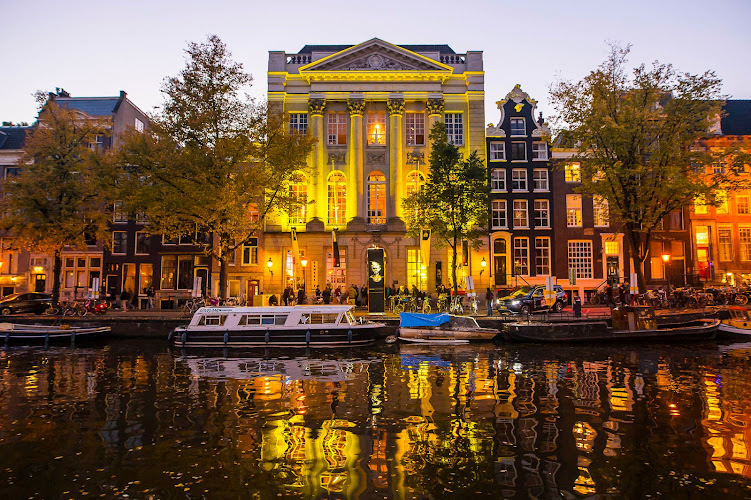
Let me tell you about Amsterdam Dance Event, or ADE, as we call it. It takes over the city for five days every October, with electronic music events, industry talks and late nights all over town. Amsterdam feels different during ADE: music spilling out of venues, people heading between events, and the odd queue forming somewhere you hadn’t expected.
I went for the first time in ’15, and I remember feeling like a kid in a candy store. The energy was electric, though I can’t say I got shocked by the equipment, despite what I used to tell people. There’s a lot to take in, especially if you’re trying to make it to more than one event a night.
ADE isn’t just a festival; it’s also an industry gathering. You’ll find conferences where established names meet emerging producers, workshops on music production, and parties that run late enough to make sleep feel optional.
There’s more to ADE than dancing, too. The program makes room for diversity and inclusion, including events that give underrepresented voices in the music industry a platform. That side of ADE deserves attention just as much as the parties do.
Key Features
Here are a few parts of ADE to look out for. The exact program changes each year, so it’s worth checking what’s on before you start planning your days.
1. Conference Program: Industry professionals, tech specialists and musicians meet to share ideas and talk about where things are headed. I once sat in on a panel about AI in music production and left with plenty to think about.
2. Festival: With over 1000 events across 200 locations in Amsterdam, there’s a lot of ground to cover. Plan your evenings around the venues you want to visit, or you’ll spend half the night figuring out where to go next.
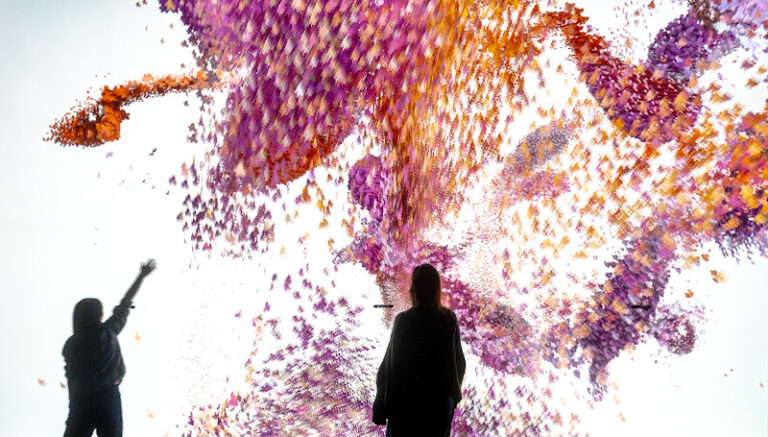
3. Playground: This is the more experimental side of ADE, with art installations, tech showcases and pop-up performances. Some of it might make you stop and think, “huh?” That’s part of the fun.
4. ADE Pro: For people working in the music industry, ADE Pro offers networking opportunities, business insights and plenty of shop talk.
5. ADE Green: This part of the conference looks at sustainability in the music industry. I went to a talk about eco-friendly festival production one year and, honestly, even composting toilets turned out to be an interesting topic.
6. ADE Sound Lab: A place to get hands-on with music technology and check out the latest gear. Fair warning: you may leave with a longer wish list than you arrived with.
7. ADE University & ADE Academy: These programs are aimed at newcomers who want to learn from people already working in the industry. Maybe you’ll be playing the main stage one day, but there’s plenty to learn before then.
8. Cultural Program: ADE also includes art exhibitions, film screenings and other cultural events. It’s a good way to take a break from the music, if you feel like one.
Best Time to Visit
Wondering when to come to ADE? It takes place in mid-October, usually around the third week of the month. Autumn in Amsterdam can be lovely, with changing leaves and crisp air, though the city gets busy as the event approaches.
If you can, arrive a day or two early. I once turned up on the first day and spent too much time getting my bearings while tired travellers and DJs streamed through the airport. Give yourself a little breathing room instead.
Arriving early gives you time to settle in, get to know the city and perhaps catch a pre-event party. You’ll also be in better shape when the main program starts.
The official events usually finish on Sunday, but you might want to stay an extra day to recover. I once booked a Monday morning flight home after ADE, which seemed like a fine idea at the time. It wasn’t; I felt as though I’d spent the weekend at a very loud, very neon war.
October weather here can change quickly. You might get a sunny afternoon, then find yourself caught in a downpour on the way to your next event. Pack layers and a rain jacket, and choose shoes that can handle wet streets.
How to Get There
Planning your trip to Amsterdam for ADE? Unless you’re swimming across the Atlantic, you’ve got a few sensible options:
By Air: Amsterdam Schiphol Airport is the main international airport. Once you land, you can get into the city by train, bus or taxi:
1. Train: This is my favourite option. It’s quick, affordable and runs regularly. Follow the signs at the airport; even after a 10-hour flight and no sleep, I managed to find the platform.
2. Bus: The bus takes a bit longer than the train, but it’s another straightforward way to reach the city.
3. Taxi: If you’re tired or travelling with a lot of luggage, you can take a taxi. It’ll cost more than public transport, so keep that in mind.
By Train: If you’re already in Europe, the train can be a good way to reach Amsterdam. The city has rail connections to many major European cities. I once took the train from Berlin for ADE. It was a long ride, but the scenery made it a pleasant one.
By Bus: Long-distance buses are often a cheaper way to get to Amsterdam. The journey can be long, so bring snacks. You’ll be glad you did if you end up stuck on a 12-hour ride.
By Car: You could drive to Amsterdam if you have a valid license, but parking in the city centre gets difficult during ADE. I tried it once and spent longer looking for a parking spot than I did at the events. Take it from me: check your parking options before you set off.
Once you’re in Amsterdam, public transport makes it easy to get around. Cycling is another good way to see the city, but save it for when you’ve had some sleep. Amsterdam’s bike lanes take a bit of attention, and navigating them after a late techno set isn’t much fun.