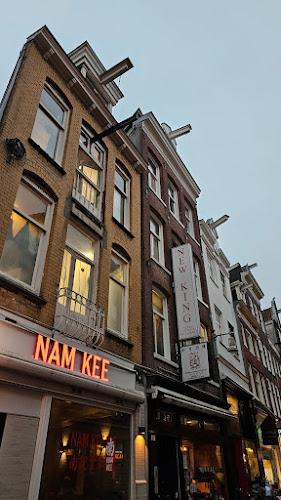
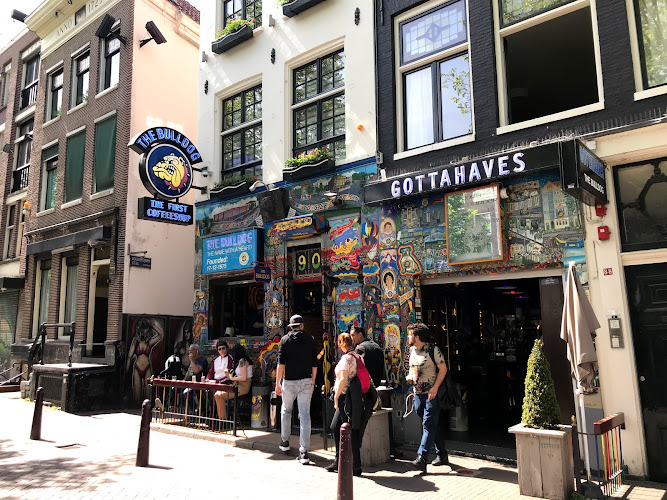
Laid‑back visitors can wander the labyrinthine alleys, admire the 800‑year‑old Oude Kerk, and browse small museums like Red Light Secrets, the Hash Marihuana & Hemp Museum and the Cannabis Museum. Wander along Oudezijds Voorburgwal and Oudezijds Achterburgwal canals, pop into quirky shops on Warmoesstraat and Zeedijk, and sample Indonesian, Surinamese or Chinese cuisine on Zeedijk. Guided walking tours (bookable through official operators) illuminate the district’s history and present day; some are led by sex‑worker advocates from the Prostitution Information Centre. Respect that window workers are not tourist attractions: photography is strictly forbidden and locals will confront you if you try. Amsterdam has recently banned public cannabis smoking in the red‑light district, and authorities restrict access after 1 a.m.; bars close at 2 a.m. and brothels at 3 a.m. The best times to experience the neighbourhood’s atmosphere are early morning or early evening when crowds are thinner and the canals are at their most atmospheric.
Access details
Narrow historic streets can be challenging for wheelchair users. Main thoroughfares are accessible, and the area is well-served by public transport with accessible stations. Major attractions have worked to improve accessibility.
Practical advice
Heavily monitored area with police presence and security cameras. Active around the clock, but visitors are advised to remain respectful and aware of their surroundings. Like any busy tourist area, pickpocketing can occur, so standard precautions are recommended.
Local tips
For a more authentic experience, explore lesser‑known alleys like Trompettersteeg, Bloedstraat and Sint Annendwarsstraat, where tiny cafés and art studios hide behind medieval façades. Visit early in the day to appreciate the architecture without crowds; locals enjoy watching the sunrise over the Oude Kerk. Sample Dutch snacks like haring, bitterballen and stroopwafels from street vendors, or dine at Zeedijk’s Indonesian and Surinamese restaurants.
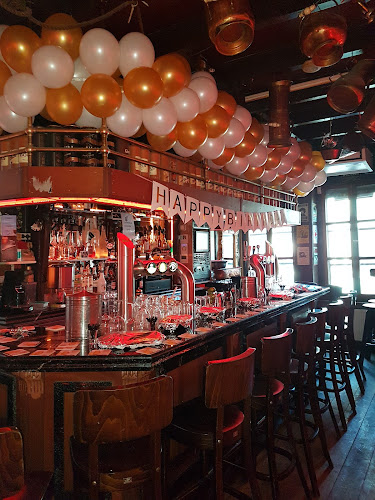
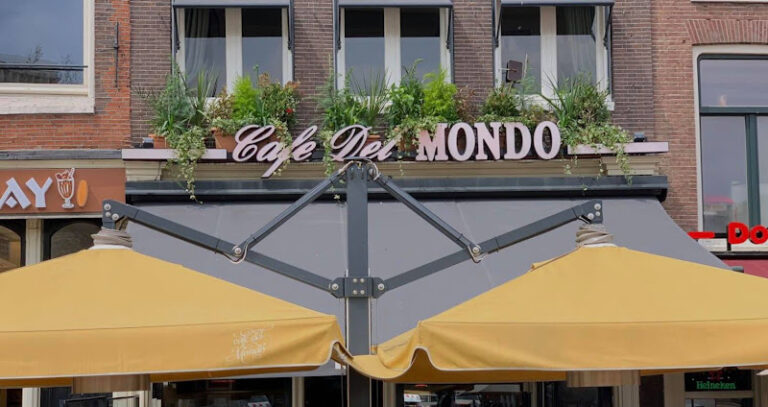
Stop by a brown café to taste jenever (Dutch gin) or beers. Look out for the bronze statue ‘Belle’ on Oudekerksplein, dedicated to sex workers worldwide, and check out the Prostitution Information Centre’s tours for a respectful insight. If you’re curious about the transgender scene, head to Bloedstraat where blue‑lit windows indicate transgender sex workers. Above all, keep noise down, don’t block narrow alleyways, refrain from taking photos of workers, and support local shops and galleries to contribute to the neighbourhood’s diverse economy.
Food & drink
Daily life & dining
Beyond its neon windows De Wallen is one of Amsterdam’s oldest cultural quarters. The Oude Kerk – a 14th‑century church – anchors a warren of courtyards, hidden chapels and leaning gabled houses. For centuries migrants, sailors and outcasts congregated here, leaving behind a tapestry of traditions. Today you’ll find jazz cafés, Surinamese eateries, LGBTQ‑friendly bars, design studios, art galleries and the Prostitution Information Centre. The district even distinguishes between cisgender and transgender sex workers using red and blue lights, and a bronze statue on Oudekerksplein honours sex workers worldwide. Ongoing dialogues between gentrification and inclusion make De Wallen a unique expression of Dutch tolerance.
History & local life
The feel of the area
A labyrinth of narrow canals and medieval lanes where centuries‑old churches, gabled houses and red and blue‑lit windows coexist. Students, residents, artists and migrants live alongside advocacy centres and cafés, creating a gritty yet authentic neighbourhood that juxtaposes free‑spirited hedonism with historic Amsterdam charm.
Heritage & origins
De Wallen traces its roots to a 13th century dam across the Amstel that created a harbour near today’s Dam Square. By 1270–1385 the area was encircled by earthen ramparts and canals (the ‘walls’ that gave it its name) and it soon became a magnet for sailors, traders and sex workers. Through the Dutch Golden Age the district flourished as a seedy port quarter. Authorities oscillated between tolerance and prohibition: in 1578 a Protestant city board outlawed brothels, pushing sex work underground; in 1811 the Napoleonic regime legalised prostitution and introduced health checks; 1911 laws banned brothels again, but sex work persisted in hidden parlours. In the late 20th and early 21st century, the city launched Project 1012 to curb crime and encourage creative businesses, closing some window brothels while preserving the neighbourhood’s heritage. Today the quarter remains a living palimpsest of Amsterdam’s maritime roots and contested attitudes toward sex work.
Culture & community
Despite its worldwide reputation as a red‑light district, De Wallen has deep cultural roots. The Oude Kerk, a 14th century church, anchors a neighbourhood of heritage façades, hidden courtyards and Amsterdam’s oldest canals. The area has long been a melting pot where sailors, migrants, artists and religious minorities mingled. Today you’ll find a mix of sex‑worker advocacy groups, LGBTQ‑friendly bars, jazz cafés, street art and contemporary galleries that embody Amsterdam’s ethos of tolerance. Municipal initiatives like Project 1012 encourage creative entrepreneurs to open studios and fashion boutiques alongside historic brothel windows, highlighting an ongoing dialogue between preservation, gentrification and inclusivity.
Population
965
Area (km²)
1
Established
1300
Local context
Historic Red Light District with medieval streets, nightlife, and heritage.
Build Your Own Amsterdam Shortlist
Browse places, save your favourites, and return to your shortlist when you’re ready to go.