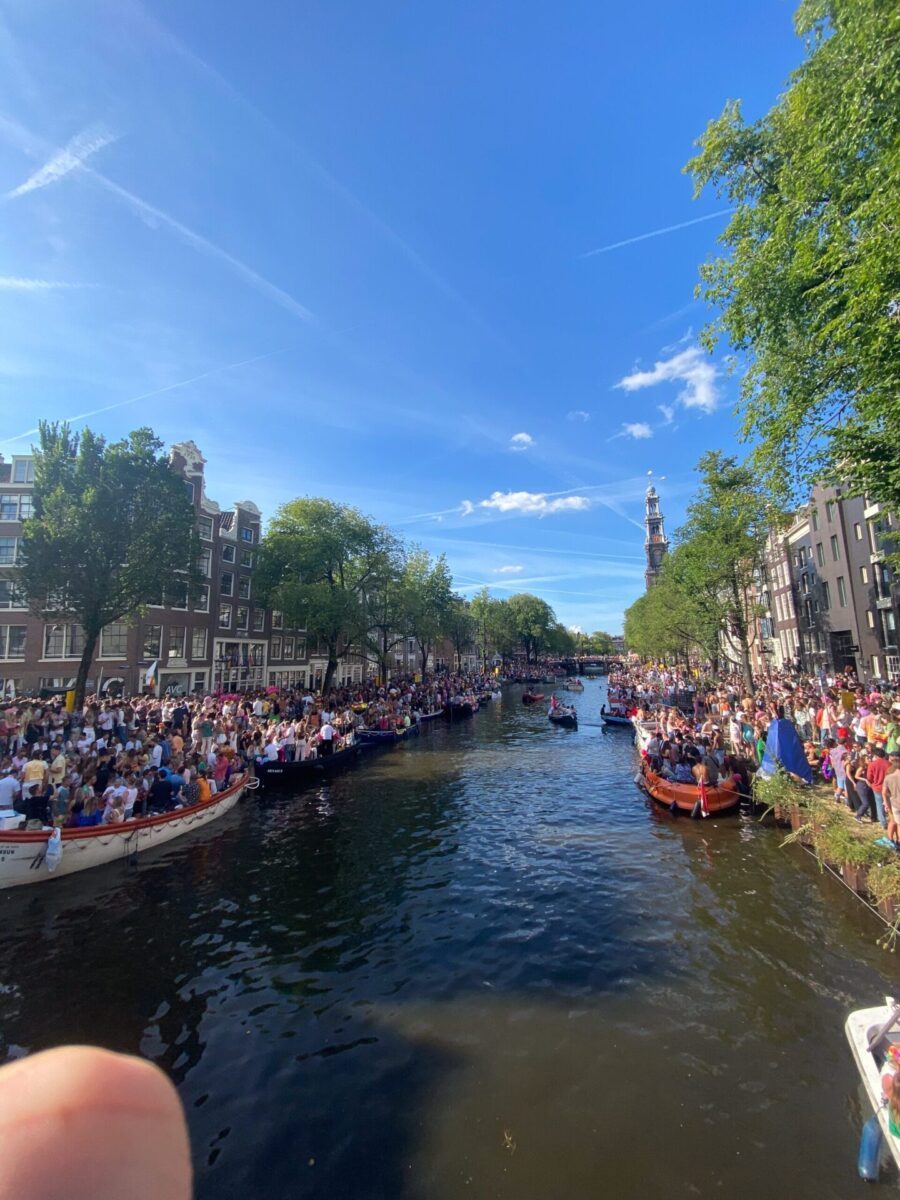
Amsterdam embraces sustainability like a few others. With its picturesque canals and bike-friendly streets, the Dutch capital offers plenty of ways to explore while treading lightly on the environment. You can make a positive impact by choosing eco-friendly transportation, dining at farm-to-table restaurants, and supporting local businesses during your visit.
As you wander through Amsterdam’s charming neighborhoods, you’ll notice solar panels on rooftops and electric boats cruising the canals. The city’s commitment to green living is evident everywhere you look. Responsible travelers have endless options, from staying in eco-certified hotels to shopping at zero-waste stores.
Ready to discover Amsterdam’s sustainable side? Pack your reusable water bottle and get set for an adventure that’s good for you and the planet. Being eco-conscious in this beautiful city is not easy – it’s fun too!
Understanding Amsterdam’s Overtourism Challenges

Amsterdam’s popularity as a tourist destination has skyrocketed in recent years. The city’s charming canals, rich history, and vibrant culture attract millions of visitors annually. But this influx has created some serious problems.
You’ve probably heard about the crowds in Amsterdam. It can feel overwhelming at times, especially in popular areas. The city center often gets packed, making it hard for locals to go about their daily lives.
Rising housing costs are another big issue. As more properties are turned into vacation rentals, it’s getting tougher for residents to find affordable homes, pushing many people out of the neighborhoods they love.
The city is taking steps to address these challenges:
- Limiting short-term rentals
- Promoting visits to less crowded areas
- Discouraging disruptive behavior
You can help by being a responsible visitor. Consider staying in less touristy neighborhoods and exploring off-the-beaten-path attractions. This spreads the economic benefits of tourism more evenly.
Remember, Amsterdam is more than its famous Red Light District and coffee shops. By venturing beyond these areas, you’ll discover the city’s true character and help ease the pressure on overcrowded spots.
Sustainable Transportation Options

Amsterdam offers excellent eco-friendly ways to get around. You can easily explore the city while minimizing your environmental impact.
Biking

Biking is the quintessential Amsterdam experience. The city boasts over 400 km of bike lanes, making it a cyclist’s paradise.
You’ll find bike rental shops all over town, offering a variety of options from classic Dutch bikes to e-bikes. Many hotels even provide bikes for guests.
Pedaling through Amsterdam’s picturesque streets lets you soak in the local culture at your own pace. It’s a great way to discover hidden gems and charming neighborhoods. Plus, you’ll blend right in with the locals – nearly half of all trips in the city are made by bike!
Remember to follow traffic rules and use hand signals. Lock your bike securely when parking, as bike theft can be an issue.
Public Transit

Amsterdam’s public transportation system is clean, efficient, and largely powered by green electricity. You have several options:
- Trams: Perfect for shorter trips within the city center
- Metro: Ideal for reaching outer neighborhoods quickly
- Buses: Connect areas not served by trams or metro
- Ferries: Free services across the IJ river
To use public transit, buy an OV-chipkaart at stations or convenience stores. This rechargeable card works on all modes of transport. For shorter stays, consider day passes or multi-day tickets.
Many trams and buses run on green electricity, reducing their carbon footprint. By choosing public transit, you’re supporting Amsterdam’s sustainability efforts.
Supporting Local Businesses

Amsterdam’s local businesses greatly influence the city’s charm and sustainability. By shopping and eating at small, independent places, you help keep the local economy strong and cut down on shipping goods from far away.
Local Shops

Amsterdam has lots of cool little shops. Here, you can find unique gifts, clothes, and souvenirs made by local artists and craftspeople.
Try visiting the Nine Streets area for cute boutiques and vintage stores. The Jordaan neighborhood also has many small shops selling handmade goods.
Look for stores that use eco-friendly materials or support fair trade practices. Some shops even upcycle old items into new products. By buying from these places, you’re helping local families and cutting waste.
Farmers’ Markets

Visiting Amsterdam’s farmers’ markets is a great way to eat fresh and support local growers. The Albert Cuyp Market is open six days a week and has over 250 stalls. You can buy local cheeses, breads, fruits, and veggies straight from Dutch farmers.
On Saturdays, the Noordermarkt is known for organic produce. Try regional specialties like stroopwafels or poffertjes made right in front of you.
Buying at markets means less packaging and shipping than in supermarkets. Chatting with vendors and learning about Dutch food culture is also fun.
See Related: How to Get Around Amsterdam: Insider Secrets for Easy City Navigation
Respectful Behavior In Residential Areas

When you visit Amsterdam, remember that many charming neighborhoods are home to locals. Be a good guest by following these tips:
Keep noise down, especially at night. Amsterdammers value peace in their homes. Avoid loud conversations or music after 10 PM.
Don’t block entrances or sit on stoops. These are private spaces, not public seating areas. Find a bench or cafe instead.
Ask before taking photos of people’s homes. Many residents feel uncomfortable with strangers photographing their property. A quick smile and nod can go a long way.
Stick to designated paths and bike lanes. Don’t wander into private gardens or courtyards. Respect “residents only” signs.
Use public restrooms. Don’t relieve yourself in alleys or doorways. Amsterdam has plenty of public toilets available.
Dispose of trash properly. Keep Amsterdam’s streets clean by using bins or taking rubbish with you. Never litter in residential areas.
Be mindful of cannabis use. While it’s tolerated in coffeeshops, smoking on the street near homes is frowned upon. Find a designated spot instead.
By showing consideration, you’ll have a more positive experience and help preserve Amsterdam’s livable neighborhoods for residents and future visitors.
Ethical Considerations For Visiting The Red Light District

When visiting Amsterdam’s Red Light District, being respectful and mindful of the people who live and work there is crucial. Remember, this is a real neighborhood where people call home.
Treat sex workers with dignity and respect. They’re human beings doing a job, not tourist attractions. Don’t stare, point, or make rude comments.
Photography is a big no-no. It’s disrespectful and illegal to take pictures of the workers in windows. Keep your camera and phone tucked away.
Be aware of your behavior. Avoid shouting, littering, or causing a disturbance. The area has residents trying to go about their daily lives.
Skip the organized “tours” of the windows. These can be exploitative and make workers uncomfortable.
Don’t carry open alcohol on the streets. It’s against local laws and can lead to fines.
Consider visiting during daytime hours when the atmosphere is calmer. Nighttime can get rowdy and crowded, especially on weekends.
Support ethical businesses in the area. Look for places that promote fair working conditions and sustainability practices.
Being a responsible visitor, you help balance tourism and the local community. Your actions can make a positive impact on this historic district.
Sustainable Accommodation Options

Amsterdam offers many eco-friendly places to stay that help reduce your carbon footprint. You can choose from budget-friendly hostels or upscale green hotels, all committed to sustainable practices.
Hostels

Hostels are a great choice for budget-conscious travelers who want to minimize their impact. Many Amsterdam hostels use renewable energy and have recycling programs. Some even grow their food on rooftop gardens!
Stayokay Amsterdam Vondelpark is a popular eco-hostel in a beautiful park. It uses solar panels for energy and serves local, organic food in its café.
Another good pick is ClinkNOORD. This hostel is in a former laboratory across from Central Station.
They use energy-efficient lighting and encourage guests to reuse towels. You can join their free walking tours to learn about Amsterdam’s sustainability efforts.
Eco-Friendly Hotels

Amsterdam has several green hotels that provide a more luxurious stay. These places focus on reducing waste, saving energy, and supporting the local community.
The QO Amsterdam is a standout option. This hotel has a rooftop greenhouse where vegetables are grown for its restaurant.
Their rooms have smart technology to lower energy use. They even filter and bottle their water to reduce plastic waste.
Another great choice is the Conscious Hotel Westerpark. It’s powered completely by wind energy, and the hotel furniture is recycled. They serve organic breakfast and offer free bike rentals for guests.
When booking, look for hotels with Green Key certification. This label shows they meet strict environmental standards.
Eco-Friendly Tours And Activities

Amsterdam offers many ways to explore the city sustainably. You can join guided walks or take eco-friendly boat rides to see the sights while reducing your impact.
Walking Tours

Green Amsterdam tours let you discover the city’s eco-highlights on foot. You’ll visit sustainable spots like urban gardens and green buildings.
These tours often last about 2.5 hours and cover around 10 km. As you go, your guide will point out bike lanes and other eco-friendly features.
Some tours focus on conscious shopping. You’ll visit ethical fashion boutiques and zero-waste stores. It’s a great way to find unique, sustainable souvenirs.
Tours usually meet at easy-to-find spots in the city center. Group sizes are often small, letting you ask questions and chat with your guide.
Sustainable Canal Cruises

See Amsterdam’s famous canals and the greenway on an eco-friendly boat tour. Many companies now use electric boats to cut noise and air pollution. These quiet vessels let you enjoy the sights and sounds of the city in peace.
Look for tours that use recycled materials in their boats. Some even have solar panels to charge the batteries. Tour guides often share info about Amsterdam’s water management and sustainability efforts.
Cruises usually last 1-2 hours. You’ll glide past historic buildings and under picturesque bridges.
Some tours offer drinks made with local ingredients. It’s a relaxing way to see the city while supporting green businesses.
See Related: Amsterdam’s Underground Theater Scene: Performances You Can’t Miss
Reducing Plastic Waste And Environmental Impact

Amsterdam takes sustainability seriously. You can help protect the city’s environment by making eco-friendly choices during your visit. Small actions add up to make a big difference.
Tips For Eco-Conscious Travel

Bring a reusable water bottle and shopping bag with you. Amsterdam’s tap water is safe to drink, so you can easily refill your bottle at fountains around the city. This cuts down on plastic bottle waste.
Choose eco-friendly transport options. Rent a bike or use public transit instead of taxis.
Amsterdam’s bike lanes make cycling a breeze, even for beginners. The tram and metro system is efficient and runs on green electricity.
Shop at local markets and eco-stores. The Albert Cuyp Market offers fresh produce with less packaging. Stores like Little Plant Pantry sell package-free groceries and household items.
Stay in green hotels. Many Amsterdam hotels use renewable energy and have water-saving features. Some even grow their herbs and vegetables in rooftop gardens.
Try plant-based dining. Amsterdam has lots of vegan and vegetarian restaurants.
Eating less meat lowers your carbon footprint. For tasty veggie options, check out places like Mr. & Mrs. Watson.
Cultural Sensitivity And Respecting Local Customs

When you visit Amsterdam, it’s crucial to be mindful of local culture and traditions. The Dutch are known for their directness, so don’t be surprised if people speak their minds openly. This isn’t rudeness – it’s just part of their culture.
Respect personal space. Dutch people value privacy, so avoid getting too close or touching strangers.
When you’re out and about, be aware of bike lanes. Don’t walk or stand in them – cyclists have the right of way.
Cannabis is legal in coffeeshops, but public consumption isn’t allowed. If you partake, do so responsibly and only in designated areas. Remember, Amsterdam is more than just its coffee shops.
Here are some quick tips to show respect:
- Learn a few Dutch phrases like “dank je wel” (thank you)
- Ask before taking photos of people or private property
- Keep noise levels down, especially at night
- Don’t litter – use trash bins or take your waste with you
When visiting museums or churches, dress modestly and follow any rules about photography or noise. In restaurants, it’s polite to eat with a knife and fork, even for foods you might eat with your hands at home.
By being sensitive to Dutch customs, you’ll have a more authentic experience and show respect for the city you’re visiting. Locals will appreciate your efforts, making your trip more enjoyable for everyone.
See Related: A Local’s Guide to Amsterdam’s Seasonal Highlights: What to Do Year-Round
Tips For Being A Responsible Tourist In Amsterdam

Amsterdam is a beautiful city that welcomes millions of visitors each year. As you explore, it’s important to be mindful of your impact. Here are some easy ways to be a responsible tourist:
Use eco-friendly transportation. Rent a bike or take public transit instead of driving. Amsterdam’s bike lanes and tram system make getting around a breeze.
Support local businesses. Skip the big chains and eat at family-owned restaurants.
Buy souvenirs from small shops and markets. This puts money directly into the local economy.
Be quiet at night. Many residents live in the city center. Keep your voice down when walking through neighborhoods after dark.
Respect the canals. Don’t litter or throw anything in the water. Take a canal tour to learn about their history and importance.
Visit sustainable attractions. Check out places like the Foodhallen food market or the repurposed NDSM Wharf. Both showcase Amsterdam’s creative reuse of old spaces.
Stay in green accommodations. Look for hotels with eco-certifications or sustainability programs. Some even use solar power or have beehives on the roof!
Try local, organic food. Amsterdam has lots of farm-to-table restaurants and cafes serving Dutch specialties. It’s a tasty way to reduce your carbon footprint.
By following these tips, you’ll have a great time while helping keep Amsterdam beautiful for future visitors. Your choices make a difference!