Cape Town Social Club is a small, South African–led restaurant and cocktail bar at Raamstraat 27 in central Amsterdam, a few minutes’ walk from Leidseplein. It opened in autumn 2022, seats a compact dining room, and serves a chef’s menu plus à la carte and sharing plates built on South African reference points, Cape Malay spicing, biltong, braai-adjacent technique, alongside an international wine and cocktail list. Expect dinner service only on most nights, roughly €100 per person with drinks, and reservations that are effectively mandatory rather than optional.
The essentials at a glance
- Address: Raamstraat 27, 1016 XL Amsterdam
- Phone: +31 6 44759720
- Cuisine: South African, with international and South American influences
- Format: Chef’s menu plus shared plates; cocktail bar
- Typical hours: Dinner from 18:00, Tuesday or Wednesday through Saturday; a Saturday lunch sitting appears on some listings. Hours have changed more than once since opening, so confirm before you book.
- Price: Around €90–€100 per person with wine
- Booking: Required in practice; the room is small
- House policies: No small children and no animals; allergies and dietary requirements need 24 hours’ notice, or a €10 per-course adjustment charge may apply
What kind of restaurant it actually is
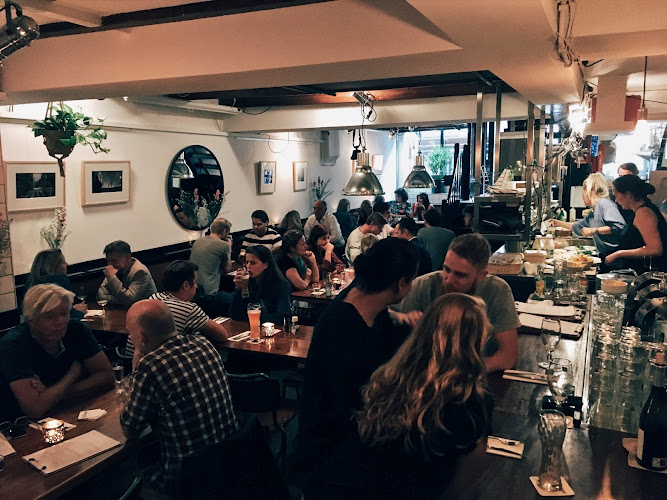
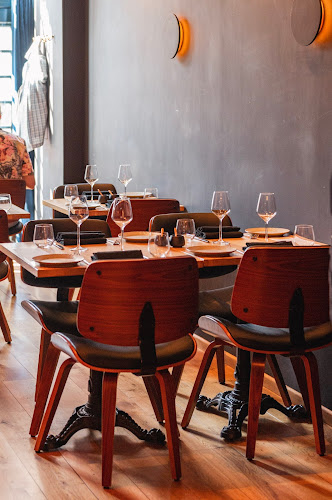
The name is doing deliberate work. “Social club” signals a room you settle into for an evening rather than a formal gastronomic progression, and that is roughly how the place operates: casual fine dining in an intimate setting, with an open kitchen, low lighting, and a bar that is treated as a genuine part of the offer rather than a waiting area. The kitchen is led by Sebastian Erasmus, whose background includes The Test Kitchen in Cape Town as well as La Rive and TWR, working alongside Alexander Heim.
It is worth setting expectations correctly on the cuisine. This is not a braai house and it is not a heritage South African canteen. The cooking uses South African ingredients and reference points as a starting point and then applies European fine-dining technique, which is why several Dutch reviewers describe it as South African with an international touch rather than as traditional South African food. Vegetables get real attention here, which is unusual for a South African-branded restaurant and is one of the things Dutch food press singled out early on.
Dishes and drinks to look for
The menu changes, so treat these as indicators of style rather than a fixed list. Reported dishes across the restaurant’s run include:
- Biltong — air-dried spiced beef, the most recognisably South African opener on the menu
- Pilchard on corn bread — a South African pantry classic rebuilt with tomato and biltong fat
- Cape Malay mackerel — the clearest expression of Cape spicing on the card
- Bunny chow — the Durban curry-in-a-bread-loaf street dish, served in a restaurant register
- Steamed oysters with passionfruit
- Yellowtail with ajo blanco and watermelon
- Slow-cooked pork belly, or short rib
- Potato dauphinoise and beef fillet with truffle pepper sauce, both praised in early reviews
Cocktails are a real strength rather than an afterthought, and the list leans on aromatic, spice-forward builds. The wine programme is extensive and the staff will pair by the glass if you ask. One detail that distinguishes the place: joining the Cape Town Members Club lets you bring and store your own bottles at the restaurant.
Best time to visit
This is a dinner restaurant for most of the week, and the opening pattern is narrow. Plan around service rather than around season.
- Early week: Monday is closed, and Tuesday has also been closed during some periods. Do not turn up on spec.
- Midweek dinner: Wednesday and Thursday evenings are the calmest sittings and the best choice if you want time with the staff and an unhurried pace.
- Friday and Saturday: Busiest, with more bar energy. Book well ahead, especially for prime 19:00–20:30 slots.
- Saturday lunch: Some listings show a 12:30–14:30 sitting. It is not consistently offered, so confirm directly.
- Sunday: Closed. There is no Sunday brunch.
- Peak tourist months: June through August, plus December, fill fastest in a room this size. Two to three weeks’ notice is realistic for a weekend table.
Because the room is intimate and the kitchen is open, the experience is broadly the same year-round. Seasonality shows up in the menu, not in the setting.
How to get there
Raamstraat is a short street just off Raamplein, sitting on the boundary between Amsterdam-Centrum and the southern edge of the Jordaan. Sources describe the location as both, which tells you something useful: you are between the Leidseplein nightlife cluster and the quieter Jordaan canals.
- On foot: Roughly five minutes from Leidseplein and ten to fifteen minutes from the Nine Streets or the Rijksmuseum.
- By tram: The Leidseplein and Elandsgracht stops are each a short walk away; check live routing in the GVB app, since Amsterdam tram numbering changes periodically.
- From Amsterdam Centraal: Around 10–15 minutes by tram, or a 25-minute walk through the canal belt.
- From Schiphol: Train to Amsterdam Centraal (about 15–20 minutes) then a tram, or a direct taxi in roughly 25–35 minutes outside rush hour.
- By car: Not recommended. Central Amsterdam street parking is expensive and scarce; use a P+R on the ring road instead.
Practical tips before you book
- Declare allergies at booking. The restaurant asks for 24 hours’ notice and reserves the right to charge €10 per course that needs adjusting for late notice. This is the single most expensive detail to overlook.
- Leave the kids and the dog at home. The restaurant states plainly that it cannot accommodate small children or animals because of the size of the room.
- Book direct. With a room this small, the restaurant’s own reservation page and phone line are more reliable than third-party aggregators, several of which list stale hours and even the wrong address.
- Plan a full evening. Pacing is leisurely and service runs late into the night. This is not a pre-theatre stop.
- Ask about the menu. The South African reference points are not all obvious to a European diner, and the staff are the fastest route to understanding what you are eating.
- Consider the members club if you visit Amsterdam regularly and want to store your own wine.
Who it suits, and who should skip it
It works well for date nights, small celebrations, business dinners of two to four, and travellers who want something in Amsterdam that is neither Dutch nor generically European. It is a poor fit for families with young children, large groups, anyone on a tight budget, and anyone who needs a table before 18:00 on a weeknight. Diners expecting a meat-heavy braai experience should also recalibrate, the kitchen is more refined and more vegetable-forward than the South African label suggests.