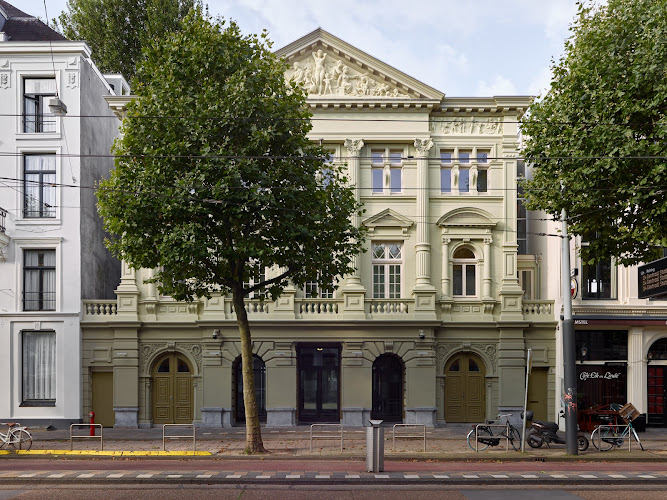
The ARTIS-Groote Museum is Amsterdam’s interactive nature museum, set inside the oldest museum building in the city on the publicly accessible Artisplein at Plantage Kerklaan 36, next to the entrance of ARTIS Zoo. It opened to members of the Natura Artis Magistra society in 1855, closed in 1947, and reopened in 2022 after a full restoration of the national monument. Expect a small, dense, sensory museum built around one idea: that humans are part of nature rather than spectators of it.
Plan on 60 to 90 minutes for the permanent route, or closer to two hours if you join a meet-up or follow the audio tour. Adult tickets start at €17 online, children up to and including 12 go free, and a Museumkaart covers entry in full.
Visitor essentials at a glance
| Detail | Information |
|---|---|
| Address | Plantage Kerklaan 36, 1018 CZ Amsterdam (Artisplein). Some ticketing sites list the building as Plantage Middenlaan 41; both point to the same corner of the ARTIS grounds. |
| Opening hours | Daily 10:00-17:00, Thursdays until 22:00. Holiday hours differ, so check the official calendar close to your date. |
| Adult ticket (13+) | From €17 online, €18 at the counter. Prices vary by day and are always cheaper online. |
| Children 0-12 | Free |
| Students / CJP | €10.50 / €9 |
| Free entry | Museumkaart, ICOM and VriendenLoterij cardholders |
| Late Afternoon ticket | €9 for visits from 16:00 on weekdays |
| Combination with ARTIS Zoo | From €35.50 online (adult), €38.50 at the counter; €22.25 for students |
| Nearest stop | Trams 7 and 14 to ARTIS/Holocaust Museum, directly in front of the ARTIS main entrance |
| Time needed | 60-90 minutes for most visitors |
Ticket prices and hours as published by ARTIS for the 2026 season; day-specific pricing means the online rate can sit above the €17 floor on busy dates.
What the Groote Museum is
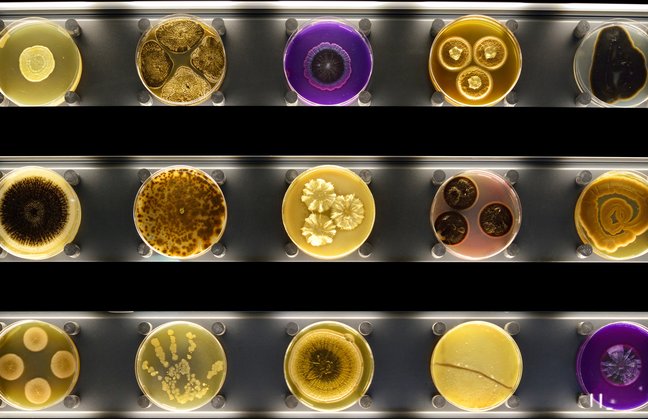
This is not a natural history museum in the traditional sense, and it is not part of the zoo route either. The permanent presentation runs across the upper floor of the 1855 main building and is organised into twelve zones, each anchored to a part of your own body, such as the heart, the eyes or the brain. From that starting point, each zone branches outwards into animals, plants, microbes and the systems all of them share, using roughly a thousand small and large examples.
The material mix is unusual for a museum this size: collection objects and preserved specimens sit alongside contemporary art, film, sound, scent, touch stations and tasting moments. ARTIS is explicit that there is something to see, taste, smell, hear and feel every day. The East Hall works as a participation space where exhibition and gathering overlap, which is where short workshops and discussions happen rather than in a separate education wing.
The framing matters historically. The society that built this museum in the 1850s displayed nature behind glass while people stood in front of it, and colonial-era thinking of the period placed non-Western peoples in the “nature” category as well. The 2022 reopening deliberately inverts that arrangement, and the museum has been recognised as the first to approach today’s environmental questions from the position that all life is equal. If you like museums that argue a position, you will get more out of this one than a visitor looking for labelled dioramas.
The building itself
Architect and honorary society member Jan van Maurik (1812-1893) designed the main building, which went up in phases between 1850 and 1855 and became the first purpose-built museum in Amsterdam. It stands on the very first parcel of land ARTIS ever owned.
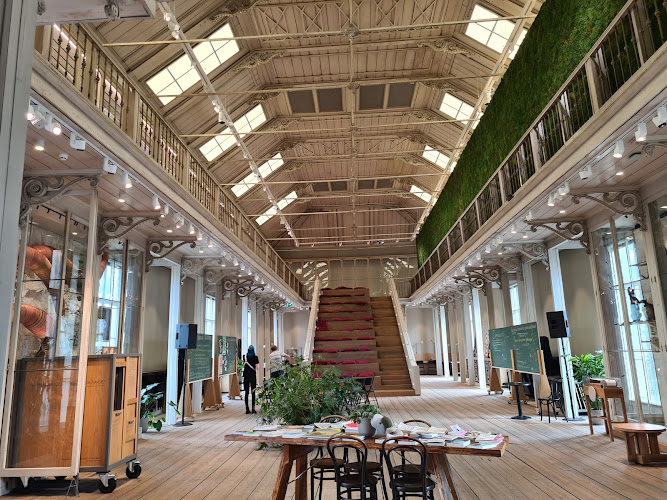
After the museum closed in 1947 the interior of the upper rooms survived largely intact, so the recent restoration preserved rather than reinvented the 19th-century fabric. Two details are worth slowing down for: the original butterfly staircase with its display doors, and the wooden floors that have been underfoot since 1855. There is no rooftop garden and no viewing terrace, so treat the Plantage neighbourhood and the free Artisplein square as your outdoor break instead.
Exhibitions and programming
Temporary shows are compact and rotate through defined spaces rather than filling a whole floor. The current one is Digesting Tubes by artist and future food designer Chloé Rutzerveld, installed in the display cabinet of the West Hall and built around how humans take in food. Check the official exhibition page before travelling, because a cabinet-scale show can change without much notice.
The most talked-about recent exhibition was Tanja: Up Close, which ran from 17 October 2025 to 10 May 2026 and reunited Amsterdam with its most famous hippopotamus, who died at ARTIS in 2009. It was arranged in three storylines – Tanja and the visitor, then and now, and a closer look at hippos – and came with a museum trail, taxidermy drawing tables and an audio tour recorded with presenter Merel Westrik. That run has ended, so do not plan a visit around it.
- Meet-ups: short, staff-led workshops and discussions on the museum’s big questions, held in the participation space.
- Audio tour: a guided route through the connections between humans, animals, plants and the world around them.
- Thursday evenings: the museum stays open until 22:00, the quietest and most atmospheric slot of the week.
- Museum Night and seasonal programmes: ARTIS builds evening events around the Groote Museum, including themed winter programming across the zoo and both museums.
Best time to visit
Weekday afternoons are the sweet spot. From 16:00 on weekdays the Late Afternoon ticket drops entry to €9, and the final hour before a 17:00 close is usually the emptiest. Thursday is the exception worth planning for: with closing pushed to 22:00, you can arrive after work, use the reduced late ticket, and still take the full route at a slow pace.
- Quietest: weekday mornings right at 10:00, and Thursday evenings.
- Busiest: weekends, Dutch school holiday weeks (February and May in particular) and public holidays. Book online for those dates, which also saves €1 per adult ticket.
- Rainy or cold days: this is one of the better wet-weather options in the Plantage, and it pairs naturally with ARTIS-Micropia across the square, which keeps the same 10:00-17:00 hours.
- Combining with the zoo: ARTIS Zoo opens at 09:00 and closes at 18:00, so start with the animals and finish indoors at the museum.
One pricing quirk to know: a Museumkaart gives free entry to the Groote Museum and Micropia but does not reduce the ARTIS Zoo ticket, so cardholders visiting only the museums can spend nothing at all on admission.
How to get there
The museum sits in the Plantage district, an easy 15 to 25 minute walk east of Amsterdam Centraal and about 15 minutes on foot from Waterlooplein. Because it faces the free Artisplein square, you can reach the door without entering the zoo.
- Tram: lines 7 and 14 stop at ARTIS/Holocaust Museum, directly in front of the main entrance. Lines 7 and 19 also stop at Alexanderplein, a ten-minute walk away. Tram 9 no longer serves this route, despite what older guides still say.
- Metro: Waterlooplein on lines 51, 53 and 54 is the closest station, followed by a fifteen-minute walk through the Plantage.
- Bus: line 42 runs from Amsterdam Centraal to Kadijksplein, ten minutes on foot from the entrance.
- Bike: rent an OV-fiets at Amsterdam Centraal or Amsterdam Amstel with an OV-chipkaart or debit card and cycle over in about ten minutes. Racks sit on Plantage Kerklaan in front of the entrance.
- Water: the ARTIS car park doubles as a SUP SUP Club launch point if you want to combine the visit with a paddle through the canals.
Parking and driving
ARTIS runs its own surface car park with twelve EV charging points. Visitors pay €17.50 per day and members €15, while other users and other times are charged €6.98 per hour. Day tickets are settled at the ARTIS ticket office or the meter beside the Planetarium during opening hours, after which you can exit until midnight.
The lot fills quickly on busy days, and staff then redirect drivers. Q-Park Oostpoort offers ARTIS visitors €21.50 with an advance reservation, a 20-minute walk away. Markenhoven charges €22.50 when you validate your entry card at the ARTIS desk, a 10-minute walk. The Stadhuis/Nationale Opera & Ballet garage is 15 minutes away, Centrum Oost and Oosterdok around 20. Cheaper still: park at P+R RAI and take public transport, roughly half an hour door to door.
Accessibility
ARTIS states that the zoo, Micropia and the Groote Museum are largely wheelchair accessible, with accessible toilets and designated parking. The car park has five accessible spaces, and two more free accessible bays sit on Plantage Kerklaan in front of the Verzetsmuseum, 130 metres from ARTIS across two lowered curbs. From the car park it is 150 metres to the zoo entrance on a wheelchair-accessible route with one lowered curb, and about a minute longer to reach the museums via Artisplein.
Because the presentation occupies the upper floor of a protected 1850s building, contact ARTIS directly if you need specifics on lift access, seating along the route, or a quieter time for sensory reasons before you book.
Frequently asked questions
How much does the ARTIS-Groote Museum cost?
Adult tickets (13+) start at €17 online and cost €18 at the counter, with day-specific pricing. Children up to and including 12 enter free, students pay €10.50, CJP holders €9, and Museumkaart, ICOM and VriendenLoterij cardholders enter free. A weekday Late Afternoon ticket from 16:00 is €9.
What are the opening hours?
The museum is open daily from 10:00 to 17:00 and until 22:00 on Thursdays. Hours change on some public holidays, so check the ARTIS calendar before you travel.
Is the Groote Museum included with an ARTIS Zoo ticket?
No. It is a separate museum on Artisplein, but you can add it to a zoo ticket at a reduced rate, with adult combination tickets starting at €35.50 online. A Museumkaart covers the Groote Museum and Micropia but gives no discount on the zoo.
How long does a visit take?
Most visitors need 60 to 90 minutes for the twelve zones of the permanent route, or up to two hours with the audio tour or a meet-up workshop.
Is the museum suitable for young children?
Entry is free for children up to 12 and the sensory installations appeal to families, but the content is aimed at visitors aged roughly 13 and up. Families with small children often get more out of pairing it with ARTIS Zoo.
Which tram goes to the ARTIS-Groote Museum?
Trams 7 and 14 stop at ARTIS/Holocaust Museum, right in front of the main entrance. Trams 7 and 19 also stop at Alexanderplein, about ten minutes away on foot.
Current prices, hours and exhibition dates are published by ARTIS on its plan your visit and Groote Museum pages. Verify before booking, since ticket prices vary by day.