Fountain Place in Amsterdam is a plaza featuring unique fountains, including the centerpiece with two opposing heads and the Sarphati Monument honoring Samuel Sarphati.
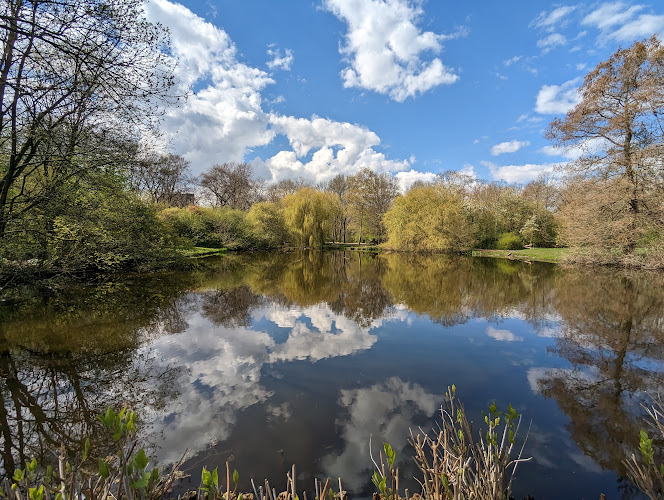
Visit Watergraafsmeer for architecture, green space, and a quieter slice of Amsterdam.
Highlights:
– Park Frankendael + Huize Frankendael (historic estate, exhibitions/events)
– Betondorp (1920s housing innovation; Johan Cruijff heritage)
– Museum Tot Zover (museum about death and rituals)
– Jaap Eden IJsbaan (seasonal skating)
Getting there: Tram 19 runs along the Middenweg, and trains stop at Amsterdam Science Park. It’s also a short ride by bike from central Amsterdam.
Access details
Accessible by public transport and bicycle. Standard Amsterdam accessibility features with main streets suitable for pedestrians and cyclists.
Practical advice
Part of Amsterdam-Oost, which scores around 65-67 on local safety indices with minimal serious crime. Quiet and pleasant; bicycle theft is the main petty-crime risk, so lock bikes securely.
Local tips
Start early and treat it like a lived-in neighborhood: most shops and cafes are day-oriented, and evenings stay quiet.
Good stops:
– Park Frankendael picnic + check Huize Frankendael’s event calendar
– Museum Tot Zover (book ahead)
– Food: De Vergulden Eenhoorn, Olidò, or De Kas/Merkelbach (reservations recommended)
In Betondorp, info boards explain the area—walk it respectfully and stick to public paths. For skating, check Jaap Eden IJsbaan’s seasonal schedule.
Food & drink
Daily life & dining
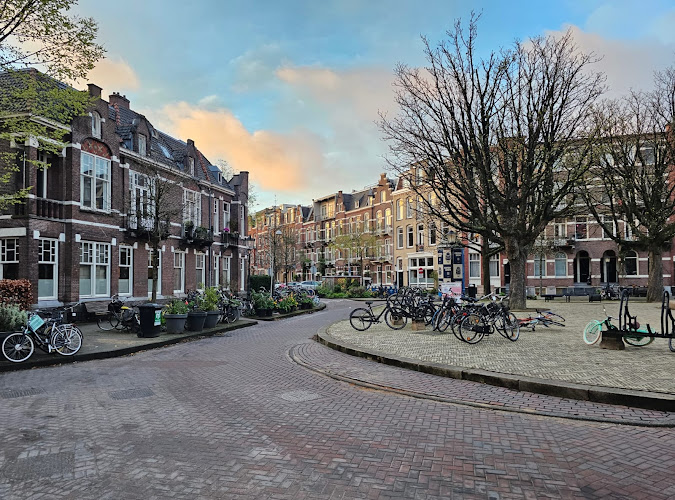
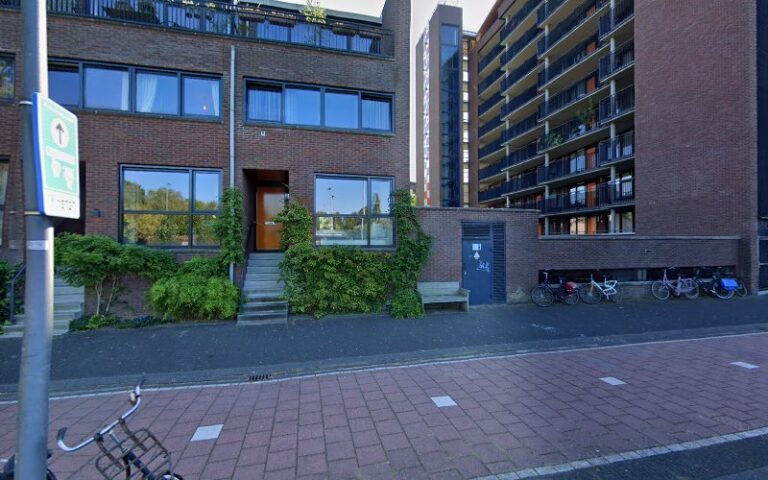
Life moves at a residential pace: wide streets, low-rise homes (often with gardens), and green pockets like Park Frankendael make it feel suburban within Amsterdam. Daily routines orbit the Middenweg and nearby shopping streets, with most locals cycling for errands and commutes.
Evenings tend to stay quiet—this isn’t a nightlife destination—so it’s popular with families and long-time residents who value privacy and community over crowds.
History & local life
The feel of the area
Watergraafsmeer combines polder heritage with 1930s architectural charm in Amsterdam's quietest residential quarter. Former swampland drained in 1629 evolved into family-friendly streets lined with spacious homes, gardens, and village-like estates. The neighborhood showcases Betondorp—pioneering concrete housing from the 1920s where Johan Cruijff grew up—and maintains Amsterdam's lowest elevation at 4 meters below sea level. Character emerges from suburban tranquility within city limits: wide streets, minimal traffic, protected green spaces, and strong community bonds among long-term residents who value privacy over tourist appeal.
Heritage & origins
Watergraafsmeer began as the Watergraafs/Diemermeer lake. It was drained in 1628-1629, creating a low-lying polder about five metres below Amsterdam level. For centuries it remained mostly farmland and countryside estates, protected by the ringdijk.
The polder was an independent municipality until 1921, when it was annexed by Amsterdam. Later developments brought experimental districts like Betondorp (1920s concrete housing) and the Amsterdam Science Park on former farmland.
Culture & community
Cultural life is anchored by Park Frankendael, Amsterdam’s only remaining 17th-century country estate. Around Huize Frankendael you’ll find art exhibitions, cultural events, and Slow Food restaurant Merkelbach; nearby restaurant De Kas sits in a 1926 greenhouse.
For locals, culture is community-based: sports and skating at Jaap Eden IJsbaan, allotment gardens, and small-scale neighborhood initiatives. Expect relaxed evenings and early mornings rather than nightlife.
Population
8000
Area (km²)
2.0
Established
1850
Local context
Quiet residential area with gardens, parks, and village‑like charm.
Build Your Own Amsterdam Shortlist
Browse places, save your favourites, and return to your shortlist when you’re ready to go.