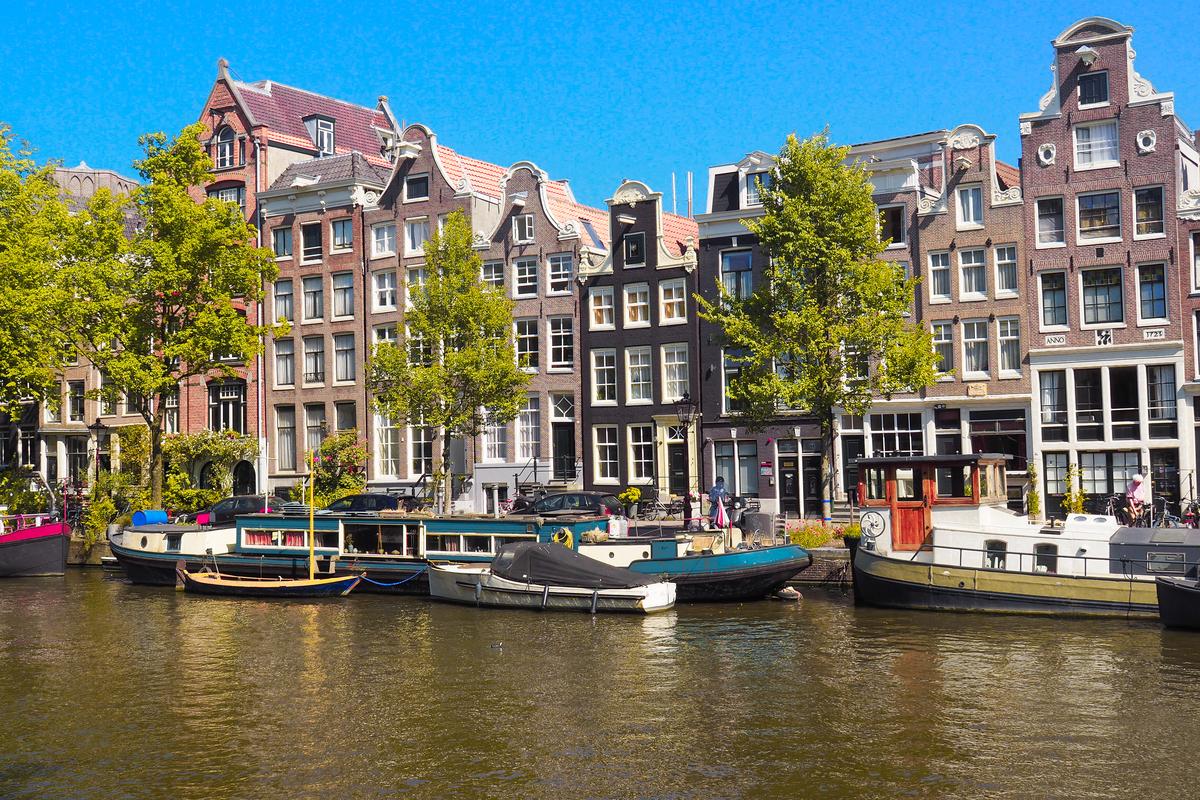
Picture yourself gliding along Amsterdam’s picturesque canals, surrounded by charming gabled houses and historic bridges. Now, imagine calling one of those canals home. That’s the reality for thousands of Amsterdammers who live on houseboats.
Living on a houseboat in Amsterdam offers a unique blend of city life and watery serenity. You get all the perks of being in the heart of the Dutch capital while enjoying a floating oasis. These floating homes come in all shapes and sizes, from converted cargo barges to modern floating apartments.
Houseboat living became popular after World War II when housing was scarce. Today, over 2,500 houseboats line Amsterdam’s canals.
You’ll find cozy living spaces with surprising comfort and amenities. Some even have rooftop terraces for soaking up Amsterdam’s famously fickle sunshine. Fancy trying out the houseboat life yourself? You can rent one for your next Amsterdam getaway and experience canal living firsthand.
The History of Amsterdam’s Houseboat Communities
Amsterdam’s love affair with houseboats began over a century ago. You might be surprised to learn that these floating homes weren’t always the trendy dwellings they are today.
In the early 1900s, houseboats were a cheap housing option for the city’s poor. Old cargo ships and barges were converted into simple living spaces. These early floating homes lacked modern amenities but offered an affordable alternative to land-based housing.
After World War II, Amsterdam faced a severe housing shortage. The city’s canals became a solution. More people started living on boats, transforming them into permanent homes.
By the 1960s and 70s, houseboats had become a symbol of alternative living. Artists, students, and free spirits were drawn to the unique lifestyle. You could often spot colorful, creatively decorated boats lining the canals.
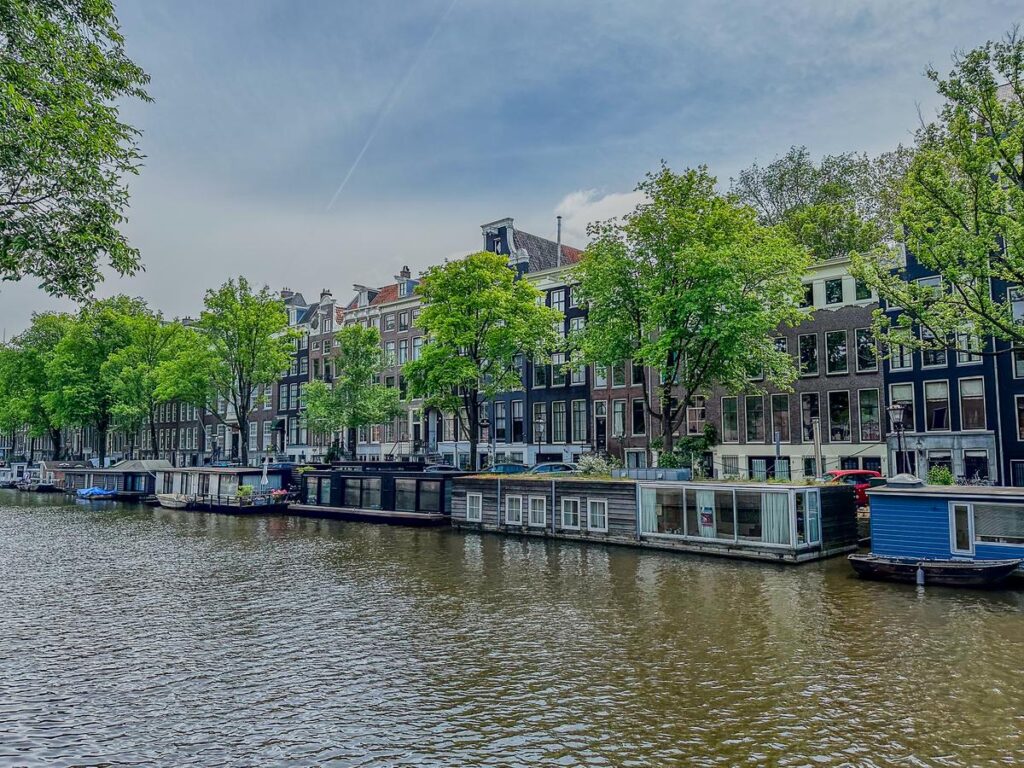
Today, Amsterdam boasts around 2,900 houseboats. They’ve come a long way from their humble beginnings. Many now feature modern interiors, complete with a traditional home’s comforts.
You’ll find a mix of converted ships and purpose-built floating homes. Some even have small gardens or terraces. It’s a far cry from the basic dwellings of a century ago!
Houseboat Museums Open to the Public
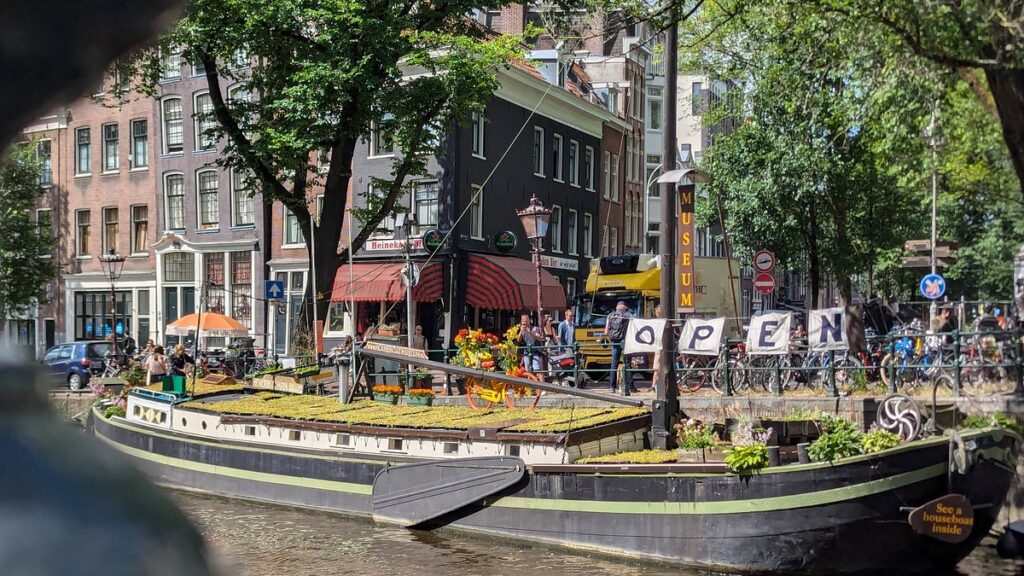
Ever wondered what it’s like to live on Amsterdam’s famous canals? You’re in luck! The city offers a unique chance to peek inside these floating homes through its houseboat museums.
The Houseboat Museum on Prinsengracht Canal lets you step aboard a real houseboat. You’ll explore the cozy interior of the Hendrika Maria, a former cargo ship built in 1914. It’s been lovingly converted into a comfy 80m² living space.
Inside, you’ll find:
- A fully furnished living area
- Compact kitchen and bedroom
- Authentic decor from the 1960s and 70s
The museum offers audio guides in 8 languages, so you won’t miss any interesting details. As you wander through, you’ll learn about the history of canal living and see how people make the most of limited space.
Want to know the best part? This is the world’s only houseboat museum! It’s a one-of-a-kind experience you can’t get anywhere else.
The museum’s location in the charming Jordaan district adds to its appeal. After your visit, you can stroll along the picturesque canals and imagine calling one of these unique homes your own.
Remember to book ahead, especially in peak season. It’s a popular spot and can get crowded. But trust me, it’s worth it to have this glimpse into Amsterdam’s iconic floating lifestyle!
See Related: Amsterdam on a Budget: Free and Low-Cost Activities for Travelers
Eco-Friendly Innovations in Modern Houseboats
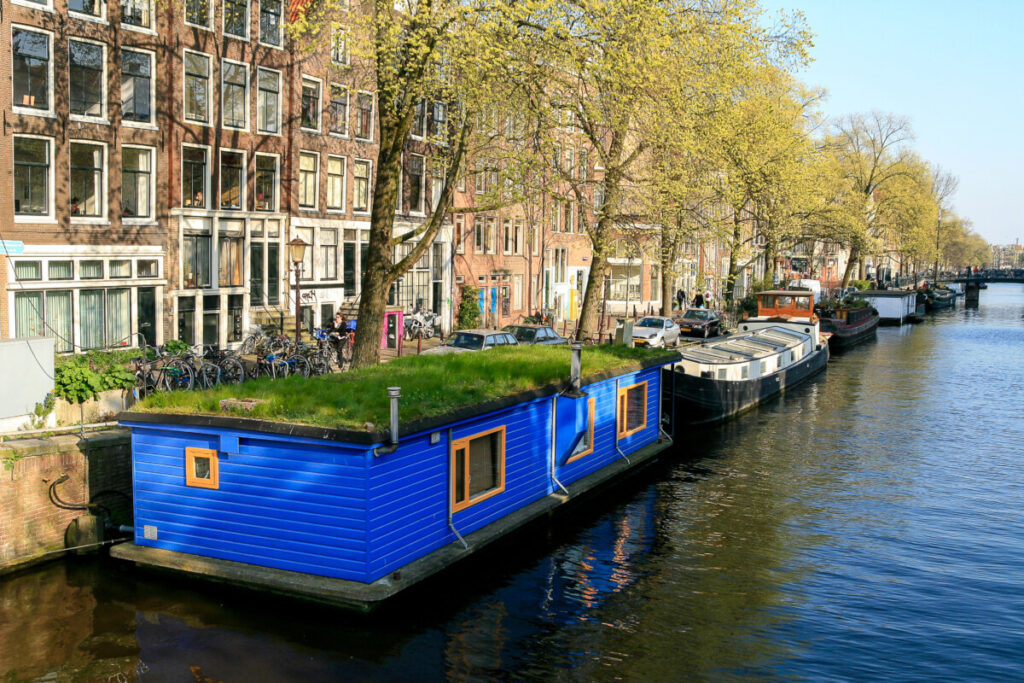
You’ll be amazed at how eco-friendly modern houseboats have become. These floating homes are leading the way in sustainable living on the water.
Many new houseboats now use solar panels to generate clean electricity. You can power your lights, appliances, and even small electric motors with the sun’s energy.
Water conservation is also a major focus. Low-flow fixtures and rainwater collection systems help reduce freshwater use. Some boats even have composting toilets to reduce waste.
Building materials are getting greener. Recycled and sustainable materials like bamboo flooring or reclaimed wood siding are popular choices. These look great and reduce environmental impact.
Energy-efficient design is key. Large windows let in natural light and provide ventilation. Good insulation keeps you comfy without wasting energy on heating or cooling.
Here’s a cool feature you might see: living roofs covered in plants. They insulate the boat, absorb rainwater, and create a little oasis of greenery.
Some innovative houseboats even aim for complete energy independence. You could potentially live off-grid, producing your power and managing your waste.
It’s exciting to see these floating neighborhoods embrace eco-friendly tech. By living on the water, you’re helping protect it, too.
How to Respectfully Observe Houseboat Life

Want to explore Amsterdam’s unique houseboat culture? Here’s how to do it politely:
Keep your distance
- Don’t peer into windows
- Stay on public walkways
- Use binoculars or zoom lenses sparingly
Visit the Houseboat Museum
- Learn about canal life
- See a 1950s houseboat interior
- Support local culture
Take a canal tour
- Get a water-level view
- Hear stories from guides
- Snap photos from a respectful distance
Remember, these are people’s homes. Imagine how you’d feel if strangers gawked at your house!
Be quiet near houseboats, especially in the evening. Voices carry over water, and your late-night chatter might disturb sleeping residents.
Want to chat with houseboat dwellers? Wait for an invitation.
If you see someone on their deck, a friendly wave is fine. But don’t expect a long conversation.
Tempted to feed the ducks? Don’t. It attracts pests and pollutes the canals. Plus, it’s bad for the birds’ health.
Following these tips will show respect for Amsterdam’s floating community. Enjoy your unique glimpse into canal life!
See Related: A Local’s Guide to Amsterdam’s Seasonal Highlights: What to Do Year-Round
Seasonal Houseboat Garden Competitions
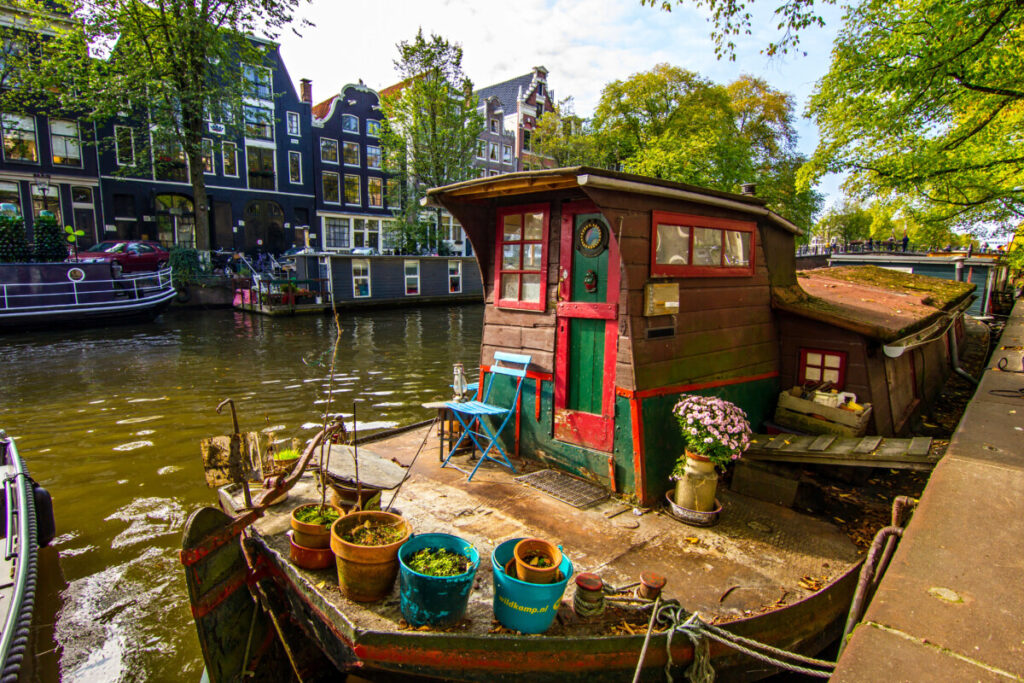
You’d be amazed at the green thumbs of Amsterdam’s houseboat dwellers. Twice a year, these floating homes burst into bloom for the seasonal garden competitions.
Spring brings a riot of tulips and daffodils. Window boxes overflow with cheerful colors. Some clever gardeners even create miniature Dutch landscapes complete with tiny windmills.
Summer is all about lush hanging baskets and potted herbs. The scent of basil and lavender wafts across the canals. Many boaters grow their veggies, too – imagine plucking fresh tomatoes right from your deck!
Judges cruise the canals to pick winners in categories like:
- Most Creative Use of Space
- Best Edible Garden
- Most Colorful Display
- People’s Choice Award
Prizes often include gardening supplies or gift cards to local nurseries. But the real reward is the pride of making your floating home a little slice of paradise.
You can join in the fun even if you’re just visiting. Many houseboat owners are happy to chat about their gardens. Some even offer tours during competition weeks.
So next time you’re in Amsterdam, look for these floating gardens. You might be inspired to start your green oasis no matter where you live!
See Related: Responsible Tourism in Amsterdam: How to Be a Mindful Visitor
Opportunities for Houseboat Stays and What to Expect

Ever dreamed of waking up to the gentle lapping of water against your bedroom window? You can make that dream a reality in Amsterdam! The city’s canals are home to about 2,400 houseboats, and many are available for short-term stays.
Booking a houseboat is easy through platforms like Airbnb. Options range from cozy one-bedroom boats to luxurious multi-story floating homes. Prices vary but expect to pay more than a standard hotel room for this unique experience.
Surprisingly spacious interiors will greet you aboard your floating home. Most houseboats have full kitchens, comfortable living areas, and outdoor decks. Don’t worry about seasickness – these boats are firmly moored and barely move.
Here’s what to keep in mind for your stay:
- Pack light – storage space can be limited
- Be prepared for steep stairs or ladders
- Enjoy the quiet – canal life is peaceful
- Embrace the quirkiness – each boat is unique
You’ll love the prime locations, often right in the heart of Amsterdam’s historic center. From your floating perch, you can watch the world go by on the canals or onto the street to explore.
Remember, living on a houseboat means being a bit more eco-conscious. Be mindful of water usage and follow any specific instructions from your host. With a little care, you’ll have an unforgettable stay on Amsterdam’s waterways!