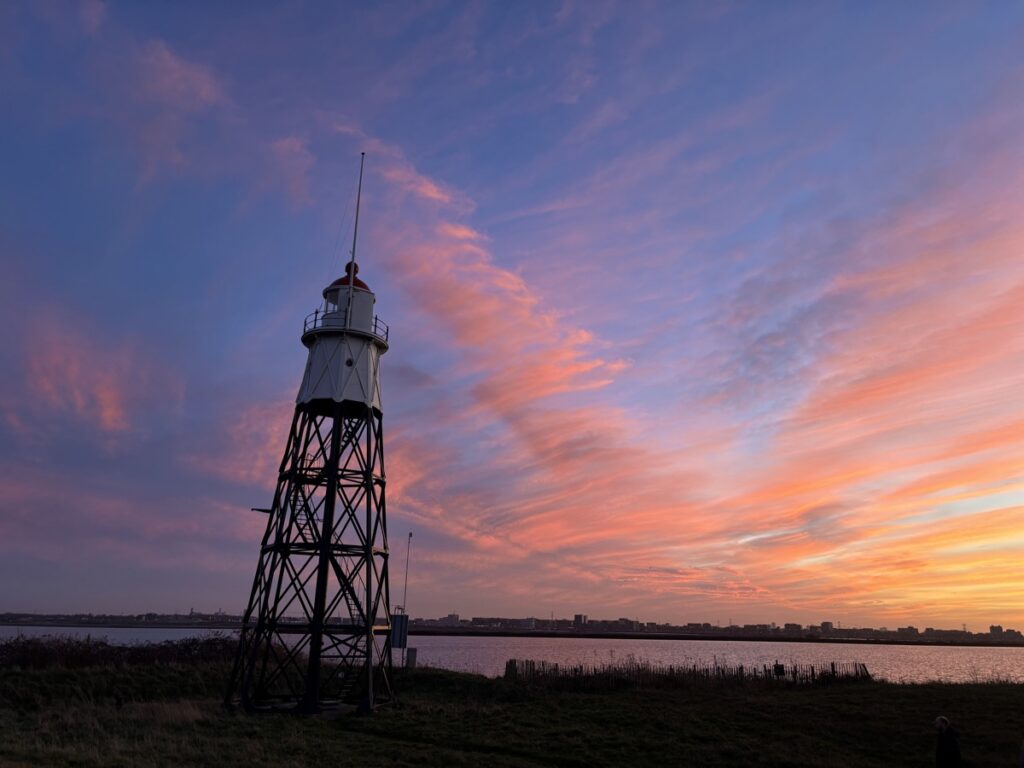
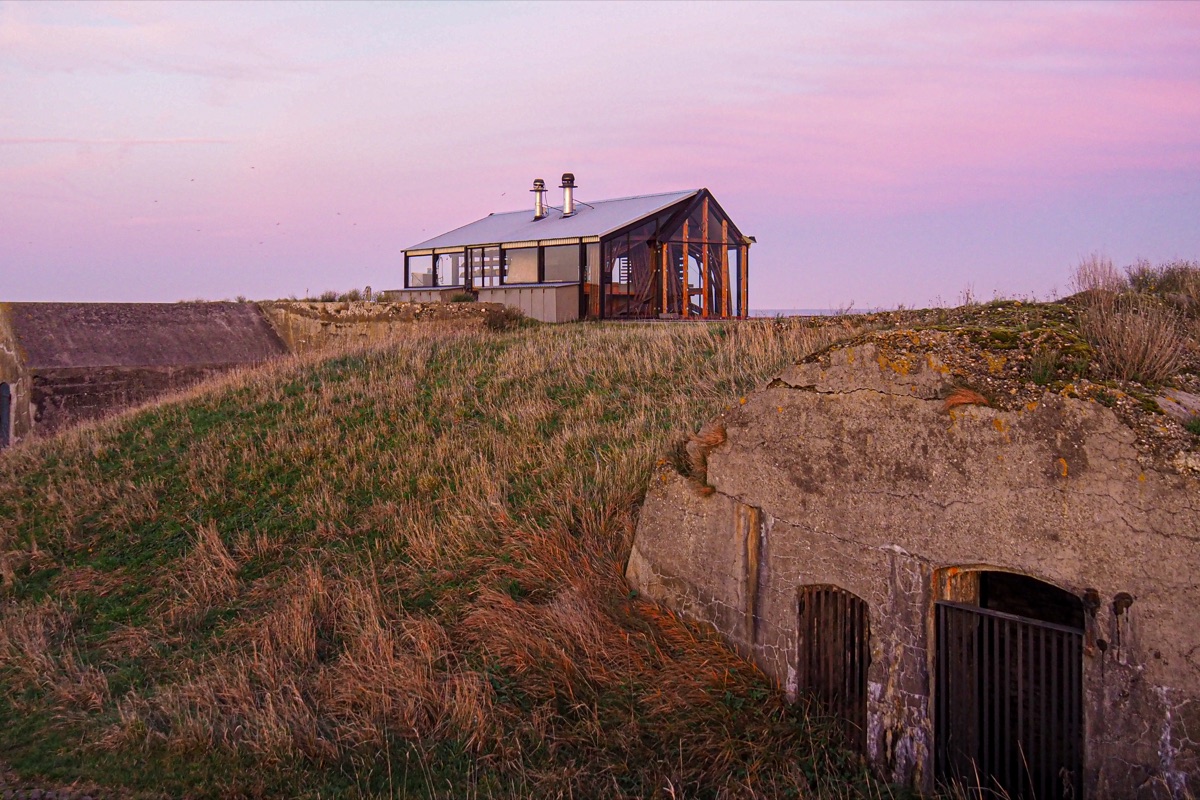
Six miles east of Amsterdam Centraal, an uninhabited strip of land in the IJmeer holds one of the most remarkable dining and overnight experiences in the Netherlands. Vuurtoreneiland is an off-grid nature reserve, a 19th-century military fortress, and home to Amsterdam’s only operational cast-iron lighthouse. Twice a year, the island changes rhythm: a transparent glasshouse pavilion hosts dinner through the summer, while an underground artillery bunker heated by glowing wood stoves shelters diners through the winter.
Because the island has no electrical grid connection, running municipal water, or road access, every meal is prepared entirely over wood fires and braziers using seasonal North Holland produce. A chartered historic ferry brings diners across the water, and six secluded cabins allow a handful of guests to stay overnight after the last boat returns to the mainland.
Planning your visit
Booking system
Reservations open online daily at 13:00 sharp for dates exactly three months in advance. The system operates on a rolling schedule: July 18 bookings open on April 18, while August 1 opens on May 1. High-demand seatings, particularly summer weekend dinners and the Sunday matinee service, consistently sell out within three to five minutes of release.
If your preferred date is full, add your name to the online waiting list. Cancellations happen regularly two weeks out, right before the 14-day non-refundable policy takes effect.
Schedule and timing
Tuesday through Saturday dinner service:
- Departure: 18:30 sharp from Veemkade (opposite Lloyd Hotel, Oostelijke Handelskade 34)
- Island arrival: approximately 19:45
- Dinner: 19:45–22:30
- Return to Amsterdam: approximately 23:45
Sunday matinee:
- Departure: 15:30 sharp
- Island arrival: approximately 16:45
- Dinner: 16:45–19:30
- Return to Amsterdam: approximately 20:45
The ferry runs strictly to schedule. The historic IJveer XIII does not wait for late arrivals, and missed departures are non-refundable.
Pricing structure (2025–2026)
The €120 per person base package covers the complete experience:
- Return ferry crossing aboard the historic IJveer XIII: €25
- Five-course wood-fired dinner, including outbound boat snacks and dessert: €85
- Staatsbosbeheer island monument restoration contribution: €10
Optional beverage pairings:
- Curated European natural wine pairing: €50
- Housemade non-alcoholic pairing (fermented juices, kefir, kombucha): €35
All beverage pairings and additional drinks are settled aboard the ferry on the return journey, with both debit/credit cards and cash accepted.
The journey across the IJmeer
Departure and passage through the locks
The voyage begins at Veemkade in Amsterdam’s Eastern Docklands, directly opposite the Lloyd Hotel. From Amsterdam Centraal, take Tram 26 toward IJburg to the Kattenburgerstraat or Rietlandpark stop (about 10 minutes), or take a 15-minute bicycle ride along the waterfront.
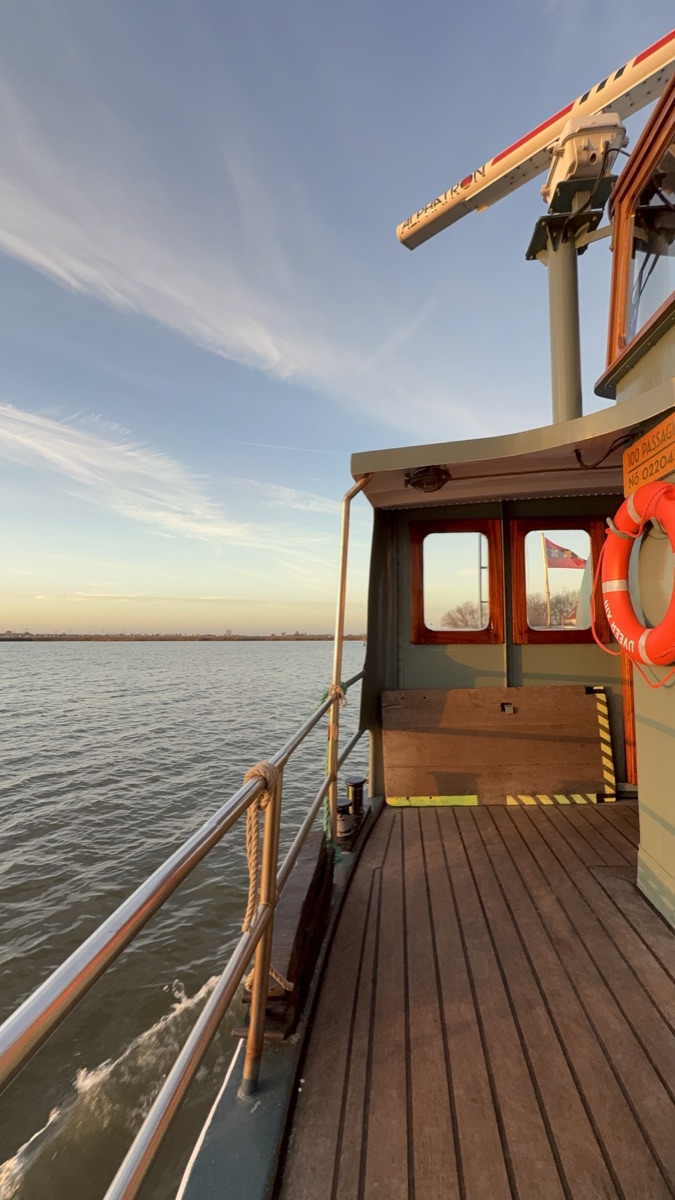
Boarding the historic IJveer XIII immediately sets an unhurried tone. Built in the early 20th century to carry workers across the harbor, the ferry features polished wood benches and open decks. As the boat motors east, staff pour welcome drinks and serve a generous borrelplank with local Dutch cheeses, cured sausages, pickles, and sourdough bread.
Passing through the monumental Oranjesluizen (Orange Locks) marks the transition from Amsterdam’s canal basin into the wide waters of the IJmeer. The water level equalizes, the heavy steel gates swing open, and the city skyline recedes into the distance. The crossing takes approximately one hour, providing time to relax and watch the surrounding maritime scenery.
The island’s layered history
Maritime navigation: 1700–present
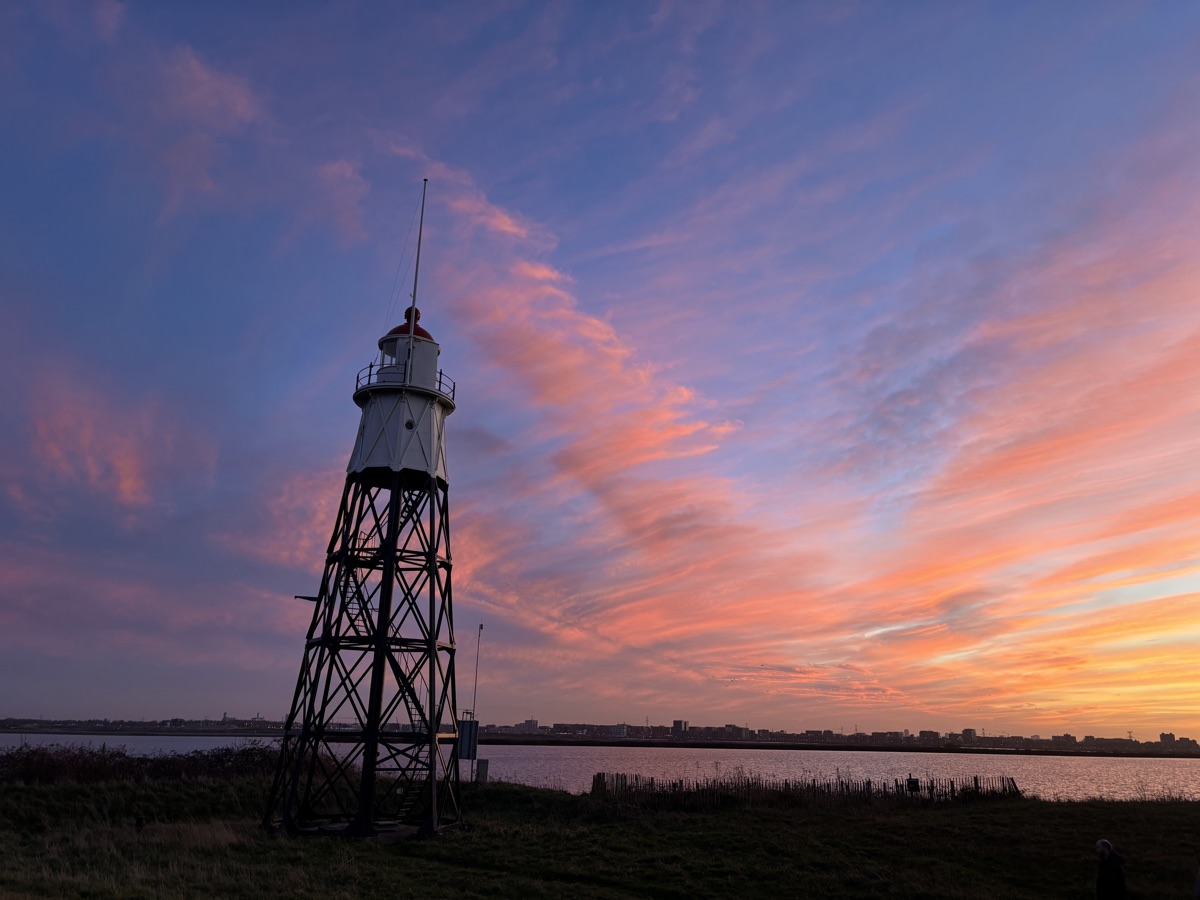
During the Dutch Golden Age, Amsterdam’s position as a global trade capital required reliable navigation aids for merchant ships sailing through the treacherous Zuiderzee sandbanks. In 1700, the city erected a square stone beacon on this artificial spit of land to guide inbound cargo vessels toward the harbor.
The original stone tower stood for nearly two centuries before coastal storms demanded a sturdier structure. In 1893, engineers erected the present octagonal cast-iron lighthouse, standing 19.5 meters tall with a focal height of 18 meters above sea level. It remains Amsterdam’s only operational lighthouse. The light went dark in 2003 when the last lighthouse keeper retired, but was reignited in 2005 and thoroughly restored in 2018–2019 by Talsma Shipyards.
Military fortification: 1809–1959
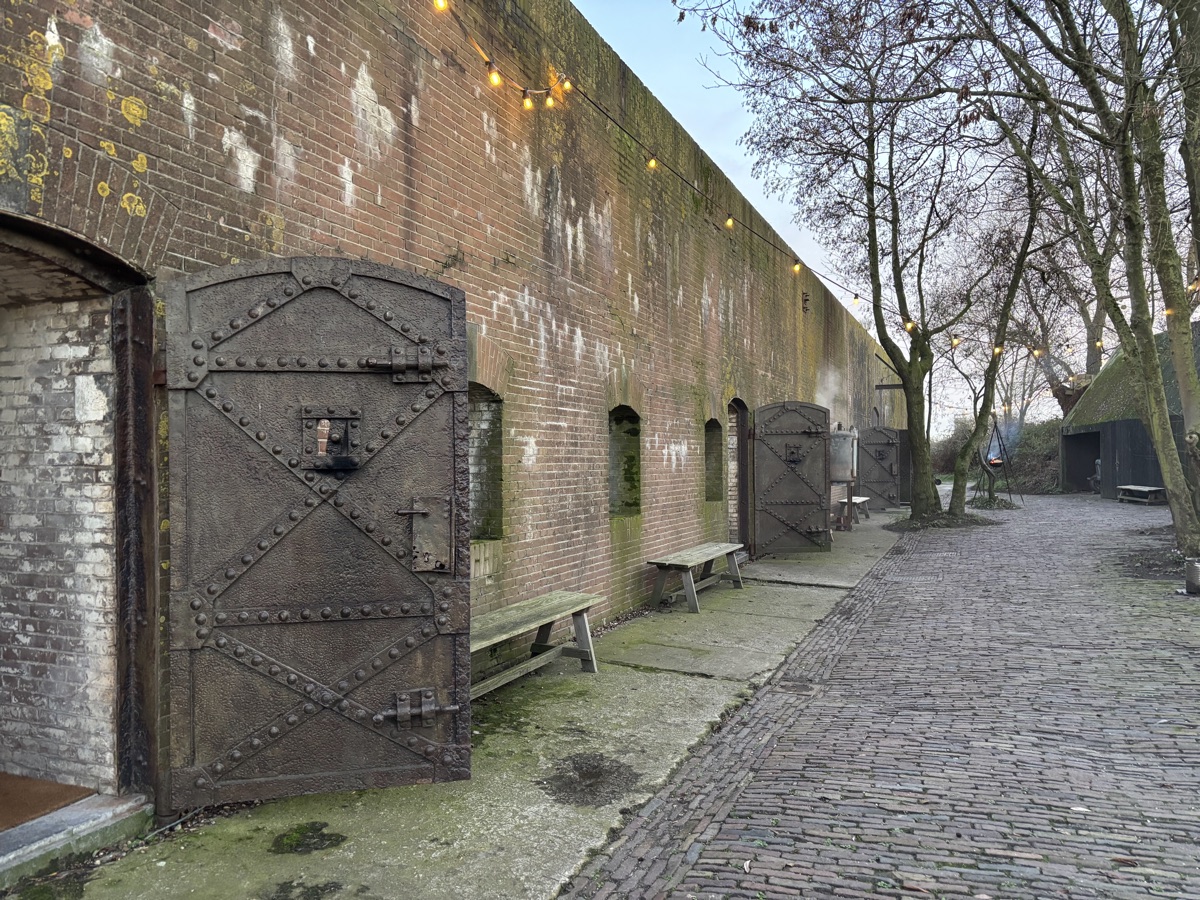
During the Napoleonic occupation in 1809, French forces recognized the island’s strategic position and placed a coastal defense battery on the western shoreline. In 1883, Dutch military engineers expanded the site into a bomb-proof fort as part of the Stelling van Amsterdam, a 135-kilometer defensive ring consisting of 42 forts. The system was designed to protect the capital through controlled inundation, flooding low-lying polders just deep enough to stop enemy infantry while keeping water too shallow for warships.
Vuurtoreneiland held an artillery battery of five guns until 1904, when changing military strategy shifted heavy artillery toward Den Helder. The military formally abandoned the fortification in the 1930s and decommissioned it in 1959. In 1996, UNESCO recognized the Stelling van Amsterdam as a World Heritage site, later expanded in 2021 to form the Dutch Water Defence Lines.
Rebirth as an off-grid culinary destination
Staatsbosbeheer acquired the island in 2006 to preserve its fragile wetland habitats and historic structures. In 2011, a public tender awarded operational stewardship to hospitality founders who proposed using sustainable dining to finance long-term monument maintenance.
The enterprise launched with a temporary summer greenhouse in 2013, expanded into the underground artillery bunker for winter dining, and later added six low-impact overnight cabins designed by Fiction Factory. Active seasonal dining keeps the historic buildings heated, ventilated, and structurally sound without commercial development.
Two restaurants, two seasonal atmospheres
Summer Greenhouse: May through September
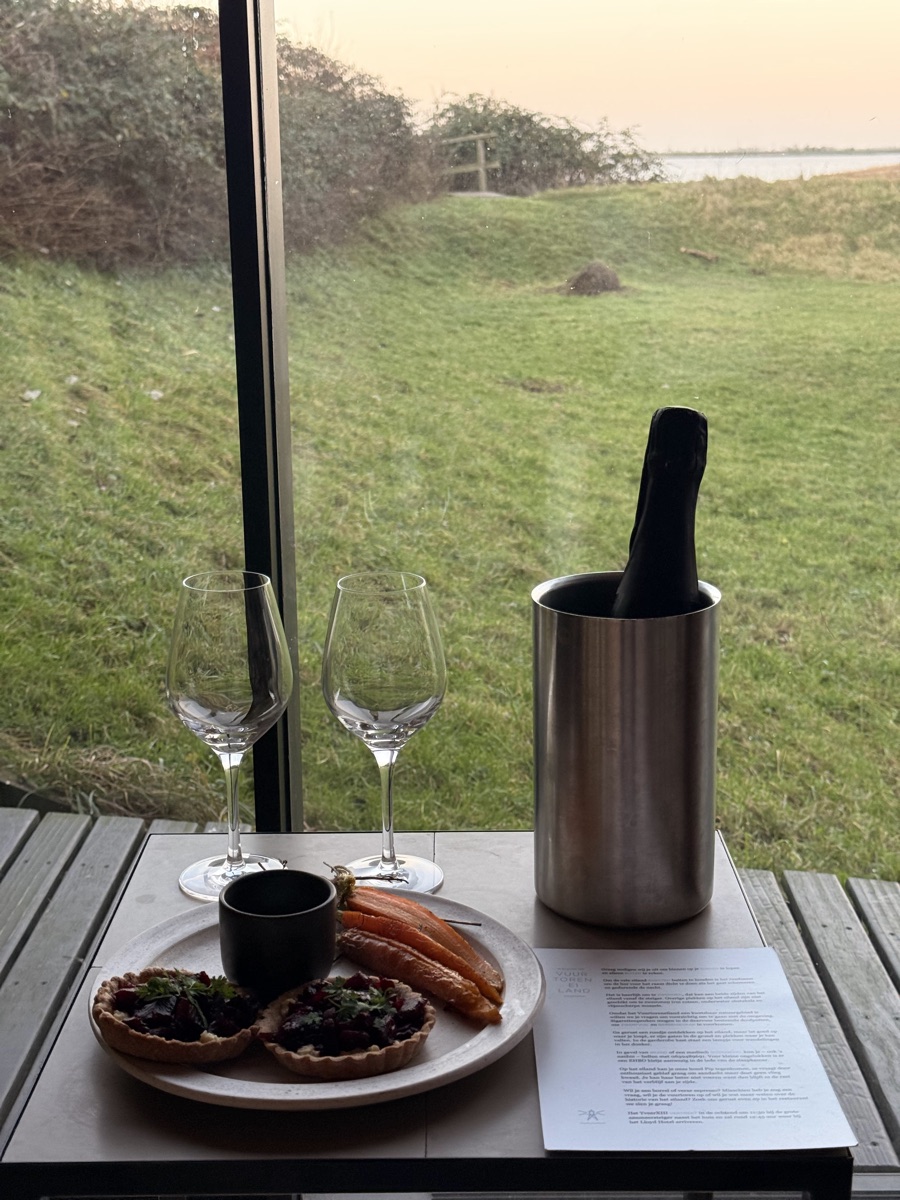
During summer, dinner is served inside an airy greenhouse pavilion perched atop the fort’s grassy earthworks. Floor-to-ceiling glass on four sides creates seamless views of the surrounding IJmeer wetlands. Guests dine surrounded by water, watching dramatic summer storm clouds sweep across the lake and golden hour transition into dusk.
The pavilion avoids mechanical air conditioning; on warm evenings, sliding glass panels open to let lake breezes circulate freely. The architecture remains minimal and transparent, keeping the focus on the horizon, water, and changing sky.
Winter Bunker: October through mid-May
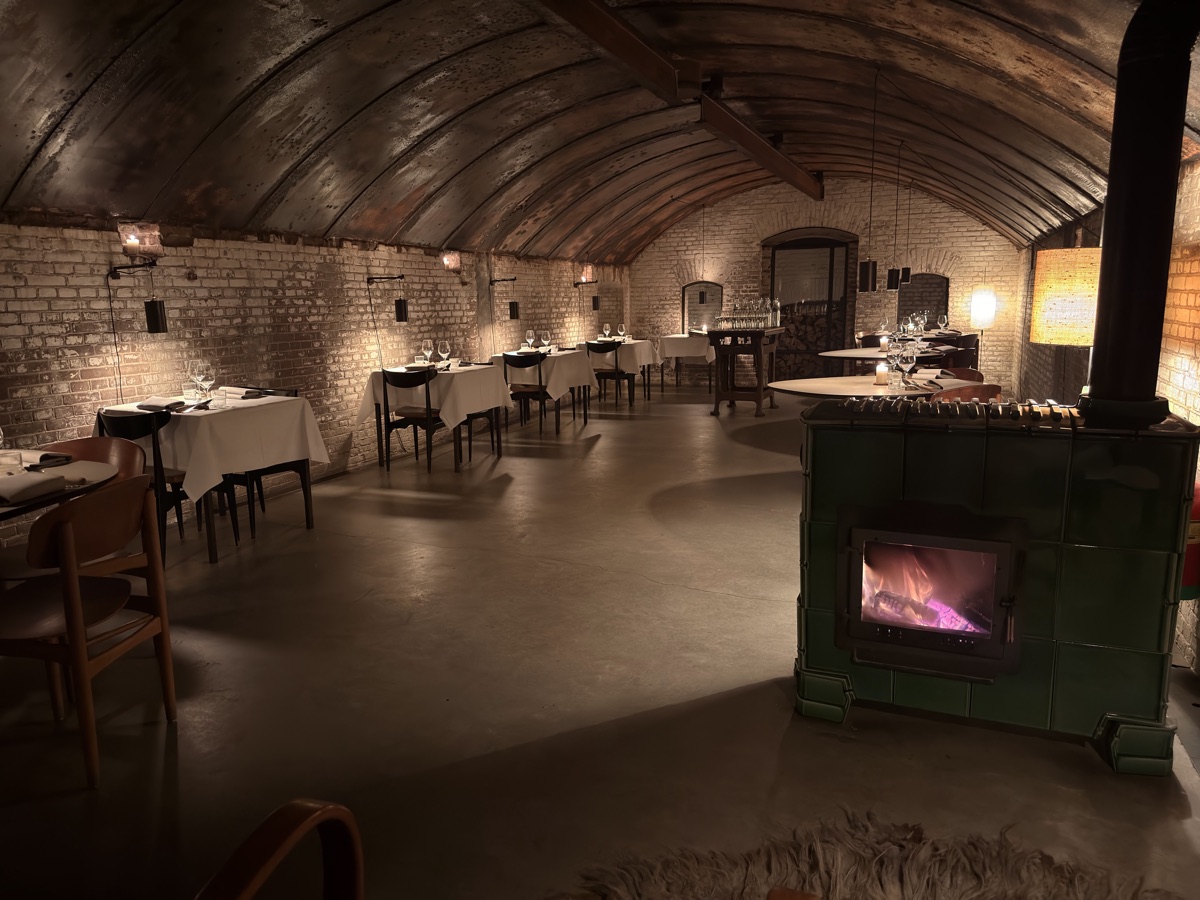
When autumn brings cold rains and freezing winds, the restaurant retreats underground into the historic artillery bunker. Vaulted red brick walls, glowing candles, sheepskin-covered wooden chairs, and blazing cast-iron wood stoves create an intimate, subterranean atmosphere. The massive iron ceiling, originally used as formwork during 19th-century concrete pouring, radiates warmth throughout the room.
Dining inside the bunker feels like a cozy Arctic expedition. Sound carries softly beneath the brick arches, creating an unhurried communal energy as wood smoke drifts from the hearth.
Wood-fired dining and seasonal menu
Vuurtoreneiland serves a single fixed table d’hôte menu, typically spanning five to six courses. Because the kitchen operates without an electrical grid connection or municipal gas line, chefs cook every dish over hardwood coals, open wood braziers, and a cast-iron wood-burning oven. There are no à la carte selections, and the kitchen cannot accommodate strict vegan diets or severe celiac restrictions without compromising the complexity of the wood-fired preparations.
Sourcing and cooking over open fire
Ingredients are sourced almost exclusively from regional North Holland producers: heirloom vegetables from the Beemster polder, wild sea vegetables from the Wadden coast, and sustainably landed fish from Dutch waters. Cooking over hardwood embers imparts depth, caramelized char, and gentle smoke that electric kitchens cannot replicate.
Traditional preservation techniques like lacto-fermentation, curing, cold-smoking, and pickling feature prominently in every course, allowing the kitchen to highlight summer produce during deep winter services.
The dinner course progression
Dinner progresses at a relaxed, unhurried pace. Between courses, servers encourage guests to step outside with their wine glasses to explore the fort ramparts, watch the sunset, or visit the lighthouse.
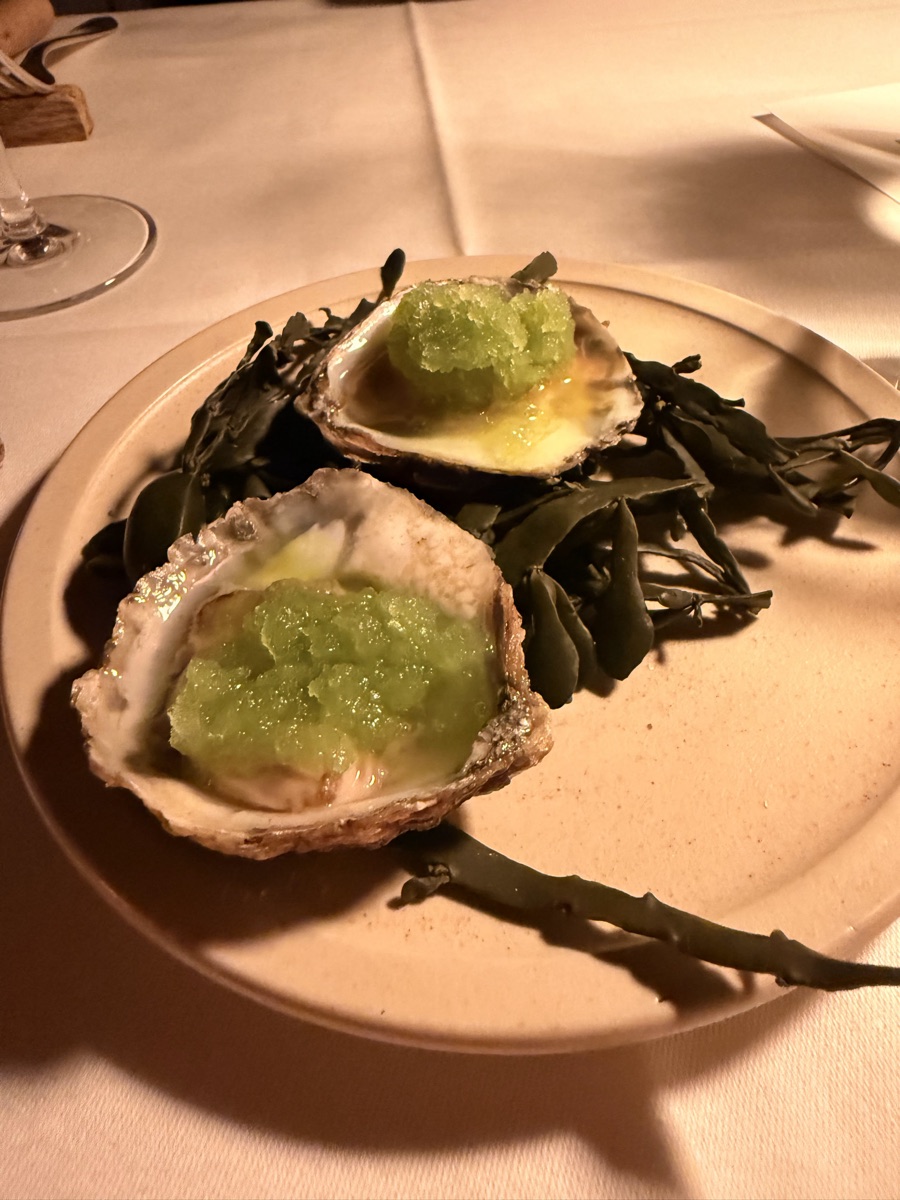
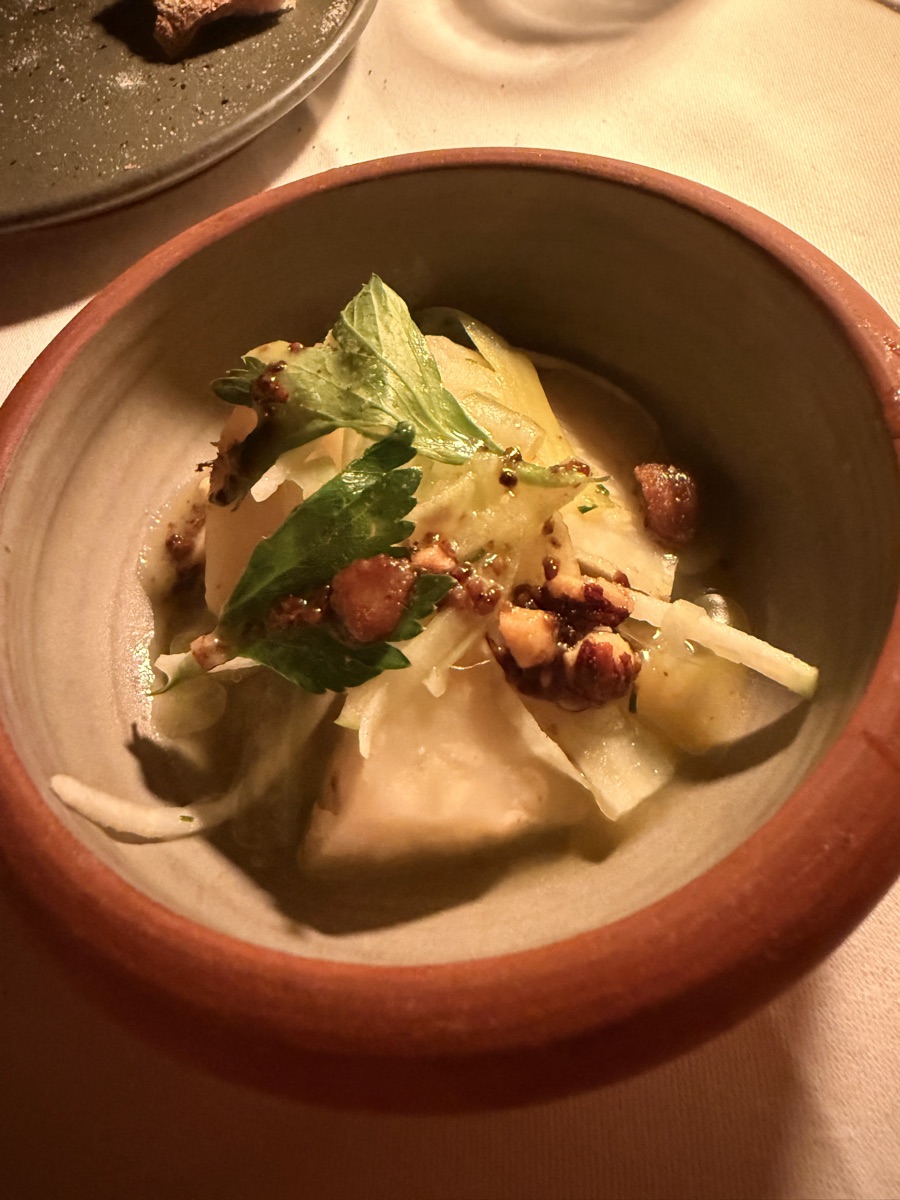
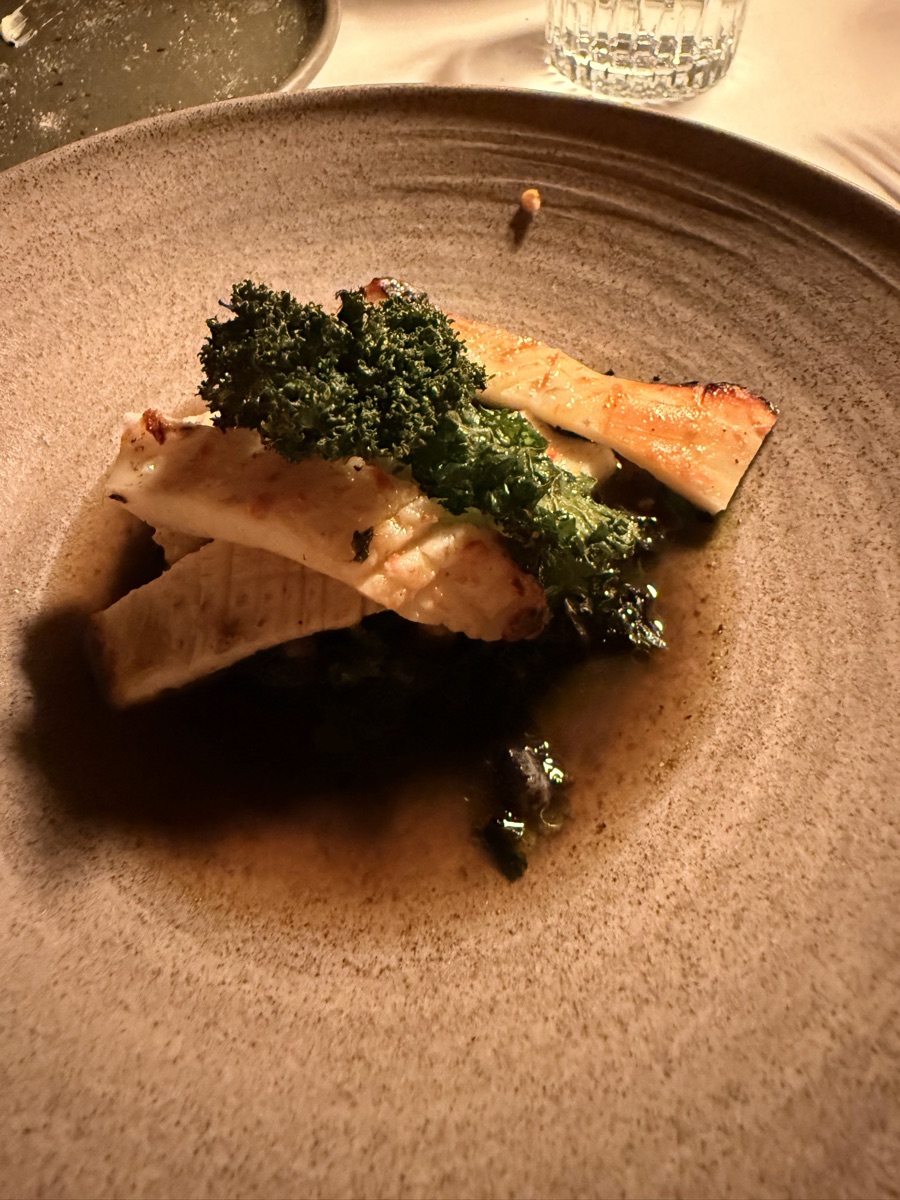
A typical dinner opens with briny Dutch oysters topped with cold cucumber-herb granita, followed by slow-roasted root vegetables paired with toasted hazelnuts and garden herb emulsion. The seafood course features fresh catch seared over glowing coals and served over wilted seasonal greens with crisp kale.
A warm wood-fired main course follows, highlighting heritage meats or roasted autumn pumpkins, before dessert is served as the evening winds down. A final sweet treat is often served on the ferry ride back to Amsterdam.
Exploring the island on foot
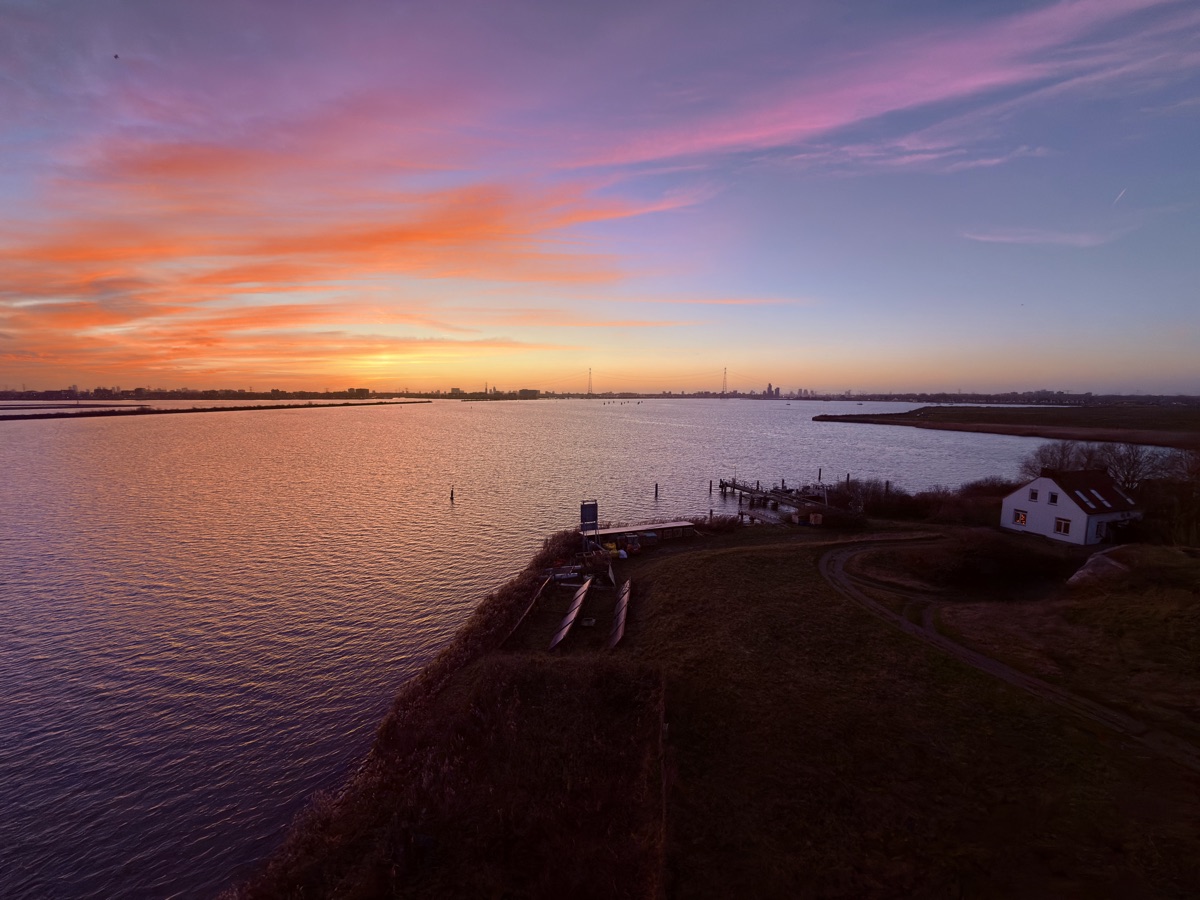
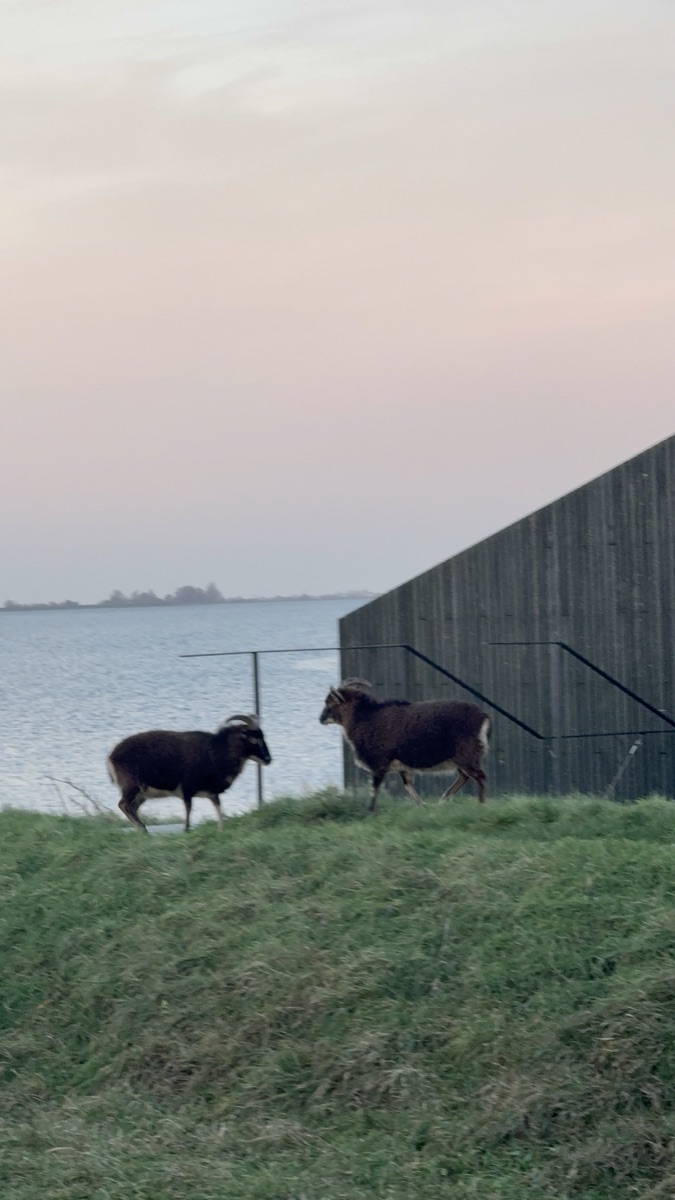
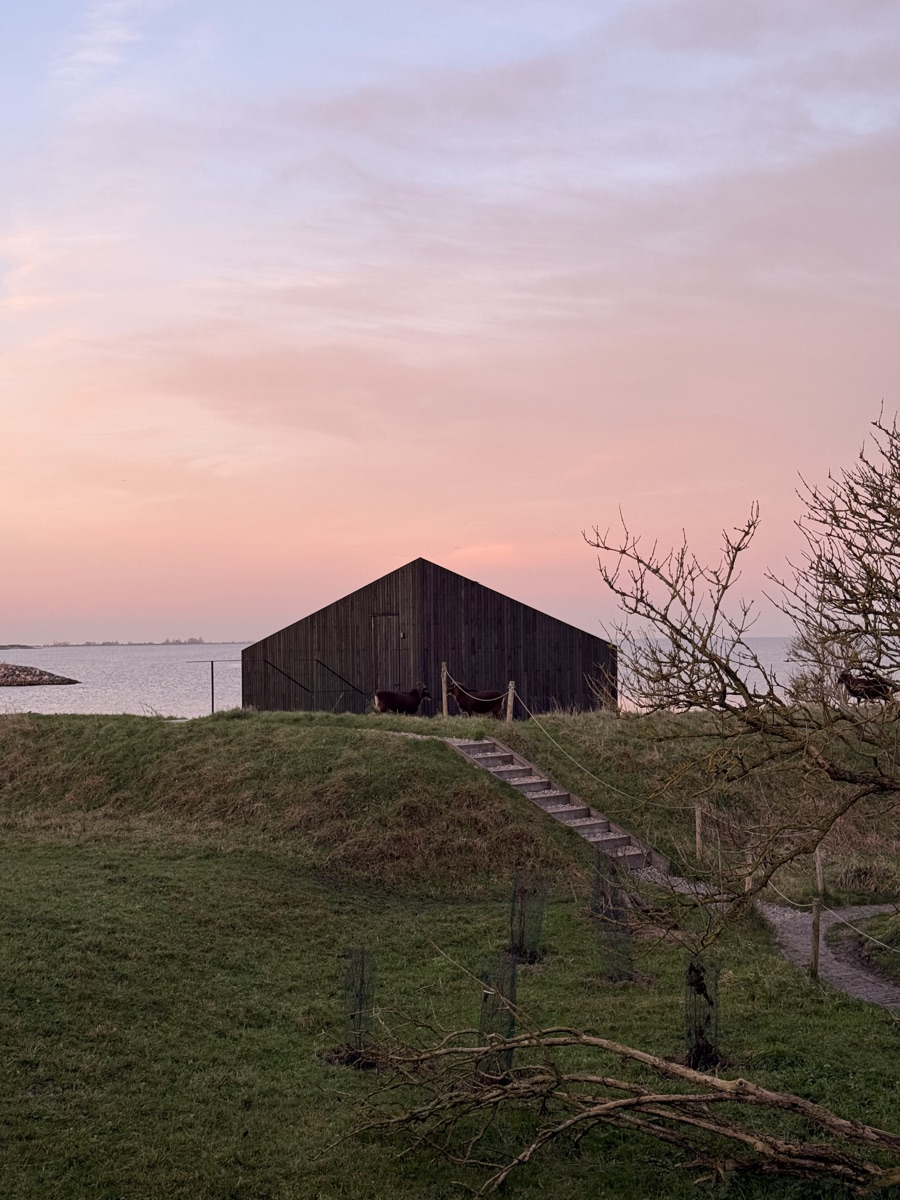
After the ferry ties up at the wooden jetty, visitors have approximately 30 minutes before dinner to explore the protected reserve. Unpaved footpaths cut through wild grasses toward the 1893 lighthouse. A resident flock of horned Soay sheep roams freely across the earthen ramparts, keeping the grassland naturally trimmed without machinery.
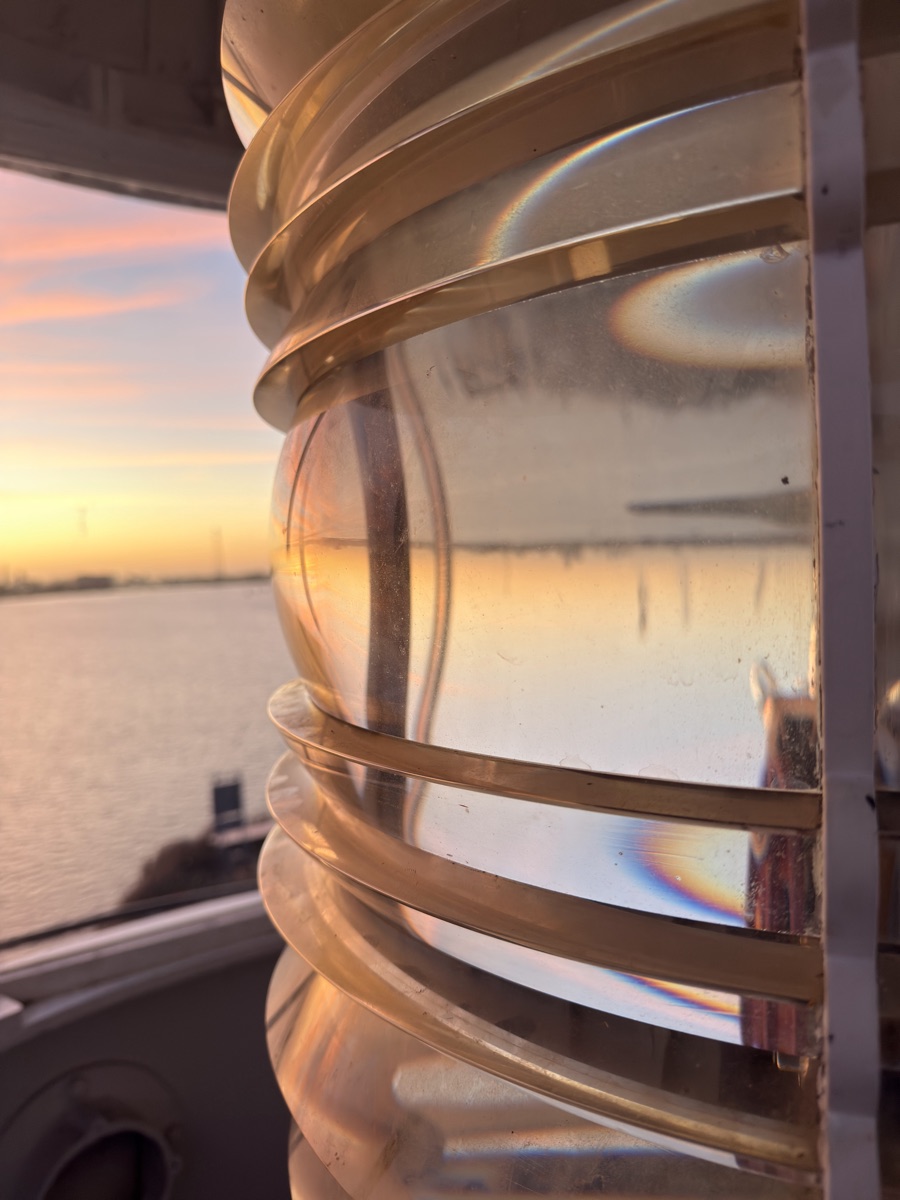
Climbing the winding iron steps of the lighthouse brings you up to the lantern gallery. The intricate glass rings of the 19th-century Fresnel lens catch the fading evening sun, while panoramic views stretch across the IJmeer toward Durgerdam, Pampus Island, and the distant skyline of Amsterdam.
Staying overnight in the off-grid cabins
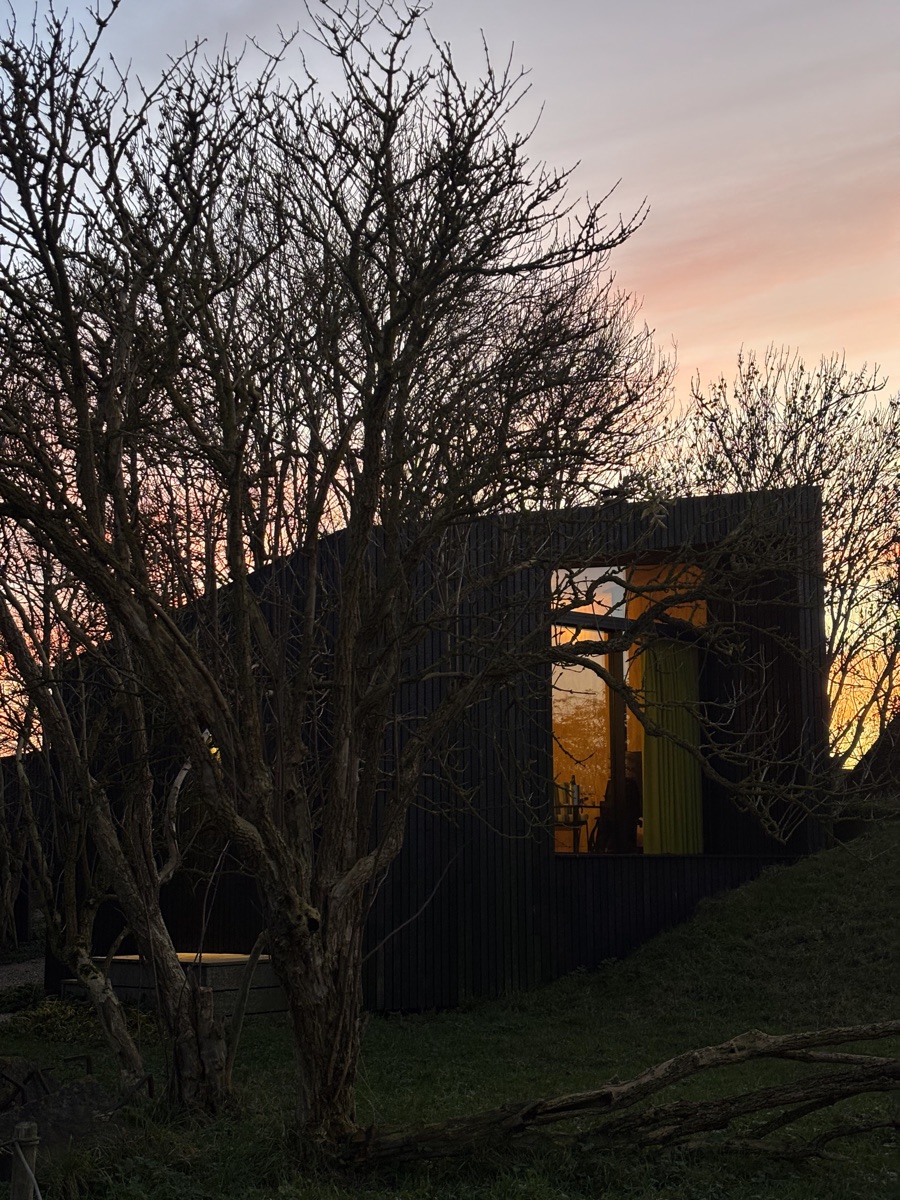
While the dinner cruise is an exceptional evening, staying overnight in one of the six custom cabins designed by Fiction Factory transforms the visit into an unforgettable retreat. Four cabins sit right along the rocky water’s edge, while two occupy sheltered inland hollows among the dunes.
The overnight experience
When the dinner ferry casts off around 23:45 to carry the evening diners back to Amsterdam, an extraordinary quiet settles over the island. With the restaurant lights extinguished and the staff departed, fewer than a dozen overnight guests have the entire island to themselves. The silence is profound: no traffic, no city hum, just the whistling wind, crashing lake water, and the rhythmic beam of the lighthouse.
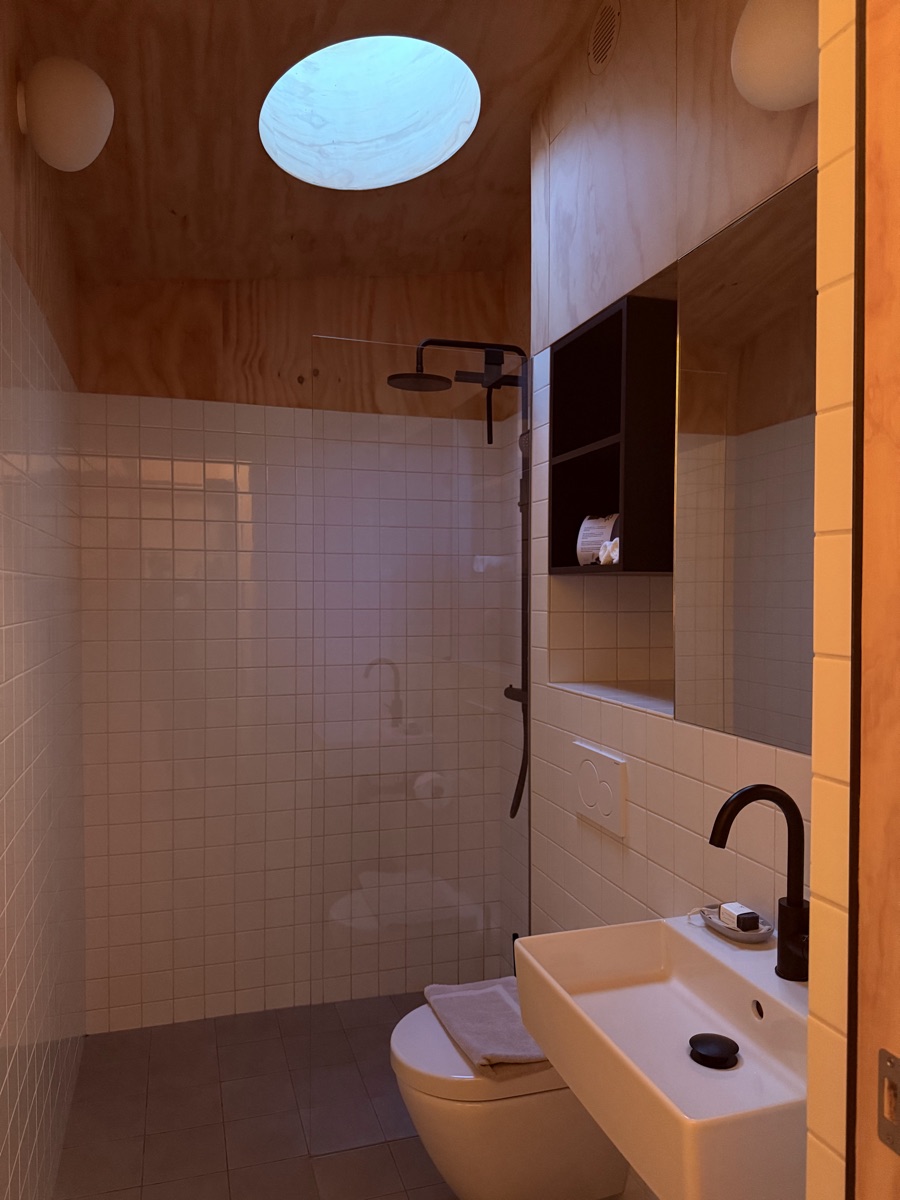
The cabins feature clean timber cladding, floor-to-ceiling glass windows, and minimalist Scandinavian plywood furnishings. A private bathroom includes a walk-in glass rain shower with circular skylights and clear views of the dunes. A compact cast-iron wood stove warms the cabin on chilly nights, with plenty of split hardwood provided.
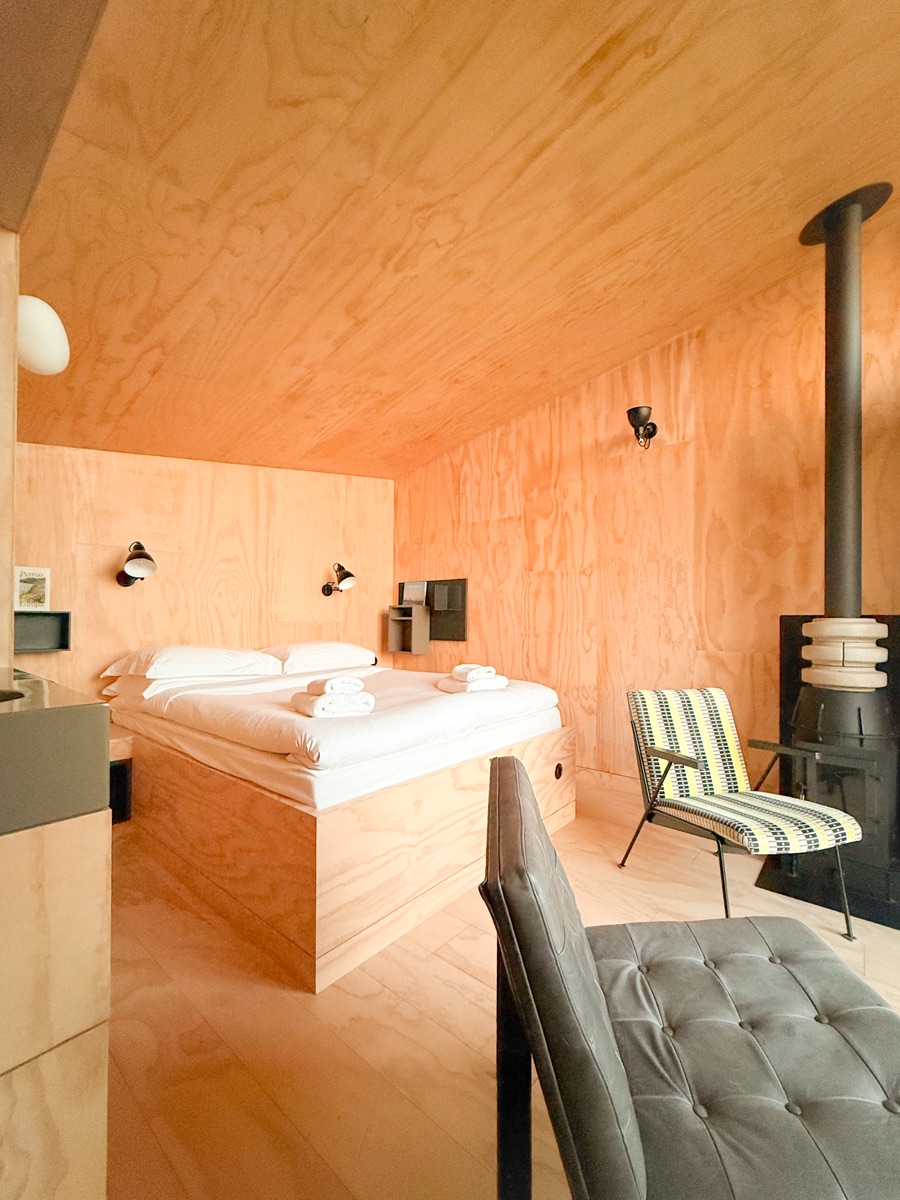
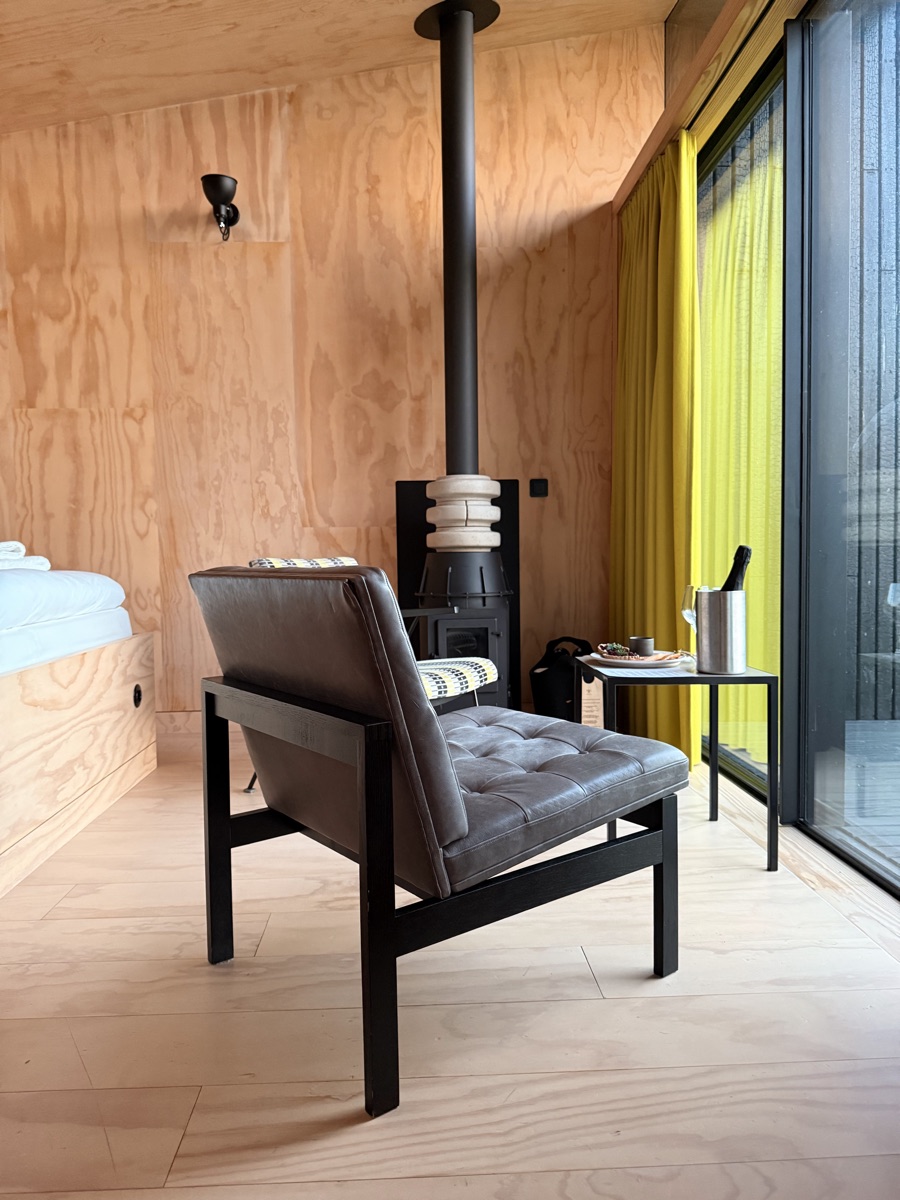
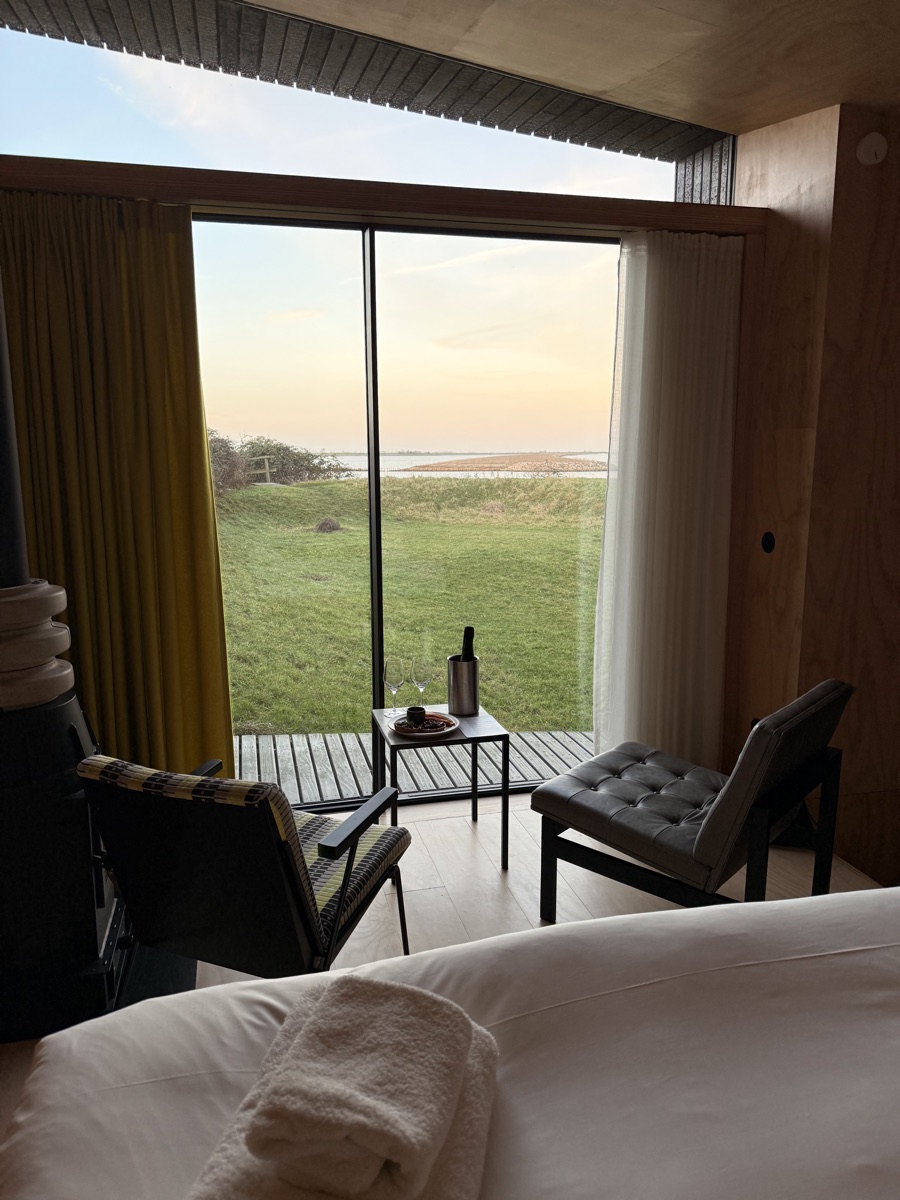
Overnight guests are welcomed upon arrival with natural wines and fresh savory pastries. Later in the evening, after dinner concludes, staff deliver a custom wooden nightcap box stocked with artisan Dutch cheeses, smoked sausage, grain mustard, pickles, and an Opinel pocket knife for late-night snacking beside the fireplace.
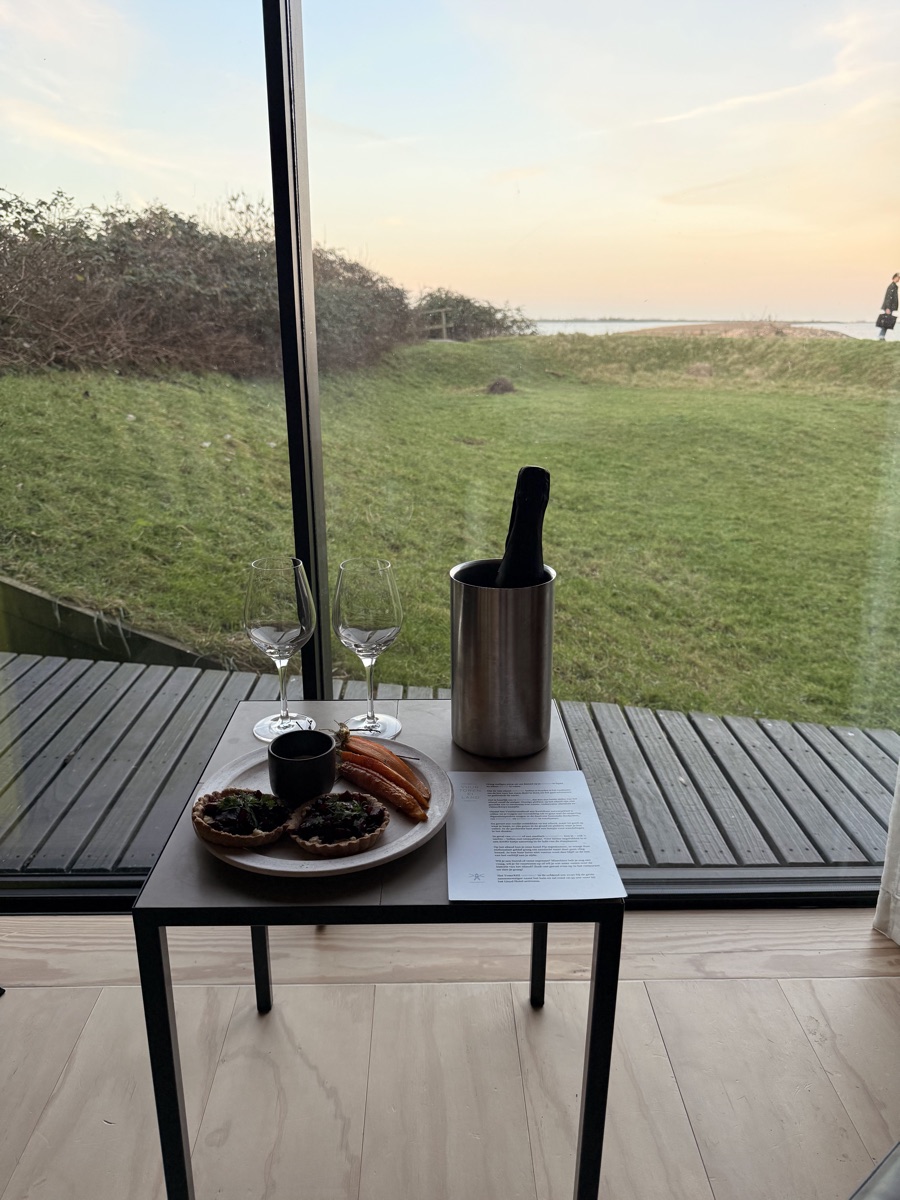
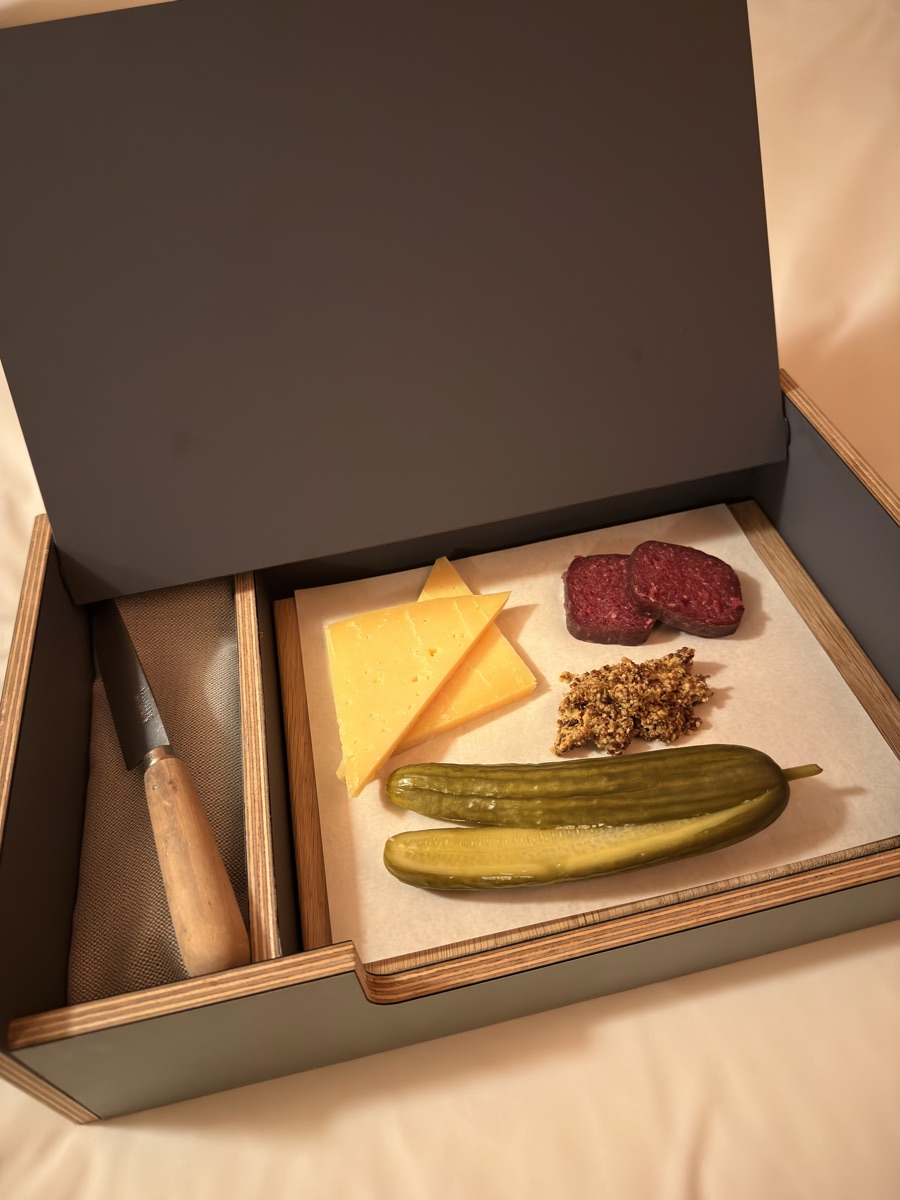
In the morning, breakfast arrives in a woven wicker basket delivered directly to your cabin door, filled with warm bread, farmhouse butter, boiled eggs, fresh preserves, and hot coffee. You can enjoy breakfast in bed while watching waterfowl on the lake, or take your basket outside to the deserted fort ramparts. The morning ferry arrives around mid-morning to collect overnight guests, providing several hours of peaceful daylight solitude before returning to Amsterdam.
Overnight packages include return ferry passage, welcome snacks, five-course dinner with wine pairing, the nightcap charcuterie box, cabin stay, and breakfast. Pricing typically runs between €700 and €750 for two guests. With only six cabins available, overnight dates book out almost instantly when reservations open.
Practical considerations
Terrain and footwear
Vuurtoreneiland is an authentic nature reserve with rugged terrain. Paths consist of uneven gravel, packed mud, and damp grass. Sturdy walking shoes or waterproof boots are essential. High heels and delicate leather footwear are completely impractical. The ferry requires navigating stairs and a gangway, and the walk from the jetty to the dining venues covers 100 to 150 meters of open ground. Because of these historic terrain barriers, the island cannot accommodate standard wheelchairs.
Weather and clothing
Because the island is fully exposed in the IJmeer, temperatures feel noticeably cooler than in downtown Amsterdam, and lake winds are constant. Dress in warm layers and bring a windproof jacket, even on clear summer evenings. During extreme weather conditions like severe gales, dense fog, or winter ice on the locks, the ferry may be canceled for maritime safety. In these cases, bookings are rescheduled to future dates.
Island rules and conservation
To protect breeding waterbirds and prevent stress to the resident Soay sheep, dogs are strictly prohibited across the island. Private boat docking is also forbidden; submerged breakwaters and shallow mudflats make unguided navigation hazardous, and all visitors must arrive via the official IJveer XIII ferry.
Frequently asked questions
Is Vuurtoreneiland worth the price?
Yes. The dinner ticket includes a scenic two-hour round-trip ferry crossing through the Oranjesluizen locks, access to a protected UNESCO World Heritage fortress, welcome appetizers, and a full five-course wood-fired dinner. For the unique setting and off-grid dining experience, it represents exceptional value.
What is the dress code?
Smart-casual and weather-practical. Sturdy flat walking shoes or boots are essential for traversing muddy grass paths and gravel terrain. Dress in warm layers; breezes on the IJmeer make the island significantly cooler than central Amsterdam.
Can I visit Vuurtoreneiland just for drinks or coffee?
No. Vuurtoreneiland operates strictly on a set schedule tied to the ferry crossing. Drop-ins, drinks-only visits, and private boat landings are not permitted.
How does Vuurtoreneiland handle dietary restrictions?
Vegetarian menus and common allergies (seafood, nuts, dairy) can be accommodated with advance notice during booking. However, because the kitchen cooks exclusively over wood fires, strict vegan and severe celiac requirements cannot be accommodated.
Will I get seasick on the ferry?
The crossing takes place aboard the historic IJveer XIII across the sheltered IJ and IJmeer. While wind can create light chop, water conditions are generally calm. If you are unusually sensitive to boat motion, consider motion-sickness remedies before boarding.
Can I visit the island without dining?
No. The island is an off-grid nature reserve managed by Staatsbosbeheer. Access is granted exclusively to guests with confirmed restaurant reservations or overnight cabin bookings.
Which season is better: summer greenhouse or winter bunker?
Both seasons offer completely different highlights. Summer (May to September) features the transparent glass greenhouse with panoramic water views and long golden hour sunsets. Winter (October to mid-May) offers the intimate underground bunker with vaulted brickwork, sheepskins, and roaring wood-burning stoves.
Getting there
The ferry departs from Veemkade in Amsterdam’s Eastern Docklands, directly opposite the Lloyd Hotel at Oostelijke Handelskade 34. The dock is easily reachable from Amsterdam Centraal Station via Tram 26 (stop at Kattenburgerstraat or Rietlandpark), followed by a three-minute walk to the quay. Cycling takes approximately 10 to 15 minutes from the city center.
Metered street parking is available along Oostelijke Handelskade and nearby parking garages, but public transit or cycling is recommended. The ferry departs promptly at the scheduled time, so plan to arrive at the dock at least 15 minutes before departure.
How to book
Bookings are made exclusively through the official Vuurtoreneiland reservation portal at vuurtoreneiland.nl/reserveren.
The website is in Dutch by default, with an English translation toggle available in the footer. Tables release daily at 13:00 Dutch time for dates three months ahead. For inquiries or special assistance before booking, call +31 20 362 1664 (Wednesday through Saturday, 13:00 to 18:00).