Description
Step into Papa Thang, an Amsterdam spot serving Vietnamese street food with an international twist. This ghetto-chic bistro comes from chef Thang Pham, whose culinary journey took him around the globe before bringing him back to his roots.
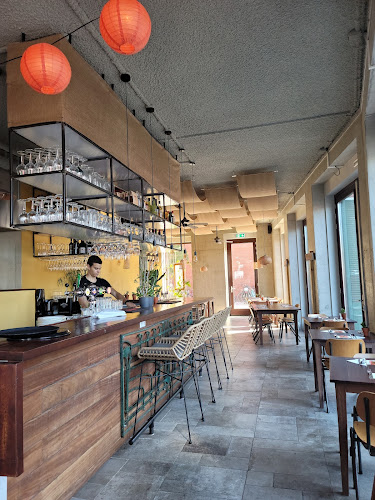
Walk through the doors and you’ll catch the aromas of spices and herbs, reminiscent of Hanoi’s street food stalls. Inside, exposed brick, colorful Vietnamese art and string lights give the place an industrial feel with a cozy edge.
And then there’s the food. Papa Thang’s menu is a love letter to Vietnamese cuisine, with a modern, creative spin. You’ll find street food favorites like steaming bowls of pho and crispy banh mi, each with its own Papa Thang touch.
Papa Thang caters to a range of tastes, whether you’re a committed carnivore or a strict vegan. The plant-based dishes are full of flavor, and the kitchen prioritizes locally sourced, seasonal ingredients whenever possible. That’s a welcome touch in a city where good produce is never far away.
Key Features
1. Signature Cocktails: Start with one of Papa Thang’s carefully made cocktails. The bar menu pairs Vietnamese flavors with classic mixology. My personal favorite is the Saigon Sunset, a refreshing mix of lemongrass-infused vodka, passion fruit and a hint of chili. It’ll wake up your taste buds and set the tone for the evening.
2. Fusion Street Food: Chef Thang’s menu mixes Vietnamese traditions with international influences. Take the Pho-rito, a combination of Vietnamese pho and a Mexican burrito. It sounds unlikely, but it works.
3. Plant-Based Paradise: Vegetarians and vegans have plenty to choose from here. The Jackfruit Banh Mi is so convincing, you might think you’re biting into succulent pulled pork.
4. Interactive Dining Experience: Papa Thang’s open kitchen lets you watch the chefs at work, which adds a little theatre to dinner. Don’t be shy about chatting with them. They’re happy to share cooking tips or the story behind a dish.
5. Sustainable Practices: Papa Thang takes its environmental responsibilities seriously. The restaurant uses biodegradable takeaway packaging and sources ingredients from local farmers, making sustainability part of its day-to-day operations.
6. Rotating Specials: Keep an eye on the daily specials board. Chef Thang experiments with new flavor combinations, often drawing inspiration from his travels or whatever’s in season. These off-menu dishes can be a lovely surprise.
7. Cooking Classes: If you’d like to take a little of Papa Thang home, the bistro occasionally runs cooking classes. You’ll learn how to make some of its popular dishes and have something new to show off to your friends back home.
Best Time to Visit
Papa Thang is worth a visit at any time of day, though a few timings can make the experience even better.
The bistro opens at 11 AM, with a lunch menu that’s a good chance to try lighter dishes like green papaya salad or crispy spring rolls. Lunch gets busy between 12:30 PM and 2 PM, so come just before or after if you’d rather have a quieter meal.
For dinner, things pick up from 6 PM onwards. The lights come on, the cocktail shakers start up, and the air fills with the smell of sizzling street food. It’s a lively time to visit, especially if you enjoy a bit of atmosphere with your meal.
Weekends bring a mix of locals and visitors, so expect a lively room. For a more intimate dinner, try a weekday evening. Tuesdays and Wednesdays tend to be quieter, which makes it easier to linger over your meal and chat with the staff.
Keep an eye on Papa Thang’s social media for special events, including themed nights and guest chef collaborations. They can sell out quickly, so book ahead if one catches your eye.
Visiting Amsterdam in the warmer months, usually May to September? Try to get a seat on Papa Thang’s small outdoor terrace. A bowl of pho and some people-watching on a mild Amsterdam evening is hard to beat.
Papa Thang draws both locals and tourists, so reservations are a good idea, especially for dinner and weekends. Turning up hungry only to find a long wait isn’t much fun.
How to Get There
Papa Thang sits in De Pijp, one of Amsterdam’s most appealing neighborhoods. Here are a few ways to get there without too much fuss.
De Pijp is often called Amsterdam’s Latin Quarter. It’s known for its food scene, bars and the Albert Cuyp Market, which makes it a fitting home for an inventive Vietnamese bistro.
If you’re staying in the city center, you have a few options:
1. By Tram: Take Tram 3 or 24 to the Ferdinand Bolstraat stop, then walk about three minutes to the restaurant. The ride from Central Station takes around 15-20 minutes and passes some lovely Amsterdam architecture along the way.
2. By Metro: Take Metro line 52, the North-South line, to De Pijp station. Papa Thang is about a seven-minute walk from there. This route is especially handy if you’re coming from Amsterdam Zuid or Noord.
3. By Bike: Cycling is always an option in Amsterdam. Rent a bike and pedal over like the locals do; the ride from the city center takes around 15-20 minutes, depending on where you start. Lock your bike securely. Amsterdam is generally safe, but bike theft does happen.
4. On Foot: If you’re staying nearby or want to walk off your last meal, Papa Thang is easy to reach on foot. The walk from Dam Square takes about 30-35 minutes and passes some picturesque canal-lined streets.
5. By Taxi or Ride-Share: Taxis and ride-share services like Uber are available if you’re short on time or prefer a door-to-door ride. Give the driver the address, and they’ll drop you at Papa Thang’s door.
Once you reach De Pijp, look for the restaurant’s understated façade. Papa Thang doesn’t shout for attention from the street; it’s more of an “if you know, you know” kind of place. The simple black awning with “Papa Thang” written in white will let you know you’ve arrived.
If you’re using your phone to navigate, don’t rely on the street number alone. Amsterdam’s winding street layouts can confuse GPS, so it’s worth knowing roughly where you’re headed or taking a screenshot of the map.
And if you do get a little lost, ask a local. Amsterdammers are generally friendly and happy to point you in the right direction. You might even get a tip about another good spot nearby.