Description
Ah, the Mirroring Cube. It’s one of those quirky little gems that make Amsterdam such a fascinating city to explore. I’ve passed this art installation countless times, and it still catches my eye. Just a short walk from some of the city’s best-known museums, this reflective oddity brings a modern touch to the historic streets around it.
I’ll be honest: the Mirroring Cube isn’t in pristine condition these days. Like many public artworks, it’s picked up a few stickers from vandals and overenthusiastic tourists, and the surface looks a little weathered. But that’s part of its charm, if you ask me. Its scratches and blemishes tell their own small story of life in Amsterdam.
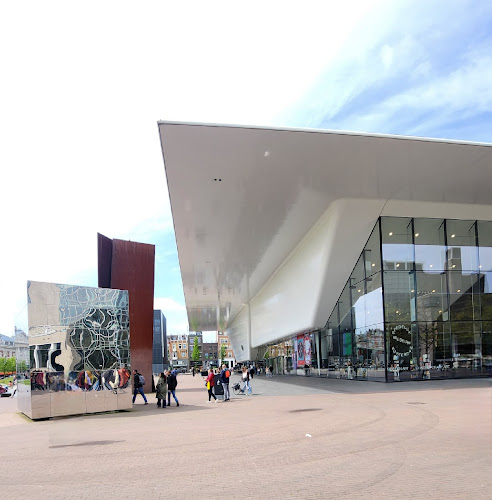
The cube is a large mirrored structure that reflects whatever’s around it. On a sunny day (yes, we do get those in Amsterdam!), it’s quite a sight. The way it catches the light can be mesmerizing, and it makes for a fun photo stop. I’ve seen locals and visitors alike get creative with selfies and group shots.
Key Features
So, what makes the Mirroring Cube stand out? Its location is a little unusual: while most visitors head straight for the nearby museums, the cube sits just off the main tourist trail. It’s a nice place to pause and look around, pun intended.
The design looks simple, but it’s surprisingly captivating. Its mirrored surfaces create an optical illusion that can feel disorienting at first. Walk around and you’ll catch fragmented reflections of yourself, passersby, and the surrounding buildings. It’s a funhouse mirror with an artistic twist.
I like how the cube changes through the day. In the early morning, it catches the soft golden light. By midday, its surfaces reflect the steady stream of visitors and locals going about their day. Come evening, the streetlights give it an entirely different feel.
Here’s a little secret: the cube’s not just about looks. It’s also a good spot for people-watching. I’ve spent a lazy afternoon nearby, watching people react to it. Some pass without a glance; others stop and stare. It’s a curious little snapshot of how people move through the city.
As I mentioned, the cube has seen better days. You’ll notice the wear and tear up close, but I think that gives it character. Every scratch and sticker feels like a small mark left by someone who passed through, turning it into an unofficial public guestbook.
Best Time to Visit
When’s the best time to see the Mirroring Cube? It depends on what you’re after.
For a good Instagram shot, I’d go early in the morning. The light is soft, and there’ll be fewer people wandering into your reflection. Amsterdam’s lovely at that hour, too: the streets are quiet, the air is crisp, and the city feels almost like it’s yours alone.
If you’d rather see the cube surrounded by people, aim for mid-afternoon. The area’s livelier then, with visitors and locals passing by. You’ll see the cube reflecting the everyday energy of Amsterdam.
My own favorite time is just before sunset. The golden-hour light gives the mirrored surface a warm, dreamy look. It’s a lovely moment to stop, take it in, and appreciate the city.
Amsterdam’s beautiful year-round, but if I had to choose, I’d visit in spring or early fall. The weather is usually mild, and you’ll miss the peak summer crowds. In spring, you might even spot reflections of blooming tulips in the cube.
One thing to keep in mind: Amsterdam weather can be unpredictable. We locals joke that you can get all four seasons in a single day. Check the forecast before you head to the Mirroring Cube, and be ready for a sudden shower. Raindrops trickling down its reflective surface make for a pretty good show, though.
How to Get There
Now for the practical bit: getting there. Amsterdam’s fairly compact, and the Mirroring Cube sits in a central spot, just a short trip from some of the city’s best-known museums.
Coming from Amsterdam Centraal, the main train station? One easy option is tram 2 or 12. Get off at the Rijksmuseum stop, then walk a short distance to the cube. The tram ride takes about 15 minutes, depending on traffic.
If you prefer two wheels (and in Amsterdam, plenty of us do), renting a bike is a good option. You’ll find bike rental shops near the station, and the ride takes around 15 to 20 minutes. Just get familiar with the bike lanes and traffic rules before setting off. We take cycling seriously here!
You can walk, too, if you’re up for it. It’s about 30 minutes from the station, with plenty to see on the way. Head south down Damrak, continue onto Rokin, then turn left onto Stadhouderskade. The cube is near the intersection with Museumstraat.
If you’re using public transport, I’d recommend getting an OV-chipkaart. It’s our public transport card and saves you the trouble of buying individual tickets. You can get one at any station or most supermarkets.
Once you’re nearby, look for the Rijksmuseum; it’s hard to miss. The Mirroring Cube is just southwest of the museum. If you reach the Van Gogh Museum, you’ve gone a little too far.
A quick heads-up: the museum area can get crowded, especially in peak tourist season. If you lose your bearings, don’t hesitate to ask for directions. We Amsterdammers can be direct, but we’re happy to help a lost traveler.
And a local tip: make a day of it. The area has excellent museums, cozy cafes, and parks. Spend some time at the Rijksmuseum or the Van Gogh Museum, then take a leisurely stroll through Vondelpark. You could finish with a stop at the Mirroring Cube as the sun sets, and get a feel for a quieter slice of Amsterdam life.
The Mirroring Cube may not be as famous as some of our other attractions, but it offers a different perspective on the city. If you’re into art, photography, or just the quirky side of life, it’s worth a visit. You might see Amsterdam, and yourself, in a new light.