Description
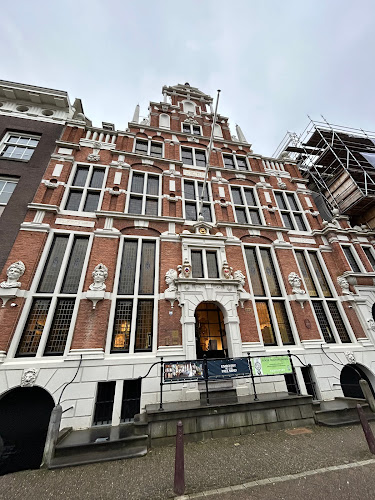
Let me tell you about one of Amsterdam’s real oddities, the Huis met de Hoofden. I’ve seen plenty of quirky buildings, but this one still stands out: a grand canal house with six stone heads looking straight down from the facade. A little spooky? Maybe. Fascinating? Absolutely.
Built in 1622, this architectural gem stands on the Keizersgracht, one of Amsterdam’s best-known canals. And it’s no ordinary old building, either. The Huis met de Hoofden is a certified rijksmonument, meaning it’s recognised as a national heritage site. You can see why as soon as you spot that facade.
The story behind those heads is the part I love. Legend says they’re the heads of six thieves who tried to break in and were caught and beheaded by the maid. Rather dramatic home security, isn’t it? The tale’s a good one, but it isn’t true: the heads represent Roman gods. Apollo, Ceres, Mercury, Minerva, Bacchus, and Diana all keep watch over the canal.
I’m no architecture buff, but the Renaissance style is easy to appreciate. It has that classic Dutch character, with a touch of Italian flair. Hendrick de Keyser, or more likely his son Pieter, created the design. They knew how to make an impression.
There’s more to the house than its looks. Wealthy traders lived here, intellectuals gathered under its roof, and it later housed a music conservatory. Today, the building is home to the Embassy of the Free Mind.
Key Features
Here’s what makes the Huis met de Hoofden worth a stop on your Amsterdam itinerary:
1. Those Heads: Six stone faces look down at you from the facade. They’re a great photo subject, and each has its own expression. You could easily spend a while working out which god is which.
2. Renaissance Architecture: The facade is a fine example of Dutch Renaissance style. If you’re into architecture, or just like a handsome canal house, you’ll appreciate the details.
3. Historical Significance: This building has had a long life, from wealthy traders’ home to meeting place for intellectuals. It’s been part of Amsterdam’s cultural scene for centuries.
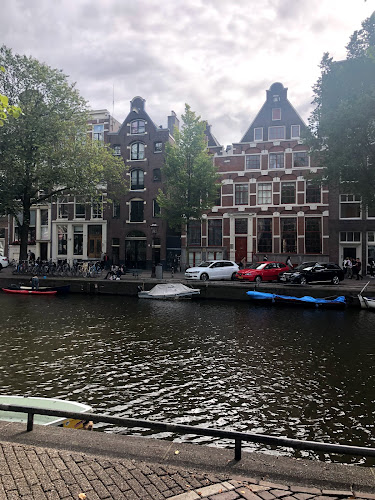
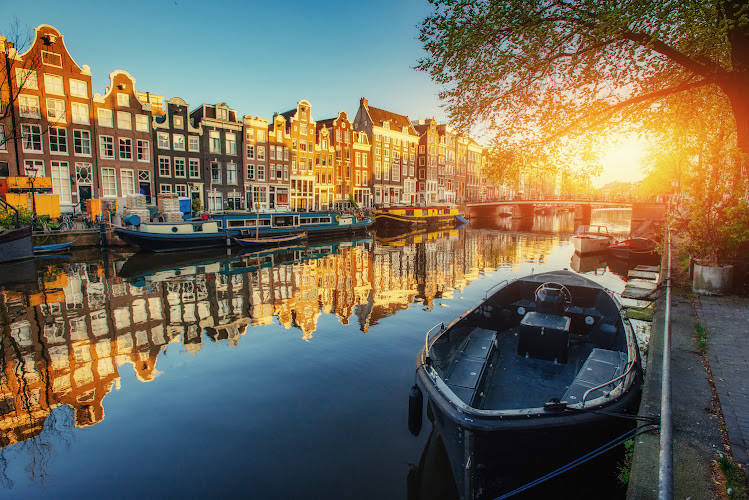
4. Canal-side Location: The house sits right on the Keizersgracht, with the classic canal view just outside. It’s a lovely spot for a photo.
5. Embassy of the Free Mind: The current tenant is a museum dedicated to free thinking. It takes you through the history of human thought, which makes for a pretty different kind of museum visit.
6. Bibliotheca Philosophica Hermetica: The museum also includes this library, with rare and historic books on philosophy, religion, and mysticism. Book lovers will find plenty to enjoy.
7. Cultural Events: The museum regularly hosts lectures, concerts, and exhibitions. Check what’s on before you visit; there may be something that catches your eye.
8. Architectural Details: Look beyond the heads and you’ll spot intricate stonework, elegant windows, and a grand entrance.
9. Historical Anecdotes: The stories connected to this house are full of surprises. The philosopher Spinoza may even have been a guest here.
10. Unique Museum Experience: This isn’t a typical art museum. It explores the meeting points between art, science, and spirituality, and can leave you with plenty to think about.
Best Time to Visit
When should you plan your visit? Each season has its charms, though some are easier to enjoy than others.
Summer (June to August): This is peak tourist season in Amsterdam, and the weather’s often lovely for a stroll along the canals. You’ll get a good look at the Huis met de Hoofden, but expect crowds. Finding a clear spot for a selfie can take a bit of patience.
Spring (April to May): This is my pick for a visit. The weather starts to warm up, tulips are in bloom, and the biggest summer crowds haven’t arrived yet. The stone heads look especially good against the spring blossoms.
Fall (September to November): Another good time to come. The summer crowds thin out, and the air gets crisp. The changing leaves along the canal make a lovely backdrop.
Winter (December to March): Amsterdam gets cold in winter, no getting around it. Still, the Huis met de Hoofden has a certain charm when snow settles on the roof. If your visit coincides with the Amsterdam Light Festival, even better.
For the time of day, I’d aim for late afternoon. The light catches the stone faces nicely, and you can stay for sunset over the canal. The Embassy of the Free Mind is often quieter later in the day, too.
One tip: check the event calendar before you go. The museum puts on special exhibitions and lectures, which can add something extra to your visit. I once wandered in for a talk about ancient mysticism and came away with a lot to think about.
How to Get There
So, how do you get to this head-turning canal house? It’s easy enough to reach from the centre, and you’ve got a few options.
The Huis met de Hoofden is at Keizersgracht 123, right in central Amsterdam.
Public transport is usually your best bet. Here are a few options:
1. Tram: Take tram 2, 11, or 12 and get off at the Koningsplein stop. From there, it’s a short walk to Keizersgracht.
2. Metro: Take the metro to Rokin station. The house is about a 10-minute walk from there.
3. Bus: Lines 170 and 172 will get you close. Get off at the Muntplein stop.
Feeling adventurous? Rent a bike and get around the Dutch way. Just watch out on the canal-side paths, which can get narrow.
If you’re walking, it’s easy to reach from most of central Amsterdam. From Dam Square, it’s about a 10-minute stroll: head south along the Rokin, then turn right onto Keizersgracht. Look for the house with the heads and you’ll know you’re there.
Coming from further afield, such as Schiphol Airport? Take the train to Amsterdam Centraal Station, then continue by tram, metro, or bus.
If you’re driving, though I wouldn’t recommend it in central Amsterdam, you’ll find several parking garages nearby. Q-Park Muntplein is probably the closest, but parking here isn’t cheap.
My favourite way to arrive is by canal boat. Several tour operators pass the building, giving you a different view of the facade and a bit of history along the way.