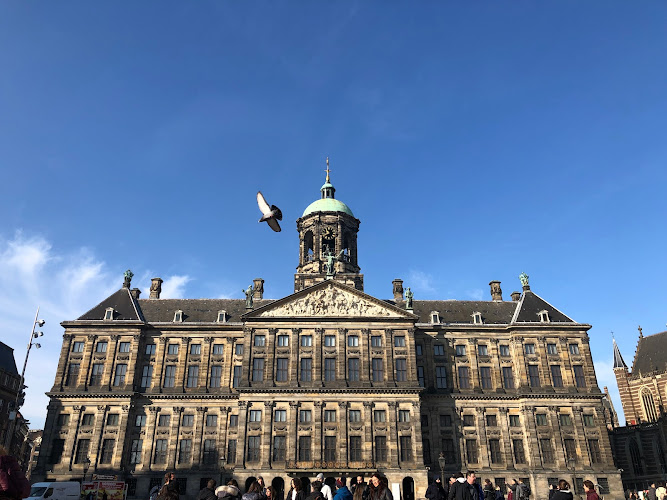
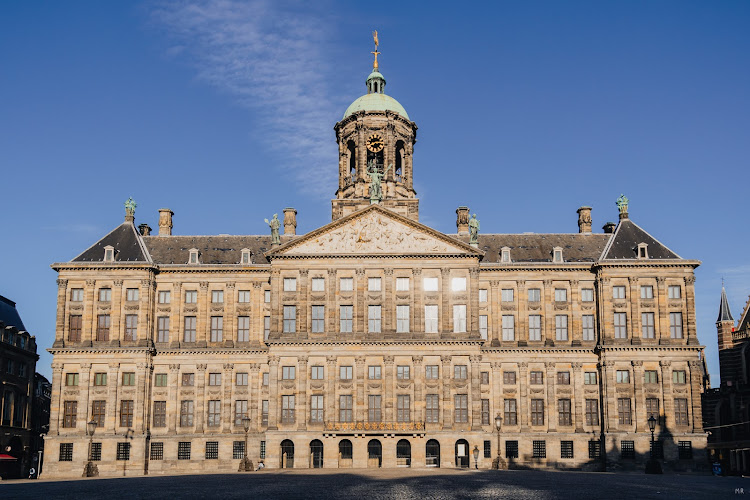
The Royal Palace Amsterdam, also known as the Koninklijk Paleis, is a majestic symbol of Dutch heritage that offers a captivating journey through regal history. This living building allows visitors to follow in the footsteps of royal guests as they explore its imposing rooms and halls. The architecture, designed in the Dutch Classicist style, features a symmetrical layout around a central axis and showcases classical columns, creating a grand and imposing atmosphere.
The palace is adorned with opulent interiors, including impressive artworks and sculptures, adding grandeur and historical significance. Visitors can delve into the palace’s rich history, which can be divided into four distinct periods, providing a comprehensive understanding of its cultural and architectural evolution.
Whether admiring the narrowest street in Amsterdam nearby or pre-booking skip-the-line tickets for a guided tour, a visit to the Royal Palace promises an enriching and immersive experience for history enthusiasts and admirers of architectural splendor alike.
The Royal Palace Amsterdam holds the commanding western edge of Dam Square, where the city’s ceremonial centre meets the busy pedestrian routes between Central Station, the Nine Streets and the old shopping streets. Its long sandstone façade can seem almost severe beside the square’s constant movement, but that contrast is part of the experience: this is a working royal setting in the middle of everyday Amsterdam, rather than a palace tucked behind gates or gardens.
Built as Amsterdam’s seventeenth-century town hall, the building still reads as a statement of civic confidence before it reveals its royal role. Inside, marble floors, soaring halls, maps, sculpture and symbolic decoration make the scale clearer than the exterior does. It is an especially rewarding stop for visitors who want to understand the Dutch Golden Age beyond canal houses and museums, while remaining firmly in the compact, walkable core of the city.
Key Highlights & What to Expect
This is a self-paced interior visit with substantial visual detail rather than a quick façade photo opportunity. Allow time to look upward and outward: painted ceilings, monumental rooms and allegorical programmes were designed to communicate Amsterdam’s place in the world. The palace may also host official occasions, so public access can change around its ceremonial calendar. Treat a visit as a focused cultural stop, then use Dam Square as your compass for exploring the surrounding centre.
- The Citizens’ Hall: The vast central space is the emotional and architectural anchor, with marble underfoot and a sense of civic theatre that photographs rarely convey.
- A former town hall with a royal afterlife: Looking for that shift in purpose helps make sense of the classical imagery, public grandeur and later royal furnishings.
- Decorative storytelling: Globes, maps, carvings and paintings reward slow observation. Audio interpretation can be particularly useful if you are not already familiar with the symbolism.
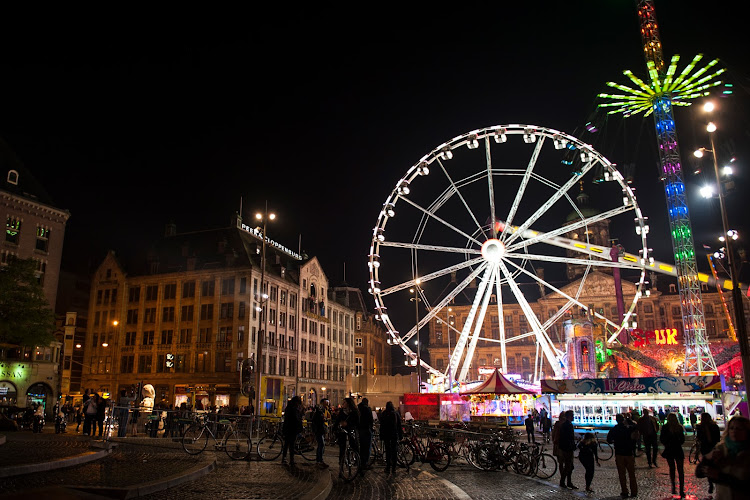
- Dam Square energy: Expect street performers, tour groups, trams nearby and a steady stream of people outside; the interior provides a more measured counterpoint.
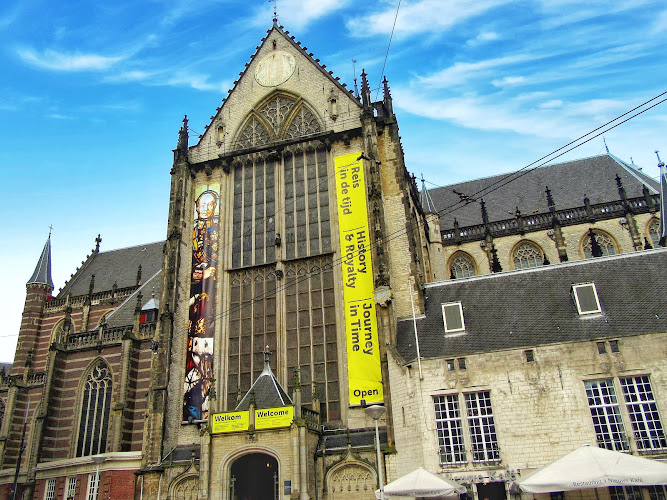
- A compact historic-centre base: The palace sits within an easy walk of the Nieuwe Kerk, the National Monument, Kalverstraat and the canal belt’s western edge.
Practical Planning Snapshot
| Planning Factor | What to Expect | Local Tip |
|---|---|---|
| Best Time / Timing | Earlier in the day generally brings a calmer start before Dam Square reaches its busiest rhythm. Rainy afternoons can also make the indoor visit feel especially worthwhile. | Check the current visitor schedule shortly before setting out: official use can affect access, even when the surrounding square is fully open. |
| Typical Duration | Plan around 60 to 90 minutes for the principal rooms and displays; design-minded visitors can comfortably stay longer. | Do not schedule it as a five-minute detour between attractions. The decorative programme is best appreciated at an unhurried pace. |
| Crowd & Booking Reality | Dam Square is busy in most seasons, and popular sightseeing periods can bring queues and tightly paced entry. | Arrange admission ahead when possible, particularly for a weekend or school-holiday visit, and leave room for a security or entry wait. |
| Getting There & Terrain | It is a straightforward walk from Central Station through the historic centre, with frequent public transport stopping around Dam Square. Streets nearby can be crowded and uneven. | Walking is often simpler than cycling right to the door; if you do arrive by bike, dismount in the busiest square approaches and park considerately. |
| Ideal Pairing Nearby | Combine it with the Nieuwe Kerk beside the square, a wander through the Nine Streets, or a canal-side pause around Herengracht and Singel. | For a less retail-heavy continuation, head west toward the canal belt rather than following the busiest flow south along Kalverstraat. |
Who It Suits Best & Honest Trade-Offs
The palace suits architecture lovers, history-minded first-time visitors, families with curious older children and anyone seeking a grand indoor stop in the central district. It is less compelling for travellers who only want a royal exterior, prefer informal neighbourhood atmosphere, or have little patience for crowds around a major square. The surrounding area can feel commercial and hectic, and the experience is about interiors and symbolism rather than gardens or sweeping city views. Pair it with quieter canals or a smaller nearby church to give the day a better Amsterdam balance.