Description
J. W. van Overloopplantsoen is a mouthful, isn’t it? But this little green pocket in Amsterdam’s Plantage neighborhood is worth learning to say. I’ve spent plenty of lazy afternoons on its grassy knolls, and it’s one of those local spots tourists often miss while hurrying between the big attractions.
Picture a cozy pocket park between historic buildings, with winding paths, shady trees, and colorful flower beds. It feels a bit like a secret garden, minus the need to find a magical key. The park is named after Johannes Wilhelmus van Overloop, a former Amsterdam mayor, though you’ll occasionally hear locals shorten it to “Overloop Park.”
What I love most is the laid-back feel. Unlike some of the city’s more manicured parks, J. W. van Overloopplantsoen has a slightly wild, natural quality. You’ll see locals reading under the trees, kids improvising a football game, and couples having picnics on sunny days. It’s easy to feel part of the neighborhood, even if you’re only passing through.
There’s a bit of history here, too. The park sits on land that once belonged to the city’s botanical gardens, which helps explain its varied plant life. Keep an eye out for the older trees; I once spotted one that seemed older than my great-grandma, and she was no spring chicken!
Key Features
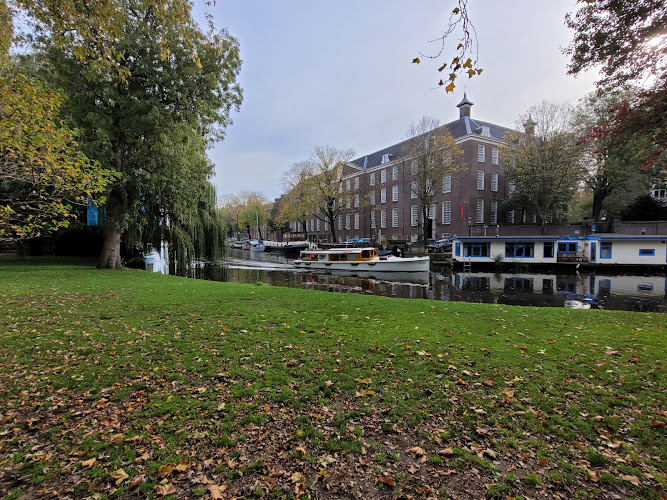
So, what makes J. W. van Overloopplantsoen tick? For starters, the layout: the park is roughly rectangular, with a central lawn that’s ideal for sunbathing or a picnic. On a warm day, stretching out on the grass with a book and something from a nearby bakery is hard to beat.
Winding paths circle the lawn, lined with benches where you can rest and watch the neighborhood go by. I’ve spent many an hour there, half-listening to Dutch conversations and pretending I understand more than I do.
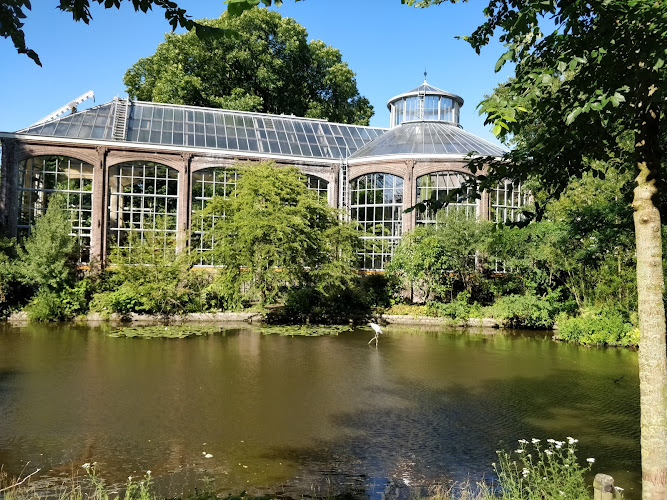
Near the center, you’ll find a small pond. It’s not quite big enough for a swim (unless you’re a duck), but it gives the park a peaceful feel. On a still day, the surrounding trees reflect on the water, which is rather lovely.
The park also has a good range of trees, from tall elms to flowering cherries. In spring, the flowers and blossoms bring plenty of color. It’s a welcome reminder that the city can feel very green, even in the middle of Amsterdam.
For kids, or the young at heart, there’s a small playground with the basics: swings, a slide, and a seesaw. Nothing fancy, but enough to keep little ones busy. I may have tried the swings myself on a quiet day, purely for research, of course.
Art lovers should keep an eye out for the sculptures dotted around the park. These contemporary pieces stand out against the greenery. My favorite is the abstract metal sculpture near the pond. I still can’t decide whether it’s meant to be a bird or a very unusual tree, and that’s half the fun.
The park’s historic gazebo is another nice feature. It dates back to the park’s early days and offers shade on sunny afternoons, or shelter when one of Amsterdam’s rain showers rolls in. It’s also a sweet spot for a romantic rendezvous, if that’s your thing.
Best Time to Visit
When should you visit J. W. van Overloopplantsoen? It depends on what you’re after. I’d say it’s worth visiting year-round, since each season gives the park a different feel.
Spring is when the park starts to wake up. Buds appear on the trees, flowers pop up, and the whole place shakes off its winter sleep. If you love cherry blossoms, mid-April is usually a good time to visit. The cherry trees put on a lovely show.
Summer is prime time for park-goers. The weather is often pleasant, though Amsterdam can be unpredictable, and locals head out to picnic, play games, or catch some sun. On especially nice days it can get crowded, so come early or later in the evening if you’re after a quieter visit.
Fall has its own appeal, as the leaves turn shades of red, orange, and gold. It’s a lovely time for a walk, especially if you enjoy the autumn colors. Cooler temperatures also make it a good spot for a brisk stroll or a quiet afternoon with a thermos of hot chocolate.
Winter might seem like an unusual time to visit a park, but it can be lovely here. Snow doesn’t fall often in Amsterdam, but when it does, the bare trees against the white ground make a striking scene. Even without snow, a walk through the park on a clear, crisp day can be surprisingly refreshing.
I’m partial to early mornings and late afternoons. In the morning, you’ll usually share the park with just a few joggers and dog-walkers. Later in the day, especially before sunset, the light warms up the paths and trees. On a clear evening, you might even catch a glimpse of the sun setting over the Amsterdam skyline.
Amsterdam hosts festivals and events throughout the year, and some can bring extra visitors to the park. They can be fun to stumble upon, but if you’re hoping for a quiet visit, check whether anything’s scheduled before you go.
How to Get There
Getting to J. W. van Overloopplantsoen is straightforward, with a few options depending on where you’re coming from and how you like to travel.
If you’re taking public transport, the nearest tram stop is Plantage Kerklaan, served by tram lines 14 and 19. From there, it’s a short walk to the park. Just follow the greenery and you’ll find it.
Coming by bike is easy, too. Bike lanes lead to the park, and you can rent a bicycle from one of the many shops around the city. Be sure to lock it up when you arrive; bike theft is common in Amsterdam, and nobody wants an unexpectedly long walk home.
Walking works well if you’re already exploring the Plantage neighborhood. The park is near Artis Royal Zoo and Hortus Botanicus, so you can add it to a longer stroll around the area. Wear comfortable shoes, though. Some of the nearby cobbled streets can be rough on your ankles.
If you’re coming from farther away, or just don’t fancy the walk, you can take a taxi or use a ride-sharing app. Give the driver the park’s name and the Plantage neighborhood. Dutch pronunciation can be tricky, so it may help to show them the name on your phone.
Google Maps and other navigation apps can guide you there easily. Just enter “J. W. van Overloopplantsoen” and follow the route.
If you’re driving, keep in mind that parking in Amsterdam can be a hassle. Street parking near the park is limited and can be expensive. You may find it easier to leave your car at a Park & Ride on the edge of the city and take public transport from there.