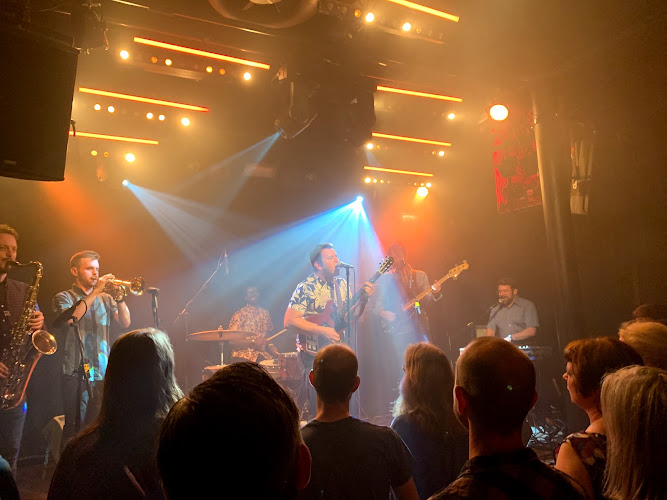
Bitterzoet is a 350-capacity music venue and nightclub at Spuistraat 2 in central Amsterdam, a short walk from Centraal Station. It has been running since 2003. Most nights split in two: an early concert (rock, soul, hip-hop, folk, flamenco and more), then a late club night with DJs. Concert tickets are usually open to all ages, while club nights are generally 18+.
I found Bitterzoet on my first trip to Amsterdam, and I’ve been going back ever since. This guide covers what the venue is like, which nights suit which kind of visitor, and how to get there without the usual tourist detours.
| Bitterzoet at a glance | Details |
|---|---|
| Address | Spuistraat 2, 1012 TS Amsterdam |
| Type | Live music venue (poppodium) and nightclub |
| Opened | 2003 |
| Capacity | About 350 in the main hall |
| Typical concert doors | Around 19:00–19:30 |
| Typical club-night doors | Around 23:00–23:30 |
| Age policy | Many concerts are all ages; club nights are usually 18+ (check each event) |
| Nearest tram stop | Nieuwezijds Kolk |
| Payment at the bar | Cash and card |
| Official site | bitterzoet.com |
Door times and age limits change per event. Always check the listing before you go.
What is Bitterzoet?
Bitterzoet (Dutch for “bittersweet”) opened in 2003. Its founders were Pieter de Kroon, Joris Bakker and Nica de Bloeme. The club built its reputation in Amsterdam’s hip-hop scene early on. It changed hands in 2008, and Bas Louwers has run it alone since 2020. Paradiso also books concerts here regularly, so some shows go on sale through Paradiso rather than Bitterzoet directly.
The building has its own stage history. Before Bitterzoet, Spuistraat 2 was the home of Het Werkteater, a theatre collective founded in 1970. Inside, it’s dim, intimate and a little scruffy in the good way. It feels more like an arts space that happens to have a great bar than a big-room club.
Bitterzoet programs something almost every day, from bands to DJs. Past performers include Alabama Shakes, Ben Howard, Charles Bradley, Gregory Porter, Jessie Ware, Seasick Steve, Soccer Mommy and Altin Gün, many of them before they moved up to larger rooms. As an example of the range, one late-September 2026 week listed a hip-hop/trip-hop bill (Blockhead, ProleteR, Arms and Sleepers) at €23.99, flamenco singer María José Llergo at €25.70, and a €5 afro, dancehall and amapiano club night.
What to expect inside
Sound and stage
The sound is the main reason I keep going back. The venue’s technical rider lists an EAW PA with delay speakers, a Soundcraft Vi1 mixing desk, and a DJ setup of Pioneer CDJ-2000NXS/NXS2 players, DJM-900 mixers and Technics SL-1200 turntables. The stage is only about 6 metres wide and 3 metres deep. That’s why even a sold-out show feels close. I still get goosebumps thinking about the first live set I heard there.
Layout and the upstairs view
The main floor holds the stage and the main bar. Upstairs, a mezzanine looks down over the dance floor. It’s my go-to when I need a breather but don’t want to lose sight of the stage. Lockers and toilets are downstairs, on level −1.
The bar
The bar takes both cash and card. When it’s on the menu, my personal pick is Zatte, the 8% tripel from Amsterdam’s Brouwerij ’t IJ. Pace yourself, because it’s stronger than it tastes.
The crowd and themed nights
The crowd is a real mix of locals, expats, students, tourists and serious music fans. Club nights often run around one era or genre. I once went to a 90s hip-hop night and found moves I didn’t know I had. Some of my best Amsterdam memories, and a few friendships, started on that dance floor.
Things worth knowing before you go
- Many events use strobe lighting and smoke effects.
- Filtered earplugs are sold at the entrance for €5. They’re worth it at a room this size.
- There’s no quiet or low-stimulus room. If you need air, ask the door staff for a stamp so you can get back in.
- Seats can’t be reserved. On some nights, chairs are set out on a small platform to the right of the hall.
Best time to visit Bitterzoet
The best time depends on whether you want a concert or a party. Bitterzoet is open year-round and programs almost daily, so the choice is really about the kind of night you want.
- For concerts: come early. Shows usually start around 20:30 and are often done by about 22:00, which leaves time for dinner before or the club night after.
- For club nights: Friday and Saturday bring the biggest crowds and the most energy. Doors are typically around 23:00–23:30. Expect it to be packed.
- For a more relaxed night: weeknights are calmer. You’re more likely to catch a smaller act that rarely gets a weekend slot, and you can actually talk at the bar.
- For a local crowd: go in the quieter tourist months, roughly late autumn to early spring. That’s when you’re more likely to end up chatting with Amsterdammers.
Popular concerts and special nights can sell out. If there’s an artist you really want to see, buy tickets through the official agenda as soon as you know your dates. I’ve missed out before and I’m still annoyed about it. Keep checking closer to your trip too, because last-minute shows do get added. That’s how I once ended up at a spontaneous jazz session, which is still one of my favourite nights there.
How to get to Bitterzoet
Bitterzoet is at Spuistraat 2, 1012 TS Amsterdam, at the northern end of Spuistraat near Centraal Station. Getting there is easier than pronouncing Oudezijds Voorburgwal.
- On foot: from Amsterdam Centraal it’s a short walk of about 5 minutes. From Dam Square, allow roughly 10 minutes.
- By tram: the nearest stop is Nieuwezijds Kolk, one stop from Centraal Station. Tram lines and diversions change, so check GVB or 9292 on the day. Note that this stop isn’t wheelchair accessible.
- By metro or train: use Amsterdam Centraal, then walk.
- From Schiphol Airport: direct trains to Amsterdam Centraal take about 14–17 minutes and run several times an hour. Add the short walk and you’re there in under half an hour.
- By bike: cycling is the most Amsterdam option. Use two good locks, because bike theft is common in the centre.
- Late at night: check GVB’s night network on 9292 before you head out, or book a taxi. Taxis can stop right in front of the venue.
- By car: I wouldn’t. Street parking nearby is paid and scarce, and there are no disabled parking spaces in the immediate area. The closest garage is Q-Park Nieuwendijk.
Accessibility
Bitterzoet is partly accessible. Wheelchair users can check in at the Spuistraat 2 entrance, where staff will guide them in. The outer door is about 1.5 m wide, and a small ramp leads down into the hall, but the hall door is only about 68 cm wide.
An elevator reaches the lower level. However, the public toilets and lockers there aren’t wheelchair accessible, though bar staff can help with access to the staff toilet. Bitterzoet doesn’t have its own wheelchairs, and companions need their own ticket. Full details are on Paradiso’s Bitterzoet accessibility page.
Frequently asked questions
Is Bitterzoet 18+?
It depends on the event. Many concerts are open to all ages, while late-night club nights are usually 18+. The age limit is shown on each event listing, so bring ID either way.
Can you pay by card at Bitterzoet?
Yes. The bar accepts both cash and card, and the card terminals are on the bar itself.
Is there a cloakroom or lockers at Bitterzoet?
Bitterzoet has lockers on the lower level (level −1). They are reached by stairs or the elevator, but they are not accessible for wheelchair users.
Can you leave and come back in?
Yes. If you need a break, tell the door staff on your way out and they will stamp your hand so you can get back in.