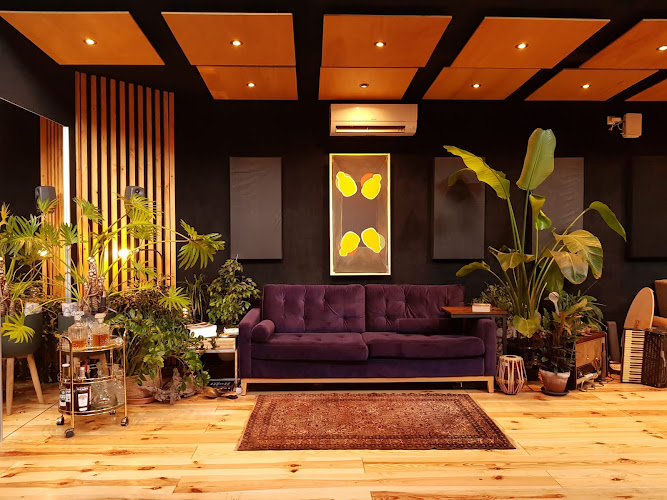
Residence Inn by Marriott Amsterdam Houthavens is an extended-stay hotel in Amsterdam's design district that offers spacious studios and suites with fully equipped kitchens…
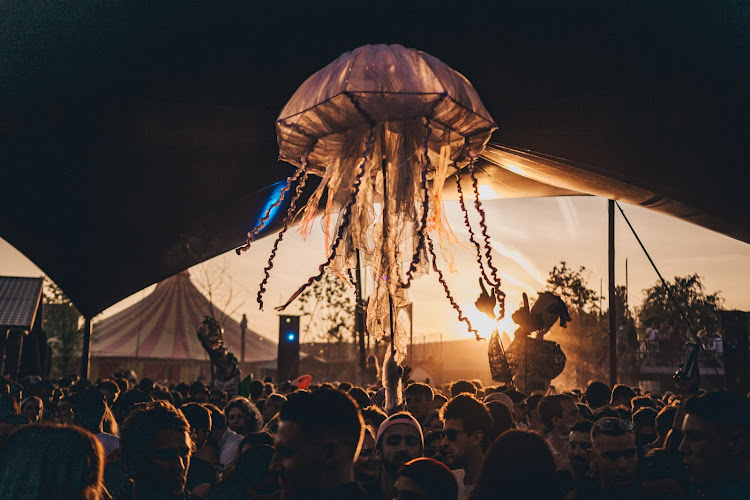
Thuishaven Festivalterrein is a unique event location in Amsterdam, located on a former scrap yard with several stages, bars, and decorations that create a…
The Event Company Amsterdam is a full-service event agency based in Amsterdam that offers services such as production, experience design, styling, content creation, and…
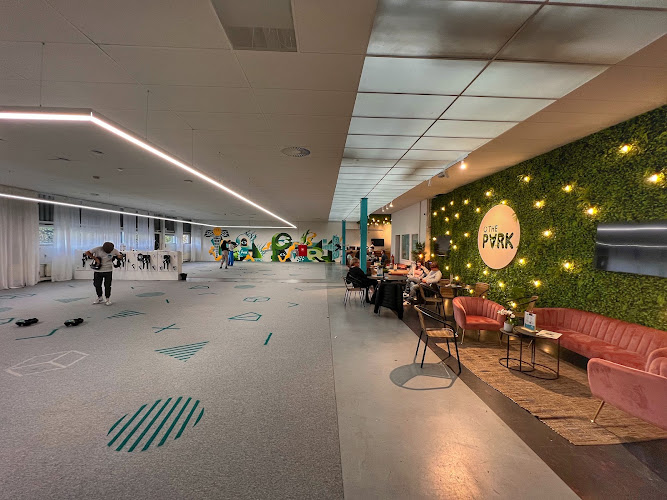
The Park Playground VR Amsterdam, located near Houthavens, offers an immersive virtual reality experience where visitors can walk freely around, solve challenges together, and…
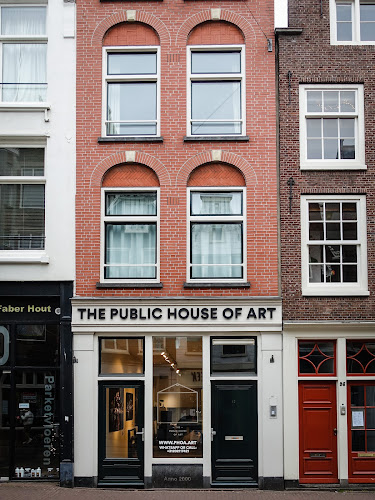
The Public House of Art is an Amsterdam venue dedicated to making original artwork accessible and affordable, showcasing rotating collections by local and international…
Curious travellers who venture west will find Westpoort unlike anywhere else in Amsterdam. Head to the NDSM Wharf, a repurposed shipyard turned creative quarter, to wander among monumental street art, independent studios and pop‑up markets. From observation points along the Port of Amsterdam you can watch container ships and cranes at work and appreciate the scale of Europe’s fourth busiest seaport. Fort aan de Kust on the fringes of the harbour offers insights into Dutch maritime defenses and sweeping views of the canal and North Sea. Guided tours, bike routes along the waterfront and ferries to the north make it easy to explore, but amenities are sparse, so plan ahead and combine your visit with nearby creative hubs.
Access details
Accessible by public transport and bicycle. Standard Amsterdam accessibility features with main streets suitable for pedestrians and cyclists.
Practical advice
Westpoort is a working port and industrial area rather than a residential or tourist neighbourhood. Daytime activity is dominated by freight traffic, logistics, and some 70,000 commuting workers, while the area is very quiet at night with almost no residents. Visitors are rare; standard precautions around heavy industrial and harbour traffic apply.
Local tips
VVisit NDSM Wharf on weekends for markets and ever‑changing street art; arrive by ferry from Centraal Station and enjoy the open‑air gallery. Bring a camera to capture panoramic views of the port and its monumental cranes from designated lookouts. Check the Port of Amsterdam’s website for public tour dates or Open Port Day events to see cargo operations up close. Cycle along the North Sea Canal towards Spaarnwoude Houtrak or Keerkringpark to find unexpected green pockets amid the industry. For a bohemian detour, stop at Ruigoord, an artist colony within Westpoort known for festivals and cultural happenings. Because amenities are limited, pack snacks and plan your return transport in advance.
Food & drink
Daily life & dining
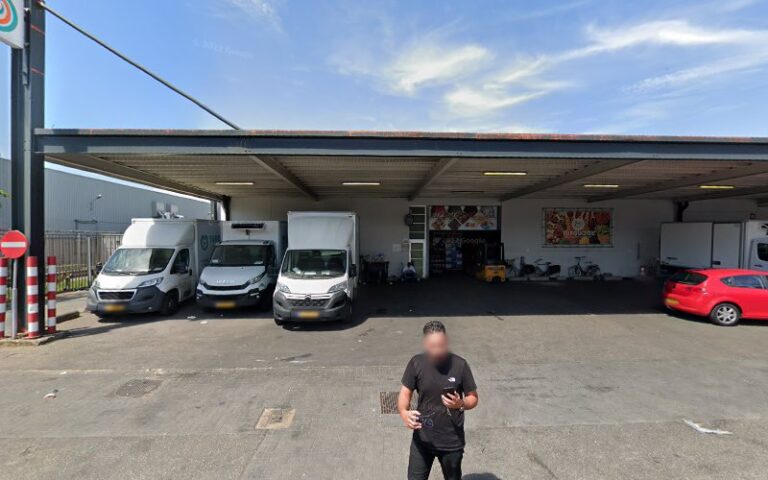
Westpoort is overwhelmingly commercial and industrial, so there isn’t a traditional neighborhood lifestyle here. The landscape is dominated by warehouses, offices and container yards, punctuated by the occasional hotel and fuel station. Most people experience Westpoort during the workday; commuters enjoy easy motorway access and modern office complexes near Sloterdijk station. Plans for Havenstad envision a mixed-use waterfront with energy-efficient housing, but for now it’s a place to witness maritime commerce rather than stroll to a café.
History & local life
The feel of the area
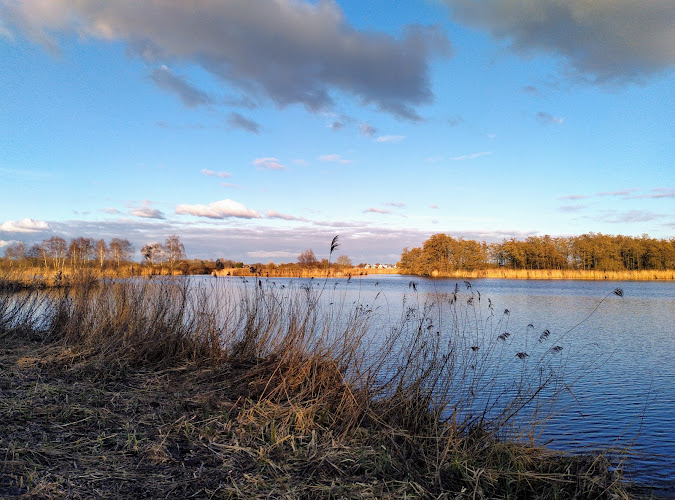
Sprawling industrial district anchored by the Port of Amsterdam. Dominated by logistics hubs, container terminals and heavy industry, yet dotted with creative enclaves like the NDSM Wharf and pockets of green space. Low residential population but high employment; the Havenstad project promises sustainable housing and mixed-use communities. The area exudes raw energy, maritime heritage and ambition.
Heritage & origins
Westpoort began as part of Amsterdam’s harbor, with port activities documented from the 13th century and flourishing under the Dutch Golden Age when the port served the Dutch East India Company. It has always been a working landscape: docks, warehouses and rail lines spread across the wetlands to create an industrial powerhouse. The creation of the North Sea Canal in the 19th century accelerated trade and expanded the harbor. During the 20th century the area grew into one of Europe’s largest industrial parks, encompassing subzones like Teleport and Sloterdijk; by 2008 around 2,000 companies employed roughly 45,000 workers. Waste-to-energy plants built in the 1990s and 2000s highlighted Westpoort’s role in Amsterdam’s sustainable infrastructure. Today Westpoort is undergoing transformation through the Havenstad masterplan, which aims to repurpose parts of the industrial waterfront into mixed-use districts while preserving its maritime heritage.
Culture & community
Culture in Westpoort is inseparable from its industrial identity. Instead of museums and concert halls you’ll find creative reuses of industrial infrastructure: the NDSM Wharf, a former shipyard just across the IJ, has become a canvas for street artists, festivals and start‑ups. Within the port itself, a handful of firms open their doors for occasional tours and exhibitions, highlighting maritime technology and sustainable innovation. Most cultural pursuits still occur in neighbouring boroughs, but as the Havenstad plan unfolds expect adaptive reuse of warehouses into studios and community spaces. Westpoort’s cultural scene is embryonic yet energetic, shaped by artists and entrepreneurs drawn to its raw, spacious environment.
Population
1561
Area (km²)
35.47
Established
1850
Local context
Industrial docklands and business zones on Amsterdam’s western edge.
Build Your Own Amsterdam Shortlist
Browse places, save your favourites, and return to your shortlist when you’re ready to go.