




IJsselmonde is a tranquil, family-friendly borough in southeastern Rotterdam with roots dating back to 1072. Archaeological evidence reveals human settlement for fishing, hunting and agriculture as far back as 2500 BC.
The historic village of Oud-IJsselmonde retains its medieval character as a dike village with Upper and Lower Streets. IJsselmonde became part of Rotterdam in 1941 after having its own council since 1778.
The area evolved into a bustling, multicultural district offering a suburban atmosphere with residential areas, green spaces, and convenient amenities. Notable landmarks include the historic Kasteel van Rhoon, the scenic Nieuwe Maas waterfront, and Park de Twee Heuvels.
IJsselmonde is located on an island in the Rhine-Meuse-Scheldt delta, bordered by the Nieuwe Maas to the north, the Oude Maas to the south, and the Noord to the east. With 61,920 inhabitants as of 2023, it provides opportunities for outdoor activities, picnics, and leisurely walks while maintaining its village heritage.
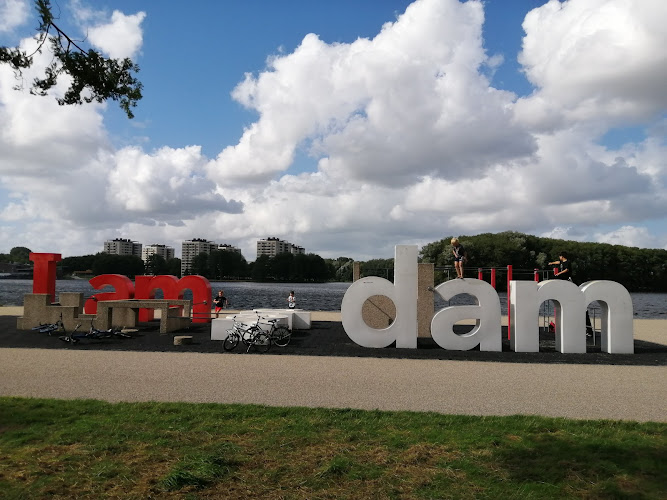
Nieuw-West is Amsterdam at its most spacious: a post-war district of broad avenues, green verges and modernist housing arranged around water and open sky. Rather than the tight canal-belt rhythm of narrow streets and constant foot traffic, it has a garden-city feel shaped by polders, planned neighbourhoods and Sloterplas. The lake is the district’s natural anchor, drawing walkers, runners, cyclists and people simply looking for room to pause.
This is also one of the city’s most varied everyday districts. Families, students, long-term residents and newer arrivals share shopping areas, schools, parks and an exceptionally broad food culture. Nieuw-West rewards a slower, more observant visit: follow a cycle path past apartment blocks and playing fields, browse market stalls around Osdorpplein, notice murals on side streets, then head towards Sloten for a village-like contrast. It is less about ticking off landmarks than seeing how Amsterdam lives beyond its historic core.
Key Highlights & What to Expect
Give Nieuw-West enough time to move between its distinct pockets. Sloterplas and Sloterpark make the clearest first impression, while Osdorp offers the practical bustle of shops and market life. The district is large, so a route works better when built around one or two areas rather than an attempt to cover everything in a single sweep.
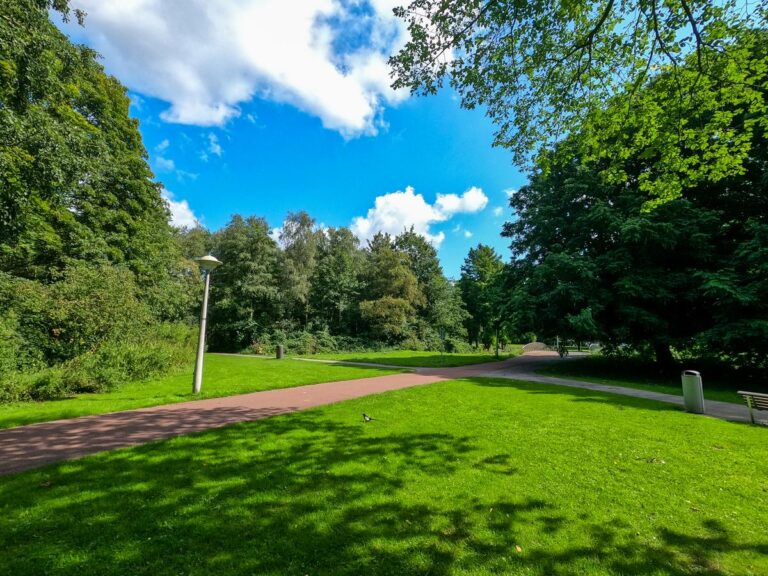
- Sloterplas and Sloterpark: The lake brings a rare sense of shoreline to Amsterdam. Expect open views, waterside paths, grassy edges and a more relaxed pace than central parks; warm-weather activity gathers here, but there is value in a bracing walk in every season.
- Post-war urbanism: Look beyond first impressions of the large residential blocks. Their placement among lawns, trees and wide streets reflects a planned vision of light, air and communal green space, markedly different from the dense canal-ring streetscape.
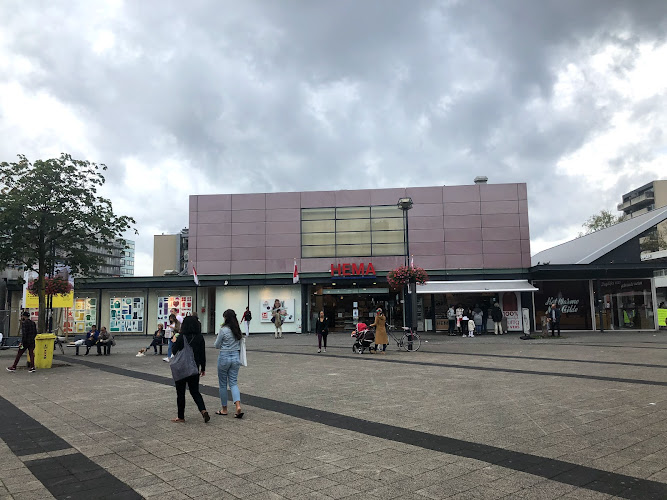
- Osdorpplein and global flavours: This is a useful stop for an unvarnished slice of local daily life. The surrounding shopping district and market atmosphere make it a natural place to eat, stock up for a picnic or watch the district’s multicultural character unfold.
- Street art and creative energy: Murals and smaller creative initiatives are best approached with curiosity rather than a rigid checklist. Keep an eye on building sides, underpasses and public spaces, especially when walking between transport stops and neighbourhood centres.
- Sloten as a change of scale: At Nieuw-West’s edge, this historic village setting provides an appealing counterpoint to the planned district. Pair it with the lake or a longer bike loop when you want quieter lanes, low-rise surroundings and a more rural Amsterdam mood.
Practical Planning Snapshot
| Planning Factor | What to Expect | Local Tip |
|---|---|---|
| Best Time / Timing | Spring through early autumn suits lakeside walks, cycling and time by the water; quieter days reveal the district’s everyday rhythm. | Choose daylight for a lake-and-street-art route, then leave room for an unhurried meal around Osdorp. |
| Typical Duration | A focused Sloterplas visit can be short, while combining the lake, Osdorpplein and Sloten makes a satisfying half-day outing. | Pick a single anchor area first; Nieuw-West is too spread out to treat like a compact canal-belt stroll. |
| Crowd & Booking Reality | It generally feels less visitor-dense than central Amsterdam, though the waterfront can be livelier in fair weather and during events. | Keep plans flexible and let weather guide whether you prioritise the lake, market browsing or indoor cultural stops. |
| Getting There & Terrain | Public transport and cycling connect the district well. Terrain is largely flat, with broad pavements and cycle paths across residential areas. | A bike gives the greatest freedom, but allow extra time at major roads and do not assume every destination is walkably close. |
| Ideal Pairing Nearby | Combine Sloterplas with Osdorpplein for food and local commerce, or continue towards Sloten for a greener, village-scale finale. | Pack the route around a picnic, waterside pause or casual tasting rather than trying to force in central-city sights. |
Who It Suits Best & Honest Trade-Offs
Nieuw-West suits travellers who enjoy everyday urban life, architecture, cycling and green space more than postcard canals. It works particularly well for families, repeat visitors, independent explorers and anyone wanting a calmer base with room to breathe. The trade-off is that its appeal is dispersed: there is no single historic square or dense cluster of headline attractions, and distances can feel longer than they appear on a map. Visitors seeking old Amsterdam façades, nightlife at every corner or a compact walking itinerary may prefer the centre. Come here for Sloterplas, neighbourhood texture and a less polished but more spacious perspective on the city.