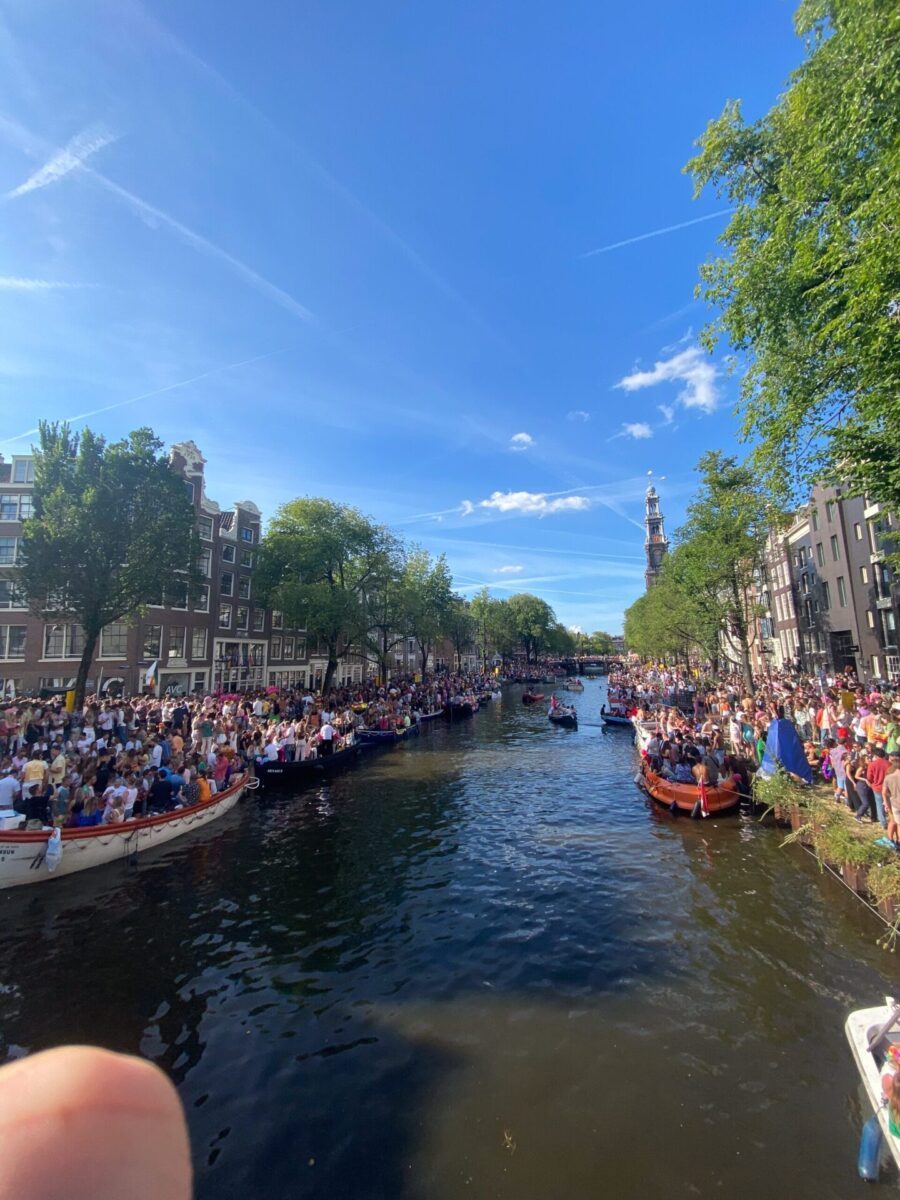
Amsterdam is one of Europe’s richest cities for urban wildlife. Its canals, parks such as Vondelpark and Flevopark, and protected green belts support thousands of wild species inside a dense capital, including common kingfishers, grey herons, red foxes, rose-ringed parakeets, grass snakes, and even beavers and a returning otter. Most visitors walk straight past them.
This guide covers 12 wild animals you can realistically see in and around the city, with the best place to look, the best time of day or season, and how likely a sighting is for each. No tour is needed for most of them. A quiet hour at the right spot does the work.
Where and When to Spot Amsterdam Wildlife
| Animal | Best place to look | Best time | Chance of a sighting |
|---|---|---|---|
| Common kingfisher | Vliegenbos bridge; Oosterpark pond | Sunrise, Apr-Jun | ~70% in breeding season, ~40% year-round |
| Grey heron | Albert Cuyp & Dappermarkt (around 5 PM); canal-side trees | Year-round; nests Feb-May | Very high |
| Red fox | Amsterdamse Waterleidingduinen; grassy tram verges | Dusk and dawn; better in winter | Moderate |
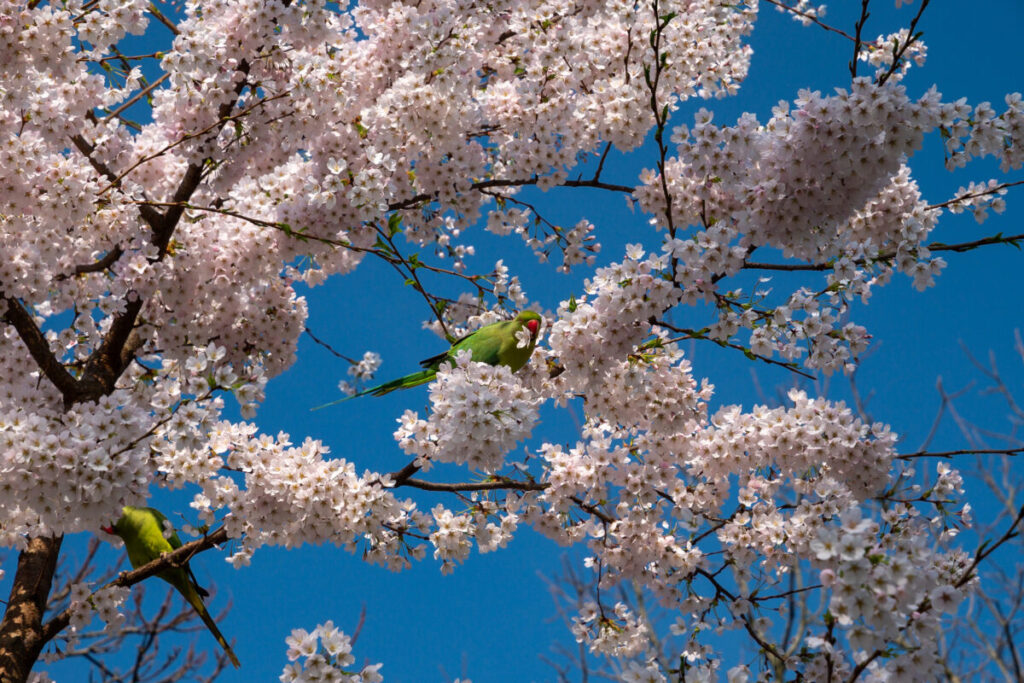
| Rose-ringed parakeet | Vondelpark, near the EYE film museum | Just after sunrise; winter roosts at dusk | Very high |
| European beaver | Waterland; canoe from Broek in Waterland | Dusk | Low; signs (gnawed wood) common |
| Grass snake | Flevopark pond edges | Warm, windless afternoons after rain | Moderate in summer |
| Harbour seal / porpoise | The IJ; NDSM ferry deck | Oct-Mar, blustery mornings | Low (luck) |
| European otter | Quiet waterways near IJburg | Via city trail-cam footage | Very low |
| Bittern | Sloterplas reed marshes (Nieuw-West) | Apr-May evenings (listen) | Low; heard more than seen |
| Red squirrel | Amsterdamse Bos; Bosbaan | Around 3 PM | Moderate |
| Highland cattle | Noorder IJ-Plas | Daytime, best at golden hour | Very high (resident herd) |
| Hedgehog | Quiet De Pijp gardens | After about 10:30 PM | Moderate, with patience |
1. Electric-Blue Kingfishers: The Canal’s Living Jewels
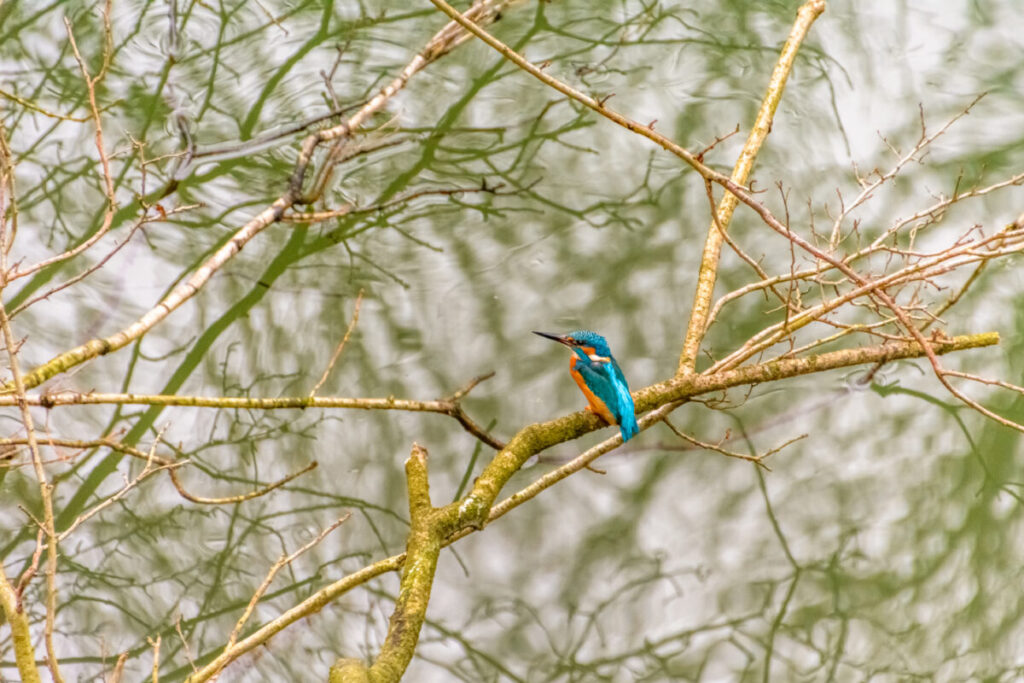
You are sipping coffee by a quiet canal when a flash of electric blue streaks low over the water. That is the common kingfisher, one of Amsterdam’s most photogenic residents, on a fishing run.
Common kingfishers (Alcedo atthis) have staged a remarkable comeback thanks to Noord volunteers who installed custom nesting walls along still-water ditches. These 17-centimeter dynamos patrol waterways from Vliegenbos to Oosterpark, diving headfirst at breakneck speeds to snatch unsuspecting fish.
Where to Spot Them: At sunrise, the wooden bridge in Vliegenbos offers prime viewing. Position yourself quietly and listen for their distinctive metallic “tseep!”, often your only warning before the blue blur appears.
Pro Photographer’s Secret: Visit Oosterpark’s footbridge spanning the central pond. Morning light transforms their iridescent plumage into pure magic, and the calm water creates perfect diving conditions.
Success Rate: 70% chance during April-June breeding season, 40% year-round.
2. Grey Herons: The Cheeky Market Thieves
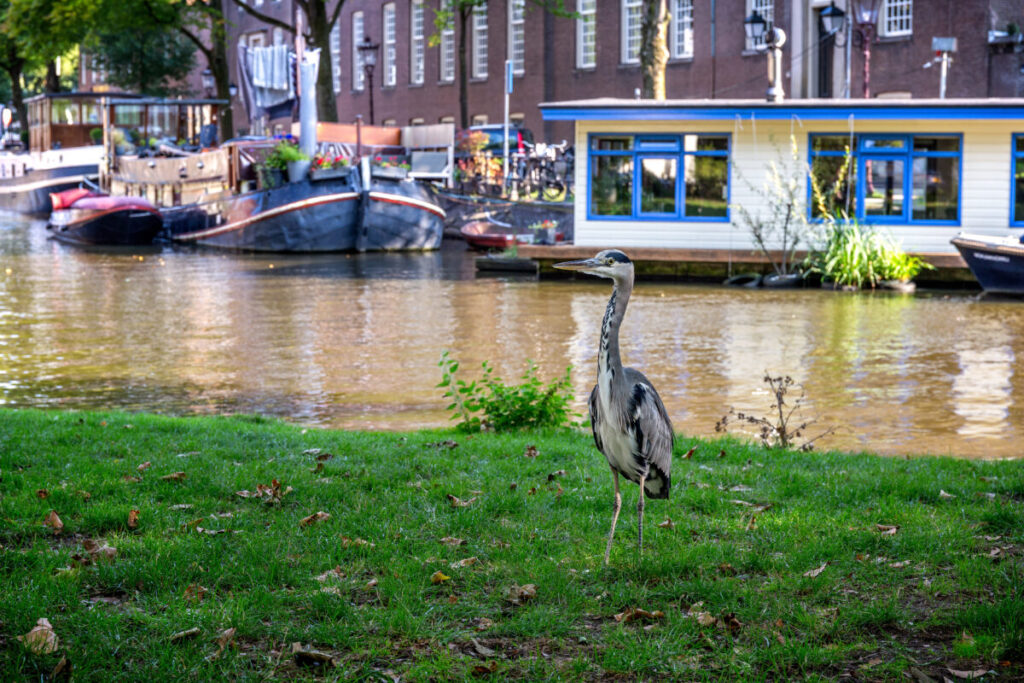
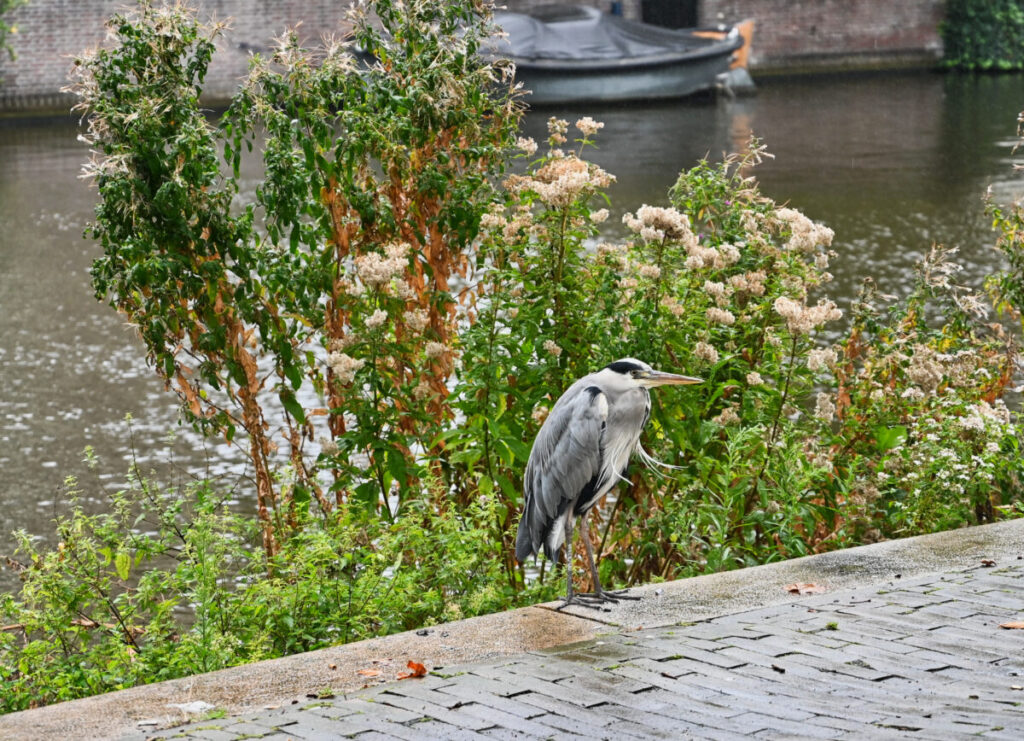
Amsterdam’s grey herons have shifted from shy wetland birds into street-smart opportunists. A 2017 city estimate counted around 800 breeding pairs across 25 Amsterdam neighbourhoods, roughly 5,000 birds region-wide. They have learned exactly when fishmongers pack up, and they will take herring straight from a distracted shopper’s bag.
Prime Locations: Albert Cuyp and Dappermarkt fish stalls close around 5 PM. Watch vendors toss leftover kibbeling as herons jostle mere feet from tourists’ cameras.
Unexpected Bonus: During breeding season (February-May), spot their massive stick nests atop canal-side trees. Some colonies host 40+ nests in a single location.
Photo angle: Their calm around people makes for odd, striking scenes, such as a prehistoric-looking bird strutting past a market stall.
3. Red Foxes: Urban Tricksters on the Night Shift
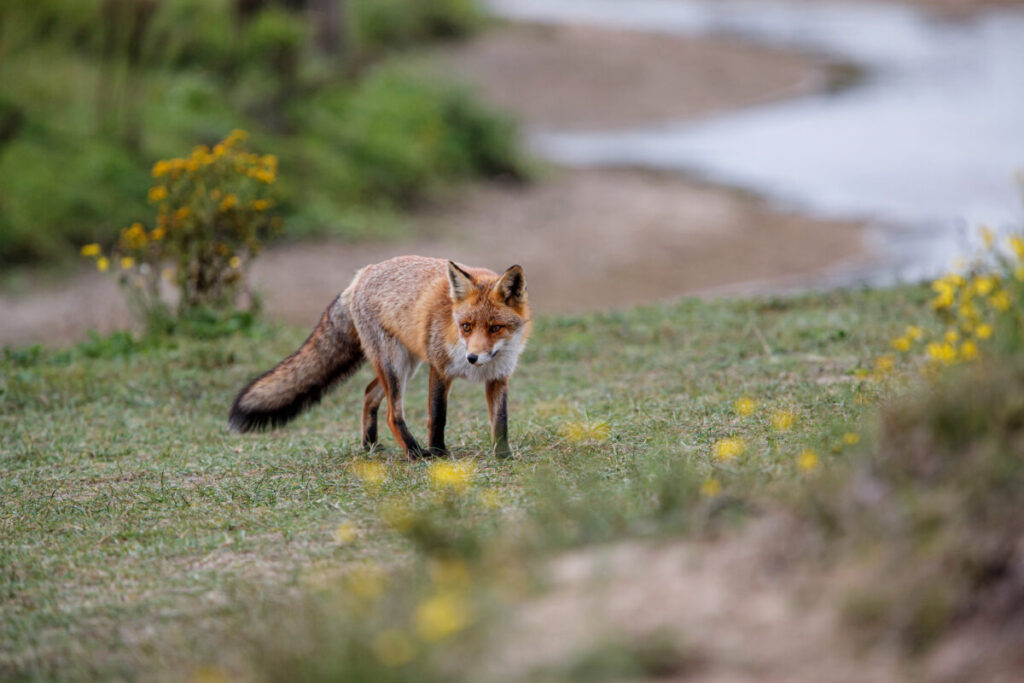
Think foxes belong in fairytales? Amsterdam’s vossen have other plans. These cunning adapters patrol tram depots, raid allotment gardens, and occasionally lock eyes with late-night revelers under sodium streetlights.
Hot Spots: Take the last tram on line 2 toward Nieuw-Sloten. Keep watch on grassy verges. That amber-eyed silhouette trotting parallel to the tracks might just be your first urban fox encounter.
Alternative Adventure: The Amsterdamse Waterleidingduinen hosts a habituated family group 35 minutes west of Centraal Station. Years of (illegal) feeding made them unusually relaxed around photographers. Keep at least 10 meters away and never feed them.
Peak Activity: Dusk and dawn year-round, with increased visibility during winter when vegetation thins.
See Related: Insider Secrets for Exploring Amsterdam on a Shoestring
4. Rose-Ringed Parakeets: Vondelpark’s Tropical Alarm Clocks
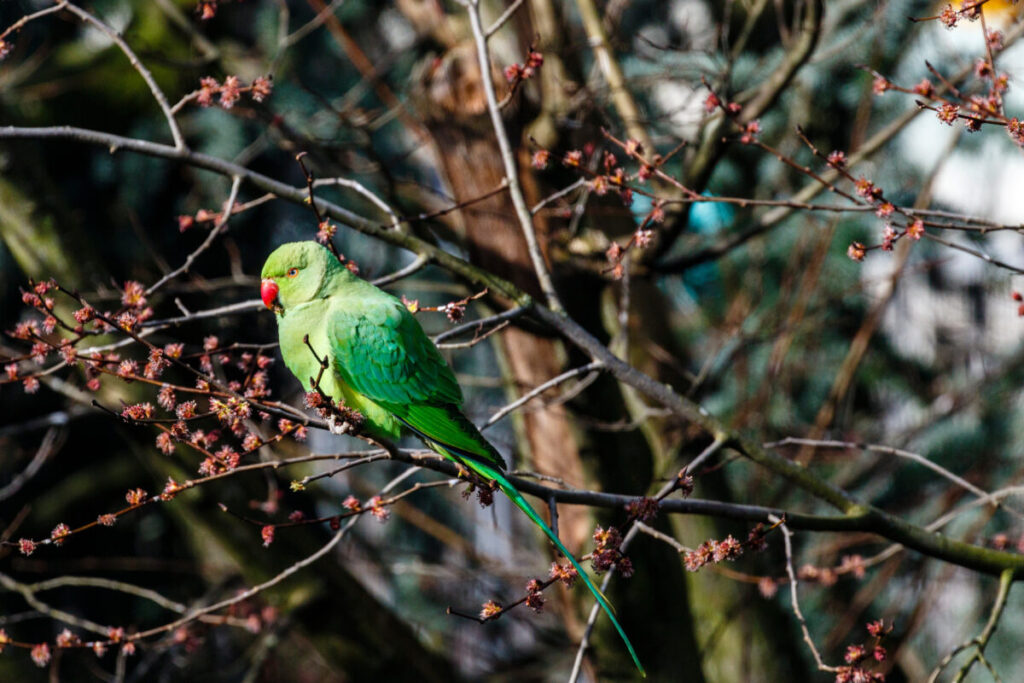
Rose-ringed parakeets first turned up in Vondelpark in 1976. An official 2010 count found about 3,700 in Amsterdam, and by 2022 the wider Randstad region held an estimated 22,000 birds. Vondelpark is still their main roost, and their raucous chorus fills its old plane trees every dawn.
Guaranteed Viewing: Stand near the old film museum (EYE) just after sunrise. Watch for their synchronized formation flights before they disperse to raid neighborhood bird feeders.
Local Secret: Winter roosts concentrate thousands into specific trees. Follow the deafening squawks at dusk to witness one of Europe’s most spectacular urban parrot gatherings.
Fun Fact: These South Asian and African natives were once expected to struggle in Dutch winters. Instead they have thrived, helped by mild city temperatures and garden bird feeders.
5. European Beavers: The Midnight Engineers
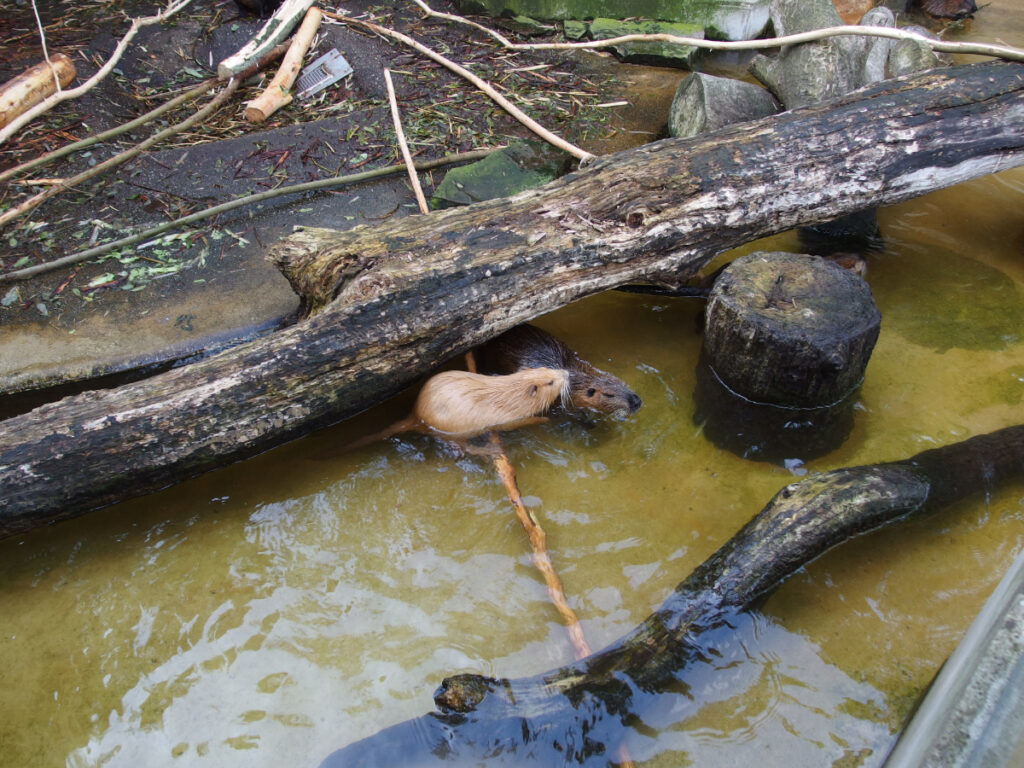
Europe’s largest rodent is reshaping the region’s waterways, and few visitors realise it lives here. The Netherlands reintroduced beavers in 1988, starting with a few dozen animals, and the national population has since grown to roughly 6,000. Several lodges are now active in the polders northeast of Amsterdam.
Adventure Option: Book a sunset canoe tour from Broek in Waterland. Guides know active lodge locations and can point out gnawed willow stumps, mud slides, and distinctive “cigar-shaped” droppings.
DIY Discovery: Explore waterways around Waterland at dusk. Fresh wood chips floating downstream often signal nearby beaver activity.
Conservation Win: Their dams naturally slow water runoff, boost wetland biodiversity, and even help combat summer droughts.
6. Grass Snakes: Sunbathers of Flevopark
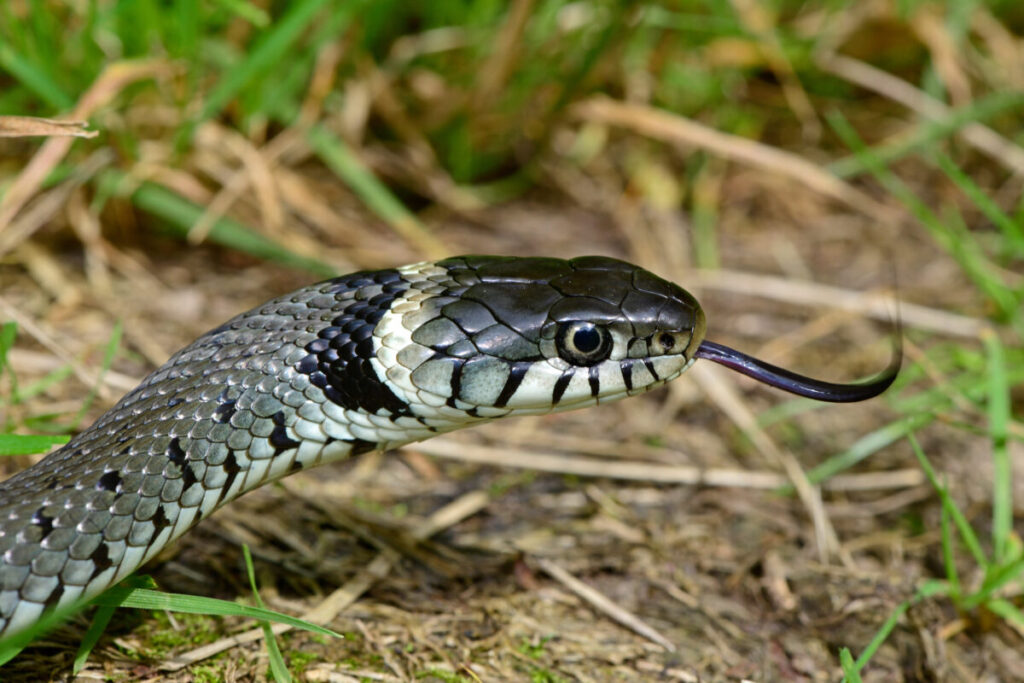
Finding a meter-long snake inside a European capital is a genuine surprise. Amsterdam’s grass snakes (Natrix helvetica) favour the warm pond edges of Flevopark, where the city builds sandy “broeihopen” (incubator heaps) for egg-laying.
Optimal Conditions: Warm, windless afternoons following rain. Scan sun-drenched logs, whose olive scales shimmer like wet emeralds.
Safety Note: Completely harmless and more afraid of you than vice versa. If spotted, freeze and enjoy the prehistoric moment.
Photographer’s Dream: Their iridescent scales create stunning macro opportunities, so bring a zoom lens to maintain a respectful distance.
7. Harbor Seals & Porpoises: Marine Surprises on the IJ
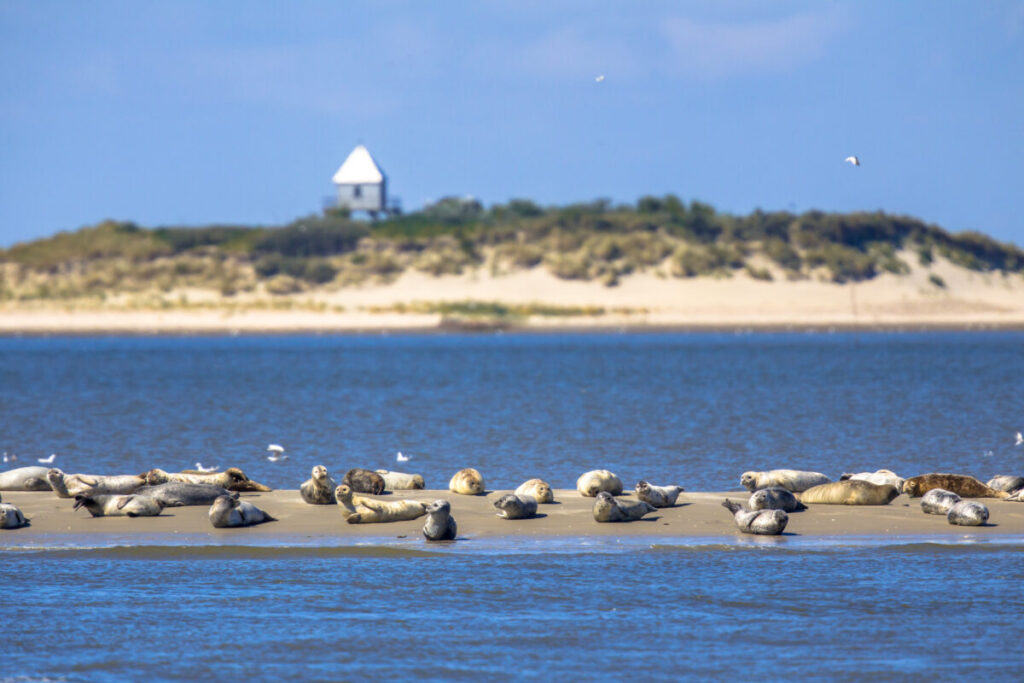
Marine mammals do turn up in Amsterdam. Harbour seals occasionally ride the slack tide up the IJ, while harbour porpoises have recovered after nearly disappearing from Dutch coastal waters in the 1970s.
Budget Hack: Skip expensive seal safaris. On blustery winter mornings, scan from the NDSM ferry deck. Lucky commuters have photographed seals surfacing between cargo ships.
Guaranteed Option: Half-day Wadden Sea tours from Amsterdam deliver seal sightings plus potential porpoise encounters.
Best Months: October through March, when seals follow fish runs inland.
Some links in this guide are affiliate links. If you book through them, we may earn a small commission at no extra cost to you.
8. European Otters: The Ultimate Comeback Story
After disappearing from the city in 1963, Amsterdam recorded its first otter in about 50 years in late 2021, when one was filmed near IJburg. The otter is treated as an indicator of clean water, so its return points to steadily improving water quality around the city’s edges.
Viewing Ethics: Locations remain secret to protect pioneers. Follow city ecologists’ trail-cam footage releases instead of seeking them independently.
How to Help: Report potential sightings (V-shaped swimming wake, fish remains on banks) to city authorities. Your observation could document their expanding range.
9. Bitterns: The Invisible Herons
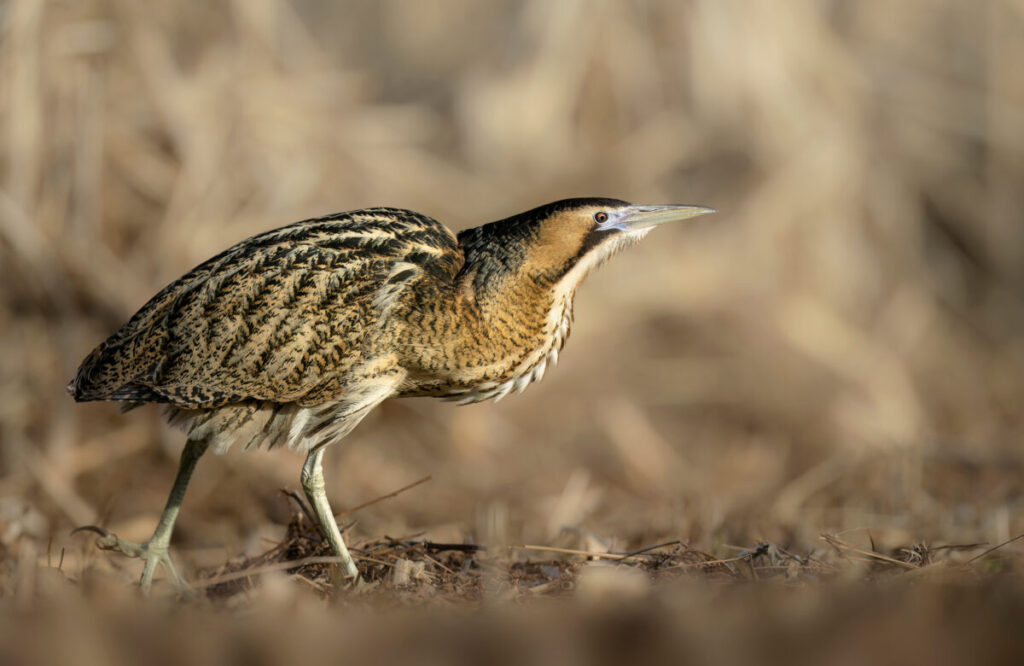
The bittern’s booming call sounds like someone blowing across a giant bottle, earning the Dutch nickname “moerasdrom” (marsh trumpet). Nieuw-West’s restored reed marshes around Sloterplas now echo with their otherworldly evening performances.
Advanced Technique: Bring a directional microphone or use the phone’s memo app at maximum volume. Their far-off “woooomp” reveals territory before visual contact.
Patience Pays: These masters of camouflage freeze upright among reeds, their striped plumage rendering them invisible until they choose to move.
Peak Season: April-May mating displays offer the best chances.
See Related: Amsterdam Travel Tips
10. Red Squirrels: Aerial Acrobats Over the A10
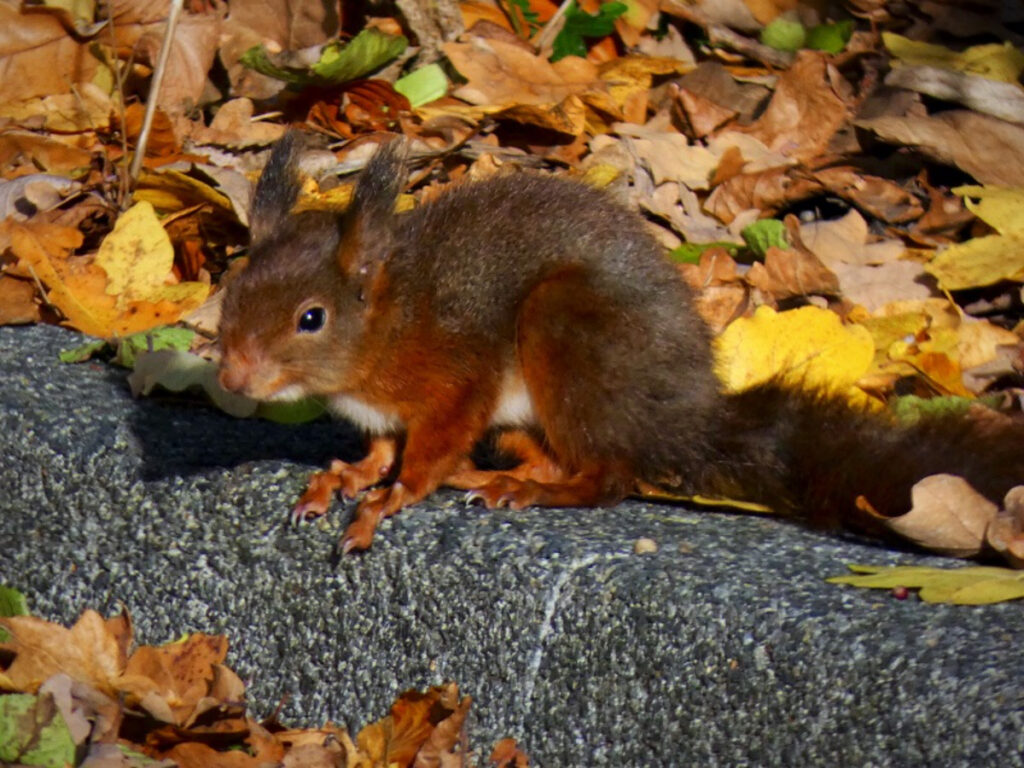
Amsterdam’s native red squirrels nearly vanished until ingenious “eekhoornbruggen” (rope bridges spanning busy roads) reconnected fragmented forests. Now these rust-colored acrobats treat the canopy like their personal parkour course.
Prime Time: Bosbaan rowing lake around 3 PM when juveniles practice death-defying leaps between trees.
Versus Grey Squirrels: Unlike boring grey cousins, reds deliver non-stop entertainment: tail flicks, aerial chases, and audible scolding matches.
Photography Tip: Bring binoculars to track their lightning-fast movements before attempting photos.
11. Highland Cattle: Woolly Landscape Architects
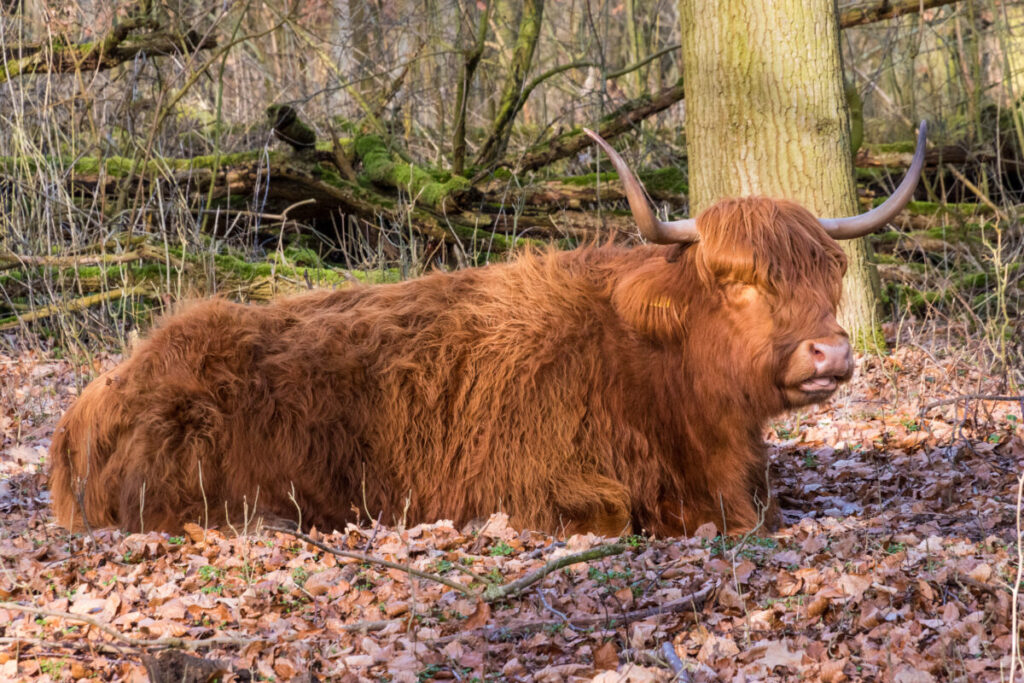
Shaggy Scottish highlanders might seem out of place in the Dutch lowlands, but these gentle giants serve as four-legged conservation tools at Noorder IJ-Plas. Their selective grazing maintains a perfect habitat for meadow birds while creating stunning photo opportunities.
Safety First: Despite their docile nature, maintain a wide berth, especially during spring calving season.
Hidden Benefit: Their grazing patterns create diverse microhabitats supporting rabbits, foxes, and overwintering bird flocks.
Best Light: Golden hour transforms their russet coats into glowing halos against Dutch skies.
12. Hedgehogs: Your Backyard’s Secret Night Shift
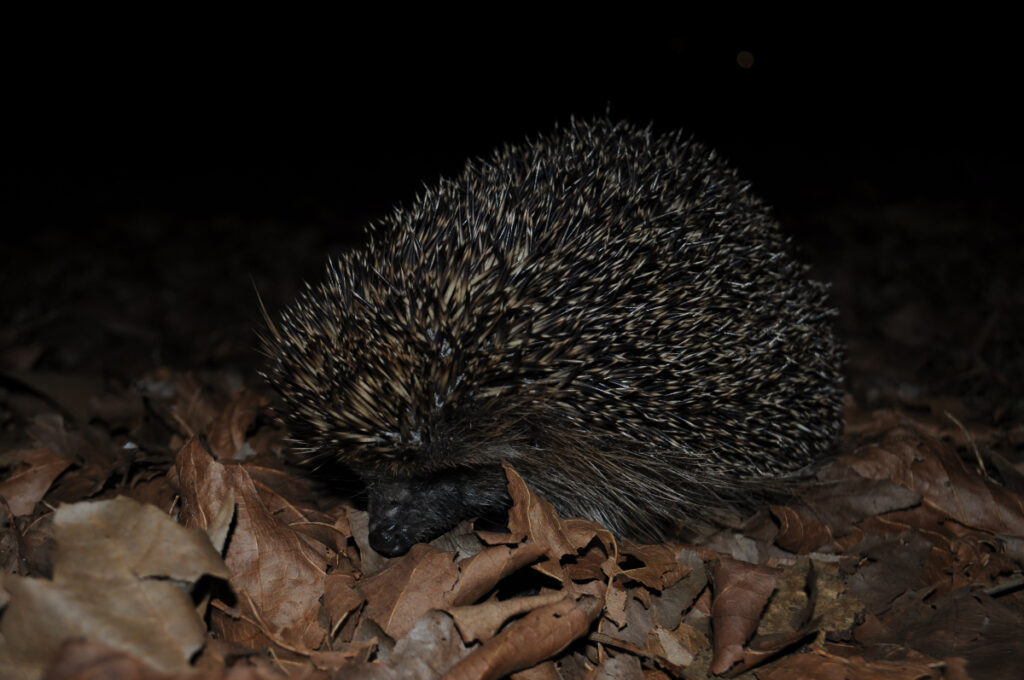
After dark, gardens across Amsterdam turn into a hedgehog network. Required fence gaps in new-build developments let these spiny insectivores roam up to three kilometres a night, working through local slug populations as they go.
Urban Safari Technique: Use a red-light headlamp (white light startles them) in quiet De Pijp gardens around 10:30 PM. Listen for telltale leaf rustling, and their footsteps sound surprisingly like gentle rain.
Attraction Strategy: Create hedgehog havens with leaf piles, shallow water dishes, and native plants.
Conservation Note: Never feed milk or bread, both of which cause fatal digestive issues.
Wildlife-Rich Nature Reserves Just Outside Amsterdam
If you want longer wildlife watching than a city park allows, several nature reserves sit within an hour of the centre. They are strong for birdwatching across wetland, dune, and meadow habitats, and a few hold larger mammals.
- Ilperveld (north): A peat-marsh reserve run by Landschap Noord-Holland, known for meadow birds such as black-tailed godwits and for quiet canoe routes through the reeds.
- Het Twiske (north): Lakes, reed beds, and grassland that draw waterbirds and grazers a short ride from Amsterdam Noord.
- Waterland (northeast): Open polder landscape with meadow birds and active beaver territory along the ditches.
- Amsterdamse Waterleidingduinen (southwest): Coastal dunes with a large fallow deer herd, foxes, and rich birdlife, about 35 minutes from Centraal Station.
- Oostvaardersplassen (Flevoland, east): One of Europe’s best-known wetland reserves, home to konik horses, red deer, and white-tailed eagles, roughly 40 minutes east of the city.
Transform Your Balcony into Wildlife Central
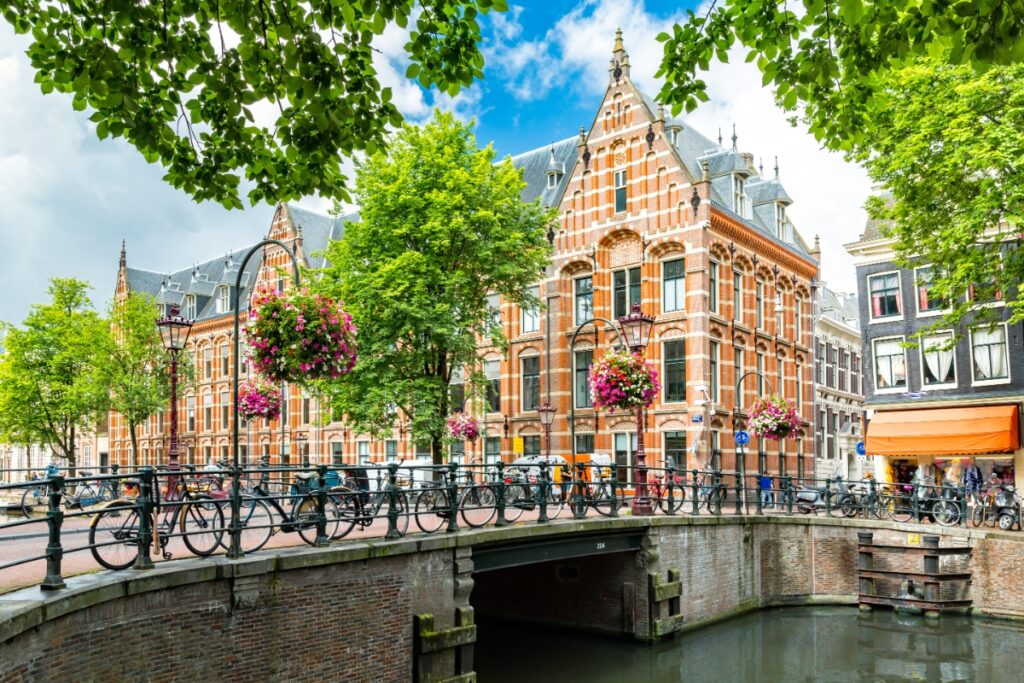
Want daily wildlife encounters without leaving home? Here’s your five-step action plan:
- Plant Native Species: Marjoram, knapweed, and wild carrot bloom sequentially, providing season-long nectar buffets.
- Add Water Features: Even a 30-cm dish attracts dragonflies, bathing birds, and thirsty mammals.
- Build Mini Deadwood Piles: Beetles and fungi colonize first, kick-starting entire food webs.
- Install Wildlife-Friendly Lighting: Warm-tone bulbs or motion sensors prevent moth exhaustion while maintaining security.
- Embrace Messy Gardens: Leave winter leaf litter for overwintering hedgehogs and butterfly pupae.
Your Wildlife Spotting Toolkit
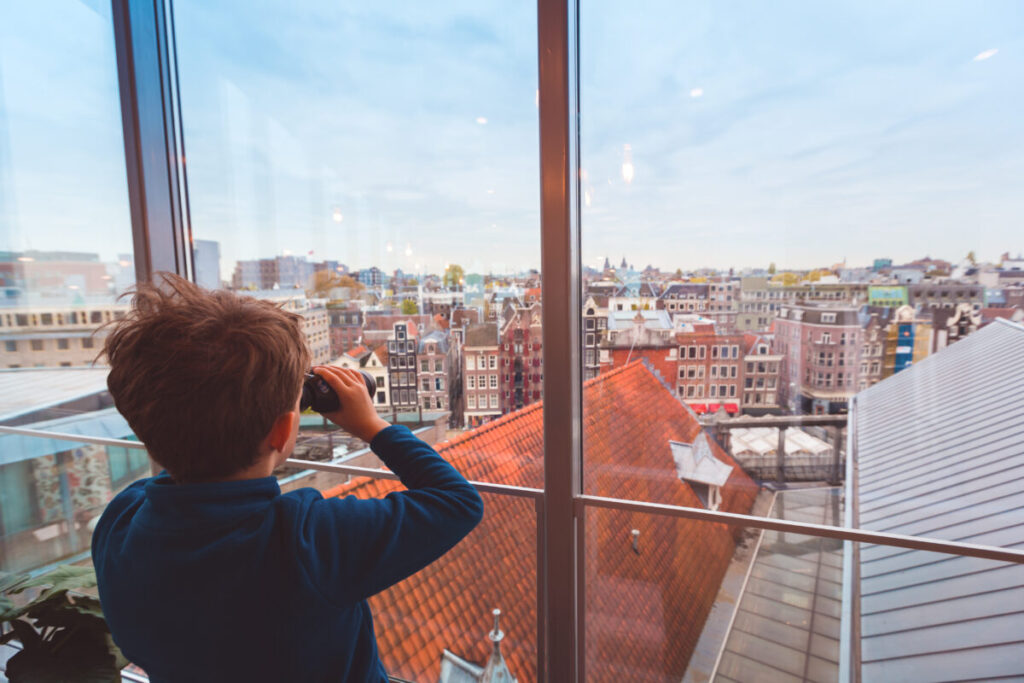
Essential Gear:
- Compact binoculars (8×32 ideal for urban use)
- Smartphone with ObsIdentify app
- Red-filter flashlight for nocturnal encounters
- Quiet, non-rustling clothing
- Reusable water bottle (stay hydrated during stake-outs)
Ethical Guidelines:
- Maintain respectful distances (10+ meters for mammals)
- Never feed wildlife (disrupts natural behavior)
- Stay on designated paths
- Use silent camera modes
- Report rare sightings to Waarneming.nl
See Related: Most Iconic Amsterdam Canals to Visit
The Bigger Picture: Why This Matters
Amsterdam’s 10,000+ species tally shows that cities and nature can share the same ground. Every kingfisher dive, fox sighting, and butterfly encounter represents thousands of small decisions: fewer pesticides, more native plants, connected green corridors, and cleaner waterways.
You’re not just spotting animals; you’re witnessing one of Europe’s most successful urban rewilding experiments in real-time. Each observation logged on citizen science platforms shapes future conservation policy, so your morning wildlife encounter could influence city planning.
Ready for Your Urban Safari?
Amsterdam’s secret wildlife scene rewards the curious, patient, and prepared. Armed with this guide, you’ll find that a city break and a nature escape can be the same trip.
On your next morning out, take the slower route along a canal or through a park, listen for a kingfisher’s sharp call, and watch for ripples on still water. Amsterdam’s wild residents are usually closer than you expect.
Because in this city, you don’t need to choose between culture and nature. You can photograph Rembrandt’s masterpieces in the morning and wild otters in the afternoon. Now that’s what we call having your stroopwafel and eating it too.
Last Updated: July 2026
Reviewed in July 2026. We re-checked the population and status figures against current sources: the grey heron estimate of about 800 breeding pairs across 25 Amsterdam neighbourhoods reflects a 2017 city count; the rose-ringed parakeet figures (about 3,700 in Amsterdam in 2010, roughly 22,000 across the Randstad by 2022, first seen in Vondelpark in 1976); the Dutch beaver reintroduction in 1988 and a current national population near 6,000; and Amsterdam’s first otter in about 50 years, filmed near IJburg in late 2021. Spotting locations and seasons are unchanged from our earlier local reporting.
FAQs
What kind of wildlife lives in Amsterdam?
Despite its urban density, Amsterdam is home to diverse wildlife. You can spot green ring-necked parakeets in the parks, urban foxes, seals in the IJ river, kingfishers along the canals, and even European otters in certain waterways.
Are there snakes in Amsterdam?
There are no dangerous or venomous snakes native to Amsterdam. The Netherlands only has three native snake species (the grass snake, smooth snake, and European adder), and they are rarely, if ever, seen in the city center.
Are there squirrels in Amsterdam?
Yes, Eurasian red squirrels can be found in Amsterdam’s larger parks, such as the Amsterdamse Bos and Vondelpark, though they are less common than in other European cities.
Can you see otters in Amsterdam?
Yes, the European otter has made a comeback in the Amsterdam area. While rare to spot in the busy city center canals, they are occasionally seen in quieter waterways and nature reserves on the edge of the city.