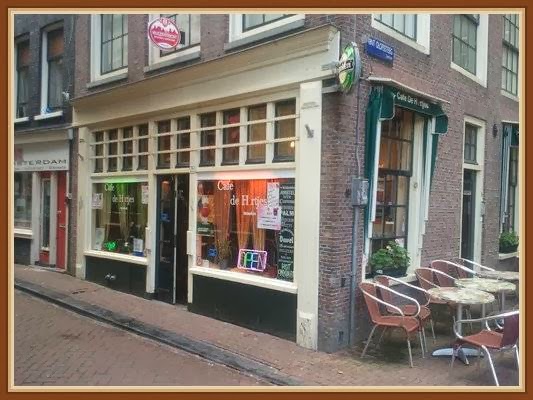
A narrow building at Zeedijk 12 holds one of Amsterdam’s most compelling drinking experiences. Dutch Courage, which opened on August 6, 2020, stands as a modern tribute to genever—the Dutch spirit that predates gin and carries centuries of history in every sip. Owner Timo Janse has assembled more than 150 different genevers from the Netherlands, Belgium, France, and Germany, creating what amounts to a museum you can drink.
The bar sits on one of Amsterdam’s oldest streets, where 17th-century merchants once traded exotic spices arriving from ships docked nearby. That history matters here. Dutch Courage doesn’t just serve genever—it tells the story of how this juniper-based spirit shaped European drinking culture and gave English speakers a lasting idiom for alcohol-fueled bravery.
The story behind the name
The phrase “Dutch courage” carries real historical weight. During the Eighty Years’ War (1568–1648), English soldiers fighting alongside Dutch troops against Spain observed their allies taking swigs of genever before heading into battle. The Dutch soldiers kept small bottles tucked in their belts, and the spirit’s warming, nerve-calming effects became legendary among the English.
This practice spread. By the time of the Anglo-Dutch Wars (1652–1674) and Thirty Years’ War (1618–1648), genever had become so associated with battlefield bravery that the English coined the phrase to describe courage drawn from a bottle. The term stuck, evolving over centuries from military slang to common expression.
What many casual drinkers don’t realize is that genever once dominated the cocktail world. During the American Golden Age of Cocktails (1850–1920), genever stood alongside brandy, whiskey, and rum as one of the four primary spirits used as cocktail bases. A full 25% of classic cocktails were traditionally made with genever—a fact that Janse and his bartenders bring to life through their menu.
What makes this bar remarkable
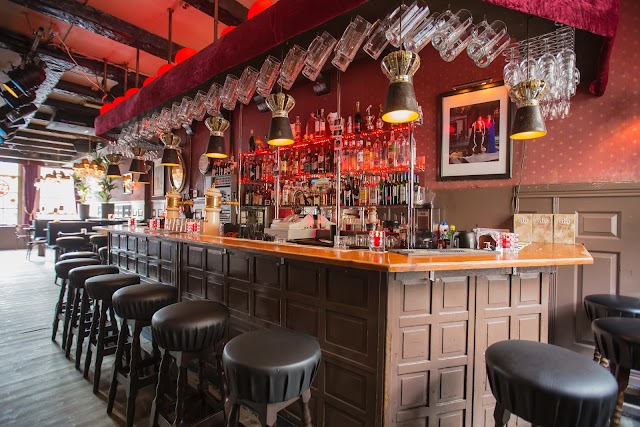
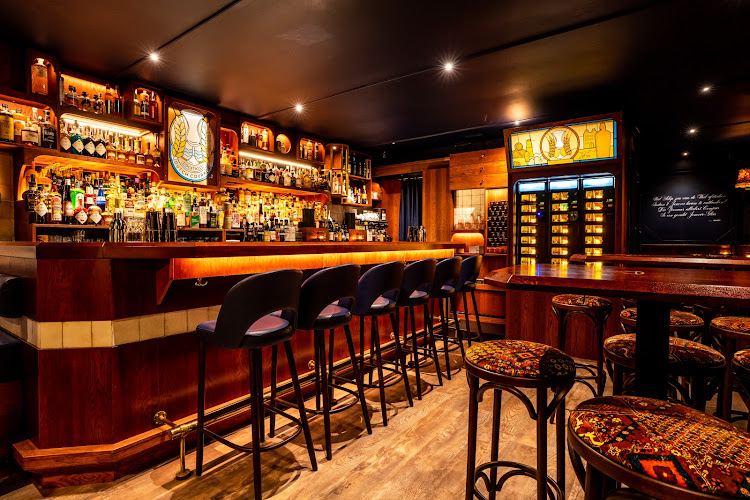
The back bar at Dutch Courage functions like a library of Dutch distilling heritage. Those 150-plus genevers span the full spectrum of styles: young (jonge) genevers with their clean, neutral character; old (oude) genevers with deeper, maltier profiles; and 100% moutwijn (malt wine) genevers that showcase the spirit’s rich, whiskey-like complexity.
The bartenders here have trained under Janse’s demanding standards. They don’t just pour drinks—they guide you through tastings, explain the differences between a Belgian genever and a German variant, and help you understand why the spirit from one distillery tastes nothing like another. For those who want a structured exploration, genever tasting flights range from €8 to €12 and offer a crash course in Dutch distilling tradition.
The cocktail menu reimagines classics through a Dutch lens. Where other bars might use London dry gin, Dutch Courage substitutes genever, creating familiar drinks with entirely new character. The house cocktails, ranging from €9 to €15, draw on centuries of Dutch distilling knowledge while remaining approachable for first-time visitors.
The kopstootjes-automatiek experience
The most talked-about feature at Dutch Courage sits against the wall: the world’s first kopstootjes-automatiek. A kopstootje (literally “little headbutt”) is the traditional Dutch drinking ritual of pairing a small glass of genever with a cold beer. The name comes from the drinker’s motion—tilting forward to sip the brimming genever glass before lifting it, then following with beer.
Janse adapted the concept of the classic Dutch snack automaat—those iconic vending machines with small glass windows dispensing croquettes and bitterballen—to serve genever and beer pairings instead. You insert coins, select from three curated combinations (young, old, or 100% moutwijn genever, each paired with a specific beer), and pull out a miniature clay jug alongside a chilled bottle.
The experience hits nostalgia for Dutch visitors and novelty for tourists. Janse selected the three genever-beer pairings himself, and the machine keeps everything perfectly chilled. You can certainly order a traditional kopstootje at the bar—the bartenders pour them expertly—but there’s something undeniably fun about retrieving your drink from a wall.
The significance of Zeedijk
The location of Dutch Courage isn’t accidental. Zeedijk (literally “sea dike”) ranks among Amsterdam’s oldest streets, constructed in the early 13th century to protect the growing settlement from flooding by the IJ waterway and the Zuiderzee. That protective dike enabled Amsterdam to develop into a major trading port, and the street’s distinctive curve still traces the contours of the original earthwork, 700 years later.
In the 17th century, Zeedijk was prime real estate. Wealthy merchants built their homes along the bend between numbers 31 and 44, conducting business near the wharves where ships unloaded spices, herbs, and exotic goods from around the world. Those imported botanicals would have included the juniper berries essential to genever production.
The street holds other claims to history. Zeedijk 1 contains one of only two surviving wooden houses in Amsterdam, dating to 1550. The street received Amsterdam’s first permanent street lighting—candles—as early as 1544. Café ‘t Mandje at number 63, opened in 1927, became one of Amsterdam’s earliest welcoming spaces for LGBTQ+ patrons.
By the 1970s and 1980s, Zeedijk had deteriorated into a center for drug trade, earning a reputation as a no-go zone. Revitalization efforts beginning in 1985 transformed the street into what it is today: the heart of Amsterdam’s Chinatown, lined with Asian restaurants, specialty shops, and the He Hua Buddhist Temple. Dutch Courage fits into this multicultural tapestry while honoring the street’s trading heritage.
Practical information for your visit
Dutch Courage operates seven days a week. Sunday through Thursday, the bar opens at 5 PM and closes at 1 AM. Friday and Saturday hours extend from 3 PM to 3 AM, making weekend afternoons ideal for unhurried exploration.
The bar now accepts reservations, a change from its original walk-in-only policy. Eight tables accommodate guests in 1.5-hour shifts, bookable through the website up to two hours in advance. If you prefer spontaneity, walk-ins remain welcome at all times—simply arrive and take your chances on availability.
Note that Dutch Courage does not admit anyone under 18, and pets are not permitted (service animals excepted). The intimate space fills quickly on weekends, particularly during evening hours.
The bar participates annually in Amsterdam Cocktail Week, typically held in March. During this period, Dutch Courage and other top venues offer special menus, guest bartenders, and unique cocktails unavailable at other times. The 2025 edition runs March 8–16.
Getting there
Zeedijk 12 lies a short walk from Amsterdam Centraal Station. Exit onto Damrak, the main boulevard facing the station, and continue toward Dam Square for roughly five minutes. Turn right onto Damstraat, then take the first left onto Zeedijk. The bar appears on the right side within the first block.
Public transport serves the area well. Trams 4, 14, and 24 stop at Dam Square, placing you within a two-minute walk. For those cycling, ample bike parking exists in the area—just secure your lock properly, as bike theft remains common in central Amsterdam.
Walking from Dam Square offers a worthwhile detour. Instead of heading directly to Zeedijk, bear left onto Oudezijds Voorburgwal to cross one of Amsterdam’s most photogenic canals. This route adds perhaps two minutes but passes the Oude Kerk (Old Church), Amsterdam’s oldest surviving building, dating to 1306.
When to visit
Weekday evenings offer the most relaxed atmosphere for genever education. With fewer crowds, you can engage the bartenders, ask questions about specific bottles, and work through a tasting flight without feeling rushed. The bar tends toward quieter conversation rather than loud nightlife energy.
Friday and Saturday evenings bring livelier crowds, particularly after 9 PM. The energy rises without becoming overwhelming—you can still hold a conversation without shouting. The extended afternoon hours on weekends (opening at 3 PM) allow for day-drinking sessions that naturally flow into evening.
Amsterdam’s unpredictable weather makes Dutch Courage an excellent refuge on rainy days. The bar’s warmth, both physical and atmospheric, pairs naturally with genever’s character. Spiced, warming notes in aged genevers and malt wines seem to taste even better when you’ve escaped the drizzle outside.
Winter visits carry particular appeal. Stepping from Amsterdam’s cold streets into the amber glow of the bar, ordering something from the 100% moutwijn selection, and feeling the spirit’s warmth spread through you—this experience captures why Dutch soldiers carried genever into battle during frigid campaigns centuries ago.
Essential contact information
Address: Zeedijk 12, 1012 AX Amsterdam
Phone: +31 6 47398467
Email: [email protected]
Website: dutchcouragecocktails.com
Instagram: @dutchcouragecocktails
Hours:
Sunday–Thursday: 5 PM – 1 AM
Friday–Saturday: 3 PM – 3 AM
Price range:
Genever tasting flights: €8–€12
Cocktails: €9–€15
Kopstootje: varies by selection
Frequently asked questions
What is a kopstootje?
A kopstootje (pronounced “kop-STOTE-yuh”) is the traditional Dutch pairing of a small glass of genever with a beer. The name translates roughly to “little headbutt,” referring to the drinker’s motion when sipping from a brimming genever glass. At Dutch Courage, you can order one at the bar or pull a curated pairing from the kopstootjes-automatiek.
Do I need a reservation?
Reservations are recommended, especially for weekend evenings. The bar offers 1.5-hour table shifts through its website. Walk-ins are always welcome, though availability isn’t guaranteed during busy periods.
What’s the difference between genever and gin?
Genever is gin’s ancestor, originating in the Low Countries before spreading to England. While both use juniper, genever traditionally contains a significant portion of malt wine (distilled from grains like barley, wheat, and rye), giving it a richer, more whiskey-like character. Modern gin typically uses a neutral grain spirit, resulting in a lighter, more botanical profile.
Is Dutch Courage suitable for cocktail beginners?
Absolutely. The bartenders excel at guiding newcomers through the genever world. You don’t need prior knowledge—just curiosity and willingness to try something different from standard gin-based cocktails.
How long should I plan to spend?
Most visitors enjoy 1.5 to 2 hours, enough time for a tasting flight or two cocktails plus exploration of the kopstootjes-automatiek. Those with deeper interest in genever could easily spend longer in conversation with the bartenders.
What’s the best thing to order on a first visit?
Start with a genever tasting flight to understand the spectrum of styles—young, old, and moutwijn. Then try one of the house cocktails to see how bartenders integrate genever into mixed drinks. Finish with a kopstootje from the automatiek for the full Dutch Courage experience.