Plan your visit
Visiting the area
Key venues: Paradiso (church-turned-concert hall), Melkweg (multi-stage music venue), Stadsschouwburg theater. Nightlife: 150+ bars/clubs, open until 3-5AM weekends. Tram hub: Lines 1/2/5/7/11/12/19 converge at Leidseplein. Street performance: Daily buskers and vendors from noon onwards. Nearby: Vondelpark entrance 5-min walk, Museum Quarter 10-min walk, canal cruise departures. Timing: Daytime shopping and cafés, 6-9PM pre-theater dining, 10PM+ nightclub scene peaks. Budget: Tourist pricing; locals prefer side streets for better value. Safety: Crowded square generally safe; watch belongings in late-night crowds.
Access details
Accessible by public transport and bicycle. Standard Amsterdam accessibility features with main streets suitable for pedestrians and cyclists.
Practical advice
Generally safe with high foot traffic until late night. Well-lit theater district with police presence during events.
Local tips
Locals avoid main square restaurants (tourist traps)—better dining on Lange Leidsedwarsstraat side streets. Paradiso shows: Buy tickets online; box office lines terrible. Melkweg entry: Members skip queues and get discounts; €5 annual membership pays off in 2 visits. Late-night food: Febo automaat on Leidsekruisstraat (Dutch fast food vending machines) open 24/7. Tram strategy: Take 1/2/5 to avoid crowded 7/11/19 tourist lines. Free entertainment: Buskers perform 2-8PM daily; quality varies but free. Restroom hack: McDonald’s or Burger King; paying cafés charge €1. Meeting point: Max Euweplein (adjacent) less chaotic than main Leidseplein square for coordinating groups.
History & local life
The feel of the area
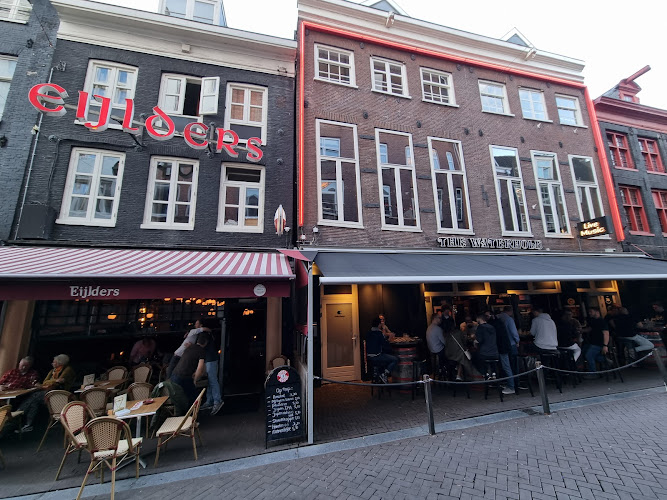
Leidseplein pulses as Amsterdam's entertainment epicenter where nightlife, street performance, and cultural venues converge on a single square. Neon-lit theater marquees, terrace crowds, and busker energy create 24/7 activity absent in residential neighborhoods. The area balances high culture (Stadsschouwburg theater, Melkweg concerts) with late-night clubs, tourist-oriented restaurants, and street life. Character emerges from constant motion—daytime café lingering transitions to pre-theater dinners, then post-midnight club crowds. Unlike intimate Jordaan or elegant Zuid, Leidseplein embraces vibrant chaos as its defining trait.
Heritage & origins
Originating in the 1660s as a cart square at the end of the road from Leiden, Leidseplein served as one of five parking lots where farmers and merchants left their wagons before entering the city. The square’s name comes from the Leidsepoort, the city gate built in 1664, which marked the start of the highway to Leiden until its demolition in 1862.
The first Stadsschouwburg (city theatre) opened here in 1774, anchoring the area’s cultural identity; although the original wooden theatre burned down in 1890, it was rebuilt in stone. During the 18th and 19th centuries, livery stables, farriers and inns surrounded the square, and the Industrial Revolution brought electric trams (1900) and buses that widened roads and reshaped the square.
In the mid‑20th century the square was converted into a car park, but by the 1970s it became partially car‑free, signalling a shift away from traffic and toward public space. Today, Leidseplein retains echoes of its past while functioning as a lively entertainment hub.
Culture & community
Today, Leidseplein is the beating heart of Amsterdam’s theatre district, home to institutions such as the iconic Stadsschouwburg, DeLaMar Theater, Melkweg and Paradiso. Street performers, comedians and buskers enliven the square, while cultural venues like De Balie host debates, film screenings and live music. The surrounding side streets brim with cafés, brown bars, Surinamese and Indonesian eateries, LGBTQ‑friendly clubs and intimate music venues.
Public art, including playful metal lizard sculptures, and the recent “Against the Tide” memorial honouring journalist Peter R. de Vries, add layers of meaning. This fusion of performing arts, nightlife, gastronomy and public art reflects Amsterdam’s creativity and inclusive spirit, drawing both locals and visitors to linger on terraces and soak up the atmosphere.
Local context
Leidseplein, or Leiden Square, is a crossroads where Amsterdam’s past meets its present. Originally built in the 1660s as a terminus for stagecoaches arriving from Leiden, the square evolved from a wagon park into a cultural epicenter with the opening of the Stadsschouwburg in 1774.
Today the area buzzes day and night: sun‑drenched terraces and outdoor cafés fill during the day, while at night the neon lights of theaters, cinemas, music venues and clubs draw crowds. Major institutions like Melkweg, Paradiso and DeLaMar Theater anchor a performing arts scene that spans rock concerts to Broadway‑style shows.
Despite its popularity, the neighbourhood still hides gems in the lanes off the main square—brown cafés, Surinamese eateries, jazz bars and street art that reward curious wanderers. Excellent tram connections and proximity to Vondelpark, Leidsestraat and the canal belt make Leidseplein a convenient launchpad for exploring Amsterdam.